EN
Quick Links
LB electrical conduit is a vital component in electrical installations, providing protection and support for wiring in both commercial and residential projects. As a purchasing manager or project engineer, understanding the specifications, applications, and the best suppliers of LB electrical conduit can significantly impact the success of your projects. This article will guide you through the key specifications, reliable suppliers, cost factors, applications, and how to compare different types of LB electrical conduit to ensure you make informed purchasing decisions.
When evaluating LB electrical conduit, several key specifications must be considered to ensure suitability for your specific application. The primary specifications include:
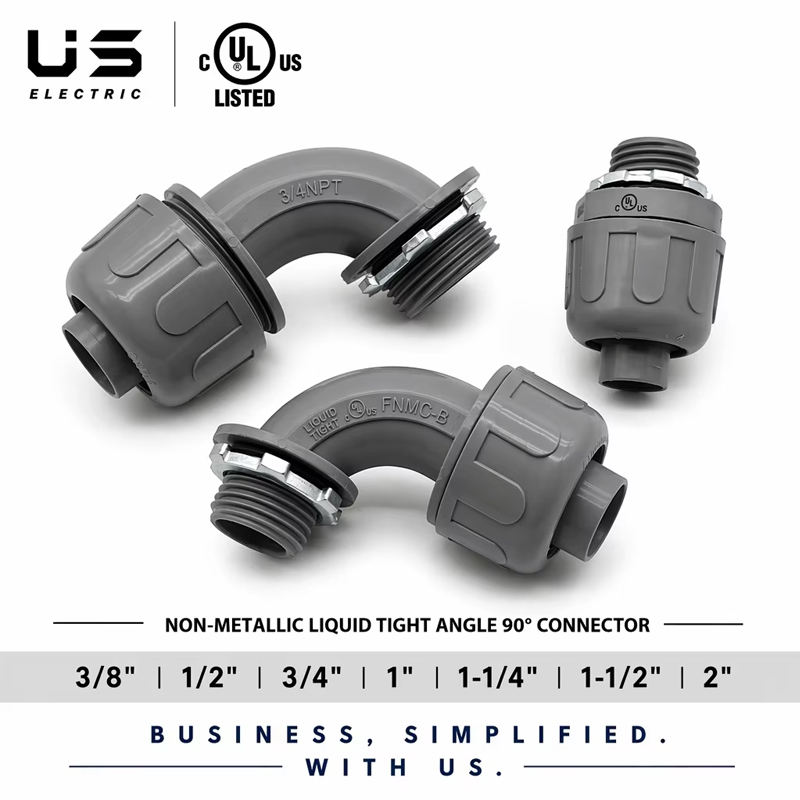
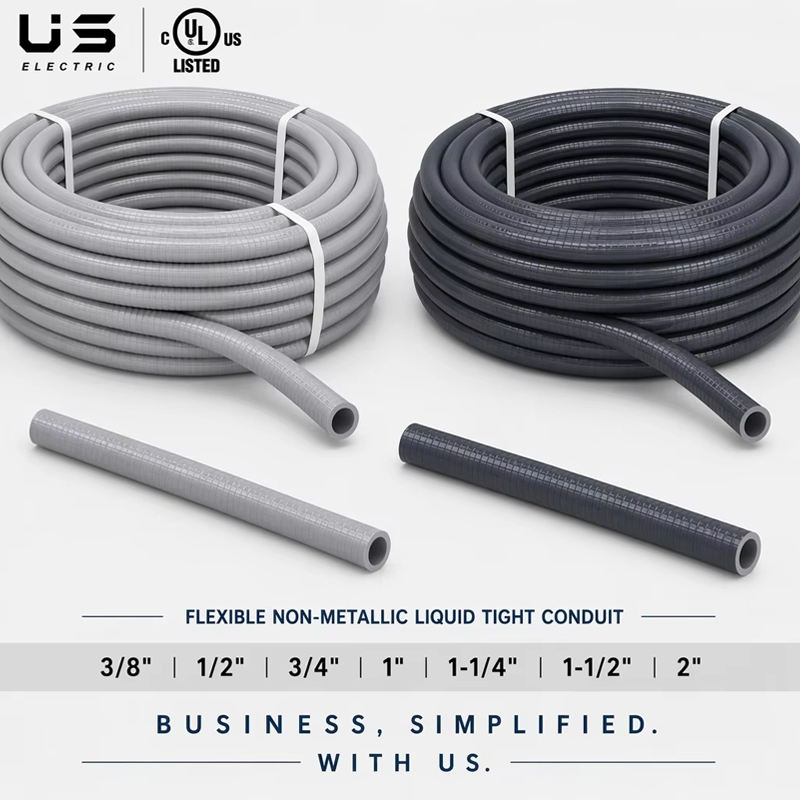
Material Composition: LB conduits can be metallic (often made from steel or aluminum) or non-metallic (commonly PVC). The choice of material affects durability, resistance to corrosion, and overall weight. Metallic conduits offer sturdiness and grounding capabilities, while non-metallic options are lighter and resistant to moisture and certain chemicals.
Dimensions: Standard sizes for LB electrical conduit range from half an inch to several inches in diameter. It is crucial to select the appropriate diameter to accommodate the wiring while allowing for easy installation and future modifications.
Wall Thickness: The thickness of the conduit walls impacts its strength and ability to withstand environmental factors. Thicker walls can provide better protection against physical damage but may also increase costs.
Certifications: Ensure that the LB electrical conduit you choose meets relevant industry standards, such as UL/cUL and ETL/cETL certifications. These certifications indicate that the conduit has been tested for safety and performance.
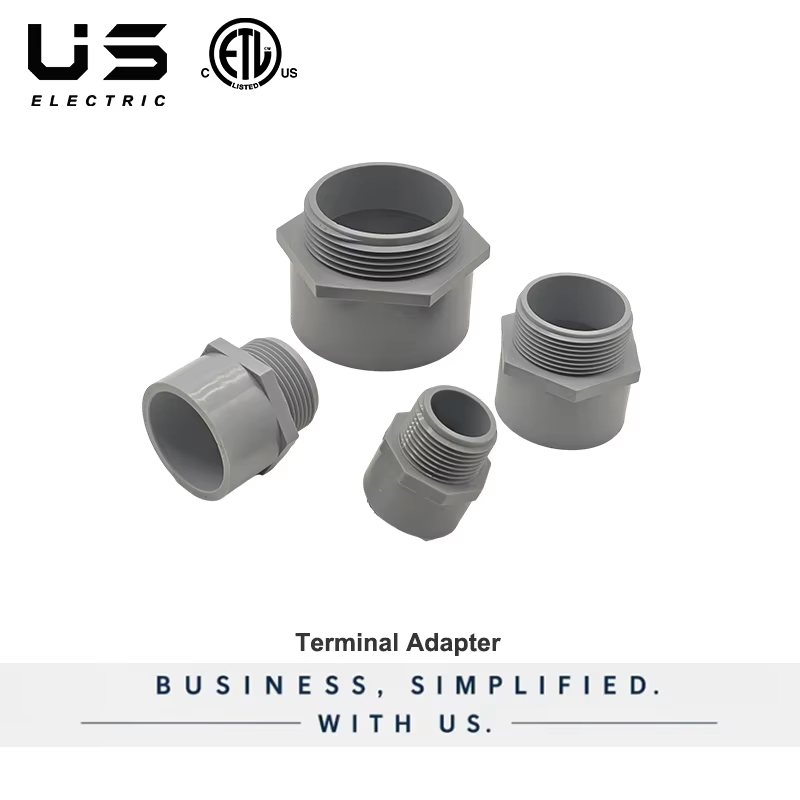
Custom Features: Depending on your project needs, you may require conduits with additional features, such as fittings or specific colors for identification. Discuss customization options with your supplier to ensure you get the right product.
Understanding these specifications will help you ensure that the LB electrical conduit you select meets the operational requirements and safety standards for your project.
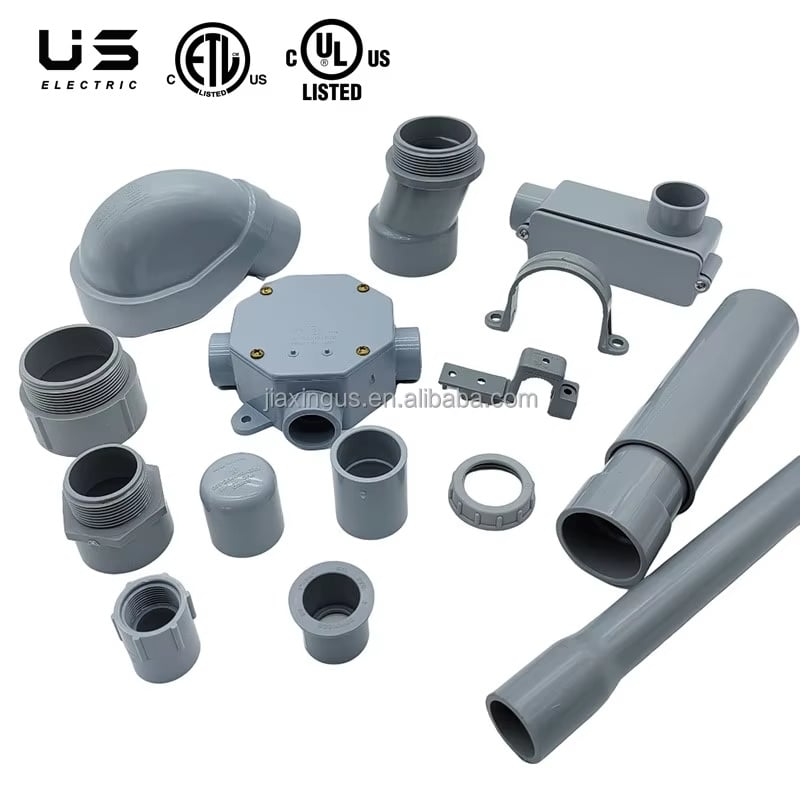
Finding a trustworthy supplier of LB electrical conduit is vital for ensuring product quality and reliable delivery. Here are key factors to consider when evaluating potential suppliers:
Experience and Reputation: Look for suppliers with extensive experience in manufacturing and exporting electrical equipment. Companies like Jiaxing ANT Electrical Co., Ltd., with 14 years in the industry and a portfolio of over 1,000 certified products, demonstrate reliability and expertise.
Quality Assurance: A strong quality control process is crucial. Ensure that potential suppliers have established testing protocols and certifications that align with industry standards. Ask about their quality assurance methods to confirm that they consistently produce high-quality products.
Customization Capabilities: If your project requires specific features or dimensions, check if the supplier offers OEM/ODM solutions. This flexibility can be vital in meeting unique project specifications.
Customer Support: Responsive and knowledgeable customer service can make a significant difference during the purchasing process. Ensure that the supplier provides clear communication and support for any queries related to product specifications and logistics.
Export Markets: Suppliers with a strong export history can often offer more competitive pricing and better shipping options. Look for companies with experience in the markets relevant to your projects.
By prioritizing these factors, you can select a reliable supplier that meets your needs for LB electrical conduit.
The cost of LB electrical conduit can vary based on several factors. Understanding these elements will help you budget effectively and negotiate better pricing with suppliers:
Material Type: The choice between metallic and non-metallic conduits will significantly influence costs. Generally, metallic conduits may be more expensive due to their durability and grounding capabilities, while non-metallic options can be more affordable.
Quantity: Bulk purchasing often leads to reduced unit pricing. When planning your projects, consider ordering larger quantities to take advantage of these cost savings.
Customization: Custom features, such as specific dimensions or fittings, can increase the price. Discuss these requirements upfront with your supplier to understand any additional costs involved.
Shipping and Logistics: Costs will also be influenced by shipping methods and distances. Ensure you factor in potential shipping fees and delivery times when calculating the total cost of your order.
Market Trends: Stay informed about market trends and pricing fluctuations, as these can impact the cost of materials. Engaging with multiple suppliers can provide insights into competitive pricing.
By evaluating these cost factors, you can make informed decisions that align with your project budgets.
LB electrical conduit plays a crucial role in various applications across commercial and residential projects. Here are some common uses:
Wiring Protection: LB conduits are primarily used to safeguard electrical wiring from physical damage and environmental factors. This is especially important in areas where electrical installations are exposed to potential hazards.
Aesthetic Considerations: In residential settings, LB electrical conduit can contribute to the overall aesthetics of a space. Non-metallic options can be painted or finished to blend seamlessly with interior designs.
Installation Flexibility: LB conduits allow for easier installation of electrical systems in both new constructions and renovations. Their adaptability makes them suitable for a variety of layouts and project requirements.
Code Compliance: Many building codes require the use of conduits for electrical installations. Ensuring compliance with local regulations can help avoid costly fines and safety issues.
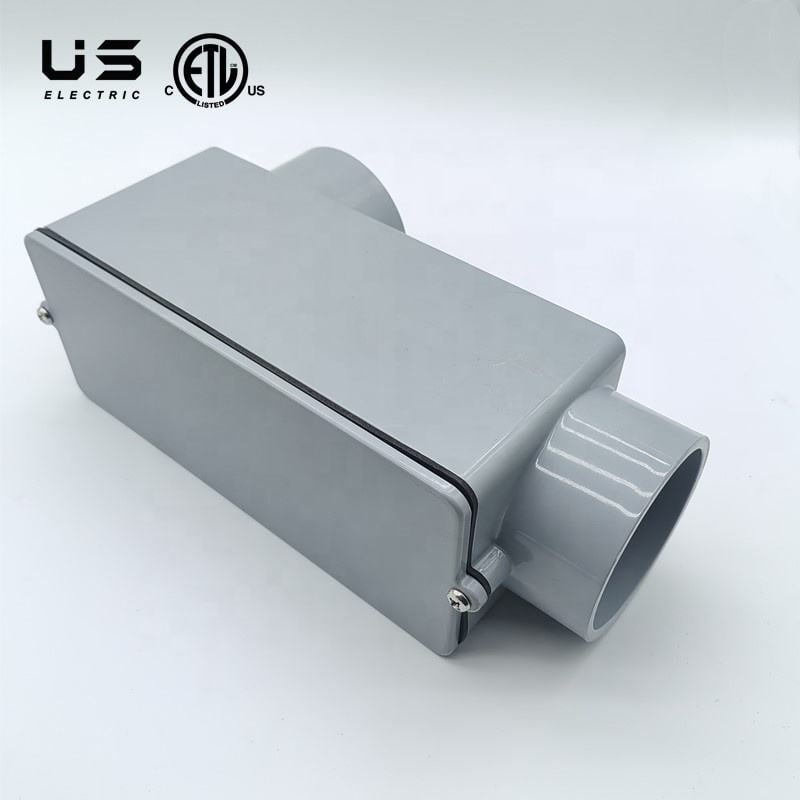
Durability in Harsh Environments: In commercial settings, especially in industrial applications, LB conduits can withstand exposure to chemicals, moisture, and extreme temperatures. This makes them ideal for environments like warehouses, factories, and outdoor installations. Additionally, options like weatherproof junction boxes can enhance durability in challenging conditions.
Understanding the applications of LB electrical conduit will help you select the right products for your specific project needs.
When comparing various types of LB electrical conduit, consider the following criteria to determine the best fit for your projects:
Material Properties: Evaluate the benefits and drawbacks of different materials. For instance, while metallic conduits offer superior grounding and durability, non-metallic options may be lighter and easier to install.
Installation Requirements: Assess the installation process for each type of conduit. Some may require special tools or techniques, which can affect labor costs and project timelines.
Performance Specifications: Consider the environmental conditions the conduit will be exposed to, such as moisture, temperature fluctuations, and chemical exposure. Ensure that the selected conduit meets these performance criteria.
Cost Considerations: Compare the pricing of different types of conduits, factoring in both material costs and any additional expenses associated with installation or customization.
Supplier Reliability: Finally, consider the reputation and reliability of the suppliers for each type of conduit. A trustworthy supplier can provide additional insights and support that may influence your decision.
By evaluating these criteria, you can make a well-informed choice when selecting LB electrical conduit that aligns with your project requirements and budget.