 EN
Quick Links
When sourcing electrical pipes, understanding the pricing dynamics is crucial for B2B buyers. Electrical pipe prices can vary widely based on materials, specifications, and supplier capabilities. This article will delve into how to make informed purchasing decisions by evaluating suppliers, comparing quality and cost factors, identifying key specifications, best practices for use, and addressing common issues with electrical pipes.
Selecting the right supplier for electrical pipes is essential for the success of your project. Start by assessing the supplier’s experience in the industry. A manufacturer like Jiaxing ANT Electrical Co., Ltd., with over 14 years of experience, can provide insights into product reliability and application suitability. Look for suppliers who can demonstrate their expertise through certifications such as UL/cUL and ETL/cETL, as these ensure compliance with safety and quality standards. Additionally, consider suppliers that offer products like the 1 Gang Adjustable Mud Rings Electrical Metal for enhanced project efficiency.
Consider the supplier's manufacturing capabilities, including production capacity and technology. Suppliers with modern production facilities are more likely to offer consistent quality and reliable lead times. Additionally, inquire about their One-Stop Shopping Service, which can simplify procurement by providing multiple product types under one roof. This is especially beneficial for large-scale projects that require various electrical components.
Lastly, communication is key. A supplier who is responsive and willing to provide detailed product information, including pricing structures, customization options, and lead times, typically indicates a commitment to customer service.
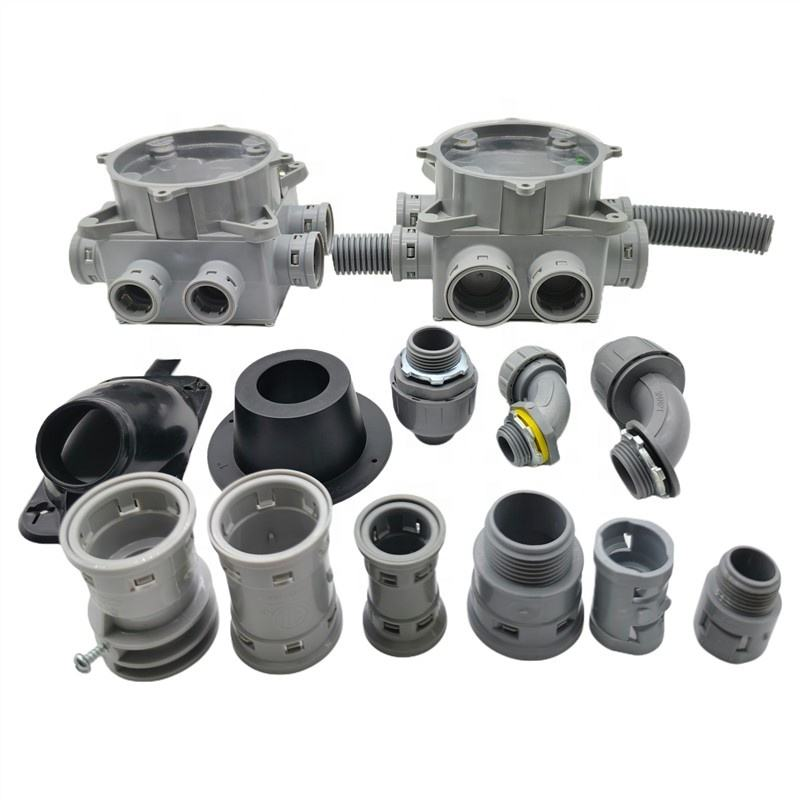
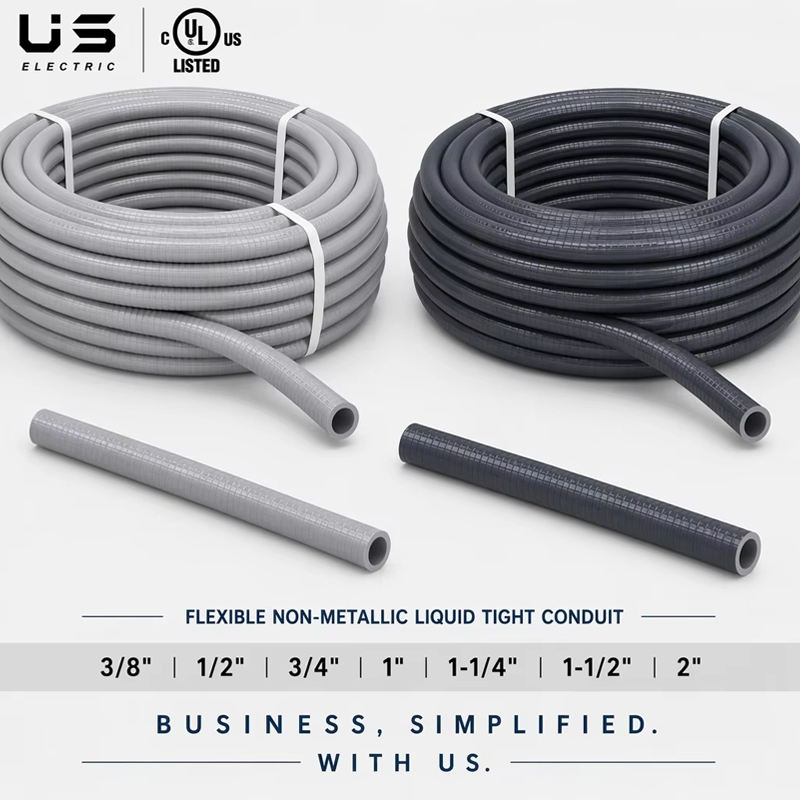
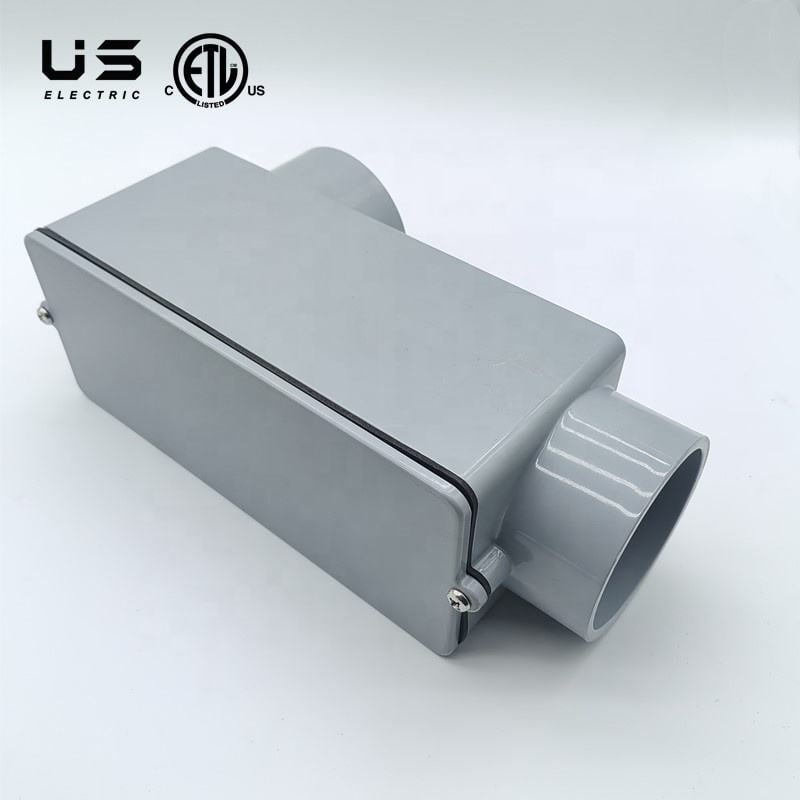
When comparing electrical pipe prices, it’s essential to balance quality with cost. While lower prices may be attractive, they can often indicate compromised quality, which may lead to higher long-term costs due to failures or replacements. Evaluate the materials used in the pipes and their suitability for your specific application. For example, metallic pipes may be necessary for environments with higher exposure to physical damage, while non-metallic options can be lighter and easier to install. Consider options like the US Canadian Standards Metal Junction Box to meet specific installation needs.
Be aware of the total cost of ownership, which includes not only the initial purchase price but also installation, maintenance, and potential downtime costs. Request samples to inspect the quality firsthand before making bulk purchases. This approach allows you to assess the physical properties (like thickness, flexibility, and surface finish) that may affect installation and long-term performance.
The specifications of electrical pipes can significantly impact their performance and suitability for specific projects. Key specifications to consider include:
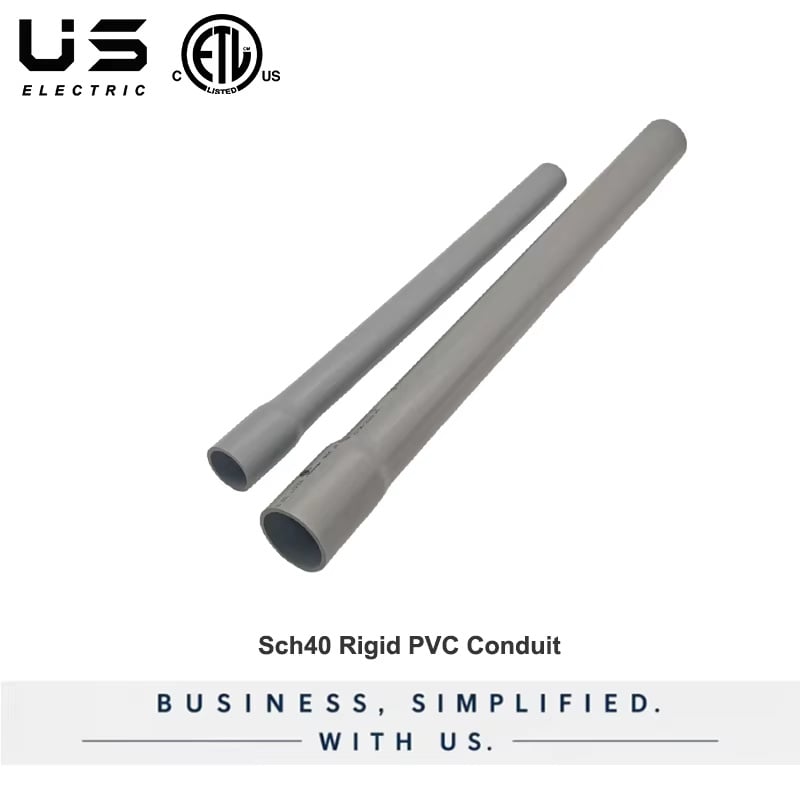
Material: Determine whether metallic or non-metallic pipes are more appropriate based on environmental conditions and regulatory requirements.
Dimensions: Accurate sizing is crucial. Ensure that the dimensions align with industry standards and your project requirements to avoid installation issues.
Thickness: The wall thickness of the pipe affects its durability and resistance to physical damage. Thicker walls provide better protection but may also increase weight and cost.
Ratings: Look for pipes that meet necessary ratings for electrical insulation and fire resistance. This is particularly important in commercial applications where safety standards are stringent.
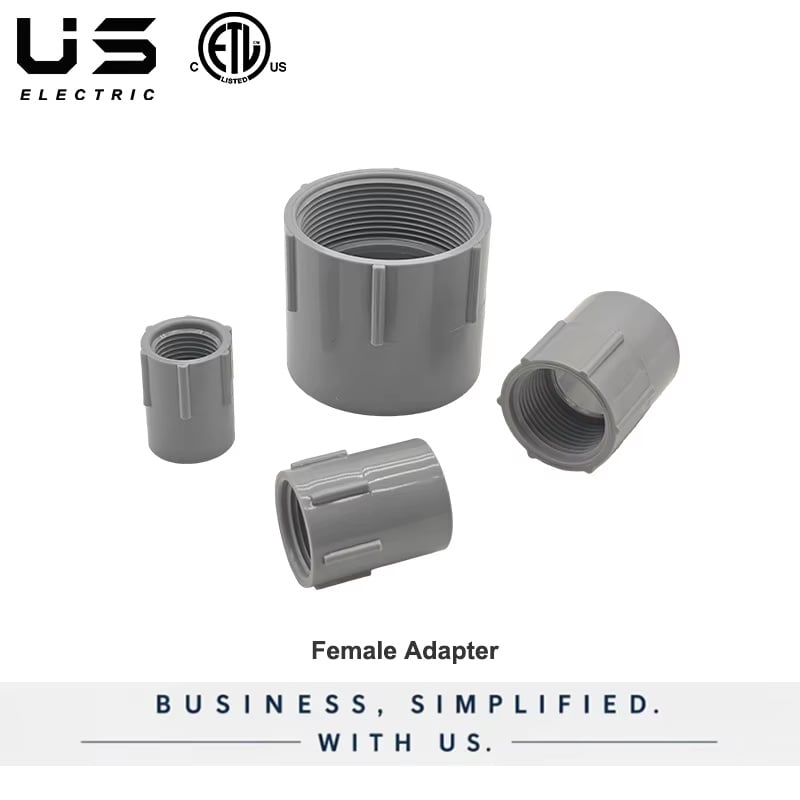
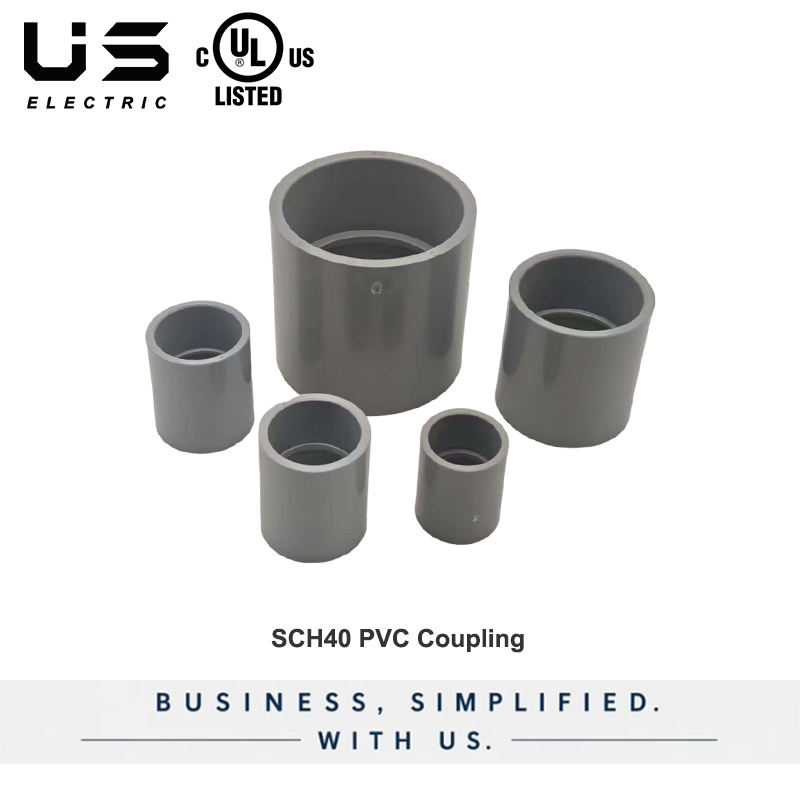
Compatibility: Ensure that the selected pipes are compatible with other components in your electrical system, including fittings and conduits.
When discussing specifications with suppliers, clearly convey the intended application and any specific performance requirements. This helps ensure that you receive products that meet your needs without unnecessary adjustments.
Using electrical pipes effectively requires adherence to best practices during installation and maintenance. First, ensure that all installation follows local electrical codes and standards. Improper installation can lead to safety hazards and reduced performance.
When installing pipes, pay attention to the routing to avoid sharp bends and kinks that can weaken the pipe structure. Use appropriate fittings and connectors to maintain the integrity of the system. For example, when using metallic pipes, consider grounding requirements to prevent electrical interference.
Regular inspection and maintenance are also vital. Check for signs of wear, corrosion, or damage and address these issues promptly to prevent system failures. Proper documentation of installation practices and maintenance schedules can aid in ensuring compliance with safety standards and improve long-term performance.
Even high-quality electrical pipes can encounter problems during their lifecycle. Common issues include corrosion, physical damage, and improper installation. To mitigate these risks, consider the following solutions:
Corrosion: Use protective coatings for metallic pipes in corrosive environments. Non-metallic options may be more suitable for such applications as they naturally resist corrosion.
Physical Damage: Ensure adequate support and protection against impacts during installation and operation. This is particularly important in areas prone to heavy traffic or environmental stress.
Installation Errors: To prevent mistakes, always follow the manufacturer's installation guidelines. Conduct training sessions for installation teams to ensure they understand best practices.
Incompatibility: When mixing different types of pipes or fittings, confirm compatibility to prevent leaks or failures. Always consult with manufacturers when uncertain about compatibility issues.
By anticipating these common problems and implementing proactive solutions, you can enhance the reliability and lifespan of the electrical piping system in your projects. By understanding how to choose the right supplier, comparing quality and cost, identifying key specifications, applying best practices, and addressing common issues, you can make informed decisions regarding electrical pipe prices and ensure your project's success.