EN
Quick Links
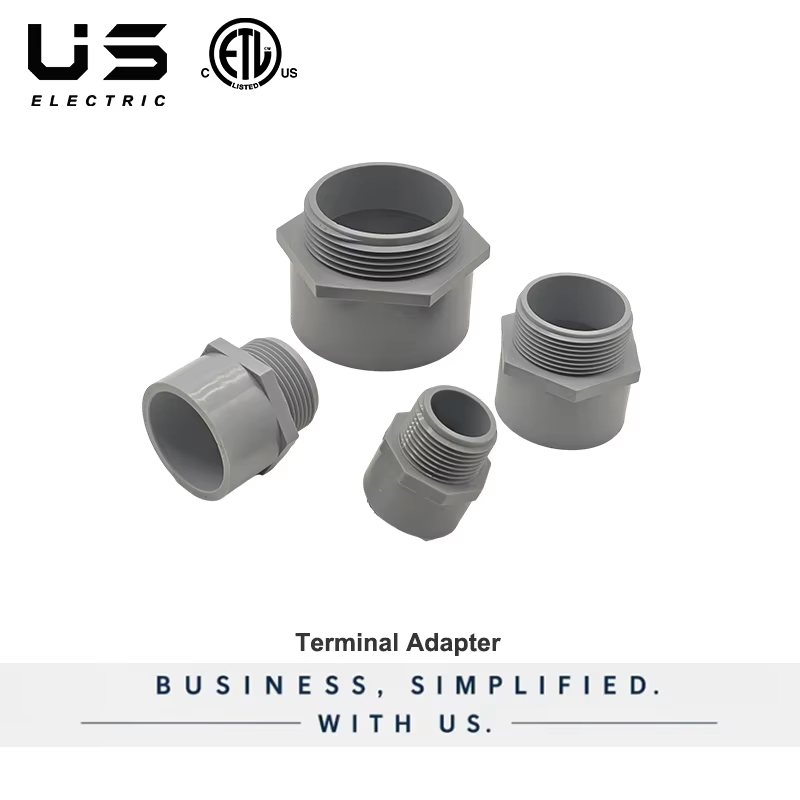
Plastic conduits are essential components in electrical installations, providing protection and organization for wiring systems in both commercial and residential applications. As a B2B buyer, understanding the various types of plastic conduits, their specifications, and the factors that influence their selection is crucial. This article aims to equip purchasing managers, engineers, and product managers with the knowledge they need to choose the right plastic conduit for their projects, ensuring quality, reliability, and compliance with industry standards.
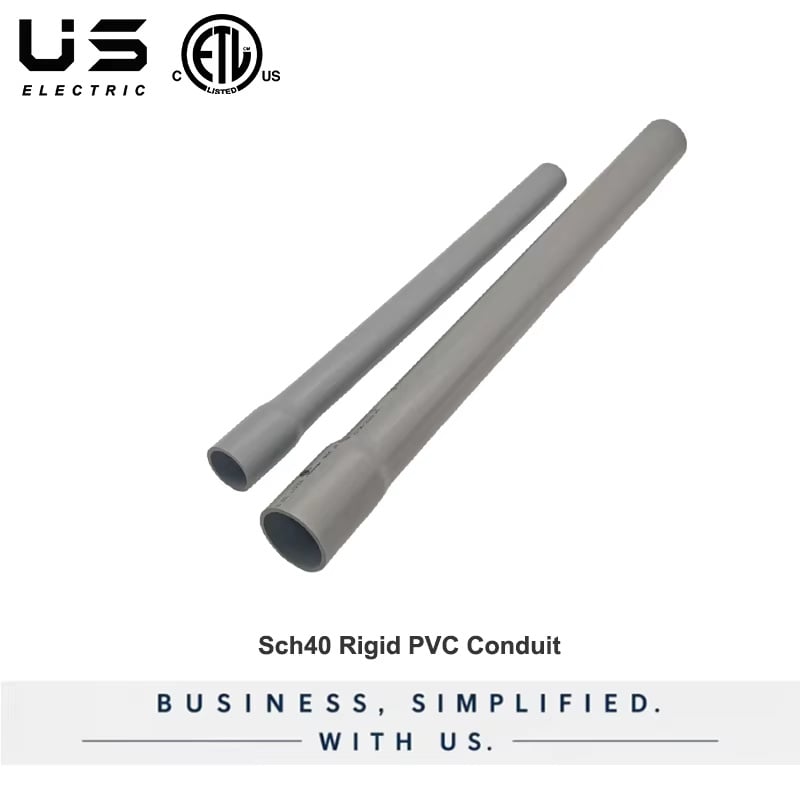
Selecting the right plastic conduit involves considering several key factors, including the application's environmental conditions, the type of electrical wiring being used, and specific project requirements. Common types of plastic conduits include PVC (Polyvinyl Chloride) and HDPE (High-Density Polyethylene), each offering distinct advantages based on their material properties.
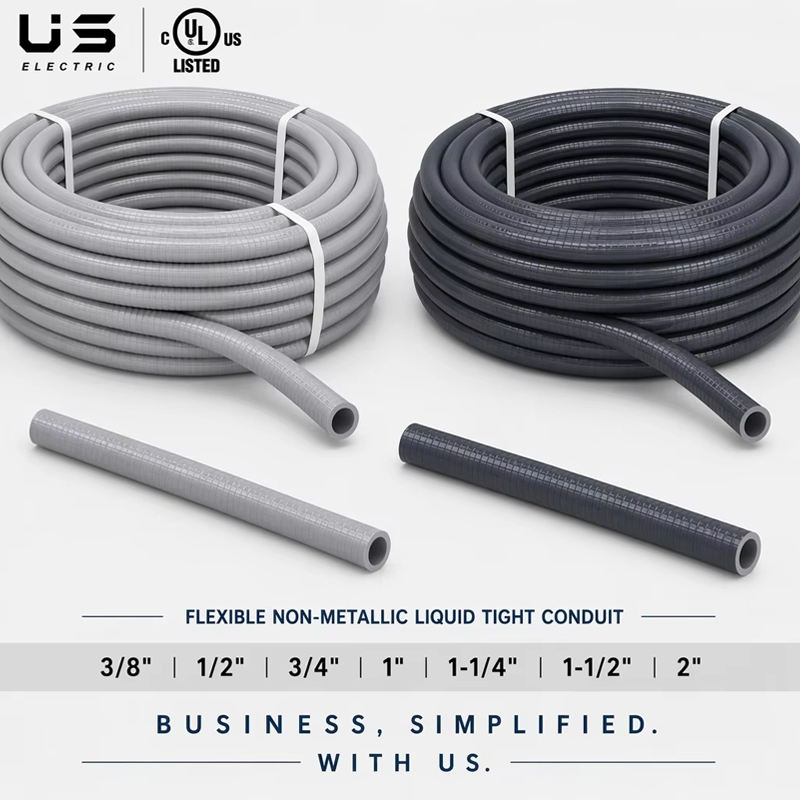
Material Selection: PVC conduits are widely used due to their durability, resistance to moisture, and cost-effectiveness. They are suitable for indoor applications and in environments where chemical exposure is minimal. On the other hand, HDPE conduits are more robust and can withstand harsher conditions, making them ideal for outdoor installations and areas with high impact or abrasion risks. For outdoor applications, consider using Waterproof Liquid Tight Flexible Conduit to ensure protection against various environmental factors.
Size and Dimensions: The diameter and length of the conduit are critical considerations. The conduit must accommodate the number of wires and their sizes while maintaining compliance with applicable electrical codes. Overcrowding conduits can lead to overheating and increased risk of electrical failure.
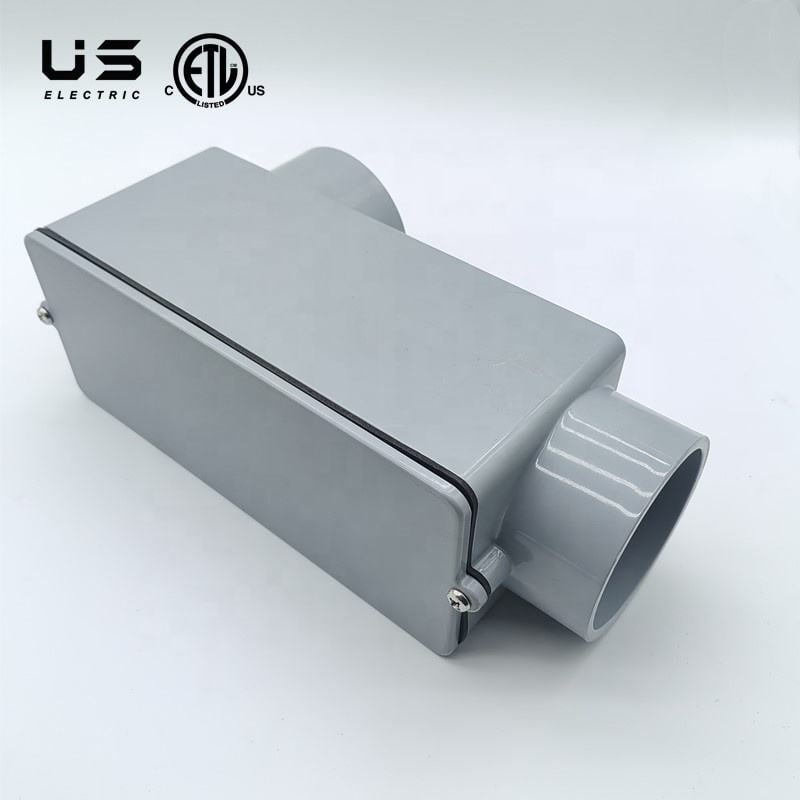
Regulatory Compliance: Ensure that the selected conduit meets local and national standards, such as UL/cUL and ETL/cETL certifications, which indicate that the product has been tested for safety and performance. This compliance is essential to avoid potential legal issues and ensure the safety of the installation.
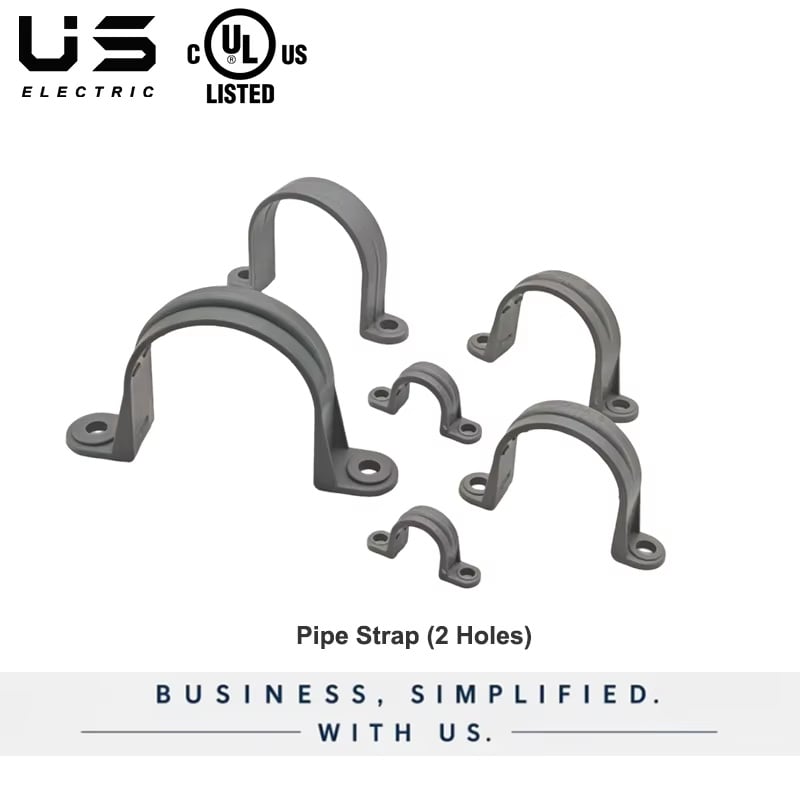
Customization Options: Depending on your project, you may require customized lengths, fittings, or color-coded options for easier identification. Manufacturers like Jiaxing ANT Electrical Co., Ltd. offer OEM/ODM solutions that can cater to specific requirements.
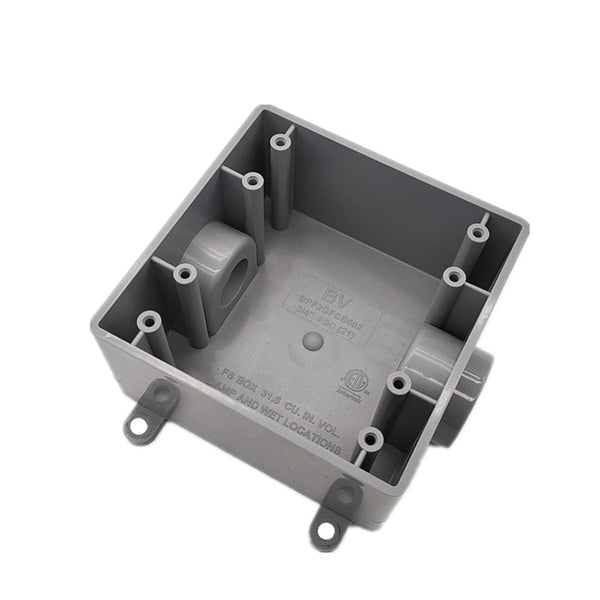
When purchasing plastic conduits, quality assurance is paramount. Here are practical steps to ensure the products meet your expectations:
Supplier Evaluation: Choose a reputable manufacturer with a proven track record in the electrical supply industry. Look for companies with certifications like UL and ETL, indicating compliance with safety standards.
Quality Control Processes: Inquire about the manufacturer’s quality control measures. A reliable supplier should have rigorous testing protocols during production to ensure that each batch of conduits meets specified standards.
Sample Approval: Before placing a large order, request samples to evaluate the conduit’s physical properties, such as flexibility, sturdiness, and resistance to environmental factors. Testing samples under actual operating conditions can help identify any potential issues early in the process.
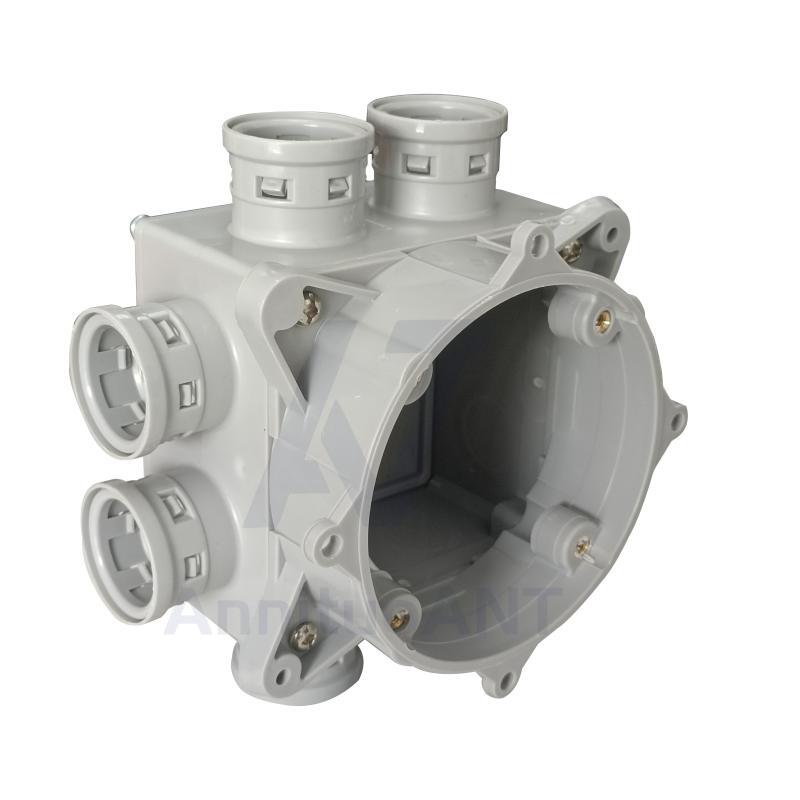
While installing plastic conduits, several common challenges can arise. Understanding these issues and their solutions can help streamline the installation process:
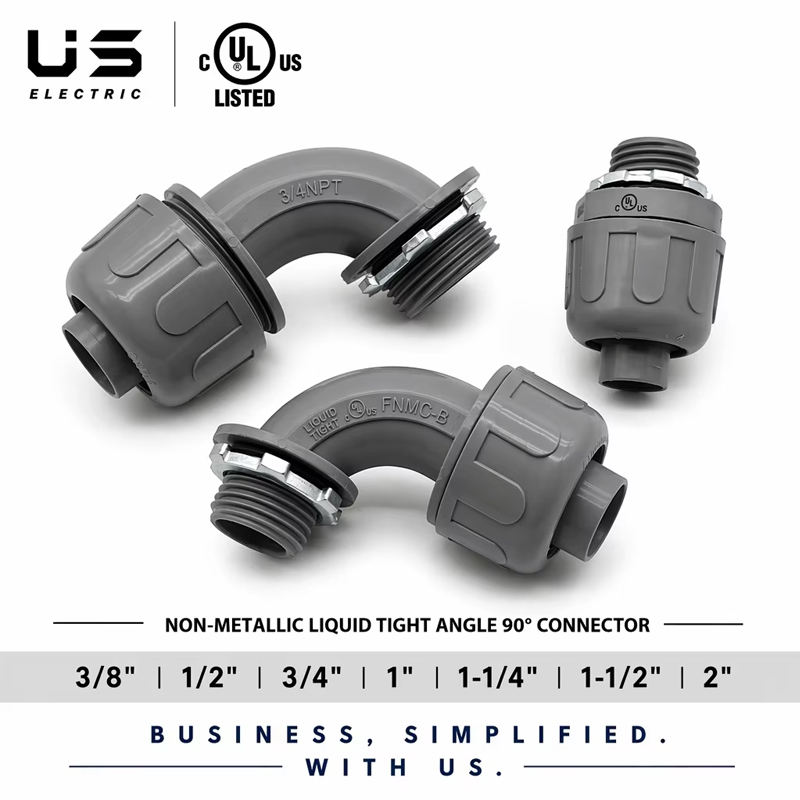
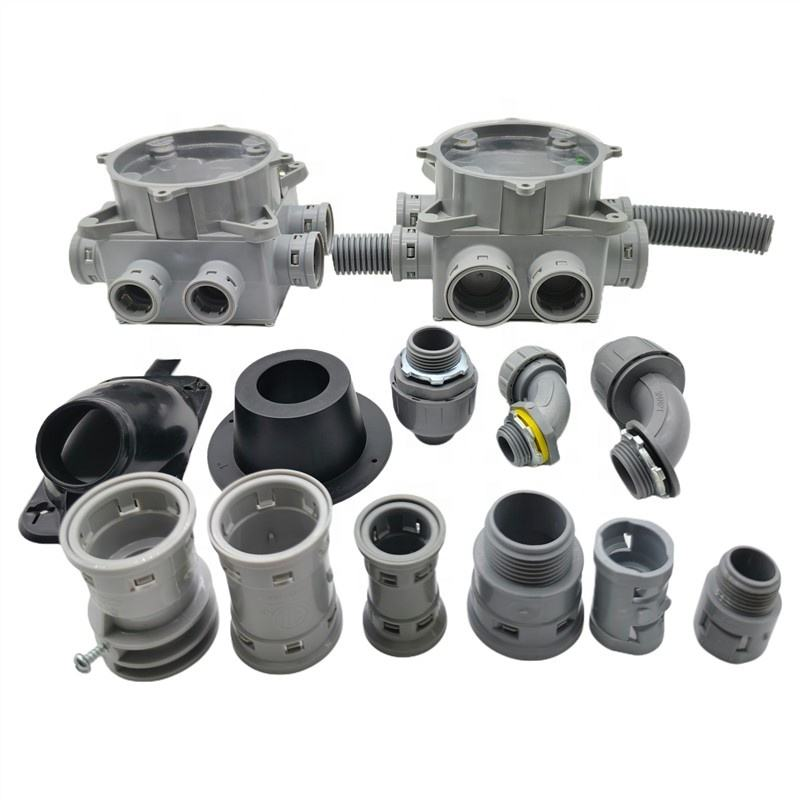
Bending and Routing Difficulties: Plastic conduits can become difficult to maneuver, especially in tight spaces. It’s essential to plan the installation layout carefully and use appropriate fittings to facilitate smooth bends, reducing the risk of kinks that can impede wire placement. Utilizing Non-metallic Liquid Tight Conduit can also help in creating a more flexible installation.
Joint Integrity: Ensuring that joints are secure is vital to prevent moisture infiltration and maintain the conduit’s structural integrity. Use compatible adhesives or fittings recommended by the manufacturer to ensure a reliable seal.
Thermal Expansion: Changes in temperature can cause plastic conduits to expand or contract, potentially leading to gaps or fractures. Providing adequate spacing and expansion joints can mitigate these risks, ensuring long-term performance.
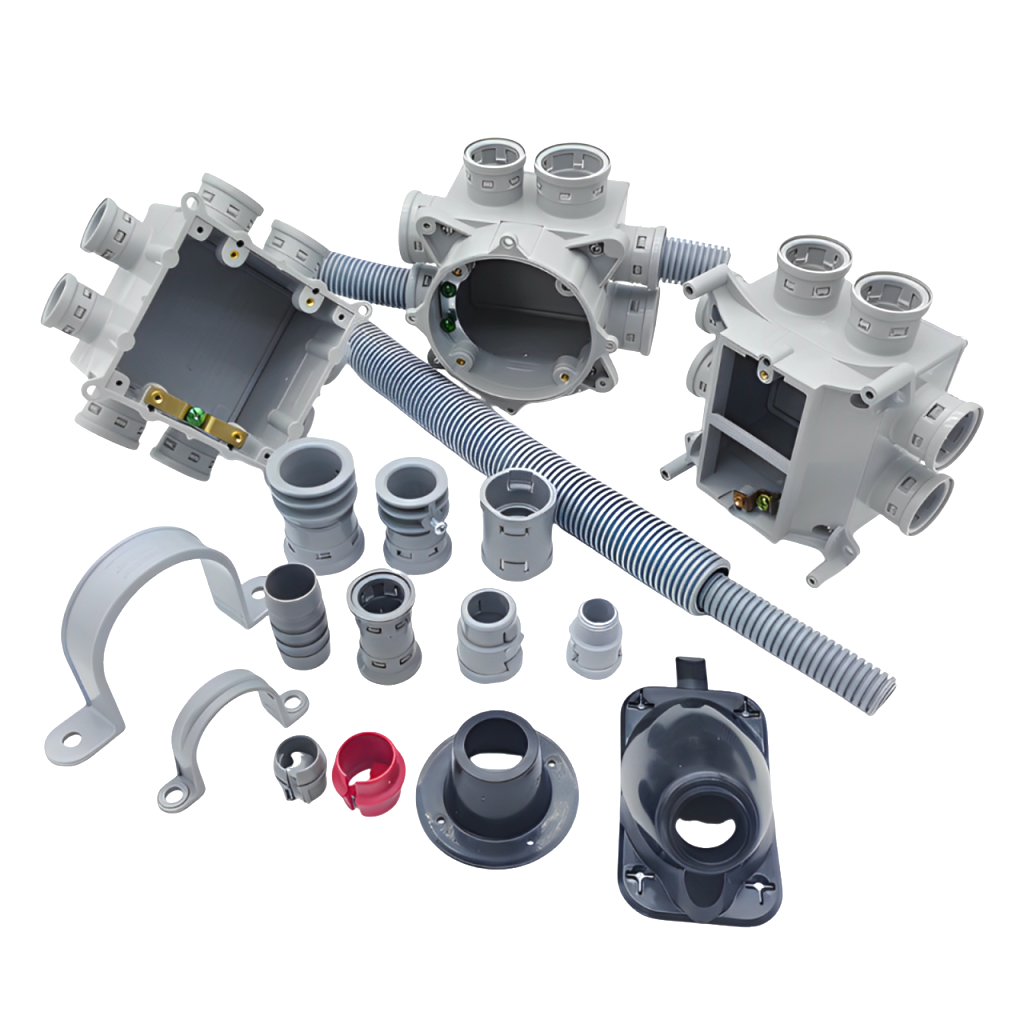
Finding reliable sources for plastic conduits involves more than just price comparison. Here are some strategies to locate high-quality products:
Industry Trade Shows and Expos: Attending electrical industry trade shows can provide insight into various manufacturers and their offerings. This is also an excellent opportunity to network with suppliers and gain firsthand knowledge about their products.
Online Marketplaces and Direct Suppliers: Purchasing directly from manufacturers, such as Jiaxing ANT Electrical Co., Ltd., can often yield better pricing and more personalized service. Look for suppliers that offer a comprehensive catalog of products, including various types of plastic conduits.
Bulk Purchase Discounts: When planning for large-scale projects, consider negotiating bulk purchase agreements with suppliers. Many manufacturers provide discounts for high volume orders, which can significantly reduce costs.
Knowledge of plastic conduit standards is essential for ensuring safety and compliance in electrical installations. Here's what you should know:
Material Standards: Conduits must comply with specific material standards, typically outlined by organizations like the American National Standards Institute (ANSI) or the National Electrical Manufacturers Association (NEMA). Familiarize yourself with these standards to ensure the products you choose meet the necessary criteria.
Performance Ratings: Pay attention to performance ratings related to resistance to heat, moisture, and chemicals. For instance, look for conduits rated for outdoor use that can withstand UV exposure and temperature fluctuations without degrading.
Testing Certifications: Verify that the conduits have been tested by recognized third-party organizations. Certifications such as UL 651 for PVC conduits or UL 94 for flammability ratings can provide assurance of the product’s safety and effectiveness in specific applications.
By considering these factors, you can confidently select the right plastic conduit for your projects, ensuring safety, compliance, and reliability. For further assistance or specific product inquiries, consult with experienced manufacturers like Jiaxing ANT Electrical Co., Ltd., who can provide expert guidance and tailored solutions to meet your needs.