EN
Quick Links
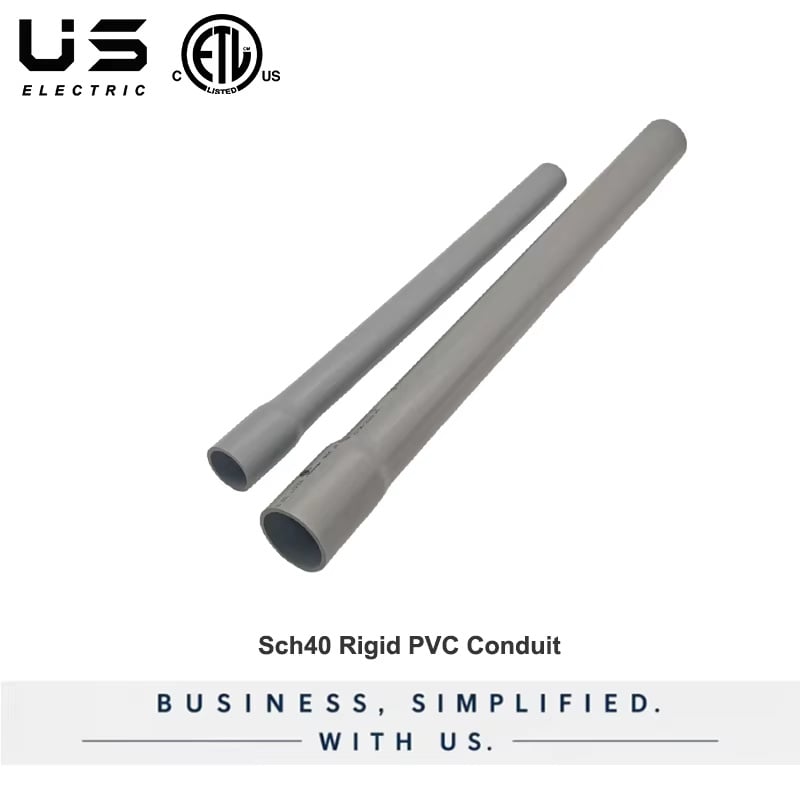
PVC electrical conduit is a crucial component in electrical installations, providing protection and support for wiring systems. As a B2B buyer, your primary concerns may include product specifications, material quality, compliance with industry standards, and overall cost-effectiveness. This article will guide you through understanding the specifications of PVC electrical conduit, how to select the right type for your projects, cost factors to consider, its applications across various industries, and the technical advantages it offers over other materials.
When considering PVC electrical conduit, several key specifications should be evaluated. These include:
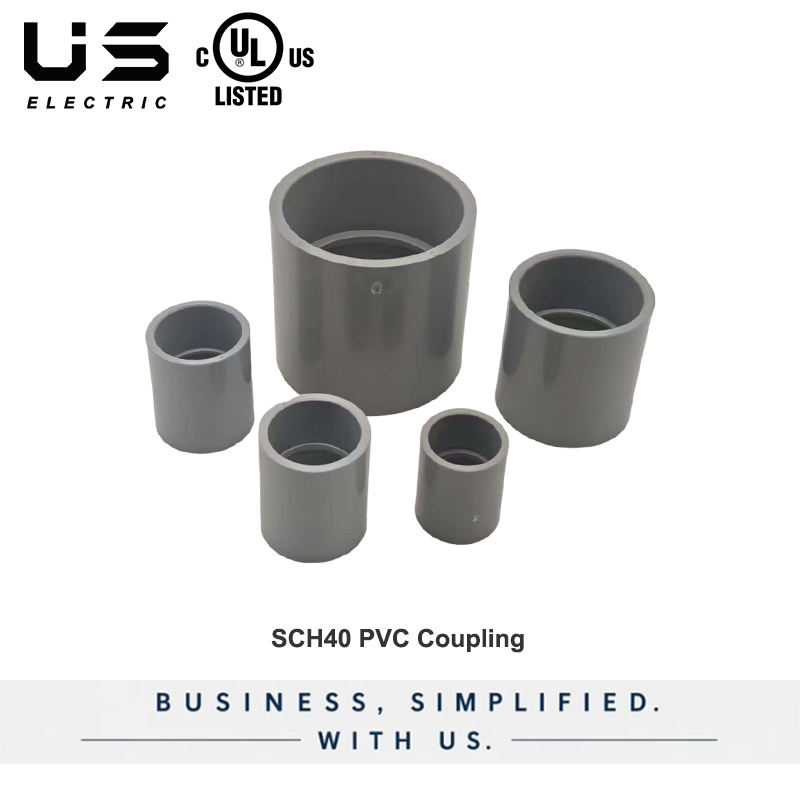
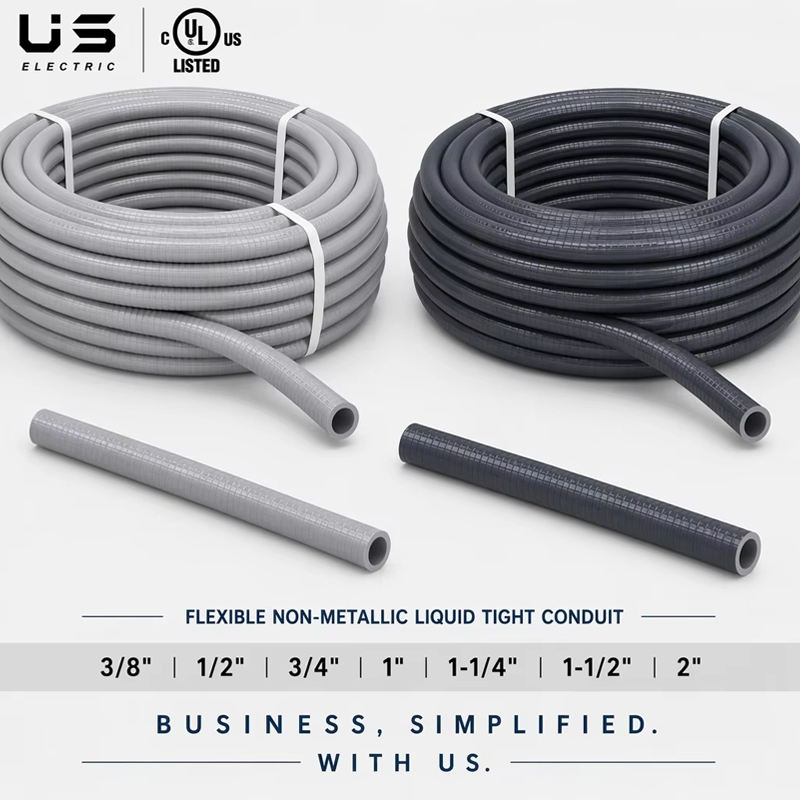
Dimensions: Conduit diameter and length are essential as they need to accommodate the wiring and fit within the installation space. Common sizes range from ½ inch to 4 inches in diameter, and the length typically comes in 10-foot sections.
Wall Thickness: The wall thickness affects the conduit’s durability and ability to withstand environmental stressors. Standard thicknesses can vary, so it’s important to confirm the requirements based on the installation conditions, especially if the conduit will be exposed to physical impacts or harsh weather.
Material Compliance: Ensure that the PVC conduit meets relevant standards such as UL/cUL and ETL/cETL certifications. These certifications indicate that the product has undergone rigorous testing for safety and performance, which is critical for electrical applications.
Temperature Rating: PVC conduit is designed to withstand a range of temperatures, typically from -40°F to 140°F (-40°C to 60°C). Understanding the temperature range for your application can help prevent material failure.
Color and Identification: PVC conduits often come in different colors for easy identification of their intended use—such as blue for underground applications. This feature can help in planning installations efficiently. For adjustable mud rings, color coding can enhance organization during installation.
Selecting the appropriate PVC electrical conduit involves several considerations:
Application Requirements: Determine the installation environment—whether it's for residential, commercial, or industrial use. For instance, underground applications may require heavier-duty conduits to withstand soil pressure and moisture. Utilizing products like the metal junction box can also be beneficial in such scenarios.
Compatibility with Wiring: Assess the type and number of wires that will run through the conduit. This will influence the conduit size, as it must provide enough space to avoid overloading and overheating.
Bend Radius: If the installation includes bends, check the minimum bend radius specifications to avoid damaging the wires. This is particularly important in tight spaces or complex layouts.
Customization Options: Some manufacturers, such as Jiaxing ANT Electrical Co., Ltd., may offer custom lengths or fittings. Discussing these options can help tailor your order to specific project needs.
Local Building Codes: Familiarize yourself with local regulations regarding conduit installations. Compliance with these codes is essential to ensure safety and legality in electrical systems.
When evaluating costs for PVC electrical conduit, several factors come into play:
Material Costs: The price of PVC resin can fluctuate based on market conditions. This can impact the overall cost of the conduit, so consider purchasing in bulk to take advantage of lower rates.
Quantity: Many suppliers have Minimum Order Quantities (MOQ). Understanding the MOQ can help you plan your procurement strategy, especially if you have multiple projects.
Shipping and Handling: Consider the logistics involved in transporting the conduit from the manufacturer to your site. Shipping costs can vary significantly based on distance, weight, and volume.
Quality vs. Price: While it may be tempting to opt for the lowest-priced conduit, ensure that you are not compromising on quality. Inferior conduits may lead to frequent replacements or safety hazards, ultimately costing more in the long run.
Custom Features: If you require custom fittings or colors, these may incur additional costs. It’s essential to factor these into your overall budget when planning your purchases.
PVC electrical conduit finds applications across diverse sectors, including:
Residential Construction: Used extensively for wiring in homes, PVC conduits provide a lightweight and cost-effective solution for protecting electrical systems from moisture and physical damage.
Commercial Buildings: In commercial settings, PVC conduits are ideal for routing power and communication cables, thanks to their flexibility and ease of installation.
Industrial Facilities: PVC conduits are suitable for factories and manufacturing plants where they can endure harsh conditions, such as exposure to chemicals or extreme temperatures.
Telecommunications: The telecommunications industry utilizes PVC conduit for protecting fiber optics and cables, ensuring reliable connectivity while maintaining a clean installation aesthetic.
Underground Applications: Specially rated PVC conduits designed for underground use can protect electrical wiring from moisture and soil pressure, making them essential for outdoor installations.
When comparing PVC electrical conduit to alternatives like metal or fiberglass, several technical advantages emerge:
Corrosion Resistance: PVC does not corrode or rust, making it ideal for environments prone to moisture and chemicals. This longevity can significantly reduce maintenance costs over time.
Lightweight: PVC’s lightweight nature makes handling and installation easier compared to heavier materials, translating to reduced labor costs and faster project timelines.
Electrical Insulation: PVC provides excellent electrical insulation, which enhances safety in electrical systems by minimizing the risk of short circuits and electrical hazards.
Flexibility and Ease of Installation: PVC conduits can be easily cut and joined with standard tools, facilitating quick installations. Their flexibility allows for creative routing in complex layouts without compromising integrity.
Cost-Effectiveness: Generally, PVC conduits are more affordable than metal alternatives, particularly when considering the total cost of ownership, including installation and maintenance.
By understanding these technical aspects and practical considerations, B2B buyers can make informed decisions when selecting PVC electrical conduits for their projects, ensuring compliance, safety, and cost-efficiency.