EN
Quick Links
Polyvinyl chloride conduit (PVC conduit) is a crucial component in electrical installations, providing protection and routing for electrical wiring. As a B2B buyer, you may be concerned about material properties, application suitability, compliance with industry standards, and sourcing high-quality products. This article will guide you through essential considerations when choosing polyvinyl chloride conduit, including product evaluation, sourcing options, best practices, and common challenges faced in the industry.
When selecting polyvinyl chloride conduit, it’s essential to consider several key factors to ensure compatibility with your project requirements.
Material Specifications: PVC conduits are available in different grades, which are determined by their thickness and chemical composition. The thickness impacts the conduit’s ability to withstand environmental stressors, including temperature extremes and chemical exposure. Buyers should confirm that the conduit meets the necessary performance standards for their specific application.
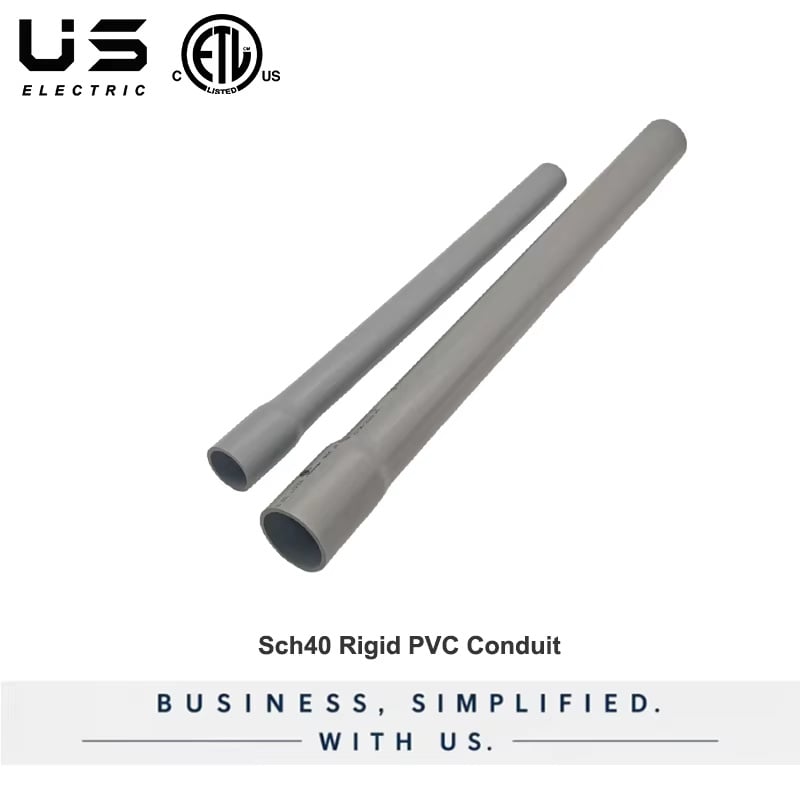
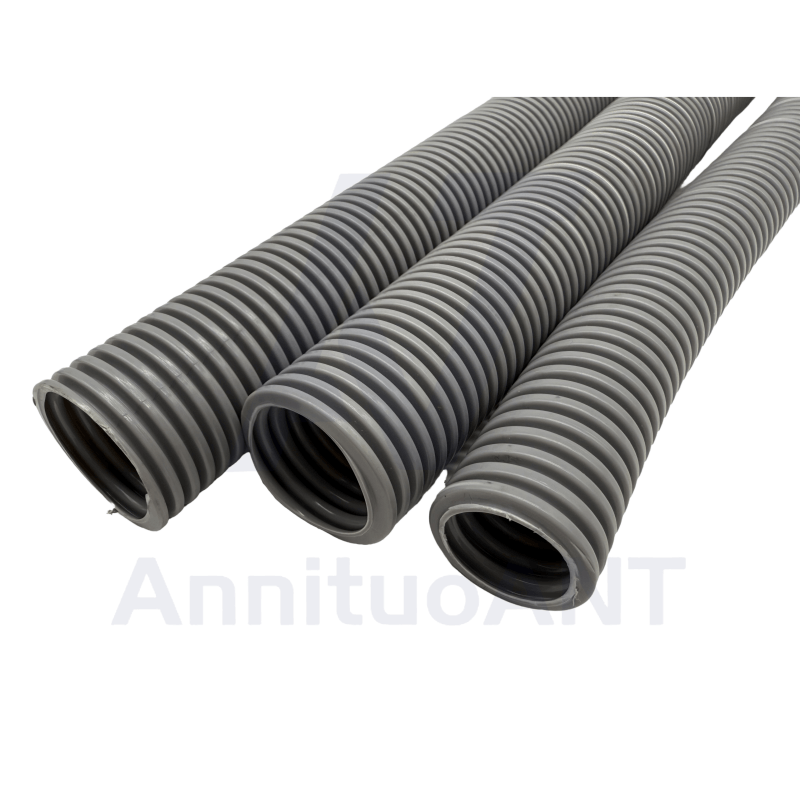
Conduit Sizes and Types: PVC conduits come in various diameters and configurations, including rigid and flexible options. Ensure that you choose a size that can accommodate the number of wires you plan to run and the overall layout of your installation. A common issue in installations is underestimating the required size, leading to overheating and potential failure. Consider using 1 Gang Adjustable Mud Rings for optimal fitting.
Compliance and Certification: It’s crucial to verify that the conduit is certified by relevant bodies such as UL or ETL. These certifications indicate that the products have been rigorously tested for safety and performance standards, which is particularly important in commercial and industrial environments.
By considering these factors, you can select the right polyvinyl chloride conduit that meets your project’s specific needs.
Sourcing high-quality polyvinyl chloride conduit requires a strategic approach:
Reputable Manufacturers: Look for manufacturers with a solid track record, like Jiaxing ANT Electrical Co., Ltd., which has over 14 years of experience in producing electrical equipment. Checking their certifications and product range can help ensure quality.
Wholesale Suppliers: Engage with suppliers who offer wholesale pricing and bulk purchasing options. Establishing a relationship with a supplier can also lead to better negotiation on pricing, especially when sourcing large quantities. For example, explore options like US Canadian Standards Metal Junction Box for reliable sourcing.
Trade Shows and Industry Events: Attending trade shows can be beneficial for meeting multiple suppliers in one place, allowing you to compare products and prices directly. This also provides an opportunity to discuss customization options with manufacturers.
Online Marketplaces: While online marketplaces can offer competitive prices, it is crucial to verify the supplier’s credentials and product quality through reviews and ratings.
By focusing on reputable sources, you can ensure that the polyvinyl chloride conduit you purchase is of high quality and suitable for your applications.
Evaluating the quality of polyvinyl chloride conduit involves several considerations:
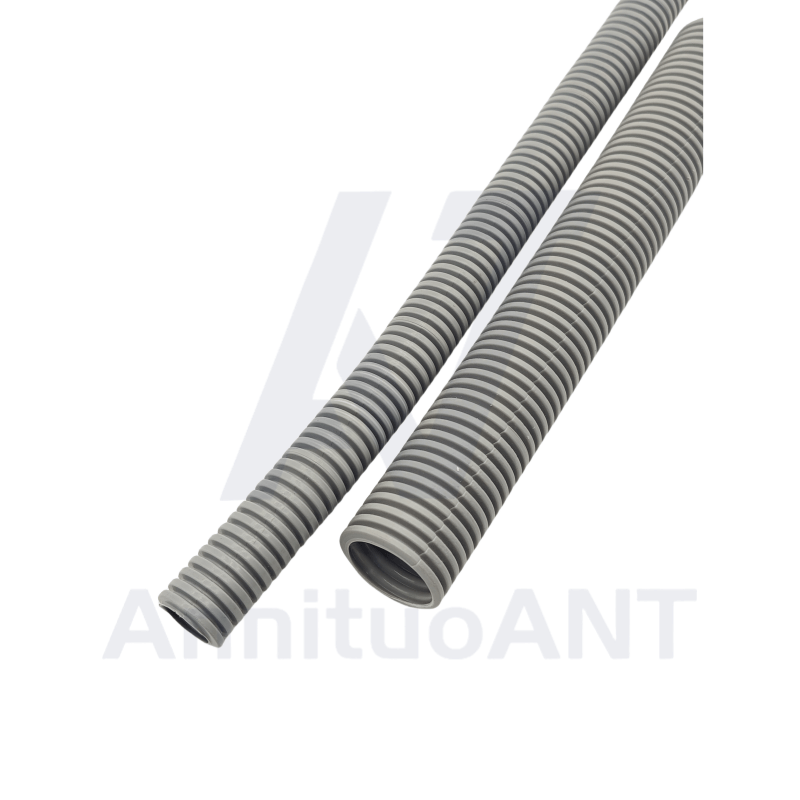
Visual Inspection: Look for any signs of physical defects, such as cracks, discoloration, or inconsistencies in thickness. Such defects can compromise the conduit’s structural integrity and performance.
Material Testing: Request test reports that confirm the material properties of the conduit, including its resistance to chemicals and temperature variations. This will help you determine if the product is suitable for your specific environment.
Sample Approval: Before making a bulk order, it’s advisable to request samples. Testing these samples under actual operating conditions can provide insight into their performance and compatibility with your existing systems.
Supplier Reputation: Research the supplier’s reputation in the market. Testimonials from other customers and industry reviews can provide valuable information about reliability and product quality.
By following these evaluation steps, you can make informed decisions and minimize the risk of quality-related issues in your projects.
Implementing best practices when working with polyvinyl chloride conduit can enhance installation efficiency and longevity:
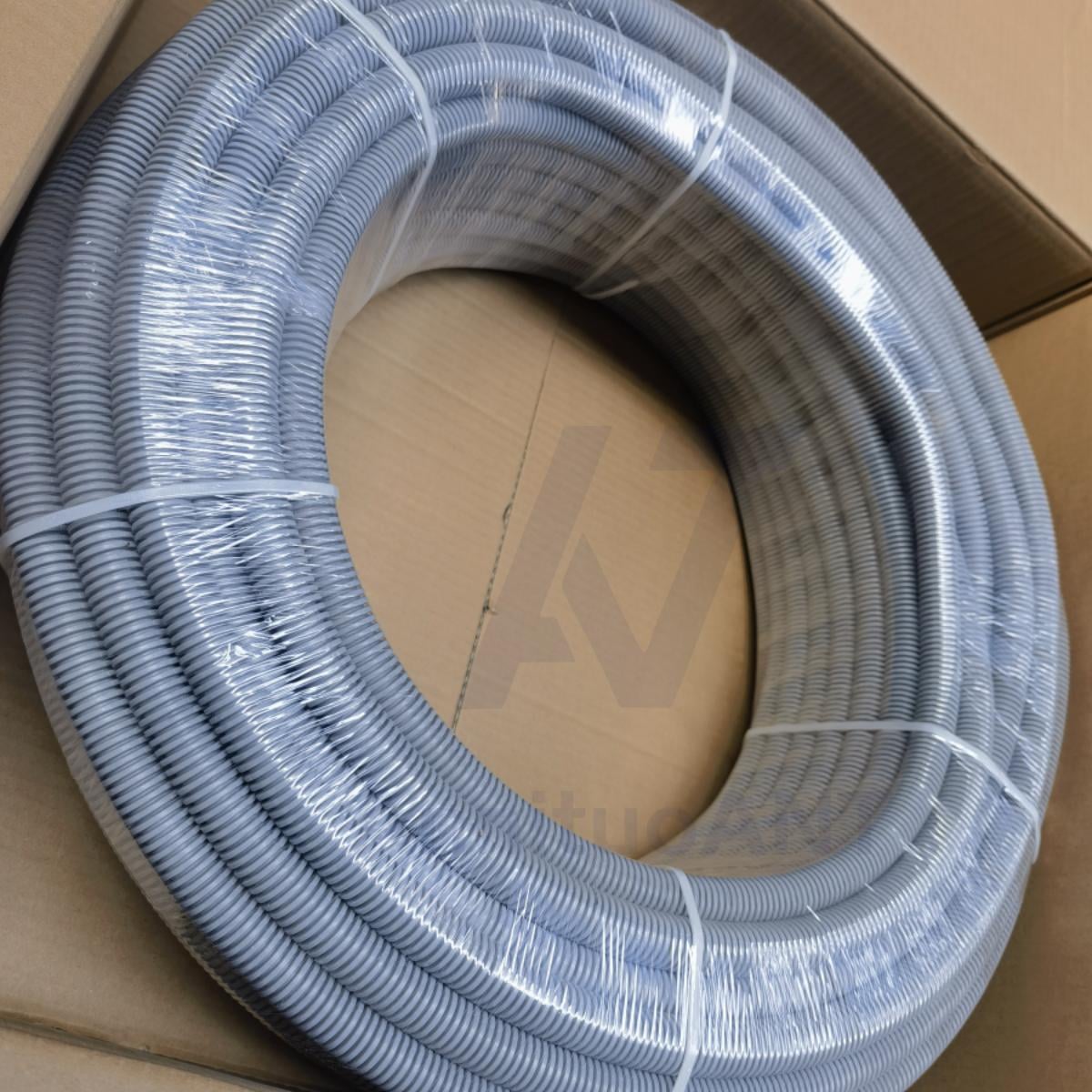
Proper Installation: Ensure that installation follows the manufacturer’s guidelines. This includes correct bending methods and securing the conduit properly to prevent movement and strain on the electrical connections.
Regular Inspections: Schedule regular inspections of installed conduits to identify any potential issues early. Check for signs of wear or damage, especially in environments with high exposure to chemicals or extreme temperatures.
Documentation: Maintain thorough documentation of all installations, including specifications, installation dates, and any maintenance performed. This is valuable for future reference and can assist in compliance with safety regulations.
Training and Education: Ensure that all personnel involved in installation and maintenance are trained on the specific requirements and best practices for working with PVC conduits. This can help reduce errors and improve safety.
Adhering to these best practices can significantly enhance the effectiveness and reliability of your electrical installations.
Despite the advantages of polyvinyl chloride conduit, some common issues may arise:
Brittleness: In colder climates, PVC can become brittle, making it susceptible to cracking. To mitigate this, consider using PVC conduits specifically designed for low-temperature applications or opt for flexible conduit options where applicable.
Poor Adhesion: When using solvent cement for joints, improper application can lead to weak connections. Ensure that surfaces are clean and that the correct type of solvent cement is used. Following the manufacturer's instructions for curing times before applying stress is also critical.
UV Exposure: If PVC conduits are exposed to direct sunlight for extended periods, they may degrade over time. Use UV-resistant conduits or apply protective coatings to mitigate this risk, especially in outdoor applications.
Water Infiltration: If not installed correctly, water can infiltrate conduits, leading to corrosion of wires or connections. Ensure all seals are secure and consider using conduits with watertight fittings in areas prone to moisture.
By understanding these common issues and implementing practical solutions, you can enhance the performance and reliability of polyvinyl chloride conduit in your electrical projects.