EN
Quick Links
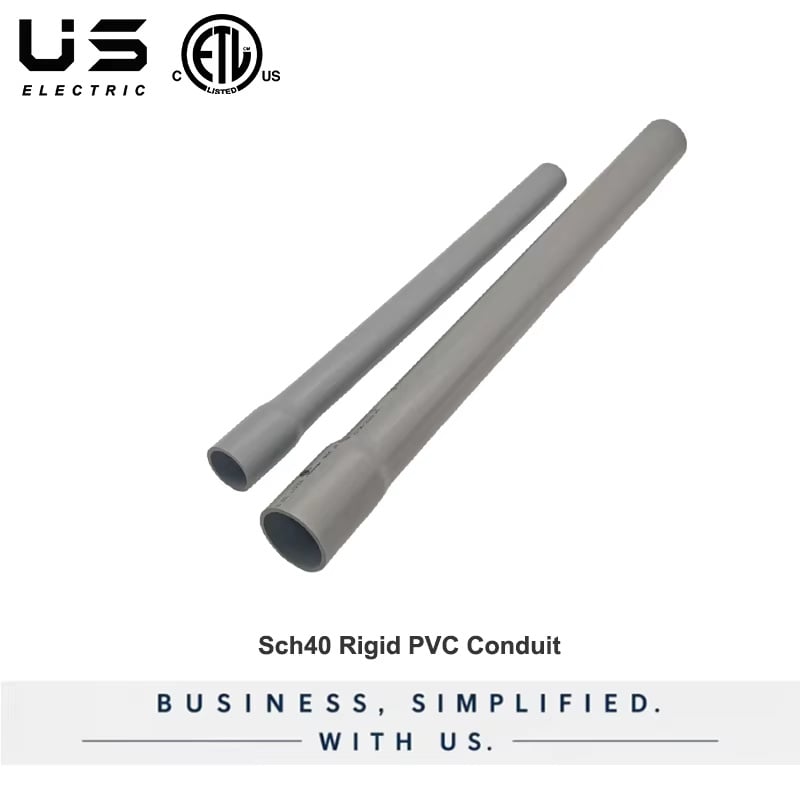
Electric PVC pipe is a versatile and essential product in electrical and construction applications, used for protecting and routing electrical wiring in various environments. As a B2B buyer, you may have concerns about sourcing high-quality materials, ensuring compliance with industry standards, and managing costs effectively. This article will guide you through key specifications to evaluate when sourcing electric PVC pipe, where to buy in bulk, quality and cost considerations, best practices, and the advantages of using electric PVC pipe materials.
When sourcing electric PVC pipe, several key specifications should be evaluated to ensure suitability for your specific applications.
Material Composition: Electric PVC pipes are typically made from polyvinyl chloride, which offers excellent durability, chemical resistance, and electrical insulation. It's crucial to verify that the material conforms to relevant industry standards such as UL/cUL and ETL/cETL, ensuring safety and reliability.
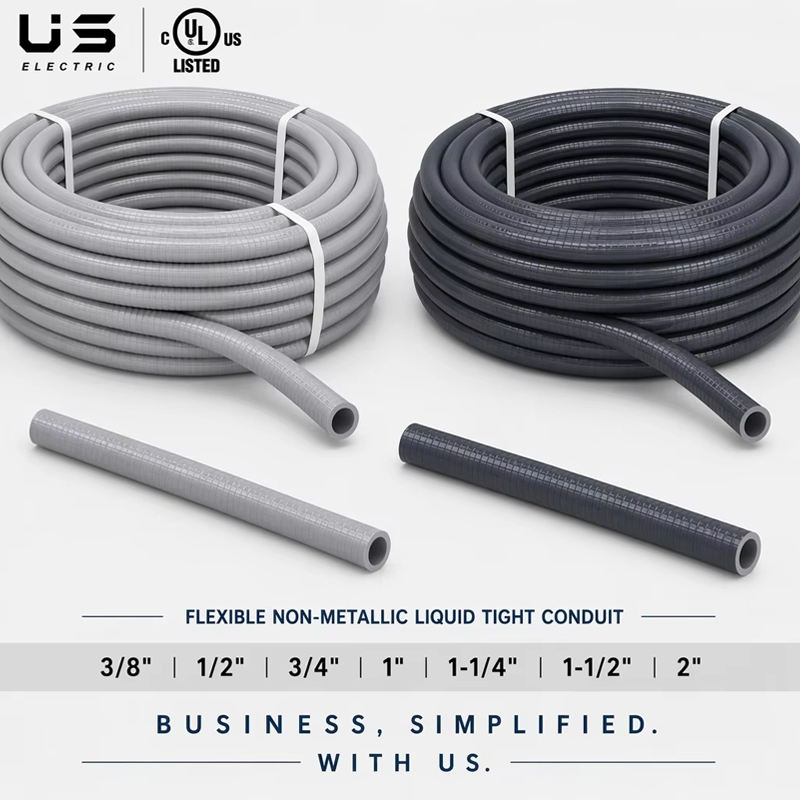
Diameter and Length: The dimensions of the pipe, including its diameter and length, must match the specific requirements of your project. Common sizes range from ½ inch to 4 inches in diameter, with lengths varying based on manufacturer offerings.
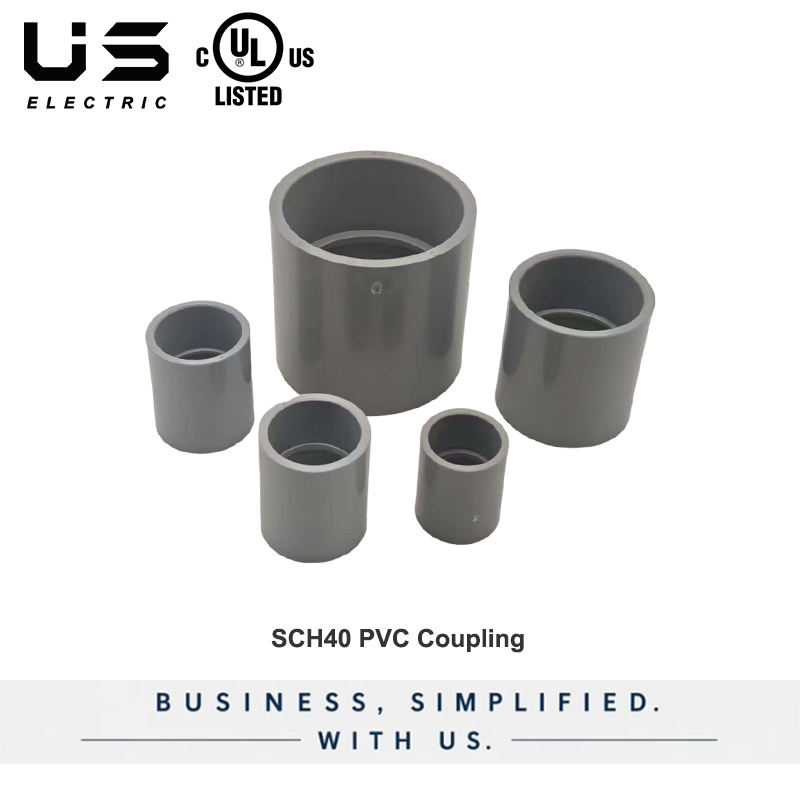
Thickness and Schedule: The thickness of the pipe wall is often classified by "schedules," such as Schedule 40 or Schedule 80, which indicate the pipe's strength and pressure rating. A thicker wall may be necessary for applications subject to higher pressures or physical stresses.
Temperature and Environmental Resistance: Electric PVC pipe should be evaluated for temperature ratings and resistance to environmental factors such as UV exposure or moisture. This is particularly important for outdoor applications or installations in humid environments.
Certification and Compliance: Ensure that the products you are considering are certified by recognized bodies, which assures adherence to safety and performance standards. Look for markings or documentation that provide evidence of compliance. For example, products like 1 Gang Adjustable Mud Rings Electrical Metal 1 Device Plaster Rings can meet these standards.
By confirming these specifications, you can ensure that the electric PVC pipe you source will meet the demands of your projects effectively.

Sourcing electric PVC pipe in bulk can streamline your purchasing process and reduce costs. Here are some avenues to consider:
Direct Manufacturers: Purchasing directly from manufacturers like Jiaxing ANT Electrical Co., Ltd. can provide significant cost advantages. Manufacturers often offer competitive pricing for bulk orders and may provide custom solutions tailored to your needs.
Wholesale Distributors: Specialized electrical supply distributors often carry a wide range of electric PVC pipe products. Establishing a relationship with a distributor can provide access to bulk pricing, expedited delivery, and additional support for your projects.
Online Marketplaces: B2B platforms such as Alibaba or ThomasNet allow buyers to connect with international suppliers. These platforms usually feature reviews and ratings, helping you assess supplier reliability before purchasing.
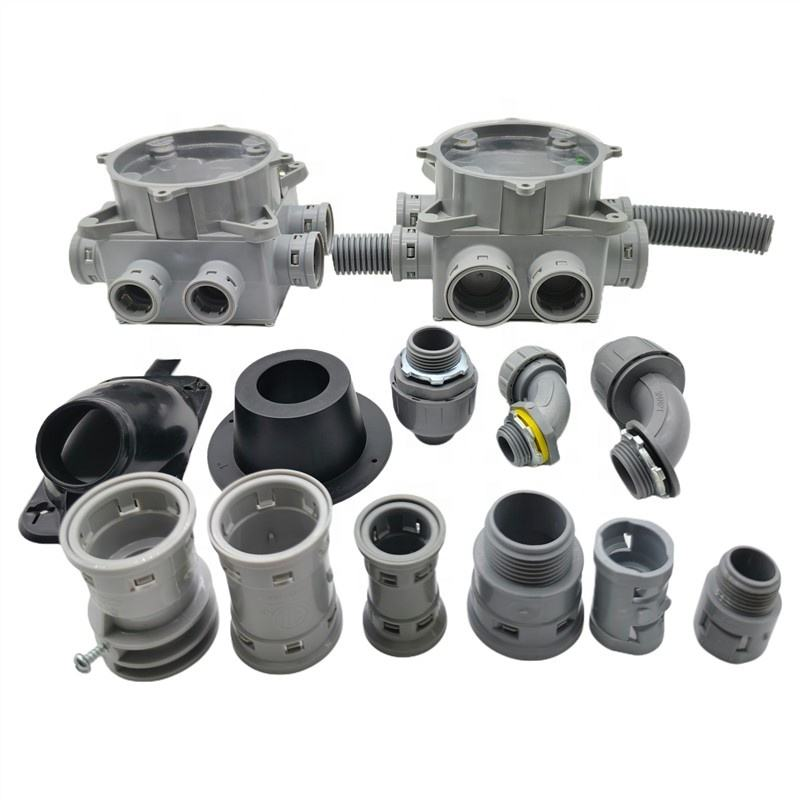
Local Electrical Supply Stores: For smaller projects or urgent needs, local suppliers may offer electric PVC pipe in bulk. While prices may vary, purchasing locally can save on shipping costs and time. Additionally, consider checking for items like US Canadian Standards Metal Junction Box that may be available nearby.
When approaching suppliers, be prepared to provide details about your project, including required quantities, specifications, and any customization needs. This will help ensure you receive accurate quotations and timely deliveries.
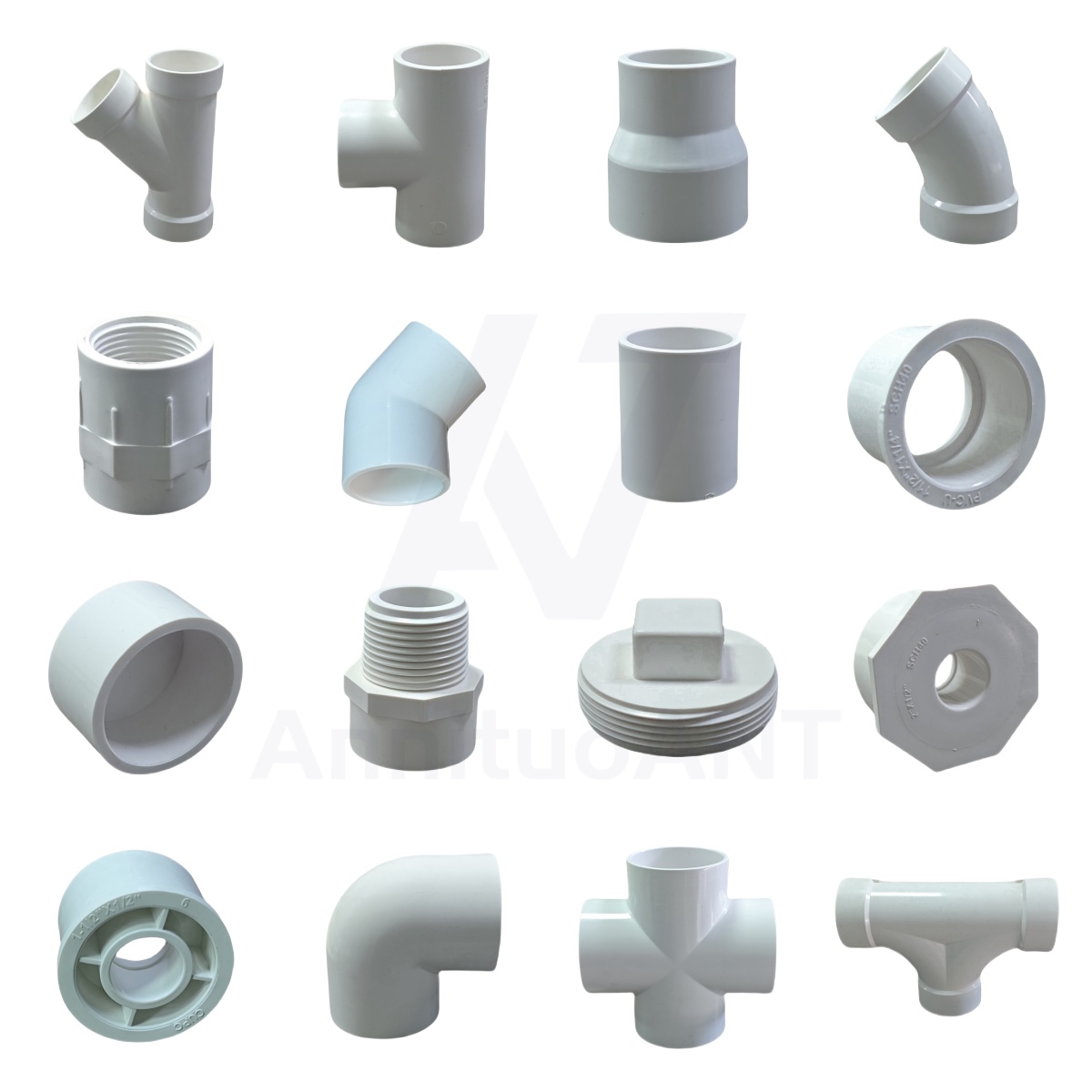
Balancing quality and cost is essential when sourcing electric PVC pipe. Here are some considerations:
Material Quality: Lower-priced products may compromise on material quality, leading to potential issues such as brittleness or inadequate insulation. Always prioritize certified products from reputable manufacturers to ensure reliability.
Volume Discounts: Many manufacturers offer tiered pricing structures, where purchasing larger quantities results in lower per-unit costs. Analyze your requirements to take advantage of these discounts.
Shipping and Handling Costs: Factor in shipping costs when evaluating prices. Bulk orders may qualify for reduced shipping rates, making it more economical to purchase larger quantities at once.
Lifecycle Costs: Consider the long-term costs associated with the installation of electric PVC pipe, including maintenance and replacement. Higher-quality products may have a higher upfront cost but can offer savings over time due to their durability and reliability.
Supplier Reputation: Research suppliers' reputations regarding quality and service. Reliable suppliers often provide warranties or guarantees, adding further assurance about the products you purchase.
By carefully weighing these factors, you can secure electric PVC pipe that meets your quality standards while staying within budget.
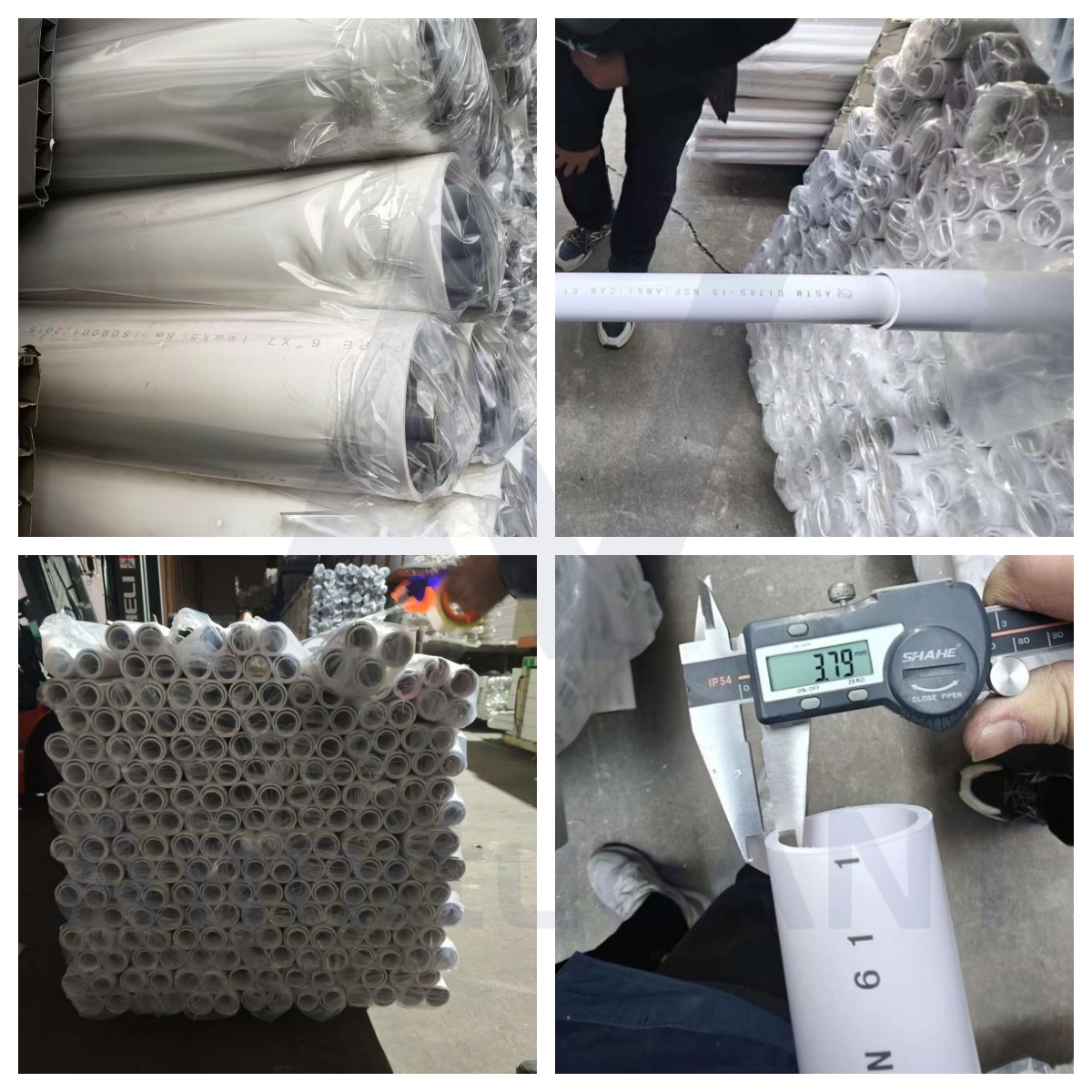
When sourcing and using electric PVC pipe, following best practices can enhance performance and longevity:
Sample Approval: Before placing a large order, request samples to assess quality, fit, and finish. Testing these samples under actual operating conditions can help confirm that the products meet your specifications.
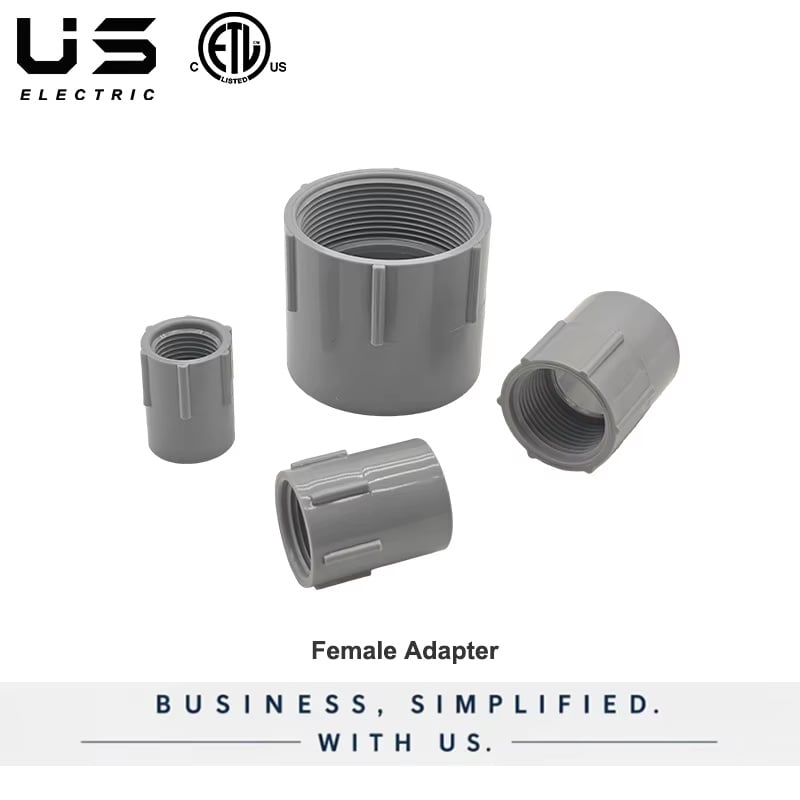
Installation Guidelines: Adhere to the manufacturer's guidelines during installation. Proper techniques, such as using appropriate fittings and ensuring secure connections, can prevent future issues.
Storage and Handling: Store electric PVC pipes in a stable environment to prevent warping or damage. Avoid exposing them to extreme temperatures or direct sunlight for extended periods prior to installation.
Periodic Inspections: Conduct regular inspections of installed electric PVC pipes to identify any signs of wear or damage. This proactive approach can mitigate potential failures and prolong the lifespan of your installations.
Documentation: Keep detailed records of your purchases, including specifications, supplier information, and installation conditions. This documentation can be invaluable for future reference or if any issues arise.
Implementing these best practices not only ensures the effective use of electric PVC pipes but also fosters a more organized and efficient approach to your projects.
Electric PVC pipe offers several advantages that make it a preferred choice in electrical applications:
Durability: PVC is resistant to corrosion, making it suitable for both indoor and outdoor applications. Its resilience against moisture and chemicals helps prolong the life of installations.
Electrical Insulation: Electric PVC pipe provides excellent electrical insulation properties, ensuring safety in wiring applications. This characteristic is critical for preventing electrical hazards.
Lightweight and Easy to Handle: Compared to metal piping, electric PVC pipe is lightweight, which simplifies transportation and installation. This can lead to reduced labor costs and faster project timelines.
Cost-Effectiveness: Generally, electric PVC pipe is more affordable than metal alternatives. The combination of lower material costs and reduced installation expenses contributes to overall savings for projects.
Customization Options: Many manufacturers offer customization capabilities, allowing buyers to specify dimensions, wall thickness, and even color. This flexibility can help meet specific project requirements.
By understanding these advantages, buyers can make informed decisions that align with their project needs and budget constraints.