
 EN
Quick Links
Choosing the right 3/4 EMT coupling is crucial for ensuring reliable electrical connections in both commercial and residential applications. As a B2B buyer, you may have concerns about material quality, compatibility, and cost-effectiveness. This article will guide you through the essential factors to consider when selecting 3/4 EMT couplings, helping you make informed purchasing decisions that meet your project's requirements.
When selecting 3/4 EMT couplings, buyers should assess several key factors: compatibility with existing systems, material durability, and installation ease.
Compatibility: Ensure that the coupling is designed for the specific EMT (Electrical Metallic Tubing) you are using. The dimensions should match the EMT conduit to avoid issues during installation.
Material: Most 3/4 EMT couplings are made from galvanized steel or aluminum. Galvanized steel offers better corrosion resistance, making it suitable for outdoor or humid environments. Aluminum, while lighter and often less expensive, may not withstand harsh conditions as effectively.
Certifications: Verify that the couplings meet industry standards such as UL/cUL or ETL/cETL. These certifications ensure that the products have undergone rigorous testing for safety and performance.
Installation: Consider the ease of installation. Some couplings come with features like set screws or quick-connect designs that simplify the process, saving time and labor costs. For instance, the 1 Gang Gangable Switch Box provides a reliable option for simplifying electrical junctions in various setups.
By evaluating these factors, you can select a coupling that will ensure reliable connections and longevity in your electrical installations.

When comparing 3/4 EMT couplings for wholesale purchasing, focus on the following criteria:
Price: Obtain quotes from multiple suppliers. Be wary of prices that seem too low, as they may indicate inferior quality. Instead, seek a balance between cost and quality.
Minimum Order Quantity (MOQ): Different manufacturers may have varying MOQs. Choose a supplier whose MOQ aligns with your needs, especially if you are testing a new project.
Supplier Reputation: Research potential suppliers. Look for manufacturers with a proven track record in producing high-quality electrical fittings. Customer reviews and industry reputation can provide insights into reliability and service.
Customization Options: If your project has specific requirements, such as unique dimensions or materials, check if the supplier offers customization services. This can ensure the couplings meet your exact specifications. For example, the US Canadian Standards Metal Junction Box might be a suitable choice for customized applications.
Lead Time: Assess the lead time for orders. Reliable suppliers should provide clear timelines for production and delivery, which is crucial for project planning.
By considering these aspects, you can make a well-informed decision when selecting a supplier for your 3/4 EMT couplings.
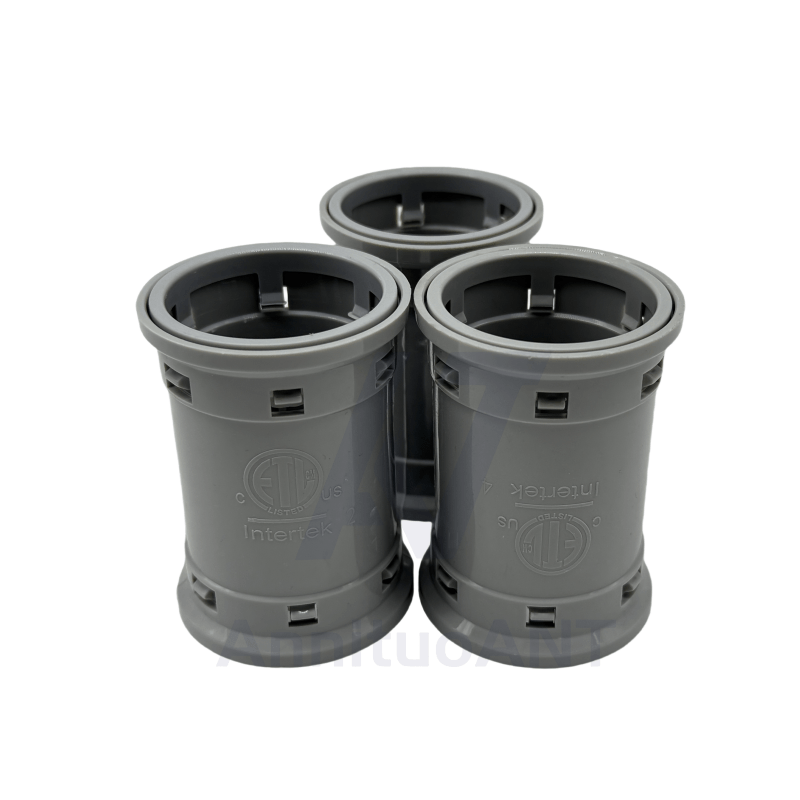
Quality control is vital in the manufacturing of 3/4 EMT couplings to ensure they meet performance standards and are free from defects. Here’s how the process typically unfolds:
Material Inspection: Before manufacturing begins, raw materials are inspected for quality and compliance with specifications. This includes checking for proper thickness, coating quality, and any signs of corrosion.
Production Monitoring: During manufacturing, processes such as bending, welding, and finishing are closely monitored. Automated systems may be used to ensure consistency and adherence to design specifications.
Final Product Testing: After production, couplings undergo rigorous testing. This may include dimensional checks, pressure tests, and corrosion resistance assessments. Only products that pass these tests are approved for sale.
Certification: Many manufacturers, like Jiaxing ANT Electrical Co., Ltd., ensure that their products are certified by recognized bodies. This adds an extra layer of assurance regarding the quality and safety of the couplings.
Understanding this process allows buyers to appreciate the importance of quality assurance and the measures manufacturers take to deliver reliable products.
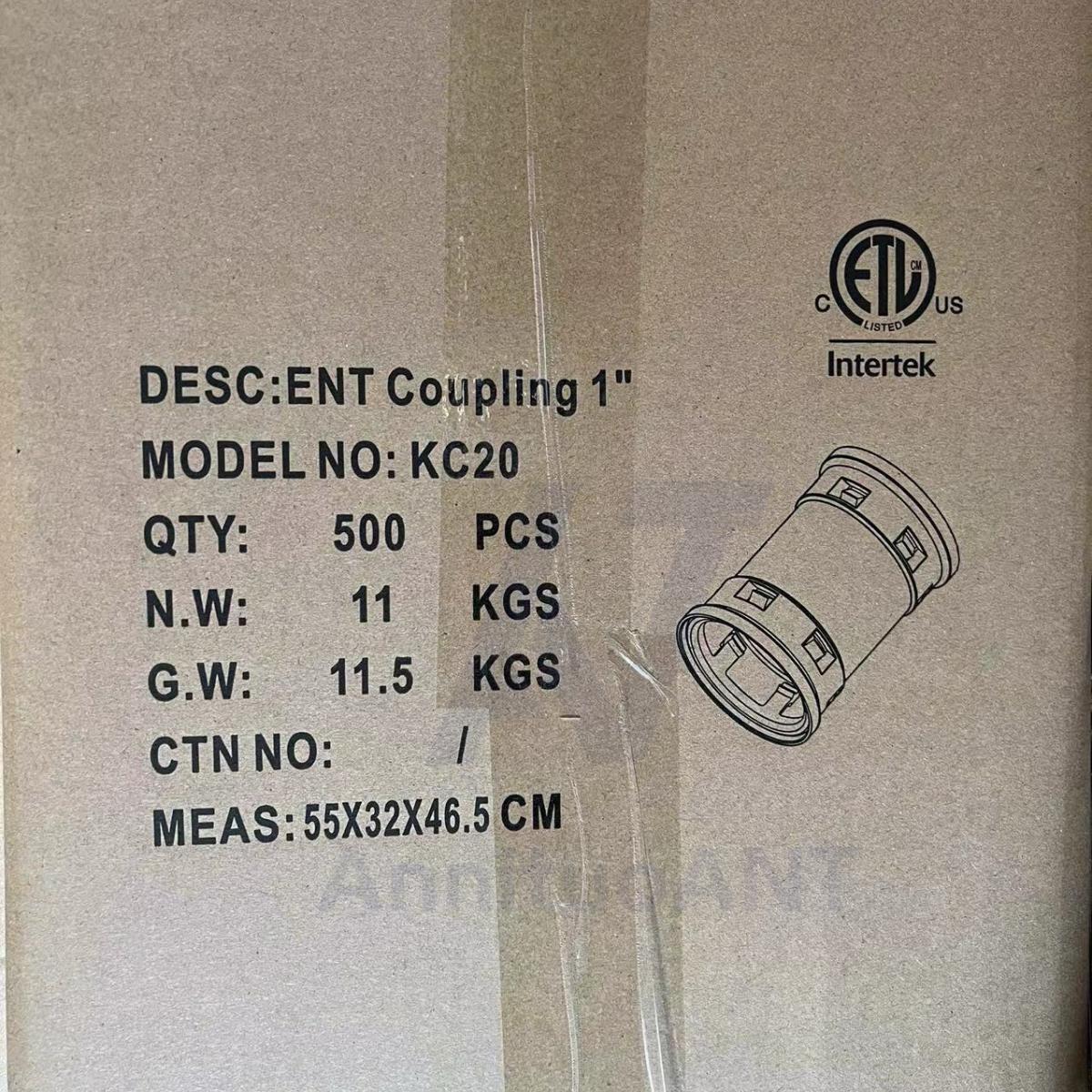
When purchasing 3/4 EMT couplings in bulk, several cost factors come into play:
Unit Price: The price per unit generally decreases with higher order quantities. However, it’s essential to evaluate the quality to avoid compromising on performance for cost savings.
Shipping Costs: Bulk orders can incur significant shipping fees. Consider logistics and the geographical proximity of the supplier to minimize transportation costs.
Custom Duties and Taxes: If importing, be aware of any applicable customs duties and taxes that may affect the overall cost. This is particularly relevant for international orders.
Payment Terms: Different suppliers may offer various payment options. Some may require deposits while others allow payment upon delivery. Understanding these terms can help manage cash flow effectively.
Warranty and Support: Factor in any warranty or support services offered by the manufacturer. A longer warranty period may indicate confidence in product quality and can save costs related to replacement or repairs.
By evaluating these factors, buyers can better manage their budgets when ordering 3/4 EMT couplings in bulk.
The material choice for 3/4 EMT couplings significantly impacts their durability and performance. Here are some common materials and their advantages:
Galvanized Steel: This is the most commonly used material for EMT couplings. The galvanization process protects the steel from rust and corrosion, making it ideal for outdoor and industrial applications. Its strength allows it to withstand mechanical stress, ensuring longevity.
Aluminum: Lightweight and resistant to corrosion, aluminum couplings can be easier to handle and install. They are suitable for applications where weight is a concern, though they may not provide the same level of protection as galvanized steel in harsh environments.
Stainless Steel: For applications requiring maximum corrosion resistance, stainless steel couplings are the best choice. They are particularly beneficial in environments exposed to chemicals or high moisture levels.
Plastic Options: While less common, non-metallic options may exist for specific installations. These can provide resistance to corrosion and are often lighter, but they may not offer the same mechanical strength as metal couplings.
Choosing the right material for 3/4 EMT couplings based on the intended application ensures optimal performance and durability, aligning with the specific needs of your projects.
