EN
Quick Links
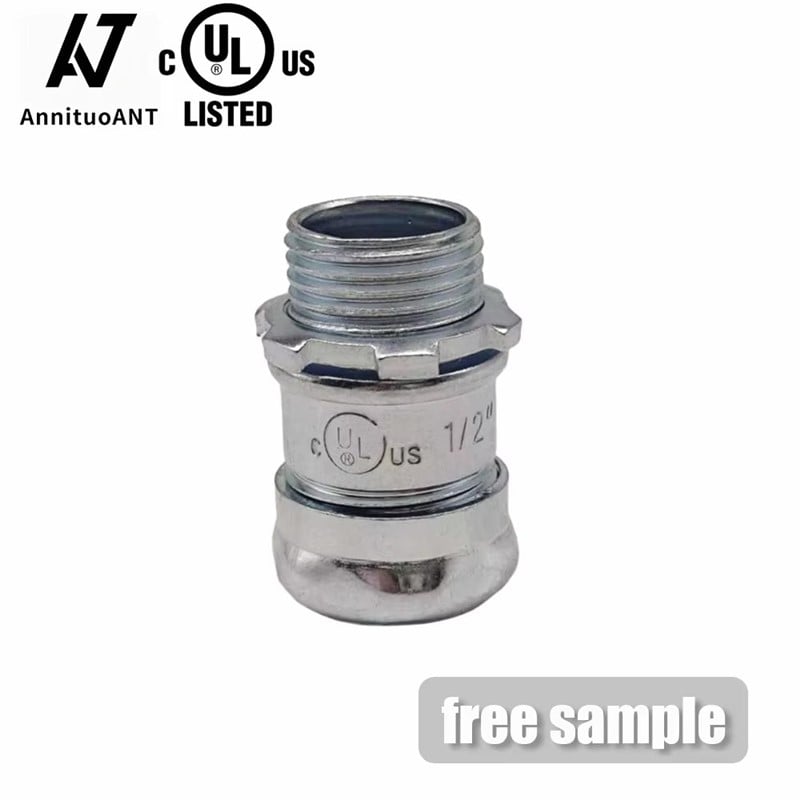
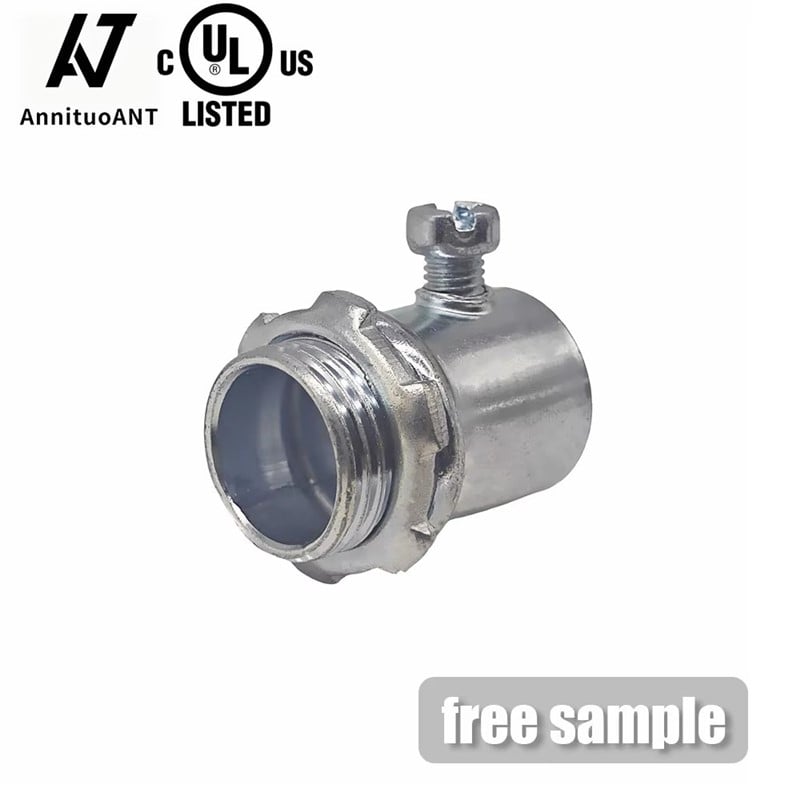
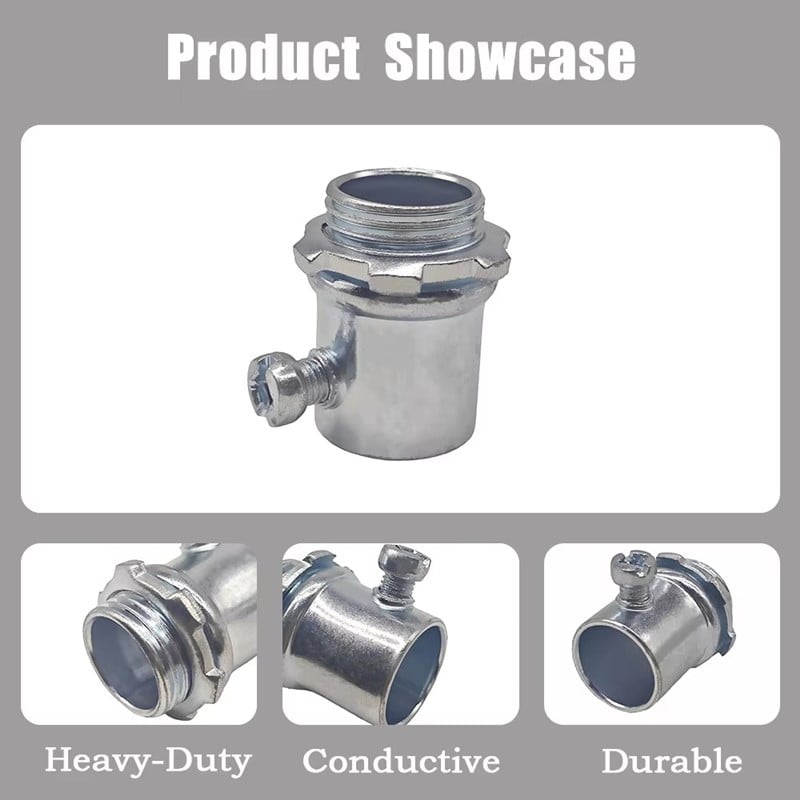
EMT conduit connectors are essential components in electrical installations, designed to securely connect EMT (Electrical Metallic Tubing) conduits. As a B2B buyer, your primary concerns may include the specifications, quality, and suitability of these connectors for your specific applications. This article will guide you through critical factors to consider when sourcing EMT conduit connectors, helping you make informed purchasing decisions.
When selecting EMT conduit connectors, several key specifications must be evaluated to ensure compatibility and performance:
Material Composition: EMT conduit connectors are typically made from metallic materials such as zinc-plated steel or aluminum. The choice of material impacts durability, corrosion resistance, and suitability for different environments. For instance, aluminum connectors are lighter and resistant to corrosion, making them ideal for outdoor applications, while steel connectors offer strength and rigidity.
Size and Dimensions: Ensure that the dimensions of the connectors match the EMT conduit you are using. Standard sizes include 1/2 inch, 3/4 inch, and 1 inch. Mismatched sizes can lead to improper fittings, which may compromise the integrity of the installation.
Thread Type: Check if the connectors feature standard threads (NPT) for compatibility with other fittings and hardware. A reliable threading ensures a secure connection, preventing leaks and disconnections.
Certifications: Look for products certified by UL/cUL and ETL/cETL standards. These certifications indicate that the connectors meet safety and performance criteria, which is crucial for compliance in commercial and residential applications.
Installation Method: Evaluate whether the connectors are designed for quick installation methods, such as set screws or compression fittings, depending on your project requirements. Additionally, using a 1 Gang Gangable Switch Box can enhance the efficiency of your setup.
By considering these specifications, you can ensure that the EMT conduit connectors you choose will perform adequately within your installations.
Finding reliable suppliers for EMT conduit connectors is critical for ensuring quality and timely delivery. Here are several avenues to explore:
Industry Trade Shows: Attending electrical and construction trade shows can provide direct access to manufacturers and suppliers. This allows you to inspect products firsthand, discuss specifications, and build relationships with potential suppliers.
Online Marketplaces: Platforms like Alibaba, Global Sources, and ThomasNet can help you find various manufacturers, including Jiaxing ANT Electrical Co., Ltd., known for producing a range of electrical equipment. Make sure to check for supplier ratings and reviews.
Industry Associations: Engaging with electrical industry associations can lead to recommendations for reputable suppliers. These associations often have directories of certified manufacturers.
Local Distributors: Consider reaching out to local electrical supply distributors who may carry EMT conduit connectors. Local suppliers can often provide faster shipping and personalized service, similar to how a metal junction box can be a reliable choice for outdoor installations.
Direct Manufacturer Contact: Establishing direct contact with manufacturers like Jiaxing ANT Electrical Co., Ltd. can yield advantages such as customized solutions, competitive pricing, and direct access to product expertise.
By leveraging these resources, you can identify trustworthy suppliers that meet your quality and logistical needs.
When purchasing EMT conduit connectors in bulk, several cost factors should be taken into account:
Unit Price: The cost per connector typically decreases with larger order quantities. Request quotes from multiple suppliers to compare pricing and find the best deal.
Shipping Costs: Factor in shipping costs when determining the total price. Bulk orders may qualify for reduced shipping rates, but it's essential to confirm these details with the supplier.
Custom Duties and Taxes: If importing connectors from overseas, be aware of any customs duties or taxes that may apply, which could impact the overall cost.
Minimum Order Quantity (MOQ): Some suppliers have a minimum order quantity, which can affect your purchasing decision. Ensure that the MOQ aligns with your project requirements and budget.
Payment Terms: Look into the payment terms offered by the supplier. Some may offer discounts for early payment or flexible payment plans, which can help manage cash flow.
By considering these factors, you can optimize your purchasing strategy and potentially reduce overall costs.
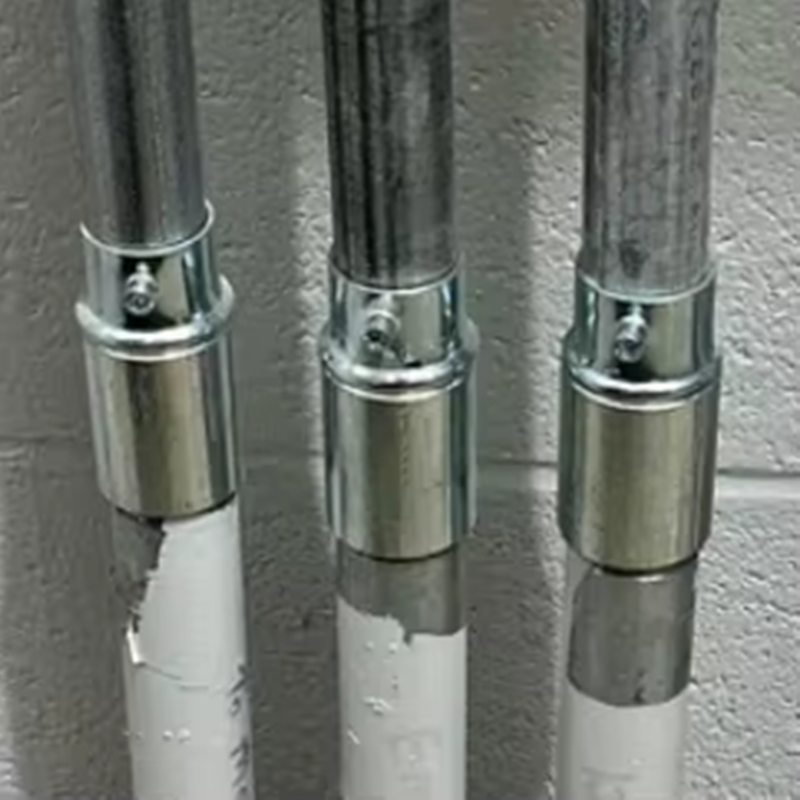
While installing EMT conduit connectors, various common issues may arise. Here are some of these challenges and their solutions:
Misalignment: Misalignment between the conduit and connector can lead to connection failures. To avoid this, ensure that all components are properly aligned before tightening the fittings. Pre-drilling holes for mounting can aid in achieving better alignment.
Corrosion: In environments with high humidity or exposure to chemicals, connectors may corrode over time. Use connectors with protective coatings or choose materials like aluminum that are naturally resistant to corrosion.
Over-tightening: Applying too much torque during installation can damage the connector or conduit threads. Use a torque wrench to ensure that you adhere to manufacturer-recommended torque specifications.
Incompatibility: Using connectors that do not match the conduit size or threading can create installation challenges. Always verify compatibility before installation.
Insufficient Grounding: Proper grounding is crucial for safety. Ensure that connectors are installed correctly to maintain electrical continuity and grounding effectiveness.
By anticipating these common issues and implementing preventive measures, you can streamline the installation process and enhance overall system reliability.
Quality standards are critical in ensuring the performance and safety of EMT conduit connectors. Here are key standards to understand:
UL/cUL Certification: Underwriters Laboratories (UL) and Canadian Standards Association (cUL) certifications indicate that the connectors have been tested for safety and performance. These certifications are essential for compliance in many electrical installations.
ETL/cETL Mark: The ETL mark signifies that the product has been tested by Intertek and meets applicable safety standards. The cETL mark applies to products intended for use in Canada.
ASTM Standards: Many EMT conduit connectors are manufactured according to ASTM (American Society for Testing and Materials) standards, which define material properties and performance testing.
ISO Certification: Manufacturers may also hold ISO certifications, indicating adherence to international quality management standards. This ensures consistent quality and reliability in production processes.
Quality Control Processes: Reliable manufacturers implement stringent quality control processes throughout production, including raw material inspections, in-process testing, and final product evaluations. Ask suppliers about their quality assurance procedures to ensure compliance with these standards.
By understanding these quality standards, you can make informed decisions when selecting EMT conduit connectors, ensuring that they meet the necessary safety and performance requirements for your projects.