EN
Quick Links
3/4 EMT connectors are essential components in electrical installations, providing reliable connections in conduit systems. For B2B buyers—such as purchasing managers, distributors, and engineers—understanding the specifications, installation guidelines, and potential issues of these connectors is crucial for ensuring optimal performance and compliance with industry standards. This article will delve into the top specifications, installation procedures, common problems, key features, and material advantages of 3/4 EMT connectors, helping you make informed purchasing decisions.
When sourcing 3/4 EMT connectors, several specifications should be considered to ensure compatibility with your electrical systems. Key specifications include:
Material: Most EMT connectors are made from either aluminum or steel. Aluminum connectors are lighter and corrosion-resistant, making them suitable for outdoor applications, while steel connectors offer superior strength and durability, ideal for heavy-duty installations.
Size and Dimensions: The standard size for EMT connectors is 3/4 inch, but it's crucial to verify the dimensions against your conduits to ensure a secure fit. Proper sizing prevents issues during installation and maintains the integrity of the electrical system.
Certification: Look for connectors that comply with UL, cUL, ETL, or cETL standards, ensuring they meet safety and performance requirements. Certified products provide peace of mind regarding quality and reliability.
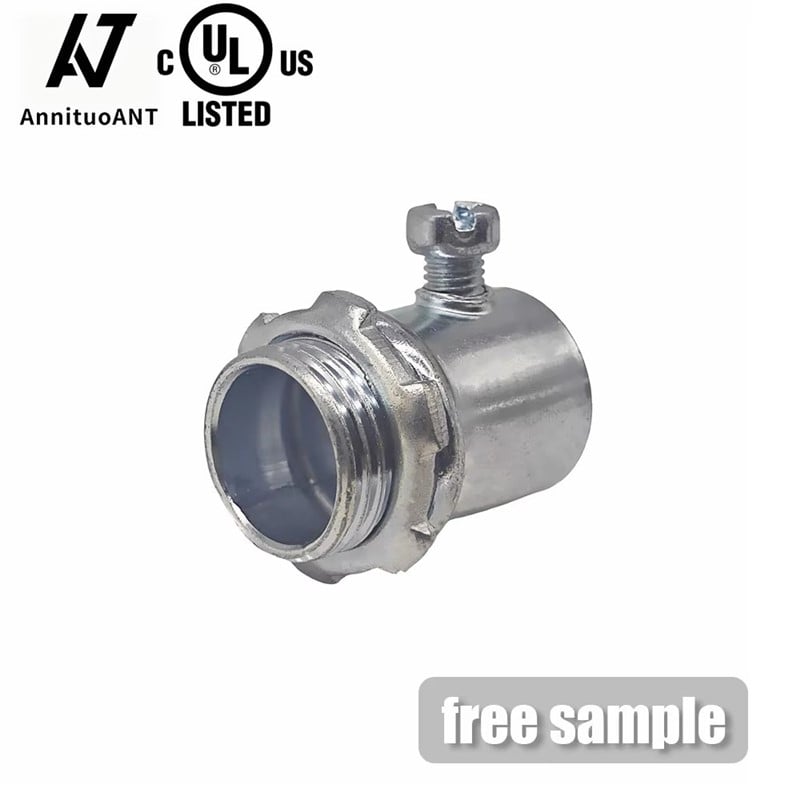
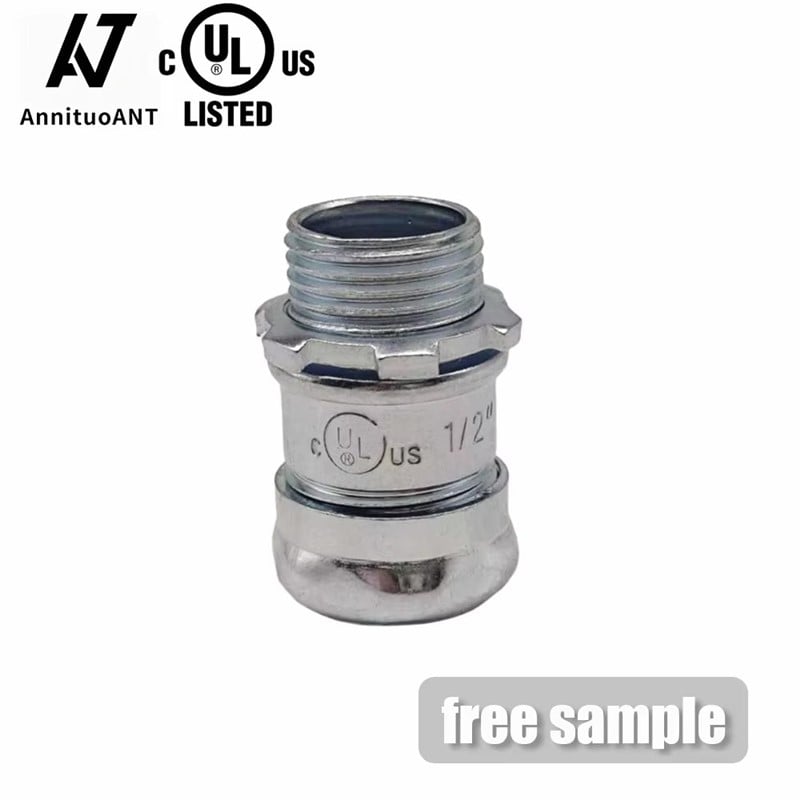
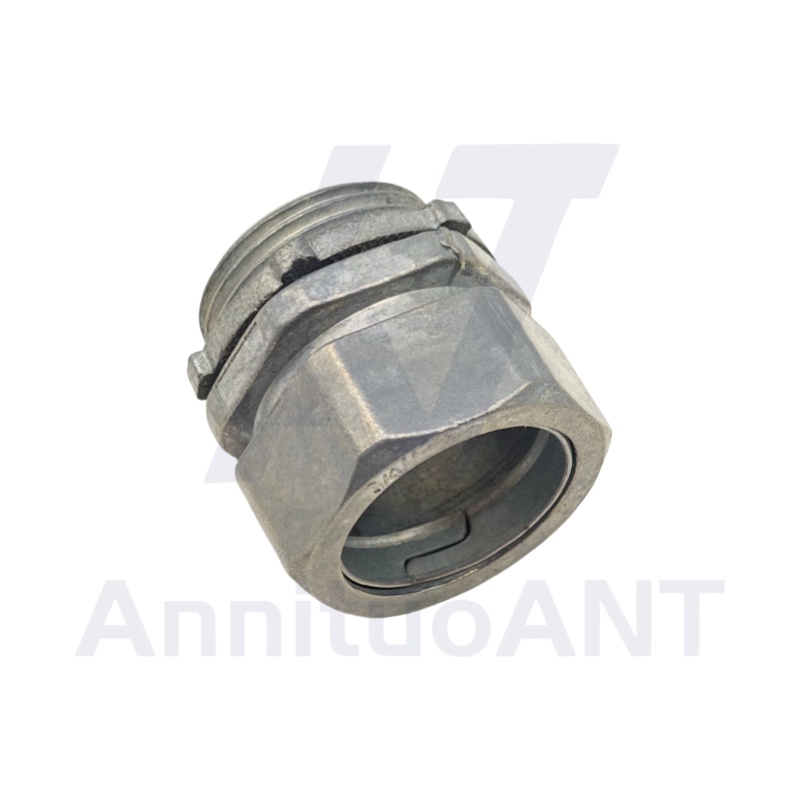
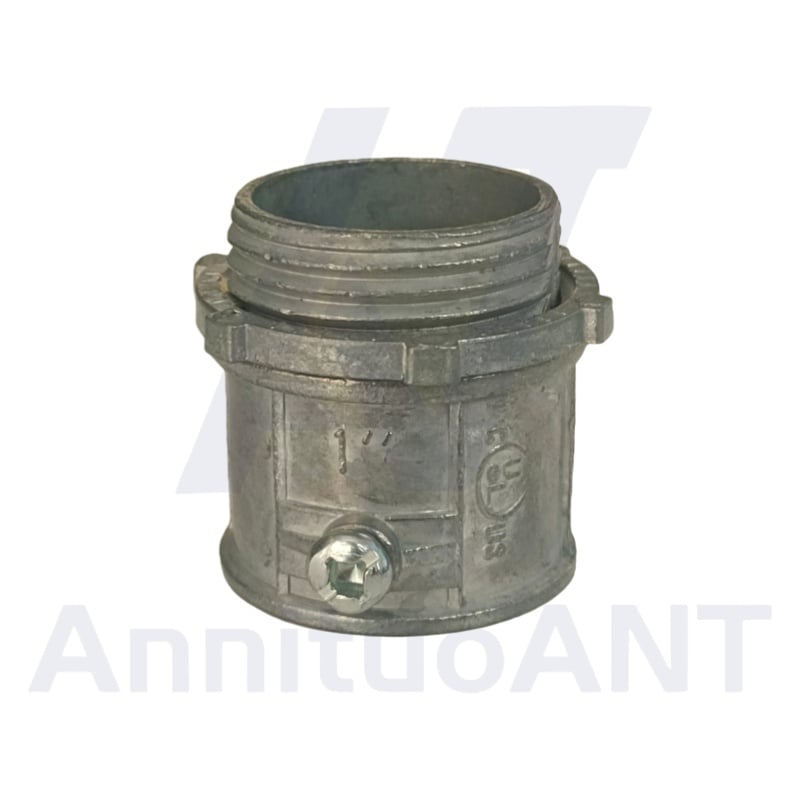
Installation Type: EMT connectors are available in various installation types, including set screw and compression connectors. Understanding the installation method is essential for ensuring compatibility with your conduit system. Moreover, you may also explore Others for additional installation components.
Load Ratings: Depending on the application, consider the load ratings to ensure that the connectors can handle the expected electrical load without failure.
By paying attention to these specifications, buyers can ensure they select connectors that meet their operational needs and regulatory requirements.
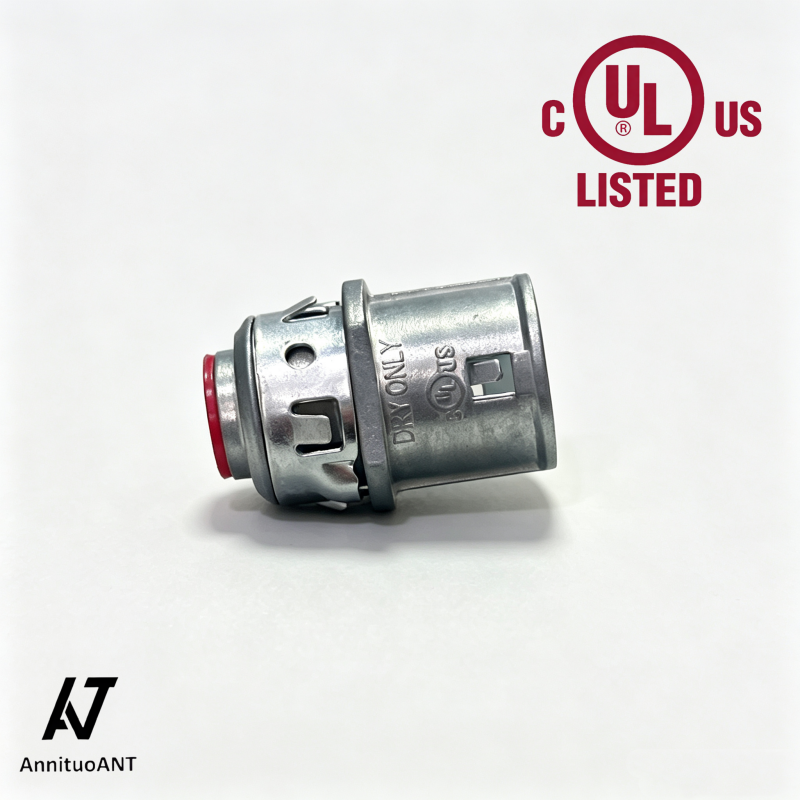
Installing 3/4 EMT connectors requires careful attention to detail to ensure safety and performance. Here are some guidelines for proper installation:
Preparation: Before installation, ensure that all surfaces are clean and free from debris. Inspect the conduit ends and connectors for any damage that could affect the connection.
Cutting and Deburring: When cutting EMT conduits, use the proper tools to achieve a clean cut. After cutting, deburr the edges to prevent damage to the connectors and ensure a snug fit.
Connector Installation:
For set screw connectors, slide the connector onto the conduit and tighten the set screw using an appropriate tool. Ensure that the screw is tight enough to secure the connection without damaging the conduit. For compression connectors, insert the conduit into the connector and secure it by tightening the compression nut. This type typically provides a watertight seal, making it ideal for damp environments.Grounding: Ensure that grounding connections are made when required, following local electrical codes. This is critical for safety and compliance.
Inspection: After installation, conduct a thorough inspection to confirm that all connections are secure and that there are no visible gaps or misalignments.
Following these installation guidelines ensures that the connectors perform optimally and contribute to the overall safety of the electrical system.

While 3/4 EMT connectors are generally reliable, certain problems can arise during installation and usage. Here are common issues and their solutions:
Loose Connections: If connectors are not secured properly, they can become loose over time, leading to electrical failures.
Solution: Use appropriate tools to tighten connectors adequately during installation. Regularly inspect connections to ensure they remain secure.Corrosion: Connectors can corrode if not made from corrosion-resistant materials, especially in outdoor or humid environments.
Solution: Select connectors made from aluminum or galvanized steel. Additionally, consider applying protective coatings to enhance durability. You can also look into Nonmetallic Liquid-tight Conduit & fittings for alternatives that provide additional protection against corrosion.Compatibility Issues: Using connectors that do not match the conduit size or type can cause installation problems.
Solution: Always verify the specifications of both the conduits and connectors before purchasing.Grounding Problems: Inadequate grounding can lead to safety hazards.
Solution: Implement proper grounding procedures during installation to ensure all connections comply with local codes.By being aware of these issues and their solutions, buyers can reduce the likelihood of installation problems and maintain a safe electrical system.
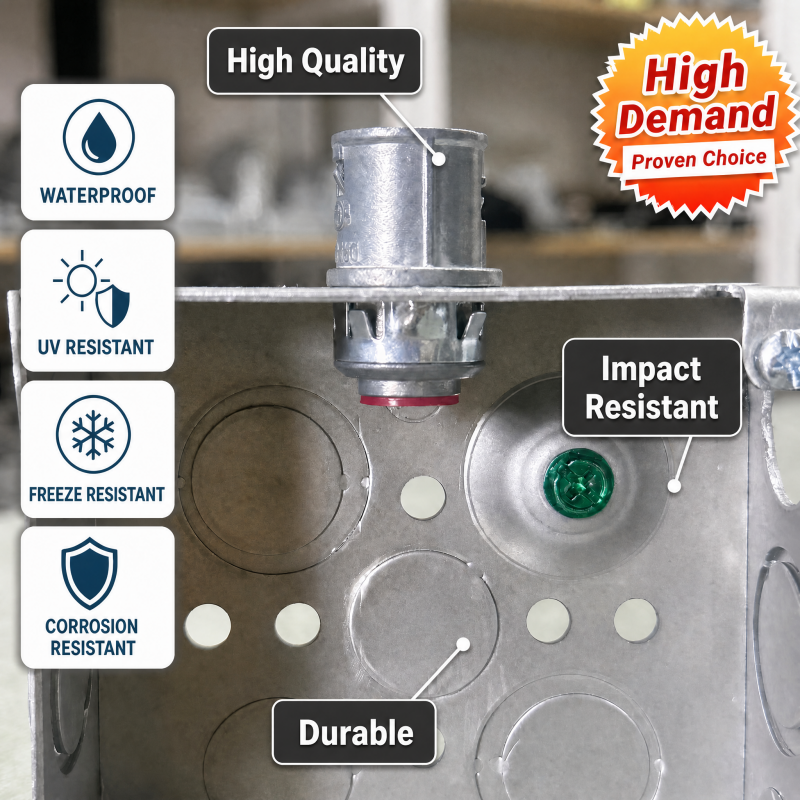
When evaluating 3/4 EMT connectors, consider the following key features and benefits:
Durability: High-quality connectors are designed to withstand environmental stressors, ensuring longevity. Buyers should look for connectors that can handle temperature fluctuations and physical impacts.
Ease of Installation: Connectors that are straightforward to install can save time and reduce labor costs. Features like built-in grounding and easy-to-use fasteners simplify the installation process.
Versatility: Some connectors offer compatibility with various conduit materials and types, providing flexibility for different applications. This versatility is critical for projects with diverse requirements.
Safety Features: Look for connectors that include safety features such as strain relief and watertight seals. These features enhance safety and improve system reliability.
Cost-Effectiveness: While it may be tempting to choose the cheapest option, consider the total cost of ownership, including maintenance and replacement. Investing in quality connectors can lead to lower long-term costs.
Evaluating these features helps buyers select connectors that align with their project needs and budget constraints.
The materials used to manufacture 3/4 EMT connectors significantly impact their performance and application suitability. Here are some material advantages to consider:
Aluminum Connectors:
Lightweight: Aluminum connectors are lighter than their steel counterparts, making handling and installation easier.Corrosion Resistance: Aluminum naturally resists corrosion, which is advantageous for outdoor or humid applications.Cost-Effective: Generally, aluminum connectors are more affordable, offering a budget-friendly option for projects.Steel Connectors:
High Strength: Steel connectors provide superior strength, making them ideal for heavy-duty applications or environments with high physical stress.Durability: They are less prone to deformation, ensuring long-term reliability in demanding conditions.Versatility in Coatings: Steel connectors can be coated with various materials to enhance corrosion resistance, allowing for customization based on application needs.Hybrid Options: Some manufacturers offer connectors that combine materials, leveraging the benefits of both aluminum and steel. This combination can optimize performance in specific applications.
By understanding the material advantages of 3/4 EMT connectors, buyers can make informed choices that align with their particular requirements, ensuring optimal performance and longevity in their electrical installations.