EN
Quick Links
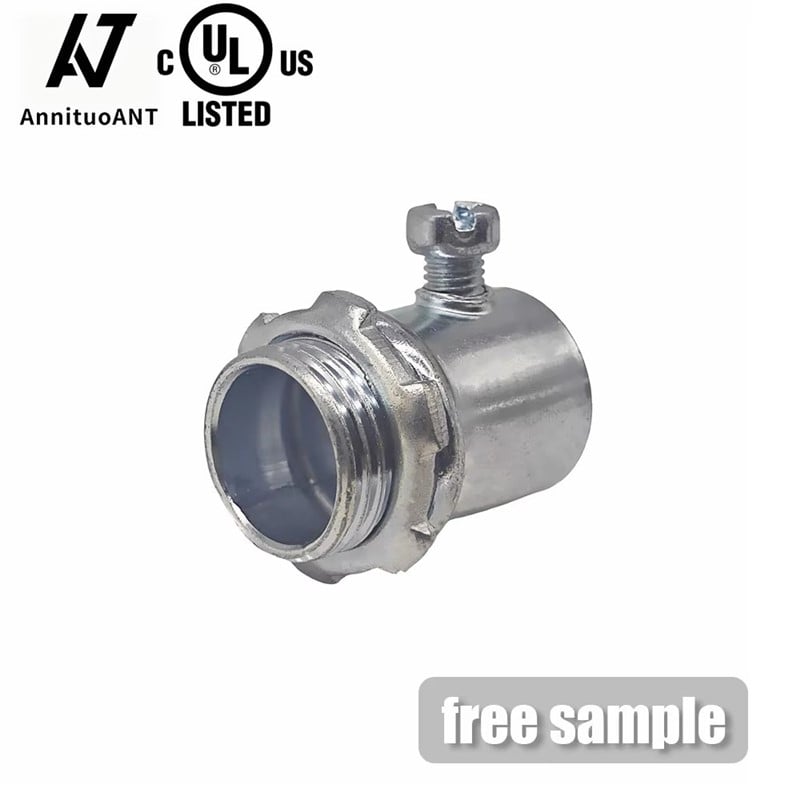
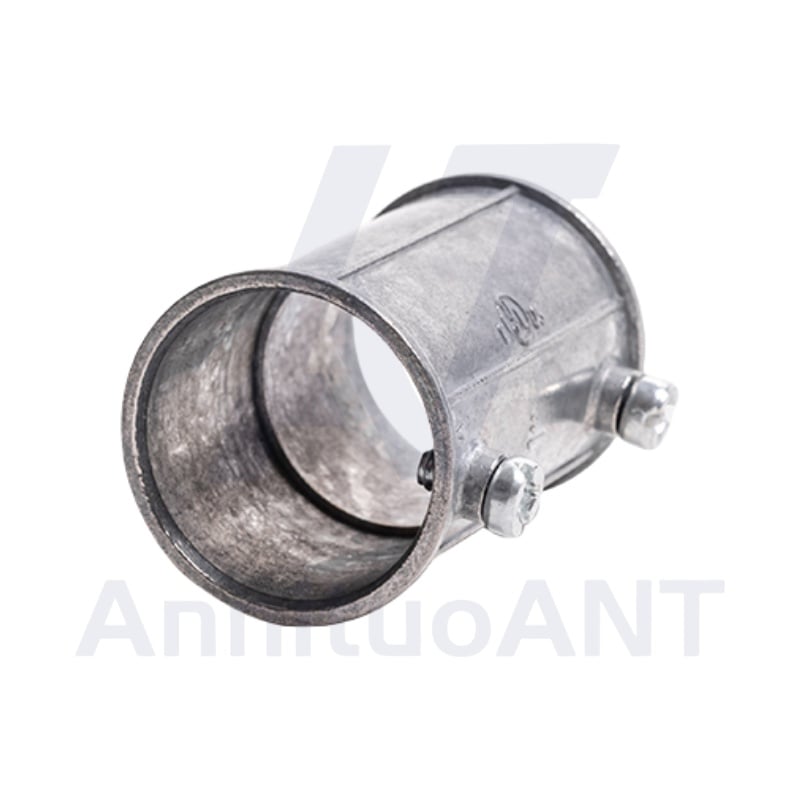
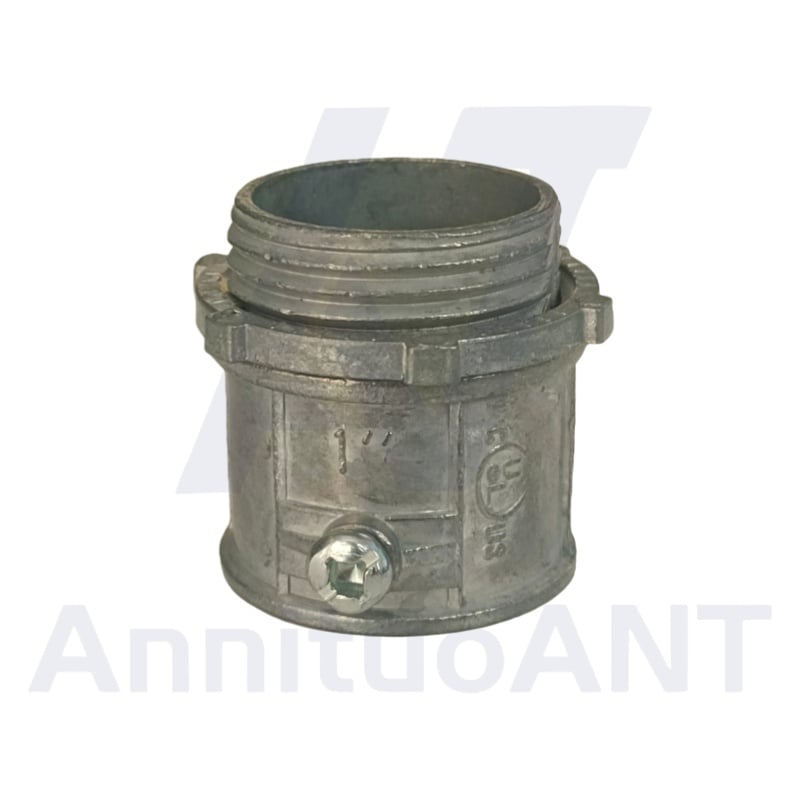
EMT couplings are essential components in electrical systems, designed to join EMT (Electrical Metallic Tubing) conduits securely. As a B2B buyer, you need to consider various factors, including material selection, installation methods, and quality assurance protocols. This article will guide you through the critical aspects of choosing and sourcing EMT couplings, ensuring you make informed decisions for your projects.
When selecting EMT couplings, it’s crucial to assess the specific requirements of your electrical installations. Key considerations include:
Material Compatibility: EMT couplings are typically made from metallic materials such as steel or aluminum. Steel couplings are robust and provide excellent grounding capabilities, while aluminum couplings are lightweight and resistant to corrosion. Choose a material that aligns with your project’s environmental conditions and performance expectations.
Dimensions and Threading: Ensure that the coupling dimensions match the EMT conduit size you are using. Common sizes include ½ inch, ¾ inch, and 1 inch. Verify that the threading—if applicable—meets the necessary standards to ensure a secure fit.
Certification Standards: Look for couplings that comply with UL/cUL and ETL/cETL certifications. These certifications indicate that the product meets industry safety and performance standards, providing confidence in its reliability.
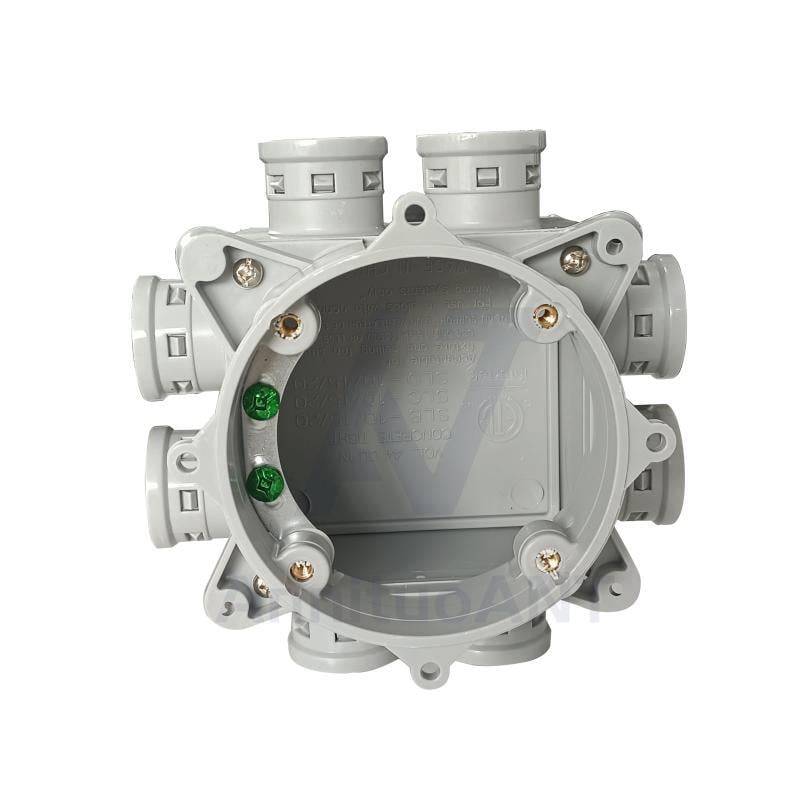
Installation Environment: Consider where the EMT couplings will be installed. For outdoor or humid environments, corrosion-resistant options are advisable, such as US Canadian Standards Metal Junction Box. Additionally, if the installation will be exposed to extreme temperatures, ensure that the selected couplings can withstand these conditions.
By carefully evaluating these factors, you can select the most suitable EMT couplings for your specific applications.
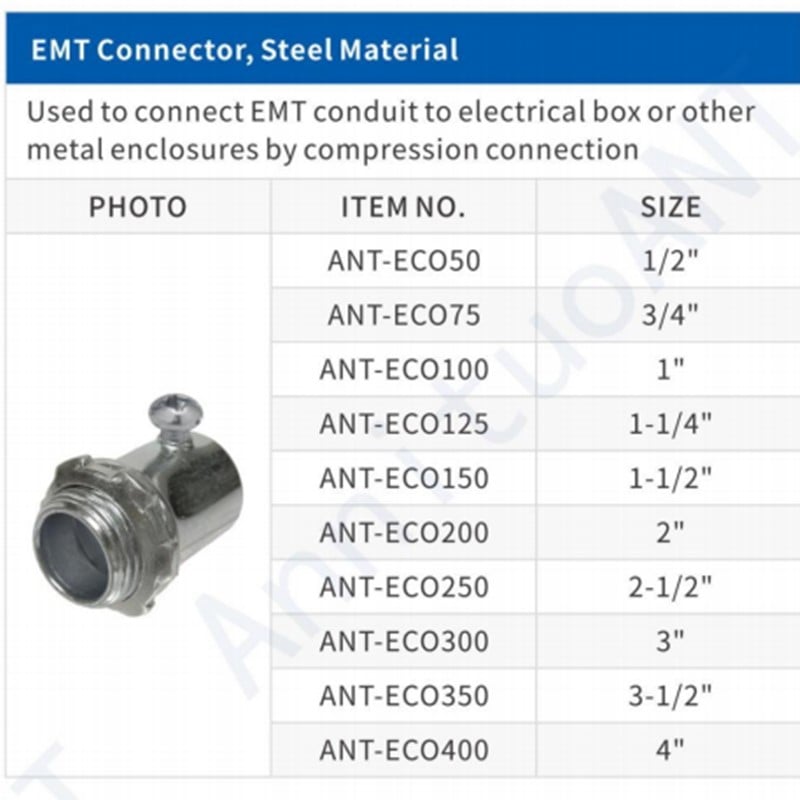
When sourcing EMT couplings in bulk, it’s essential to identify reliable suppliers who can meet your quality and delivery requirements. Here are some sourcing strategies:
Direct Manufacturers: Partnering with manufacturers, like Jiaxing ANT Electrical Co., Ltd., ensures you receive high-quality products at competitive prices. Manufacturers can often provide better customization options and insights into production capabilities.
Distributors: Established electrical supply distributors may carry a range of EMT couplings from multiple manufacturers. They can offer valuable insights into product performance and availability, making the purchasing process more efficient.
OEM/ODM Services: If your projects require unique specifications or branding, consider suppliers that offer OEM (Original Equipment Manufacturer) or ODM (Original Design Manufacturer) services. This allows you to customize the couplings according to your specific needs.
Online Marketplaces: Platforms like Alibaba and ThomasNet can connect you with manufacturers and wholesalers. However, it is vital to vet these suppliers thoroughly by checking reviews and requesting samples before placing large orders. Additionally, consider sourcing from platforms that feature components like 1 Gang Adjustable Mud Rings to ensure a comprehensive selection.
By exploring these sourcing options, you can effectively procure high-quality EMT couplings that meet your project demands.
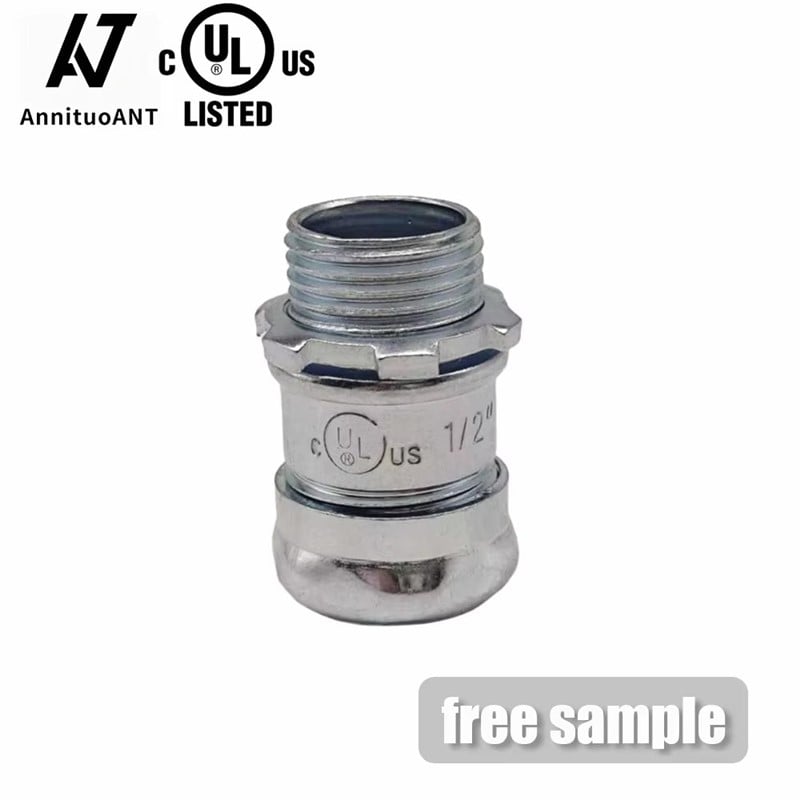
Proper installation of EMT couplings is vital for ensuring the integrity and safety of electrical systems. Here are key installation tips:
Preparation: Before installation, ensure that the conduit ends are cut cleanly and are free from burrs or sharp edges. This helps achieve a secure connection and prevents damage during installation.
Secure the Coupling: When connecting EMT conduits, slide the coupling onto one conduit end and then insert the other conduit into the coupling. Ensure that the conduit is pushed fully into the coupling to prevent any gaps.
Tightening: If the coupling has set screws, tighten them using the appropriate tools. Avoid over-tightening, which can damage the conduit or coupling. If using threaded couplings, ensure that they are tightened securely to prevent any loosening over time.
Inspection: After installation, conduct a thorough inspection to ensure all connections are secure and that there are no visible gaps. Regular inspections can help identify potential issues before they lead to more significant problems.
By following these installation tips, you can enhance the reliability and safety of your electrical systems.
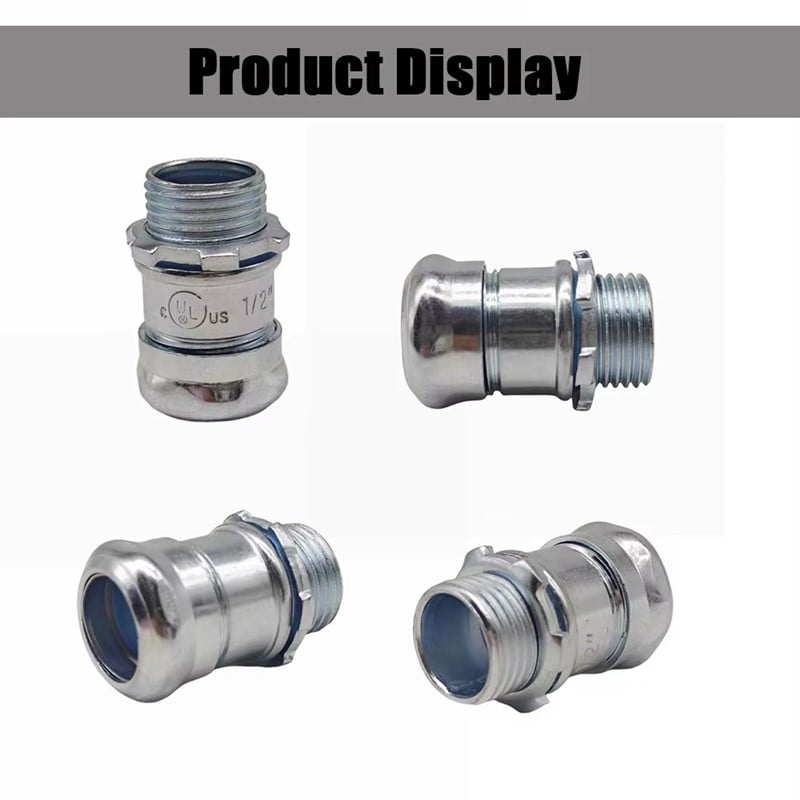
Purchasing EMT couplings in bulk involves several cost factors that can affect your overall budget. Here are some key considerations:
Material Costs: The choice of material significantly impacts the price. Steel couplings generally cost less than aluminum options, but if corrosion resistance is essential, investing in aluminum may prove more economical in the long run.
Quantity Discounts: Many suppliers offer tiered pricing based on order quantity. Buying in larger volumes can lead to substantial savings, so it’s wise to assess your project needs and negotiate terms accordingly.
Shipping Costs: Factor in shipping expenses when budgeting for EMT couplings. Bulk orders may qualify for reduced shipping rates, but ensure you understand the delivery terms and potential delays.
Customization Fees: If you require customized couplings, such as specific threading or sizes, inquire about additional costs. Customization can enhance functionality but may also increase unit prices.
By considering these cost factors, you can better manage your budget and make informed purchasing decisions.
The material used in EMT couplings plays a crucial role in their performance and suitability for various applications. Here’s an overview of the advantages of common materials:
Steel: Steel EMT couplings are known for their strength and durability. They provide excellent conductivity, making them suitable for grounding applications. Additionally, they are often more cost-effective compared to alternative materials. However, they can be prone to rust if not properly coated or used in humid environments.
Aluminum: Aluminum couplings are lightweight and inherently resistant to corrosion, making them ideal for outdoor or high-moisture installations. Their lightweight nature simplifies installation, especially in large projects. However, while they are more expensive than steel, their longevity may offset the initial cost.
Plastic (Non-Metallic): Non-metallic couplings offer corrosion resistance and are often used in applications where grounding is not a concern. They are lighter and easier to handle but may not provide the same mechanical strength as their metallic counterparts.
Understanding the material advantages allows you to select the right EMT couplings based on your project’s specific requirements and environmental conditions. By aligning your choices with the demands of your application, you can ensure optimal performance and longevity of your electrical systems.