EN
Quick Links
When it comes to electrical installations, EMT conduit and fittings play a crucial role in ensuring secure and efficient wiring systems. As a manufacturer with 14 years of experience, Jiaxing ANT Electrical Co., Ltd. specializes in producing high-quality EMT conduit and fittings. This article will address key buyer concerns such as product selection, quality evaluation, sourcing options, and common issues related to EMT conduit and fittings, helping you make informed purchasing decisions.
Selecting the right EMT conduit and fittings is essential for the success of your electrical projects. Here are several factors to keep in mind:
Material: EMT conduit is typically made of galvanized steel, which offers durability and resistance to corrosion. Make sure to choose fittings that match the material of your conduit for optimal performance and longevity.
Diameter and Length: EMT conduit comes in various diameters (e.g., 1/2 inch, 3/4 inch, 1 inch) and lengths. Selecting the appropriate size is critical for the installation’s compatibility with electrical wires and for meeting local building codes.
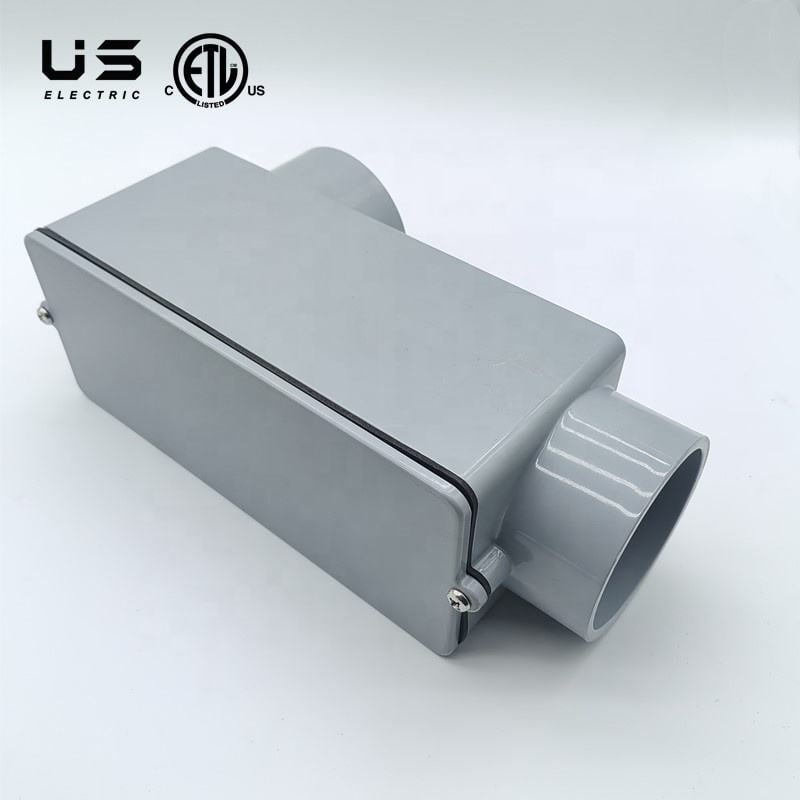
Application: Consider the specific environment in which the conduit will be installed. For example, if it's for outdoor use, ensure you select fittings that can withstand exposure to the elements. You might want to look into our US Canadian Standards Metal Junction Box for reliable outdoor applications.
Certifications: Look for products that meet relevant safety and performance standards, such as UL/cUL and ETL/cETL certifications, which ensure compliance with electrical code requirements.
Customization Options: If your project has unique specifications, inquire about customization capabilities from potential suppliers. This can include tailored lengths, diameters, or even specialized fittings.
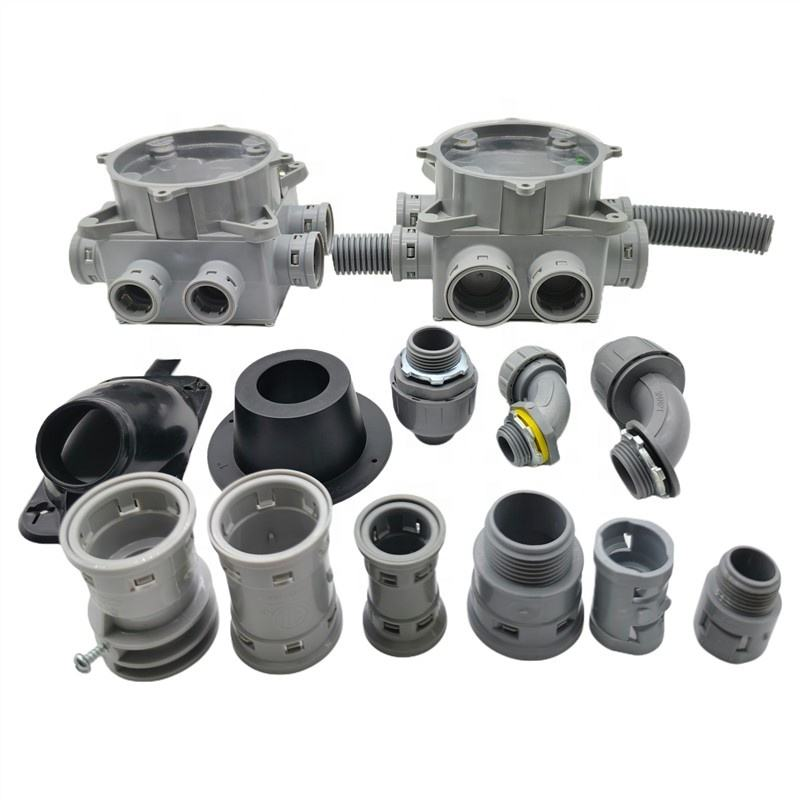
When sourcing EMT conduit and fittings, consider the following avenues to ensure quality and reliability:
Manufacturers: Partnering directly with manufacturers like Jiaxing ANT Electrical Co., Ltd. offers the benefit of competitive pricing and access to a wide range of products. With our two factories and experience in producing over 1,000 certified products, we can accommodate bulk orders efficiently.
Distributors: Established electrical supply distributors often have a broad inventory of EMT conduit and fittings. However, verify their reputation and customer reviews to ensure they uphold quality standards.
Industry Trade Shows: Attending trade shows can provide firsthand insight into products and suppliers. You can meet manufacturers, request samples, and explore the latest innovations in conduit and fittings.
Online Marketplaces: While convenient, sourcing from online marketplaces can be risky. Ensure you research the seller's credibility, read reviews, and request certification documents before making a purchase.
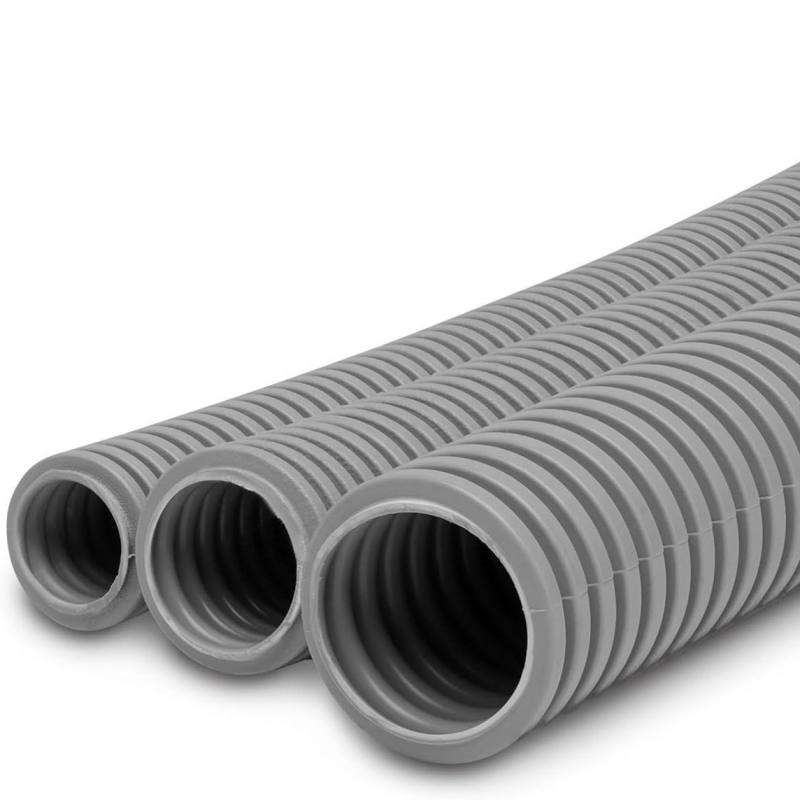
Evaluating the quality of EMT conduit and fittings is crucial to ensure your electrical installations are safe and durable. Here are steps to assess quality:
Material Inspection: Check the gauge of the conduit and the material used in fittings. Thicker gauges generally indicate better durability. For steel products, verify that they are properly galvanized to prevent rust.
Certification Verification: Always ask for documentation proving that the products meet safety standards such as UL/cUL and ETL/cETL. This not only ensures compliance but also affirms the quality of manufacturing practices.
Visual Inspection: Upon receiving samples, inspect for surface imperfections, such as scratches or dents, which could affect performance. Also, ensure that the threads on fittings are clean and free from burrs.
Performance Testing: If possible, conduct stress tests or operational simulations to ensure that the conduit and fittings will perform as expected in real-world applications.
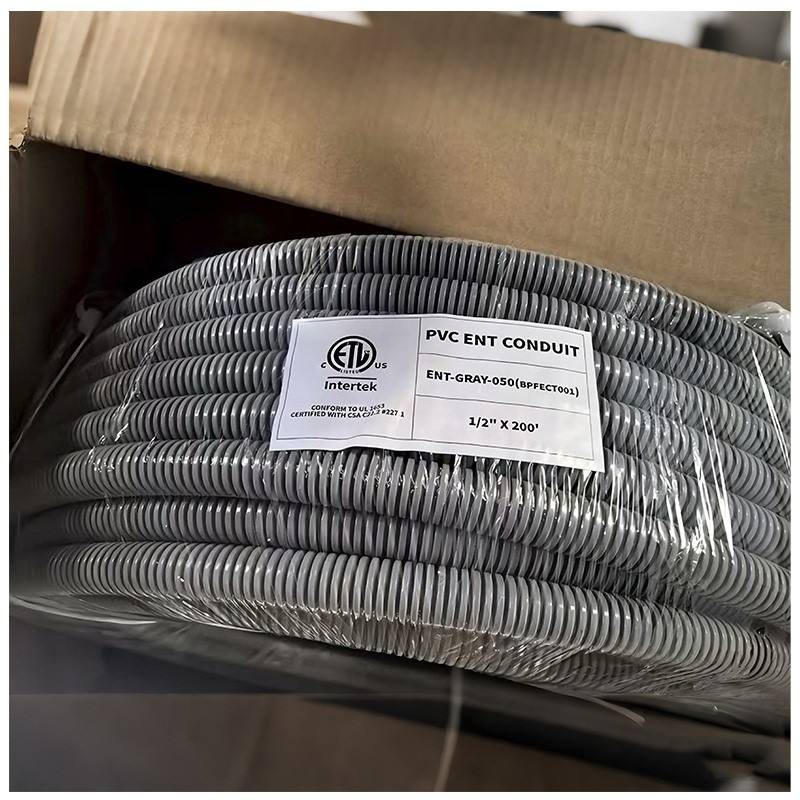
Understanding the specifications of EMT conduit and fittings is essential for making informed purchasing decisions. Here are key specifications to consider:
Diameter and Wall Thickness: Common EMT conduit diameters range from 1/2 inch to 4 inches, with wall thickness typically between 0.020 and 0.040 inches. Ensure that the diameter is compatible with the electrical wires used and that the wall thickness meets project requirements for strength and protection.
Length Options: EMT conduit is available in standard lengths, usually 10 or 20 feet. Be aware of the lengths you need for your specific installation to minimize cutting and waste.
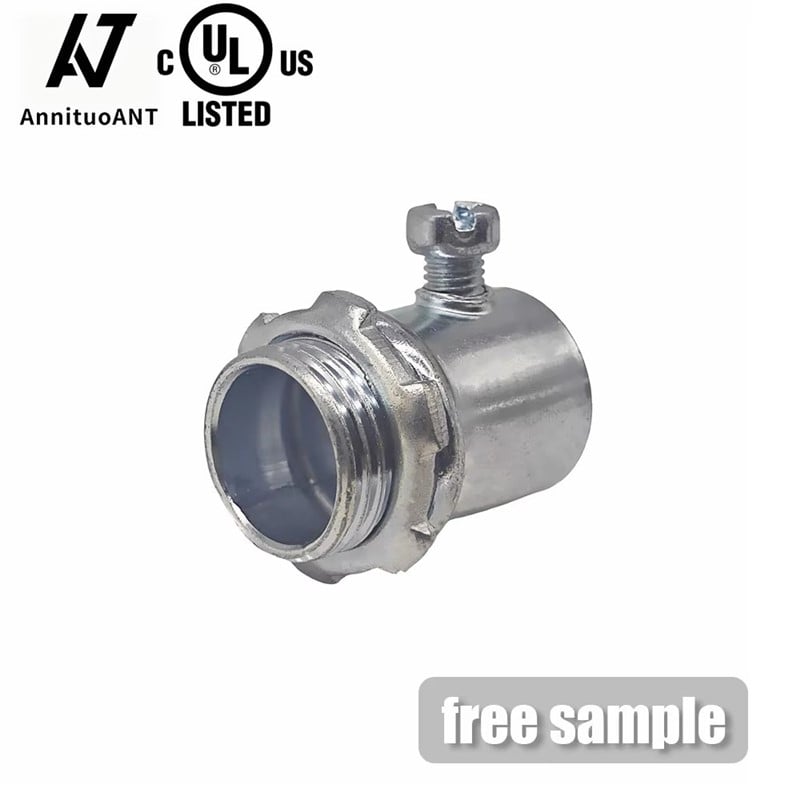
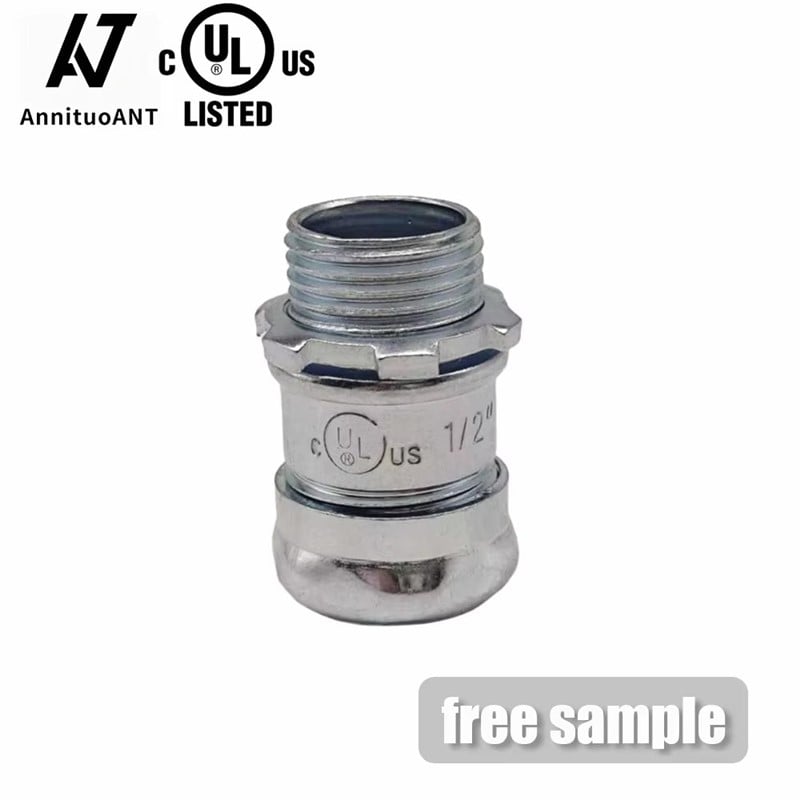
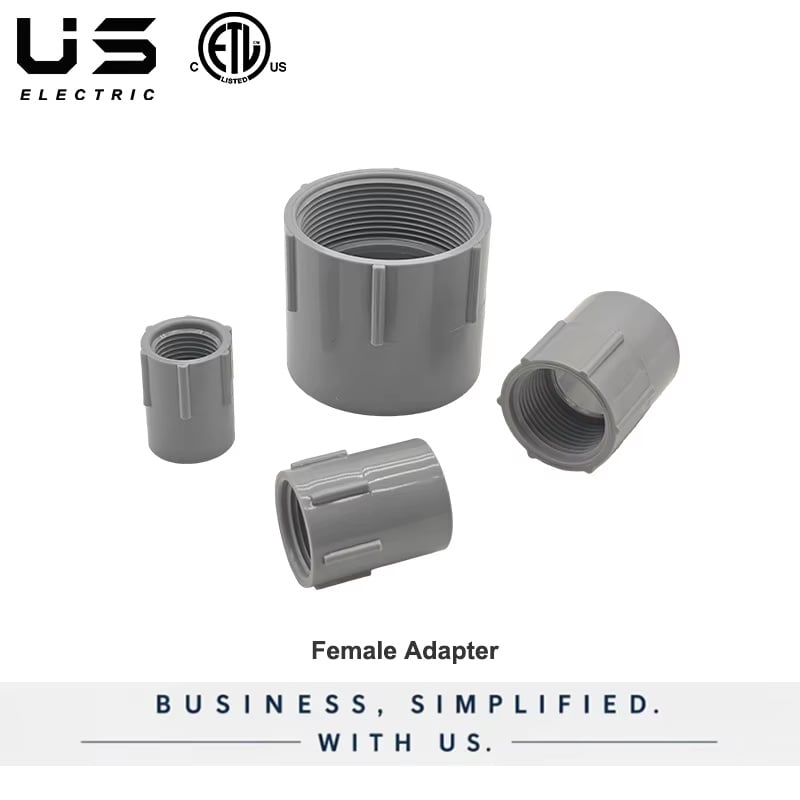
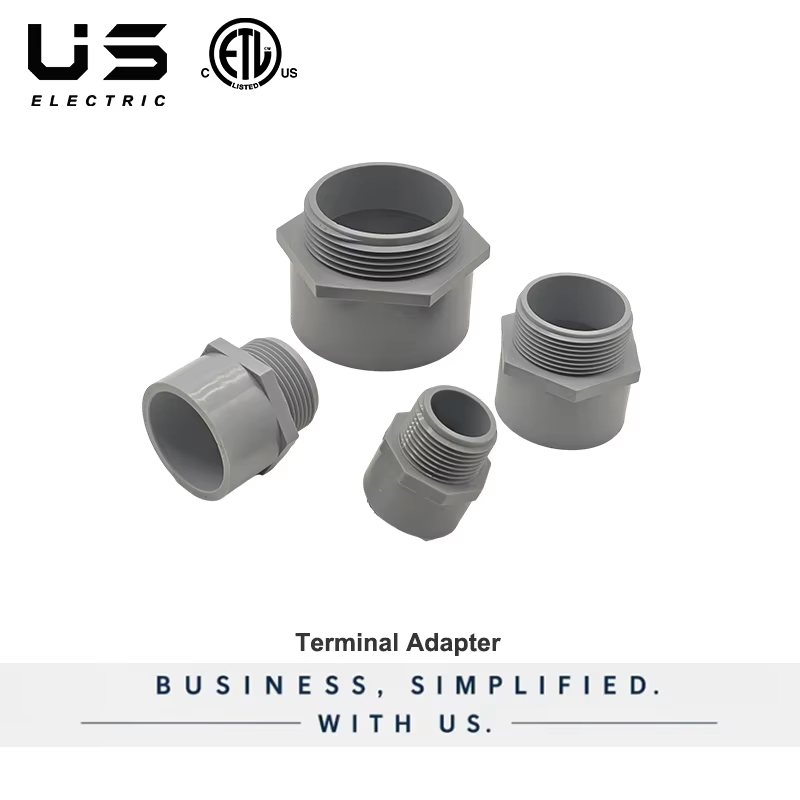
Fitting Types: Familiarize yourself with the various types of fittings, such as elbows, connectors, and couplings. Each serves a specific purpose, and having the right type on hand can facilitate smoother installations. Consider options like our 1 Gang Gangable Switch Box for versatile installation needs.
Coating: Some EMT conduits and fittings come with additional coatings for extra protection against corrosion and environmental factors. Discuss these options with your supplier, especially for outdoor applications.
Despite their reliability, EMT conduit and fittings can present challenges during installation and use. Here are common problems and their solutions:
Improper Sizing: One of the most frequent issues is using the wrong diameter conduit for the wire gauge. This can lead to overheating and potential fire hazards. Always refer to electrical codes to determine the correct sizing.
Solution: Conduct thorough planning and calculations during the design phase to ensure compatibility.
Corrosion: Even galvanized steel can corrode if the protective coating is compromised. This is especially true in outdoor or humid environments.
Solution: Regularly inspect installed conduits and fittings, and consider using stainless steel options for high-moisture areas.
Installation Errors: Incorrect installation can lead to loose fittings or improper alignment, which may cause wire damage or system failures.
Solution: Provide thorough training for installation teams and ensure adherence to manufacturer instructions and local building codes.
Incompatibility with Other Systems: Occasionally, EMT fittings may not fit well with pre-existing conduit systems or electrical boxes.
Solution: When sourcing fittings, confirm compatibility with existing installations to avoid costly rework.
By understanding these considerations and addressing common issues, you can ensure that your projects involving EMT conduit and fittings are successful and compliant with industry standards.