 EN
Quick Links
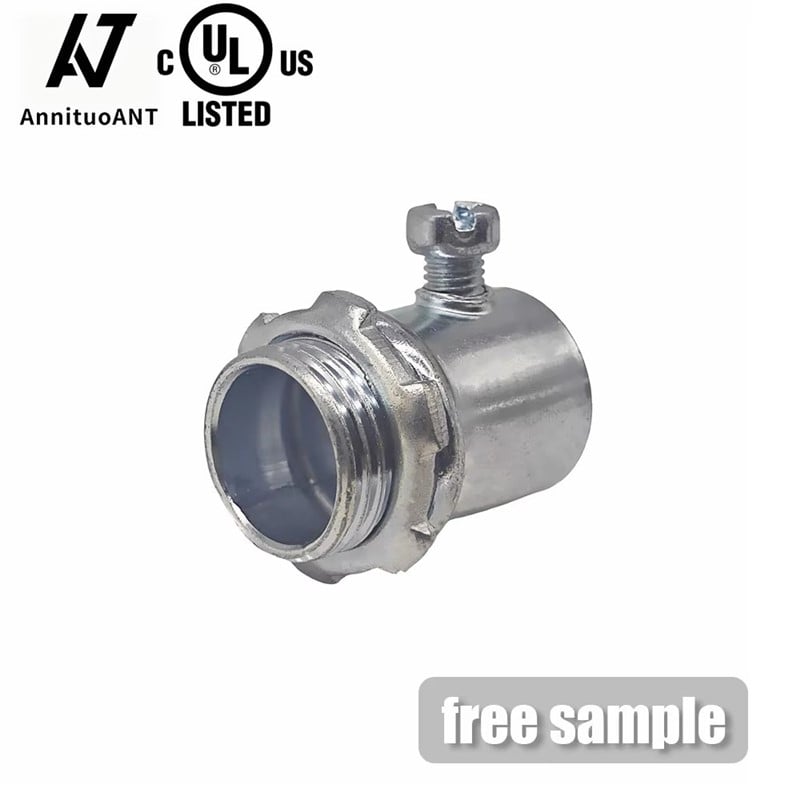
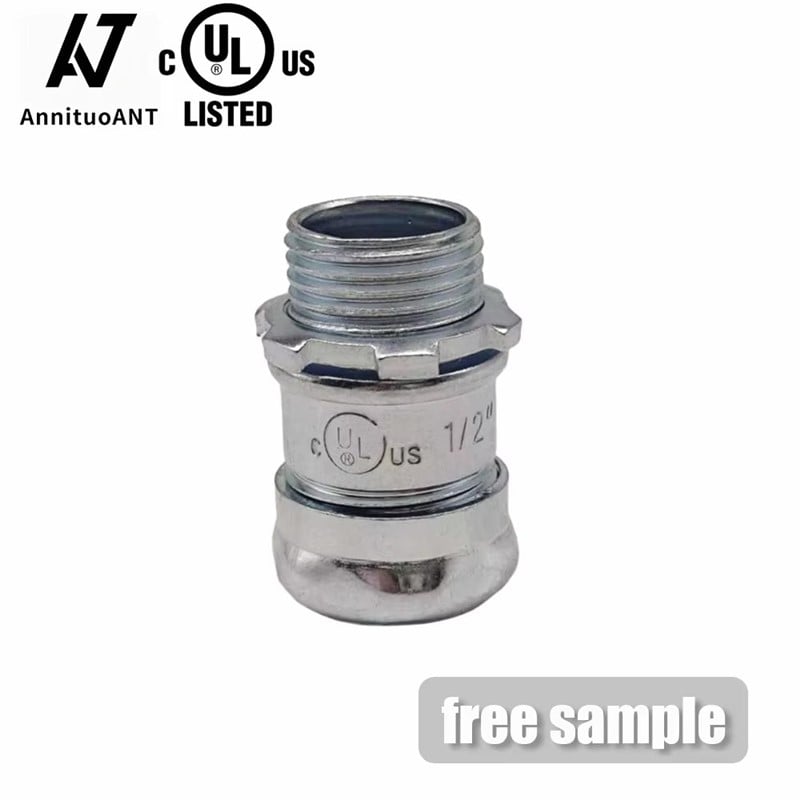
When considering electrical installations, EMT conduit fittings play a crucial role in ensuring safe and reliable connections. These fittings, designed to connect and secure EMT (Electrical Metallic Tubing) conduits, are essential for protecting electrical wiring in both commercial and residential applications. As a B2B buyer, understanding the specifications, standards, and sourcing options for EMT conduit fittings is vital. This article will guide you through the key considerations, helping you make informed decisions while sourcing these critical components.
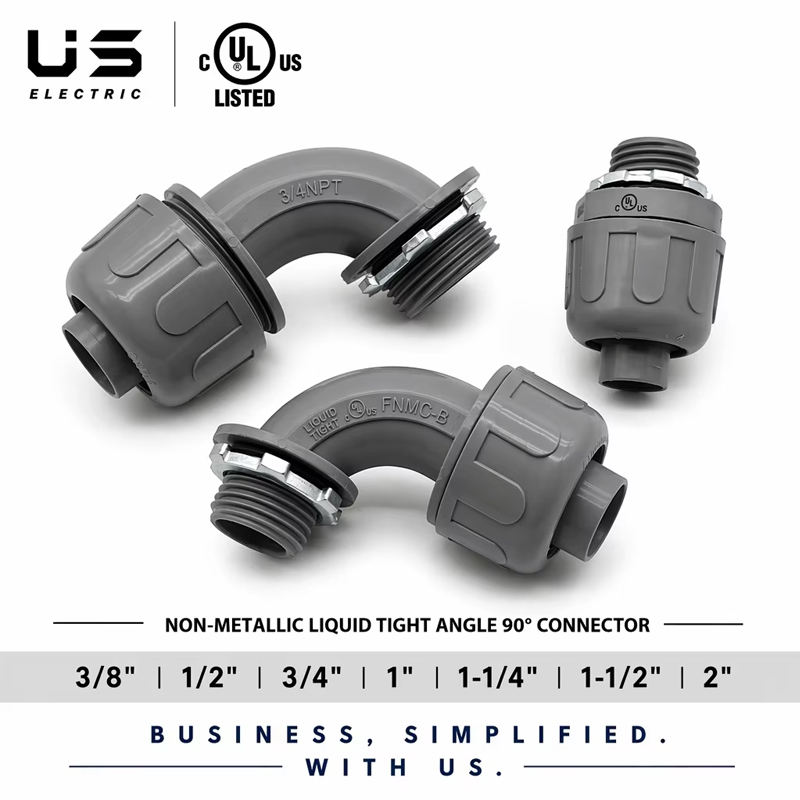
Sourcing EMT conduit fittings requires careful consideration of several factors to ensure compatibility and compliance with project requirements. First, assess the specific application and environment where the fittings will be used. Factors such as moisture exposure, temperature variations, and the presence of corrosive substances can influence material selection. For more information on material options, you can explore our Nonmetallic Liquid-tight Conduit & fittings.
Next, consider the size and type of conduit being used. EMT fittings come in various sizes, and ensuring a proper fit is essential for effective installation. Additionally, look for fittings that comply with applicable standards and certifications, such as UL/cUL and ETL/cETL, to guarantee safety and reliability.
Lastly, evaluate the supplier’s capabilities. Choose manufacturers with a proven track record, like Jiaxing ANT Electrical Co., Ltd., which offers a wide range of certified products and has extensive experience in the electrical equipment industry. This ensures that the fittings you source will meet both quality and performance expectations. For additional options, consider checking our range of HVAC & Accessories.
Selecting the appropriate EMT conduit fittings involves understanding the specific needs of your application. Start by identifying the type of installation—whether it’s indoor or outdoor, exposed or concealed—and choose fittings that can withstand those conditions. For outdoor applications, opt for fittings that provide additional moisture protection or corrosion resistance.
Consider the type of connections required. Different fittings, such as couplings, connectors, and elbows, serve distinct purposes. Ensure that the fittings you choose facilitate easy installation and maintenance. For instance, if frequent access to the electrical system is necessary, consider using quick-connect fittings that simplify disassembly.
Additionally, examine the mechanical strength of the fittings. They should be able to withstand the stresses encountered during installation and operation. Conducting a thorough review of the technical specifications, including dimensions, material properties, and load ratings, will help ensure you select the right fittings for optimal performance.
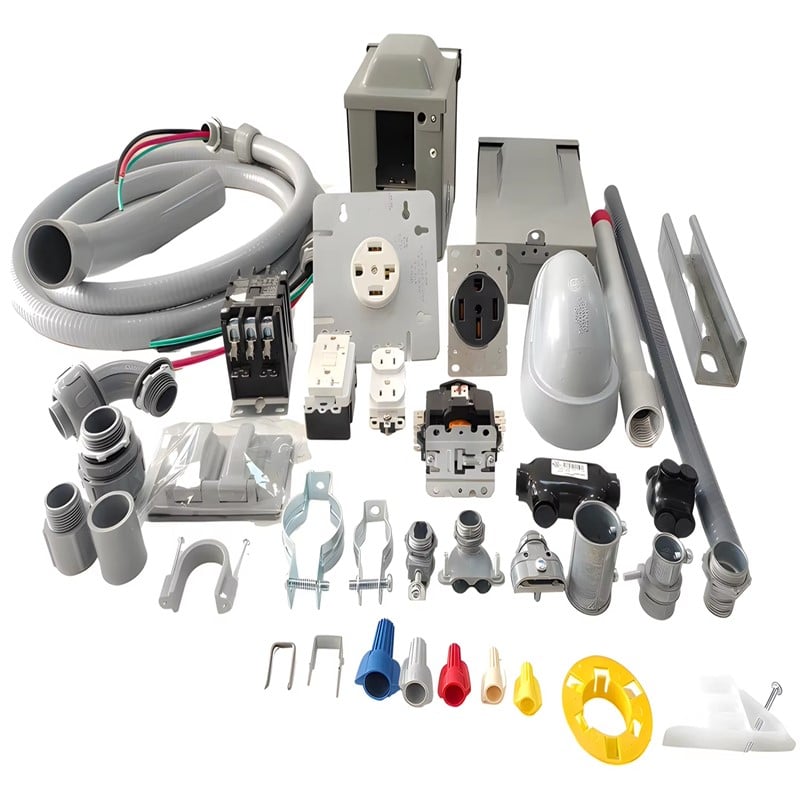
EMT conduit fittings are typically available in metallic and non-metallic options, each with distinct advantages. Metallic fittings, often made of galvanized steel or aluminum, provide superior strength and durability. They are ideal for environments requiring robust protection against physical damage and electromagnetic interference.
On the other hand, non-metallic fittings, such as PVC or nylon, offer advantages in terms of weight and corrosion resistance. They are often preferred in applications where moisture or chemicals are present, as they do not rust or corrode over time. For projects that involve such materials, consider our PVC Conduit/Pipe & Fittings.
Cost factors can also influence your decision. While metallic fittings may be more expensive initially, their long-term durability can result in lower replacement costs. Conversely, non-metallic fittings might have a lower upfront cost but could require more frequent replacement in harsh environments. It is crucial to balance upfront costs with long-term performance and maintenance considerations when selecting materials.
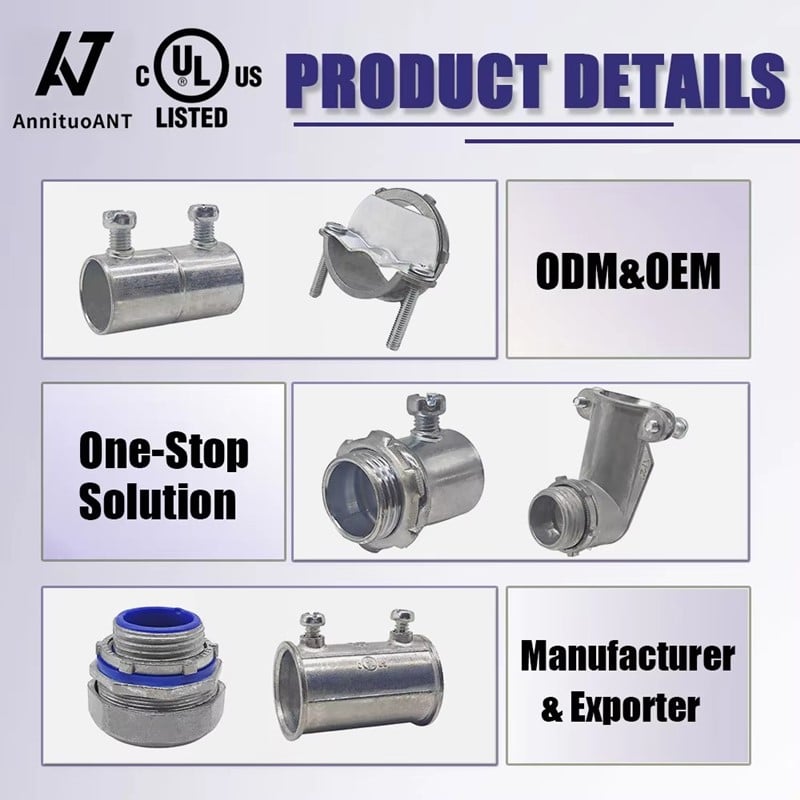
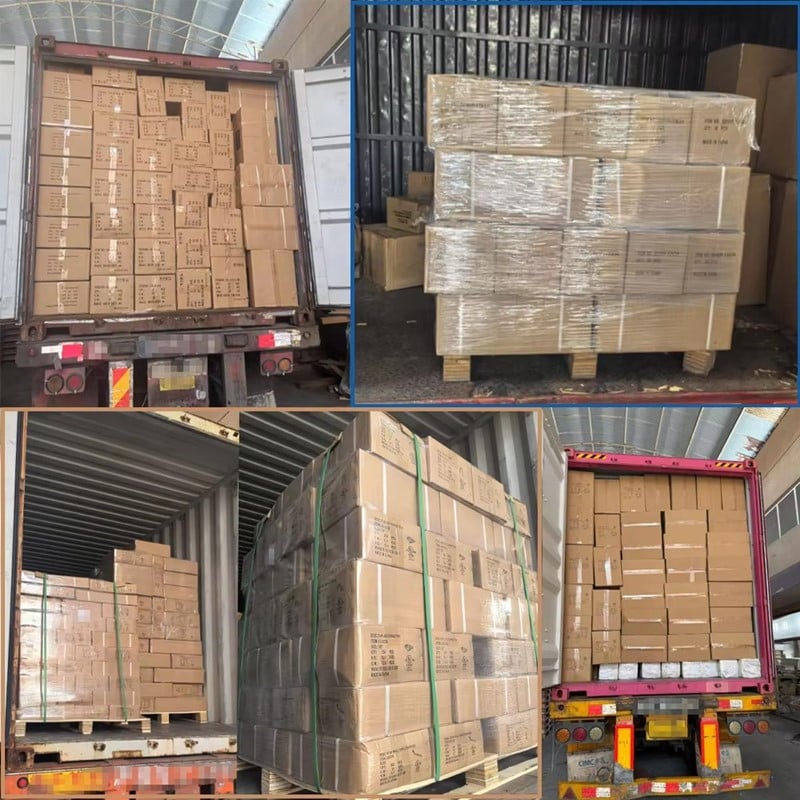
When sourcing EMT conduit fittings, wholesale purchasing options can significantly reduce costs, especially for large-scale projects. Many manufacturers, including Jiaxing ANT Electrical Co., Ltd., offer bulk pricing or discounts for high-volume orders. This not only helps to lower unit costs but also ensures a consistent supply for ongoing projects.
To take advantage of wholesale pricing, provide the supplier with detailed information about your project, including the estimated quantity, specifications, and any customization needs. This allows the manufacturer to offer tailored pricing and terms that suit your project requirements.
Additionally, inquire about any loyalty programs or volume discounts available. Establishing a long-term partnership with a reliable supplier can lead to better pricing and service over time, making it beneficial for repeat business.
Compliance with industry standards and certifications is paramount when sourcing EMT conduit fittings. Familiarize yourself with key standards, such as those set by Underwriters Laboratories (UL), Canadian Standards Association (CSA), and other relevant bodies. These certifications ensure that the fittings meet safety, performance, and quality benchmarks essential for electrical installations.
When evaluating fittings, check for proper labeling indicating compliance with these standards. This not only guarantees safety but also simplifies the inspection process during installation. Additionally, consider the impact of local regulations on material and installation practices, as these can vary significantly by region.
For example, in a project requiring strict adherence to building codes, sourcing certified fittings can prevent costly delays or rework. Therefore, prioritizing suppliers who provide comprehensive documentation and certification can aid in streamlining your project and ensuring compliance.
By focusing on these key areas—sourcing considerations, selection criteria, material advantages, purchasing strategies, and compliance standards—you can make informed decisions when procuring EMT conduit fittings. This approach not only enhances the safety and reliability of your electrical installations but also contributes to the overall efficiency of your projects.