EN
Quick Links
When planning electrical installations, the choice of EMT (Electrical Metallic Tubing) is crucial. EMT is a type of conduit used to protect and route electrical wiring in various applications. This article will address key considerations for B2B buyers, including product specifications, sourcing reliable suppliers, and understanding cost factors. By the end, you'll have a clearer understanding of how to make informed decisions regarding EMT for your projects.
Choosing the right EMT involves evaluating several specifications that impact performance and suitability for your project. First, consider the material—typically, EMT is made of galvanized steel or aluminum. While galvanized steel offers strength and corrosion resistance, aluminum is lighter, making it easier to handle but may not be suitable for high-stress environments.
Next, examine the dimensions and wall thickness. Different projects may require varying levels of durability; thicker walls provide better protection but can be heavier and more challenging to install. It's essential to ensure that the EMT dimensions match your installation requirements, as incorrect sizing can lead to installation issues.
Lastly, consider the certifications associated with the EMT. Look for conduits that meet UL/cUL and ETL/cETL standards, as these certifications indicate compliance with safety and quality regulations. This is particularly important for commercial applications where reliability is paramount.
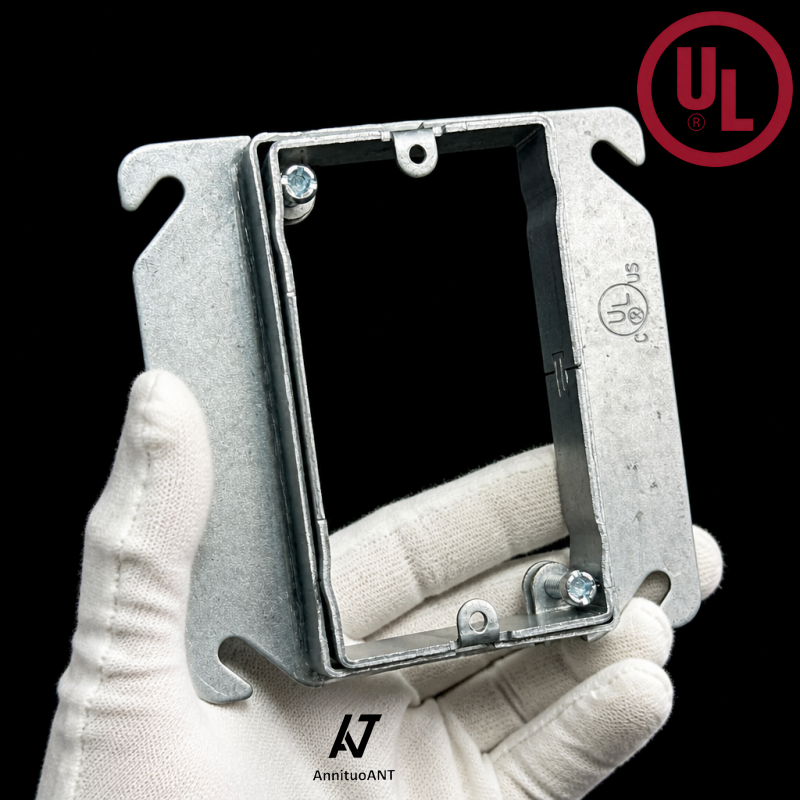
Finding a trustworthy supplier for EMT electrical equipment is essential for successful project execution. Start by identifying manufacturers with a solid reputation in the industry, such as Jiaxing ANT Electrical Co., Ltd., which has over 14 years of experience in producing a wide range of electrical products.
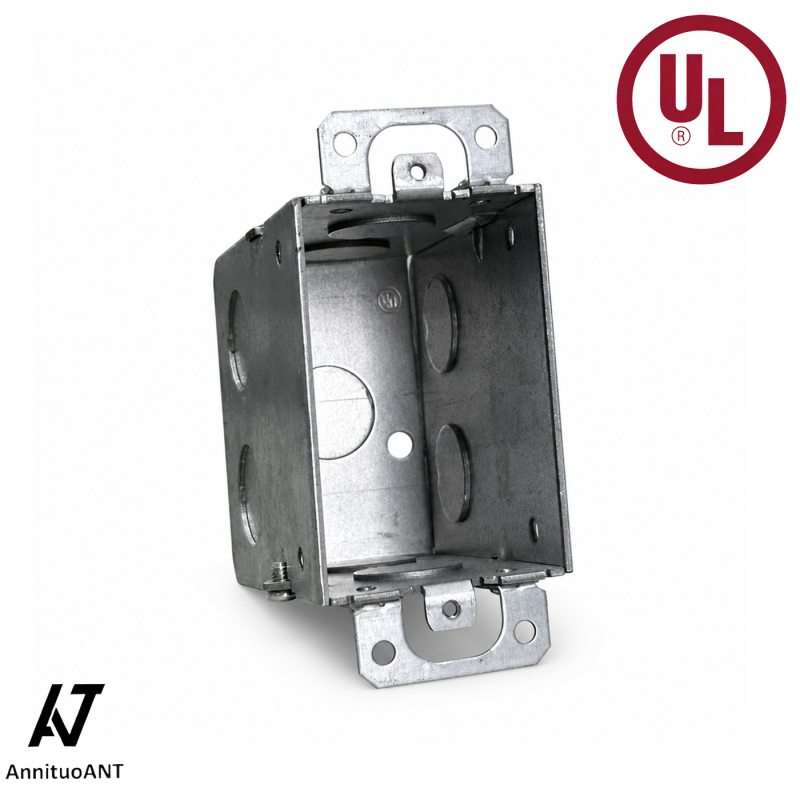
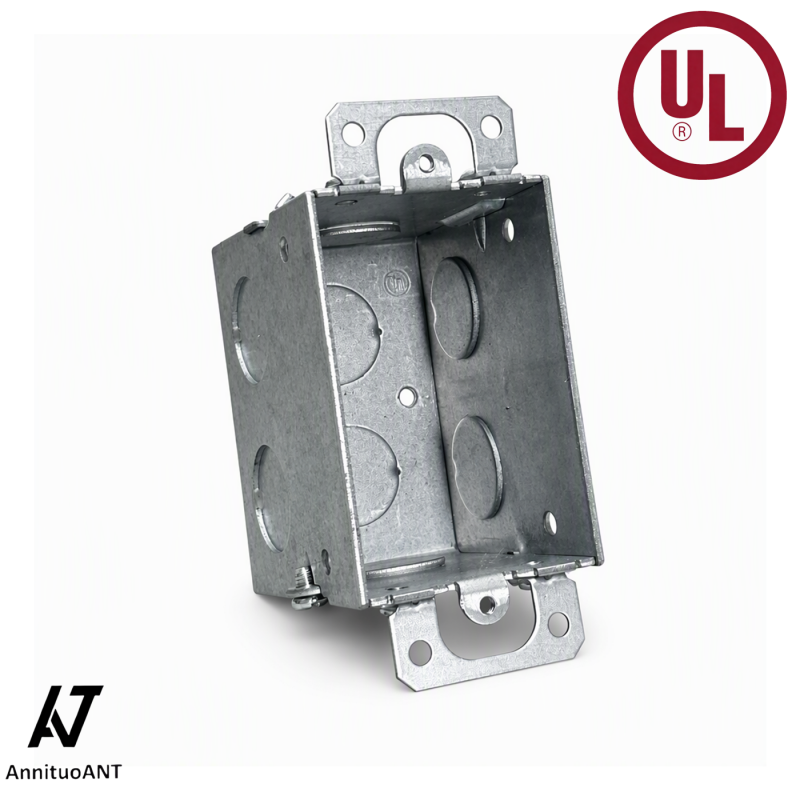
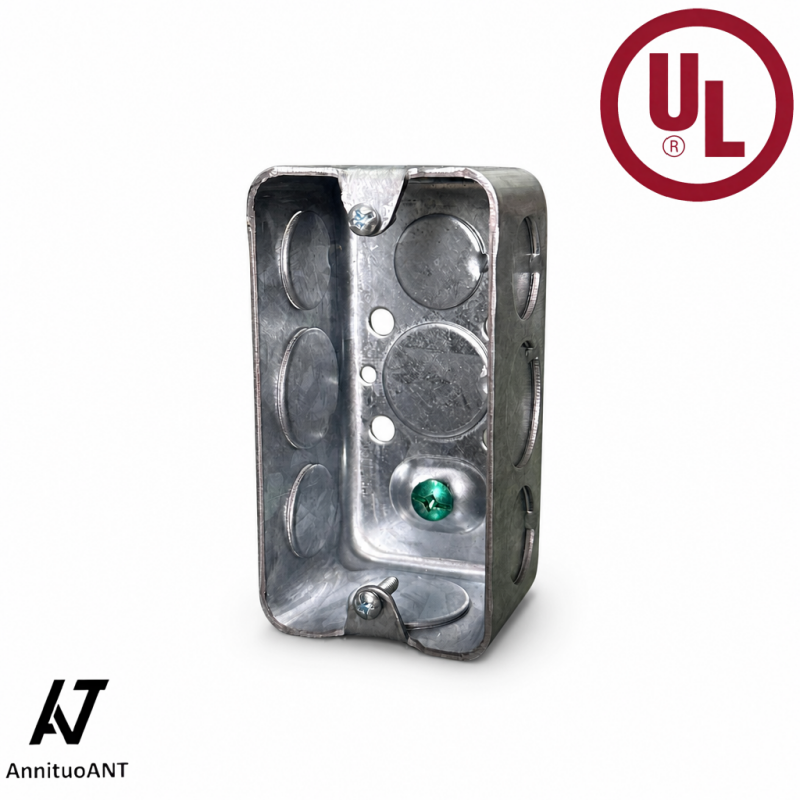
It’s beneficial to seek suppliers that offer a comprehensive catalog of products, enabling you to source multiple items from a single provider. For instance, consider looking into options like 1 Gang Gangable Switch Box Galvanized Steel. This one-stop shopping service can streamline procurement and reduce lead times. Additionally, consider suppliers that provide OEM/ODM solutions. Customization capabilities can be advantageous for specific project needs or branding requirements.
Networking within industry forums, trade shows, and online marketplaces can also help you identify reliable suppliers. Pay attention to reviews and testimonials that speak to product quality, customer service, and delivery efficiency.
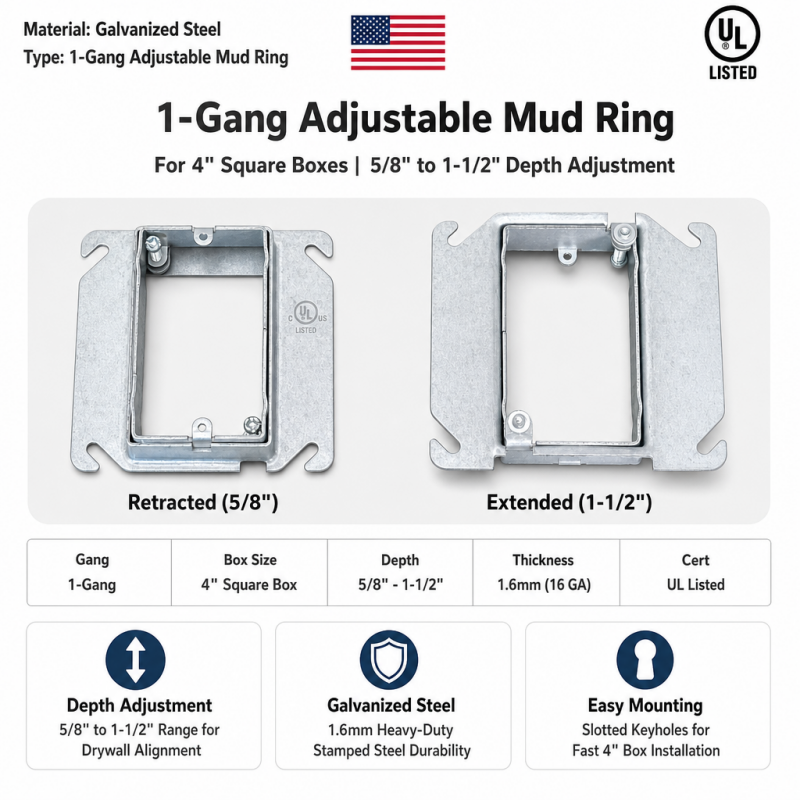
When it comes to purchasing EMT, cost considerations are critical. While it may be tempting to choose the lowest-priced products, consider the total cost of ownership, which includes quality, durability, and potential installation costs. A lower upfront price may lead to higher long-term expenses if the product requires frequent replacement or fails to meet safety standards.
Buying in bulk can also lead to significant savings. Many suppliers, including Jiaxing ANT Electrical Co., Ltd., offer discounts for larger orders. Be sure to inquire about minimum order quantities (MOQ) and whether they provide price breaks for larger quantities.
Additionally, consider the shipping costs and delivery times, as these factors can influence overall project budgets. Suppliers that are geographically closer may reduce shipping expenses and expedite delivery, ensuring that your project stays on schedule.
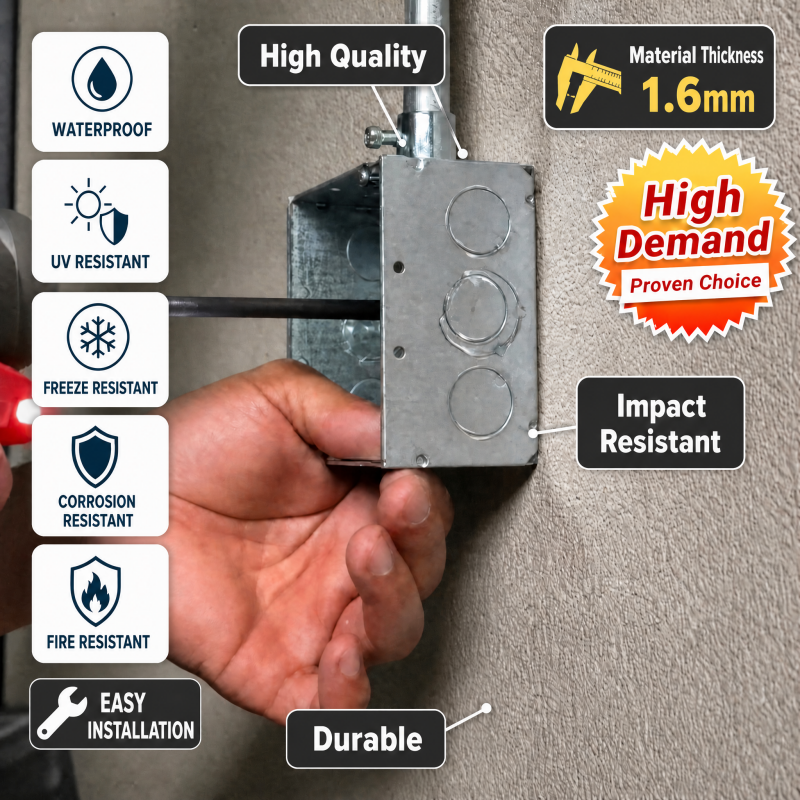
When comparing EMT specifications, focus on several critical attributes that can affect performance in your specific application.
Thickness: EMT thickness varies, and it directly impacts durability and resistance to external forces. Projects exposed to harsher environments may require thicker tubing to withstand impacts or corrosion.
Coating: Look for EMT with protective coatings to enhance corrosion resistance. For instance, galvanized EMT offers additional protection against moisture and environmental elements, making it suitable for outdoor applications.
Compatibility: Ensure the EMT you choose is compatible with existing systems and fittings. This includes checking for the correct diameters for connectors and ensuring that the conduit can accommodate the required wiring.
Performance Ratings: Pay attention to the performance ratings related to electrical insulation and temperature resistance. These ratings can guide you in selecting EMT that will function effectively in your specific application conditions.
By carefully comparing these specifications, you can select EMT that offers the best performance and value for your particular needs.
Several factors affect the cost of wholesale EMT purchases. Understanding these can help you make more informed decisions and manage your budget effectively.
Material Costs: The type of material used (galvanized steel vs. aluminum) significantly impacts pricing. Steel is generally more affordable but heavier, while aluminum is lighter and may be priced higher due to its benefits.
Manufacturing Processes: The complexity of the manufacturing process can also influence costs. Advanced production techniques or certifications like UL/cUL can increase the price but may offer better quality and safety assurance.
Customization: Custom sizes or features can lead to higher costs. If your project requires specialized EMT, be prepared for potential price increases and ensure that the supplier can meet your specifications without delays.
Market Demand: Fluctuations in demand can affect pricing. Staying informed about market trends can help you time your purchases more strategically, potentially securing better prices during off-peak periods.
By considering these cost factors, you can better navigate the purchasing process and find the most cost-effective solutions for your EMT needs. You might explore options like US Standard Galvanized Steel 1 Gang Gangable Switch Box to enhance your purchasing decisions.
In summary, understanding the various aspects of EMT selection, sourcing, cost, and specifications will empower you to make informed decisions that align with your project's requirements.