EN
Quick Links
EMT conduit pipe, or electrical metallic tubing, is a crucial component in electrical installations, providing a pathway for electrical wiring while ensuring safety and protection against environmental hazards. For B2B buyers, selecting the right EMT conduit pipe involves numerous considerations, including material specifications, application suitability, and supplier reliability. This article will guide purchasing managers, engineers, and project managers through the essential factors to evaluate when choosing EMT conduit pipe for commercial and industrial projects.
When selecting EMT conduit pipe, several key factors should be considered:
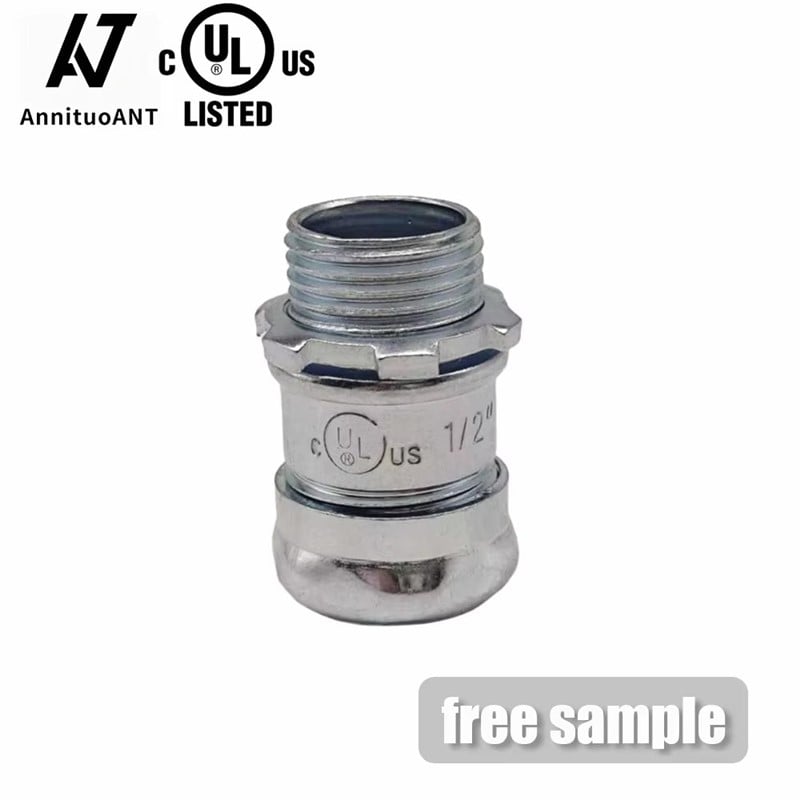
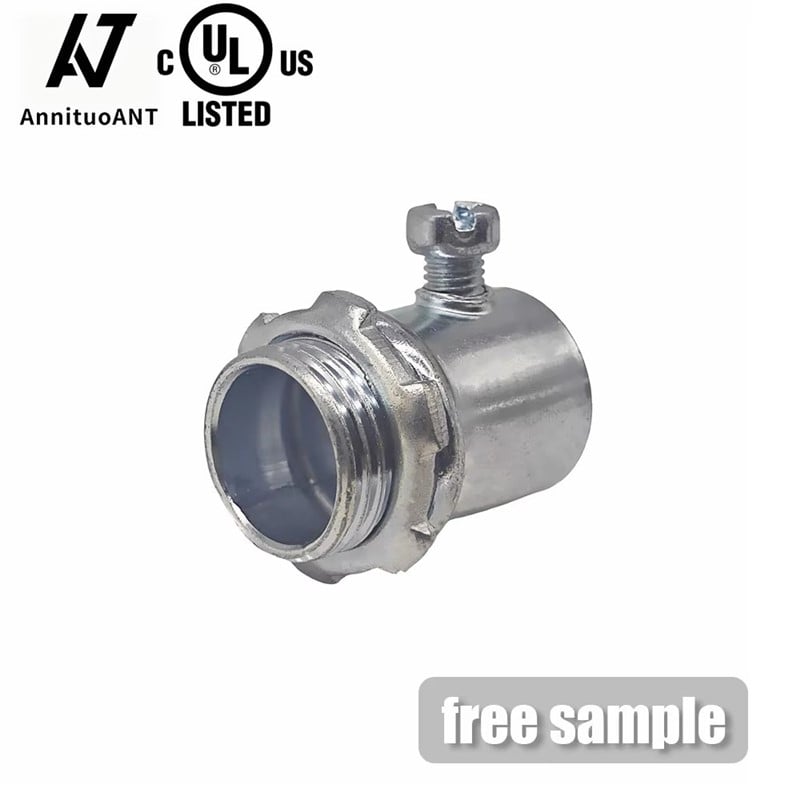
Material: EMT conduit is typically made from galvanized steel, which offers strength and corrosion resistance. However, the specific material may vary depending on the project's environmental conditions, such as exposure to moisture or chemicals.
Diameter and Length: EMT conduit comes in various sizes, and selecting the appropriate diameter is crucial for accommodating the number of wires and ensuring compliance with local electrical codes. The length of the conduit should also be suitable for the installation site to minimize waste and reduce the need for additional fittings.
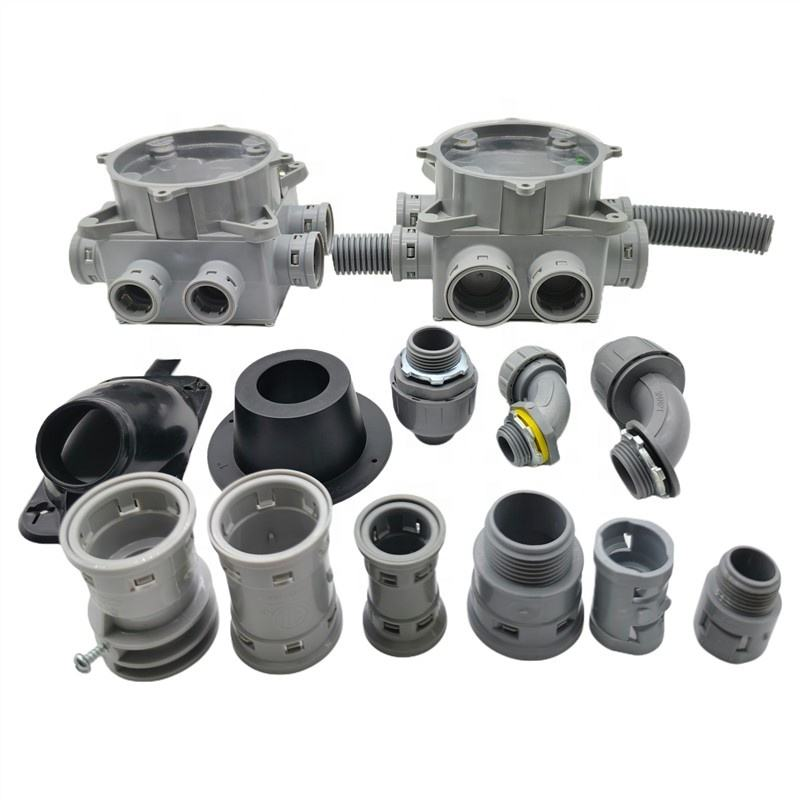
Installation Environment: Assessing the installation environment is vital. Outdoor installations may require additional protection against environmental factors, while indoor installations may have different requirements based on the building's design. For example, using a US Canadian Standards Metal Junction Box can provide additional safety in outdoor settings.
Compliance and Certification: Ensure that the EMT conduit pipe meets relevant industry standards, such as UL or ETL certifications. These certifications indicate that the product has undergone rigorous testing for safety and performance.
Customization Options: Depending on the project's specific needs, you may require custom lengths, finishes, or fittings. Confirming the manufacturer's ability to provide these options can streamline your procurement process. For instance, options like 1 Gang Adjustable Mud Rings can enhance installation flexibility.
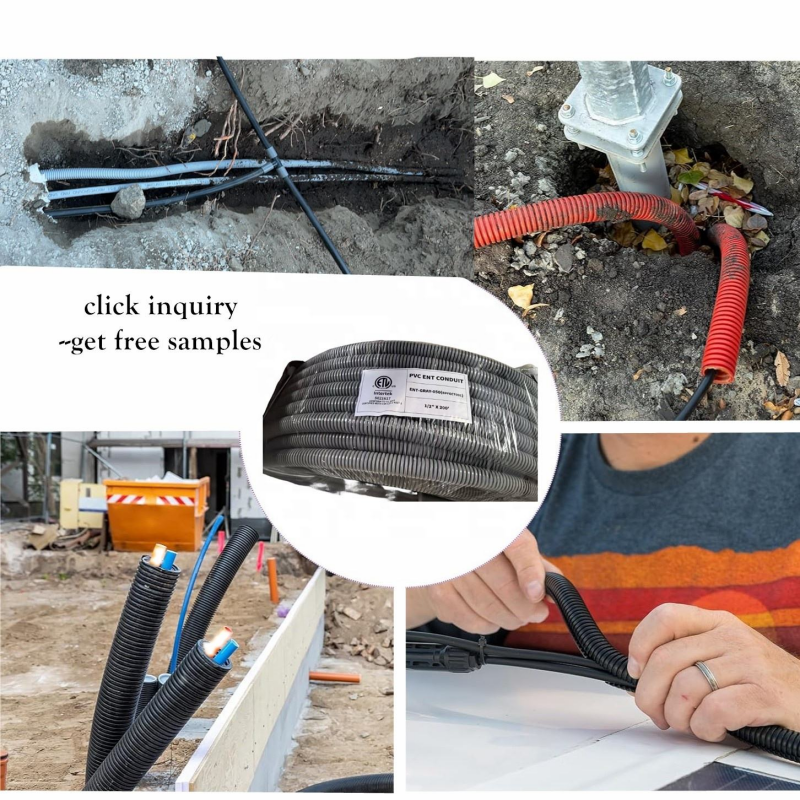
Finding a reliable supplier is critical for ensuring product quality and timely delivery. Here are some steps to evaluate potential suppliers:
Experience and Reputation: Look for suppliers with a proven track record in the industry. Companies like Jiaxing ANT Electrical Co., Ltd., with 14 years of manufacturing experience, can provide valuable insights into product quality and application suitability.
Certifications: Ensure the supplier's products are certified by recognized standards such as UL/cUL and ETL/cETL. This not only confirms the product's safety but also its reliability in various applications.
Quality Control Processes: Inquire about the supplier's quality control measures. A rigorous quality assurance process helps to identify defects before products reach the market, ensuring that you receive reliable and safe conduit.
Customer Support: Evaluate the level of customer service offered by the supplier. A responsive supplier can provide assistance with technical questions, customization requests, and logistical challenges.
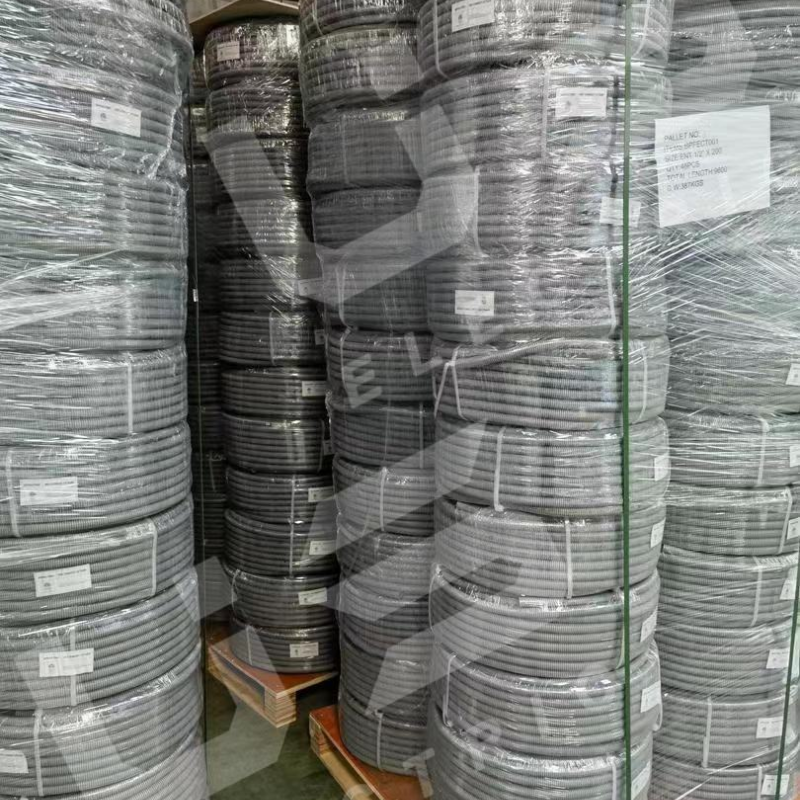
When assessing EMT conduit pipe products, several specifications should be closely examined:
Thickness: The wall thickness of the conduit affects its durability and ability to protect the wiring inside. Thicker walls provide better resistance to physical damage and environmental factors.
Finish: EMT conduit is typically available in a galvanized finish, which offers corrosion resistance. However, other finishes may be available for specific applications, so confirm which is suitable for your environment.
Dimensions: Understanding the dimensions, including the outer and inner diameters, is essential for ensuring compatibility with fittings and the overall electrical system.
Load Ratings: Load ratings determine the conduit’s ability to handle specific weight or pressure conditions. Assessing these ratings ensures that the conduit will perform adequately in your application.
Bend Radius: The minimum bend radius is critical for installations that require bends in the conduit. Choosing a product with a suitable bend radius can simplify installation and reduce the risk of damage to the electrical wiring.
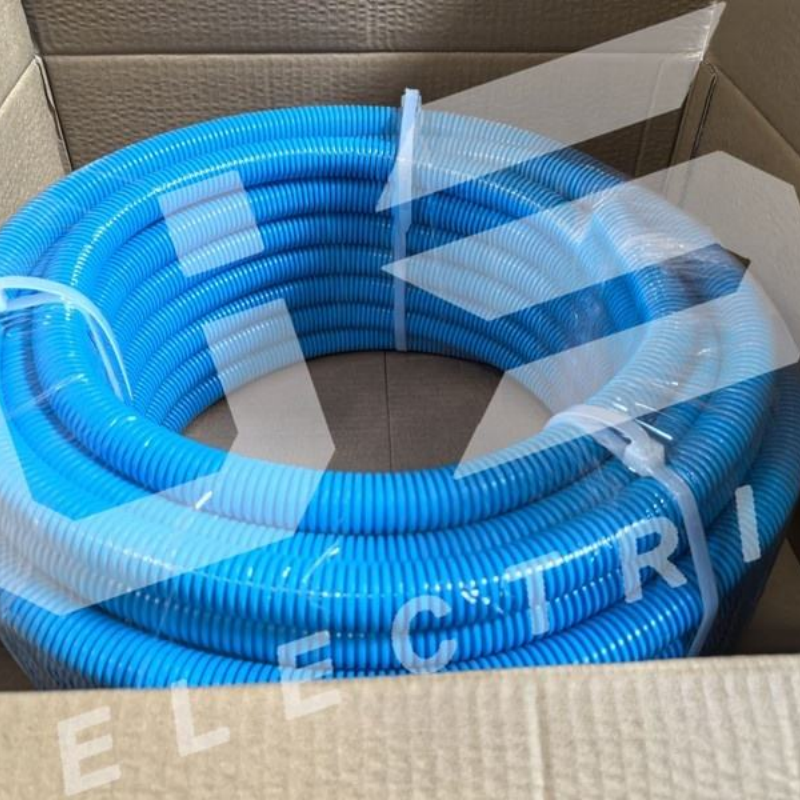
Define Project Requirements: Start by outlining your project’s specific needs, including application, environment, and compliance standards.
Research Suppliers: Compile a list of potential suppliers, focusing on those with relevant experience and certifications.
Request Quotes: Reach out to suppliers to request quotes based on your specified requirements. Include details like length, diameter, and any customization needs.
Evaluate Samples: If possible, obtain samples to assess the quality and suitability of the conduit. Inspect the finish, wall thickness, and overall workmanship.
Confirm Specifications: Before finalizing your order, confirm all specifications, including dimensions, materials, and any customization options.
Place Order: Once you’ve selected a supplier and confirmed the specifications, place your order and establish a timeline for delivery.
EMT conduit pipe is widely used in various commercial construction applications, including:
Electrical Wiring Protection: EMT conduit provides a robust barrier for electrical wiring, protecting it from physical damage and environmental hazards.
Compliance with Electrical Codes: Using EMT conduit ensures compliance with local electrical codes, which often require conduit for specific installations.
Flexibility in Design: EMT conduit allows for flexibility in design, accommodating various layouts and configurations in commercial buildings.
Grounding and Bonding: EMT conduit can serve as a grounding path, providing electrical safety in commercial installations.
Durability in Harsh Environments: Its corrosion-resistant properties make EMT conduit suitable for installations in challenging environments, such as industrial facilities or outdoor settings.
By understanding these applications and considerations, B2B buyers can make informed decisions when procuring EMT conduit pipe for their projects. The right choice not only enhances safety and compliance but also contributes to the overall efficiency and longevity of electrical systems.