 EN
Quick Links
When selecting electrical conduits for commercial or residential projects, 3/4 EMT conduit stands out as a robust option. This metal conduit is designed to protect electrical wiring and ensures safety and efficiency in installations. B2B buyers, including purchasing managers, engineers, and contractors, often seek reliable specifications, installation guidelines, and cost factors before making a purchase. This article aims to provide essential insights into 3/4 EMT conduit, enabling informed decisions for your next project.
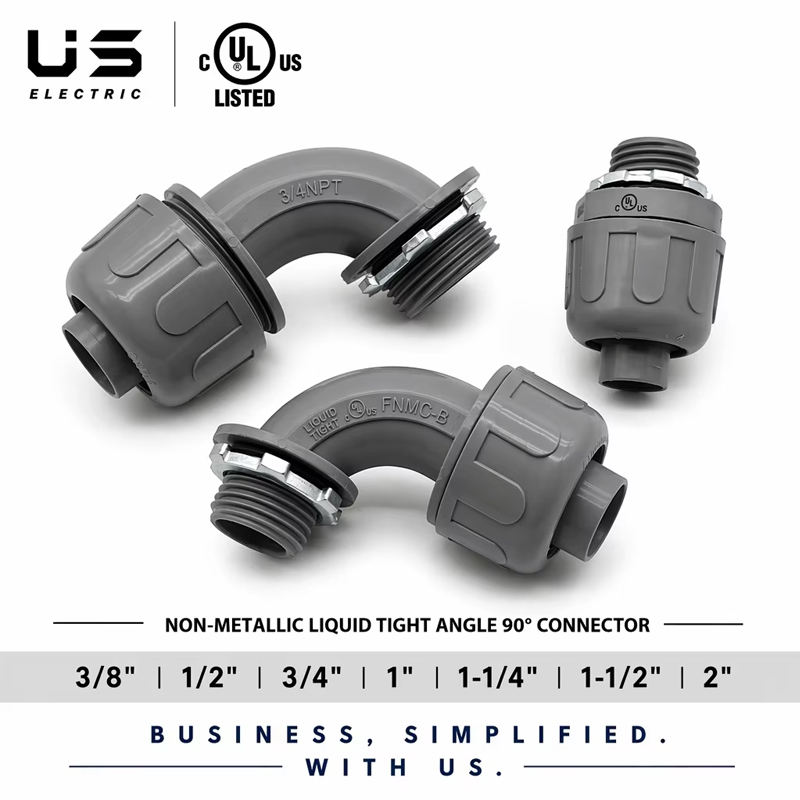
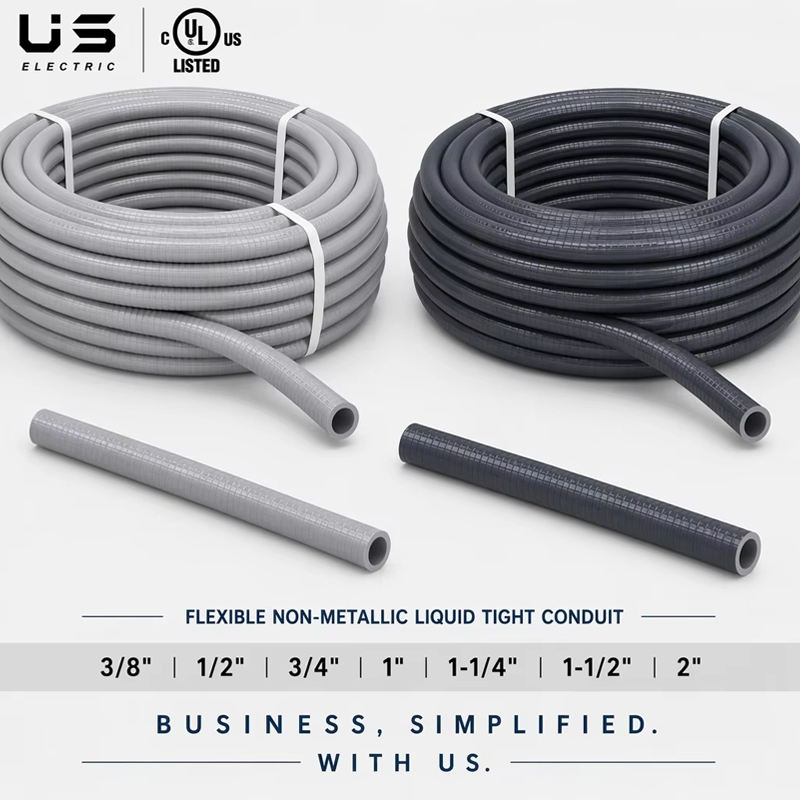
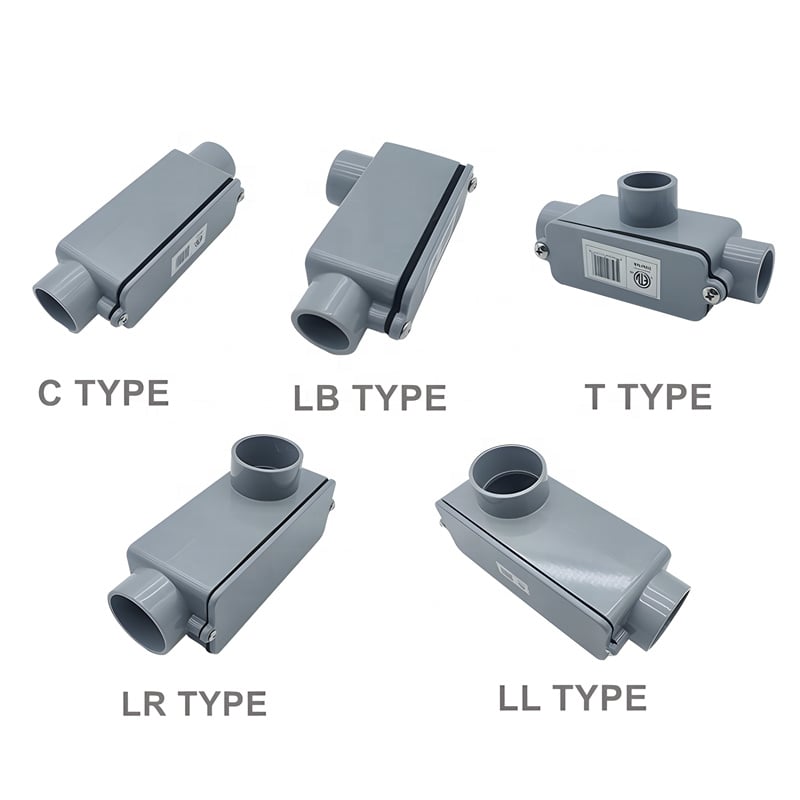
When selecting 3/4 EMT conduit, several factors should be considered to ensure it meets the needs of your specific application. First, assess the environment where the conduit will be installed. EMT (Electrical Metallic Tubing) is generally suitable for dry locations, but if your project involves exposure to moisture or harsh chemicals, alternative materials may be more appropriate. For example, you might consider Nonmetallic Liquid-tight Conduit & fittings for such environments.
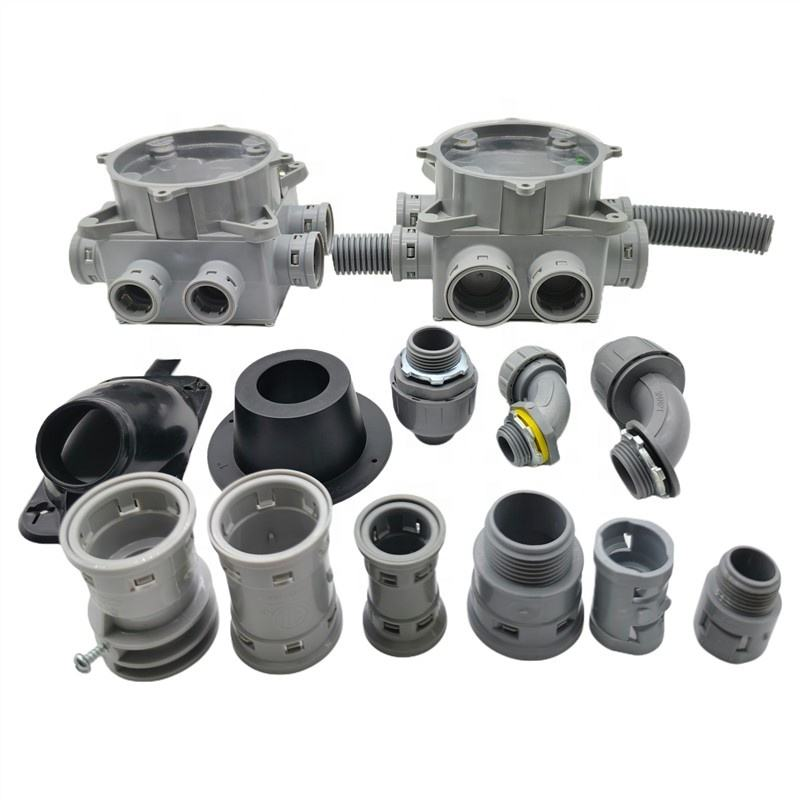
Next, evaluate the conduit’s compatibility with fittings and connectors. The internal diameter of 3/4 EMT conduit must align with the wiring and fittings you plan to use. This compatibility ensures optimal performance and safety. Additionally, consider the conduit length and the required bends, as this will affect the overall installation process.
Lastly, verify the certifications of the conduit. Products certified by UL/cUL or ETL/cETL standards offer assurance of quality and compliance with safety regulations, which is crucial for ensuring the longevity and reliability of electrical installations.
Understanding the specifications of 3/4 EMT conduit is essential for making an informed purchase. Key specifications include:
Material: EMT conduits are typically made from galvanized steel, providing excellent durability and resistance to corrosion. This material choice is critical for maintaining the integrity of electrical systems in various environments.
Dimensions: The nominal diameter of 3/4 EMT conduit is 0.824 inches, with a wall thickness typically around 0.042 inches. These dimensions determine the conduit’s capacity to house wiring and its overall strength.
Length: EMT conduits are available in various lengths, commonly 10 and 20 feet. Choosing the right length minimizes the need for additional fittings and reduces installation complexity.
Bend Radius: EMT conduit must comply with standard bend radius specifications to maintain the integrity of the cable inside. A tighter bend can lead to damage, so it’s important to adhere to manufacturer guidelines.
These specifications directly impact the conduit’s performance and suitability for specific applications. Buyers should ensure that these details align with project requirements before finalizing their orders.
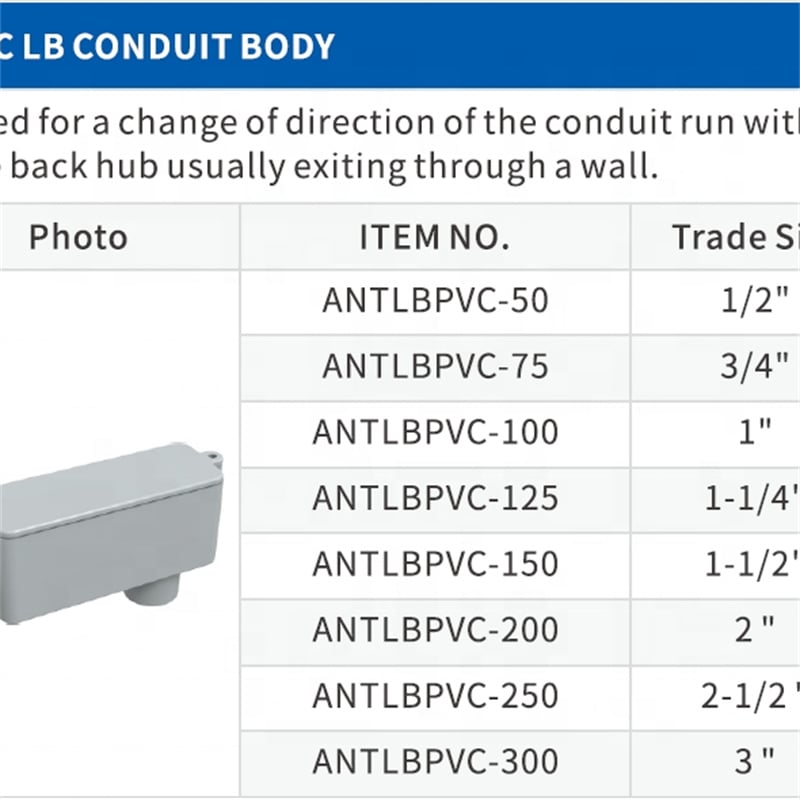
When sourcing 3/4 EMT conduit, consider the following tips to streamline the purchasing process:
Request Samples: Before committing to a large order, obtain samples to evaluate the quality and specifications. This is especially important for verifying dimensions and ensuring compatibility with existing systems.
Check Certifications: Ensure that the conduit you are considering is certified by recognized standards such as UL/cUL or ETL/cETL. Certifications indicate that the product has undergone rigorous testing for safety and reliability.
Evaluate Suppliers: When selecting a supplier, assess their manufacturing capabilities and track record. A reputable manufacturer like Jiaxing ANT Electrical Co., Ltd. can provide insights into production processes and quality control measures. You may also explore HVAC & Accessories that complement your electrical systems.
Discuss Customization Options: If your project has specific requirements, don't hesitate to discuss customization options with your supplier. Many manufacturers offer tailored solutions to meet unique needs.
Prepare a Detailed RFQ: When requesting quotes, provide detailed specifications, quantities, and any special requirements. A comprehensive RFQ will facilitate more accurate pricing and delivery timelines.
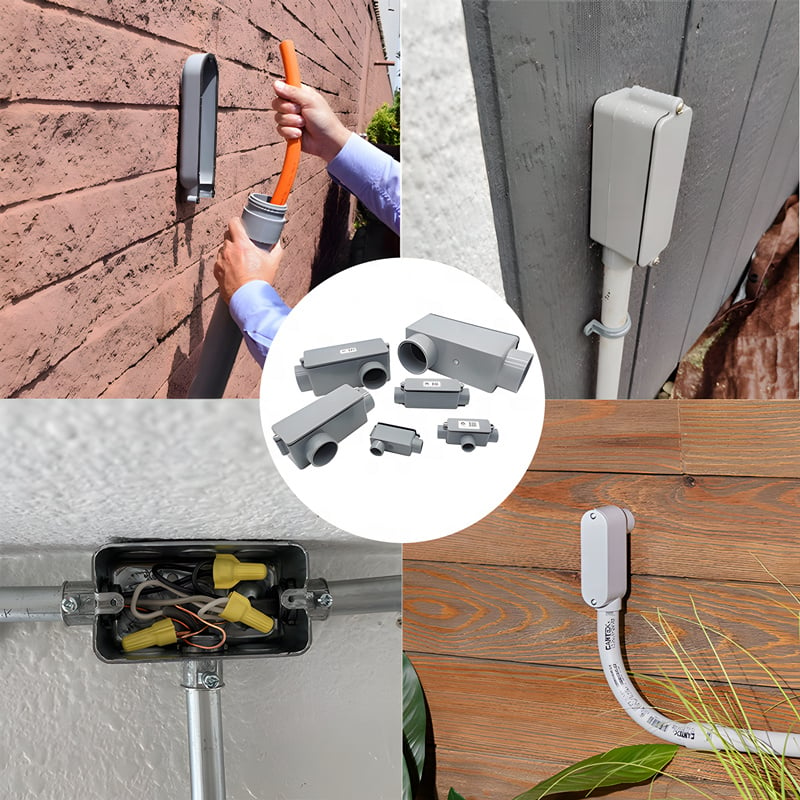
Pricing for 3/4 EMT conduit can vary based on several factors. These include:
Material Costs: The price of raw materials, particularly galvanized steel, fluctuates based on market conditions. Understanding current market rates can help in budget planning.
Quantity Ordered: Many manufacturers offer discounts for bulk orders. Depending on your project's scope, purchasing larger quantities may reduce the per-unit cost.
Customization Requirements: Customization can add to production costs. If you require specific lengths or features, be prepared for potential price increases.
Shipping and Handling: Consider logistics costs, including shipping fees and import duties if sourcing from international suppliers. These costs can significantly impact the overall price.
Lead Time: Products with shorter lead times may come at a premium. If your project timeline is flexible, consider ordering well in advance to take advantage of lower prices.
By understanding these cost factors, buyers can make more informed decisions and optimize their procurement strategies.
Proper installation of 3/4 EMT conduit is crucial for ensuring safety and functionality. Here are some essential installation tips:
Plan the Layout: Before installation, develop a clear plan for the conduit layout. This plan should include the locations of bends, fittings, and any junction boxes to streamline the installation process.
Use Proper Tools: Ensure you have the right tools for cutting and bending EMT conduit. Use a conduit cutter for clean cuts and a bending tool to achieve precise angles without damaging the conduit.
Check for Compliance: Ensure that your installation adheres to local electrical codes and regulations. This compliance is essential for safety and may be required for inspections.
Secure Connections: Use appropriate fittings and connectors to secure the conduit at joints and bends. This will prevent movement and ensure the stability of the electrical system.
Inspect Before Covering: Conduct a thorough inspection of the installed conduit before covering it with drywall or other materials. Check for any visible issues and ensure that all connections are secure.
By following these installation tips, you can enhance the efficiency and safety of your electrical installations, ultimately leading to successful project outcomes. Incorporating these considerations into your purchasing and installation processes will aid in achieving reliable and efficient electrical systems with 3/4 EMT conduit.