 EN
Quick Links
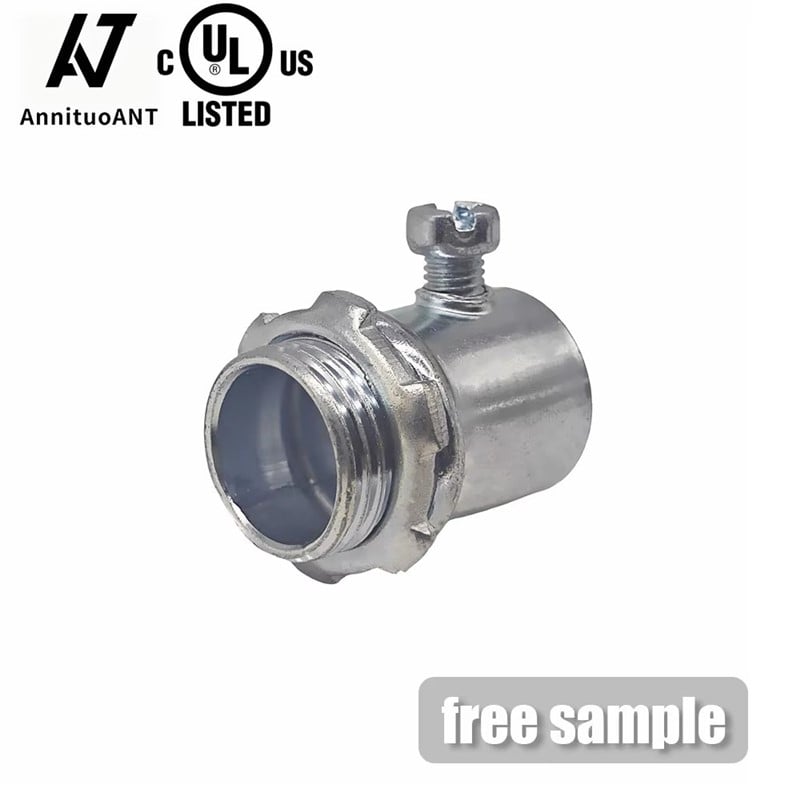
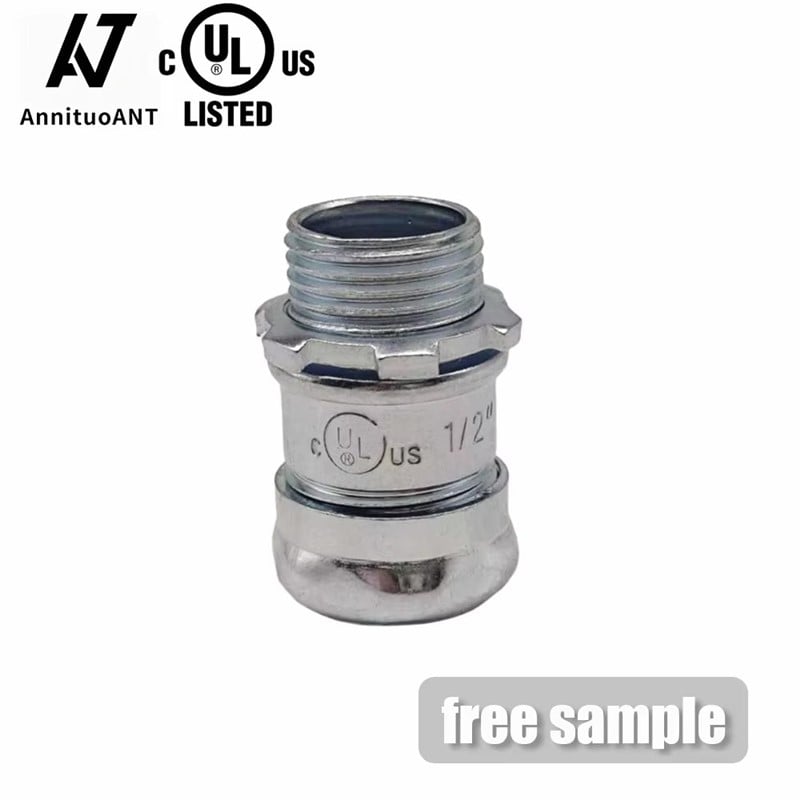
EMT pipe fittings are essential components in electrical installations, providing a secure and reliable connection for conduits in both commercial and residential projects. For B2B buyers, purchasing managers, and engineers, understanding the specifications, applications, and supplier reliability is crucial when selecting the right EMT pipe fittings. This article aims to equip you with the knowledge needed to make informed decisions in your sourcing process, covering key considerations, applications, and what to expect when working with manufacturers like Jiaxing ANT Electrical Co., Ltd.
When selecting EMT pipe fittings, several factors should be taken into account to ensure they meet the specific requirements of your project. First, consider the material of the fittings. EMT fittings are typically made from galvanized steel or aluminum, each offering different levels of durability and corrosion resistance. For instance, galvanized steel is often preferred for its strength and ability to withstand harsh environments, while aluminum is lighter and resistant to rust, making it suitable for specific applications.
Next, dimensions and compatibility are critical. Ensure that the fittings match the size and type of EMT conduit being used in your project. Incorrect sizing can lead to installation difficulties and potential safety hazards. Additionally, examine the certifications of the EMT pipe fittings. Products certified by UL/cUL and ETL/cETL standards provide assurance of quality and compliance with safety regulations. You may also want to explore our range of Nonmetallic Liquid-tight Conduit & fittings for additional options that meet similar standards.
Lastly, consider your project’s environmental conditions. If the fittings will be exposed to moisture or chemicals, verify their resistance to these elements. This ensures longevity and reduces the risk of failure in the installation.
Sourcing EMT pipe fittings from a reliable supplier is crucial for ensuring quality and timely delivery. Start by evaluating suppliers’ manufacturing capabilities. Look for manufacturers with experience in producing electrical equipment, like Jiaxing ANT Electrical Co., Ltd., which has over 14 years of expertise in the field. This experience often translates to better quality control and understanding of industry standards.
Additionally, assess the supplier’s quality control processes. A reputable manufacturer will have stringent quality checks in place throughout the production process. Request information about their inspection methods and any certifications that validate their adherence to quality standards.
Finally, consider the supplier's customer service and communication. A supplier that responds promptly to inquiries and provides comprehensive product information is more likely to be reliable. They should also be willing to collaborate on customization needs, ensuring that the products meet your specific requirements.
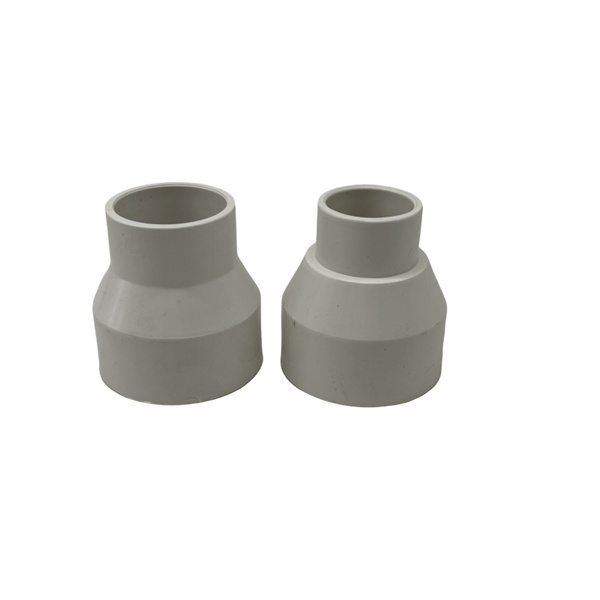
Cost is a significant factor when purchasing EMT pipe fittings in bulk. Several elements influence pricing, including the material used, the complexity of the design, and the manufacturing process. For instance, fittings made from more expensive materials or those requiring specialized fabrication will typically cost more. To explore cost-effective alternatives, consider our PVC Conduit/Pipe & Fittings, which may provide suitable solutions for various projects.
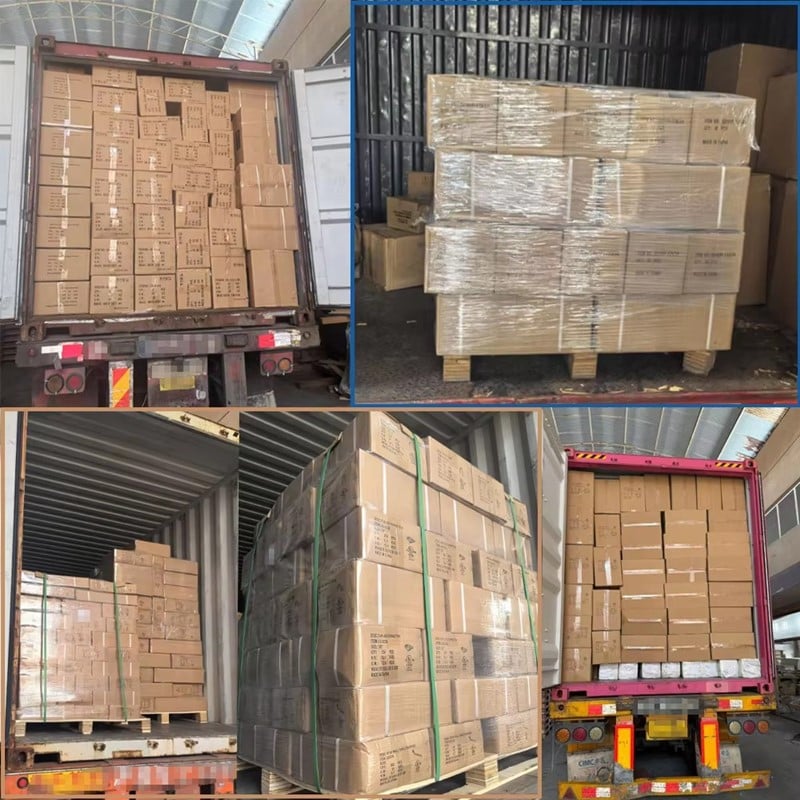
Another key factor is the minimum order quantity (MOQ). Many manufacturers have an MOQ that can affect the overall price per unit; larger orders often come with a discounted rate. Additionally, shipping and handling costs should be factored into the total price, especially if you are importing fittings from overseas.
Lastly, consider the lead time. A shorter lead time may come at a premium, while longer lead times may allow you to negotiate better pricing. Always ask for a comprehensive quote that includes all potential costs to avoid unexpected expenses later on.
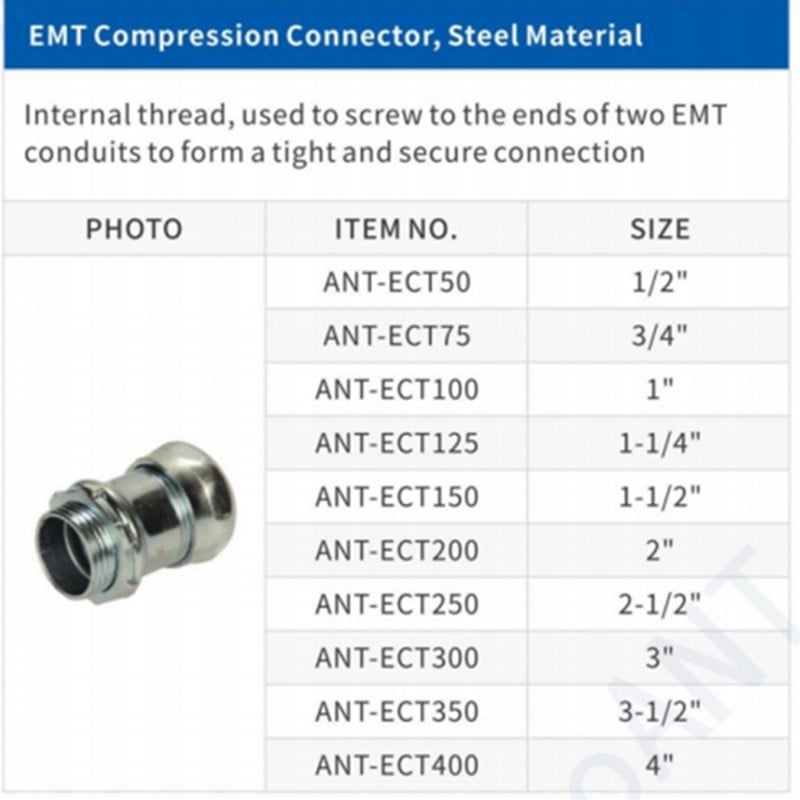
EMT pipe fittings serve a wide range of applications in both commercial and residential settings. In commercial projects, they are commonly used for electrical wiring systems, providing a robust framework for protecting electrical cables. This is particularly important in environments where safety and compliance with building codes are paramount.
In residential settings, EMT fittings are often employed in lighting installations, HVAC systems, and power distribution. Their lightweight nature and ease of installation make them a popular choice among contractors. Additionally, EMT fittings can be customized to accommodate specific design requirements, ensuring both functionality and aesthetic appeal in finished projects.
Understanding the intended application is essential when selecting EMT pipe fittings. Each use case may demand different specifications, such as load-bearing capacity or resistance to environmental factors, which should be confirmed with the manufacturer to ensure suitability.
At Jiaxing ANT Electrical Co., Ltd., we pride ourselves on offering a comprehensive range of EMT pipe fittings that meet the highest industry standards. Our products are manufactured under stringent quality control processes, ensuring they are reliable and durable for any application. With our experience in producing over 1,000 electrical equipment products, we provide a One-Stop Shopping Service that simplifies the sourcing process for our customers.
Our EMT pipe fittings stand out due to their certifications from UL/cUL and ETL/cETL, giving buyers confidence in their quality and safety. Furthermore, our two factories enable us to maintain high production capacity and flexibility, allowing for quick turnarounds on orders. We also offer OEM/ODM solutions, catering to specific customer needs and ensuring that the final product aligns perfectly with project requirements.
In summary, selecting the right EMT pipe fittings involves careful consideration of material, compatibility, and supplier reliability. By understanding the applications and cost factors associated with these products, buyers can make informed purchasing decisions that lead to successful project outcomes.