 EN
Quick Links
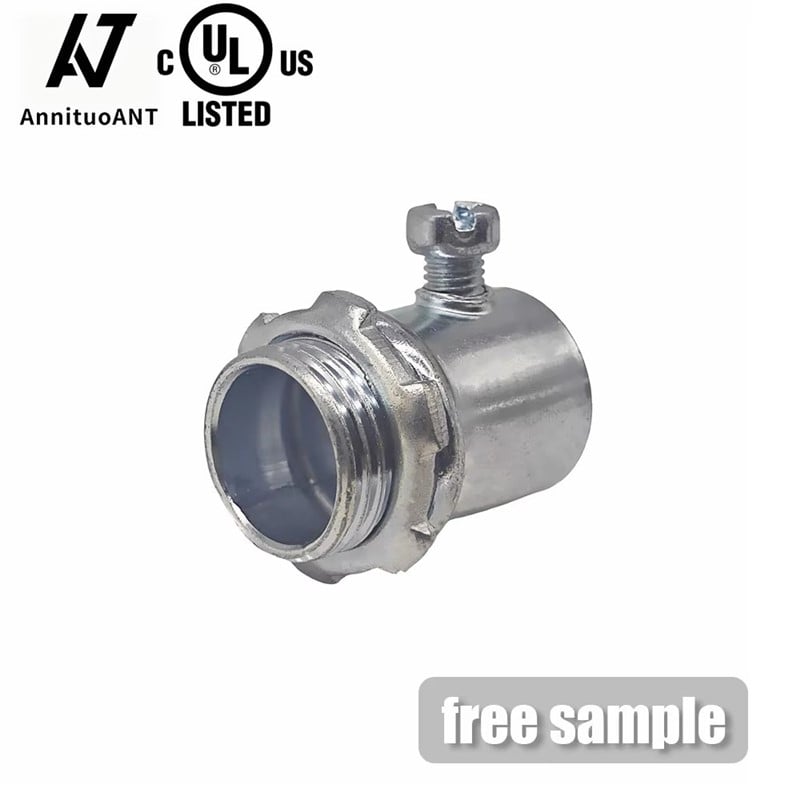
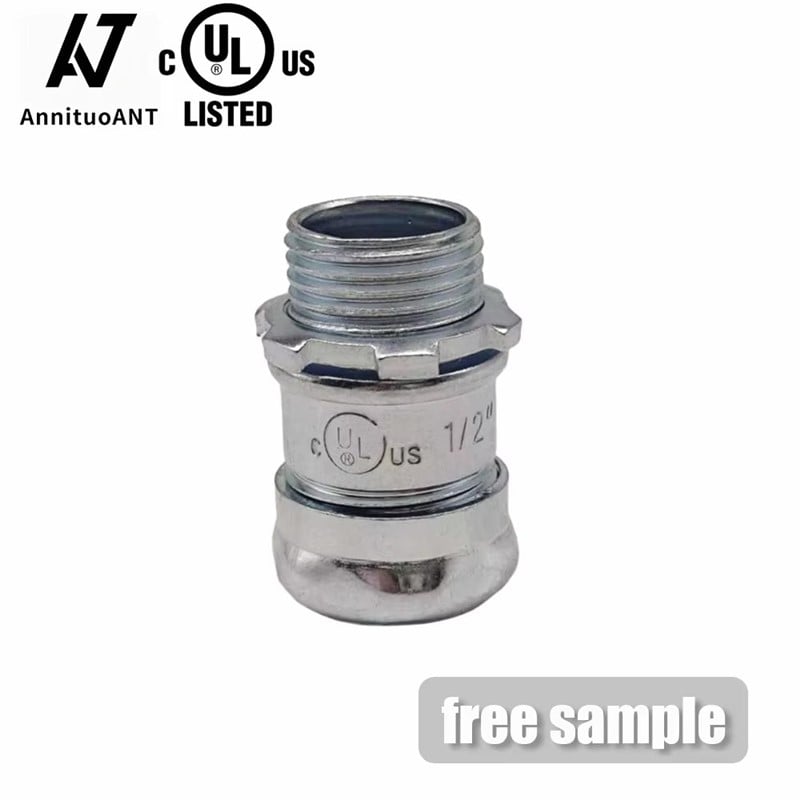
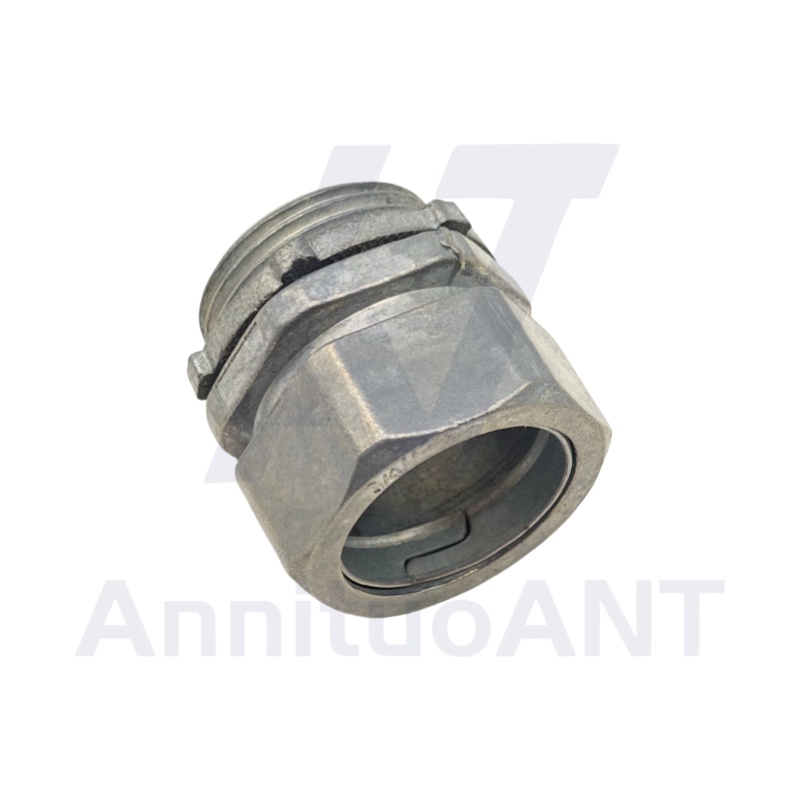
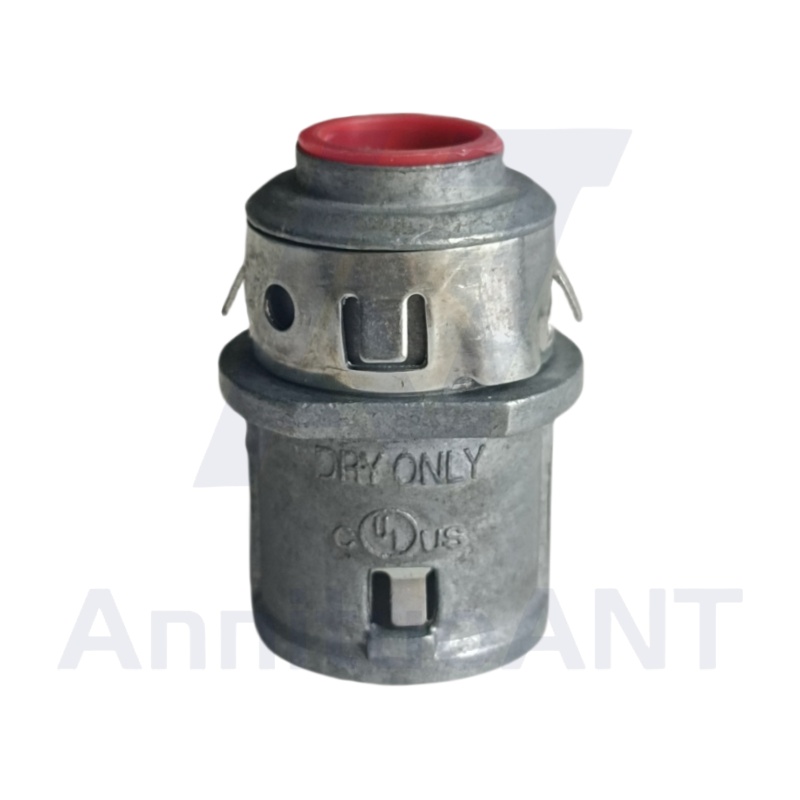
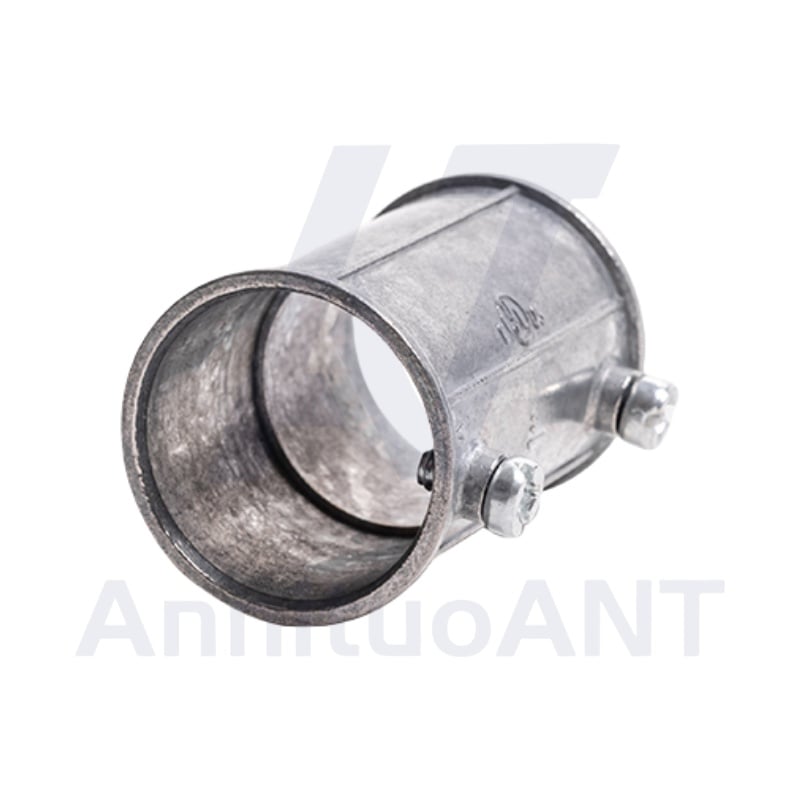
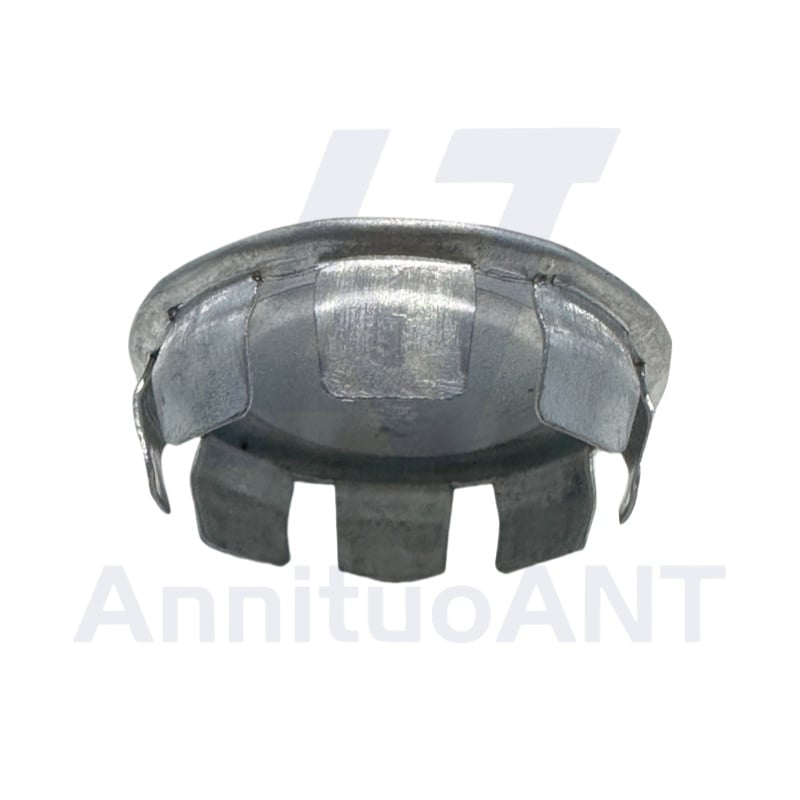
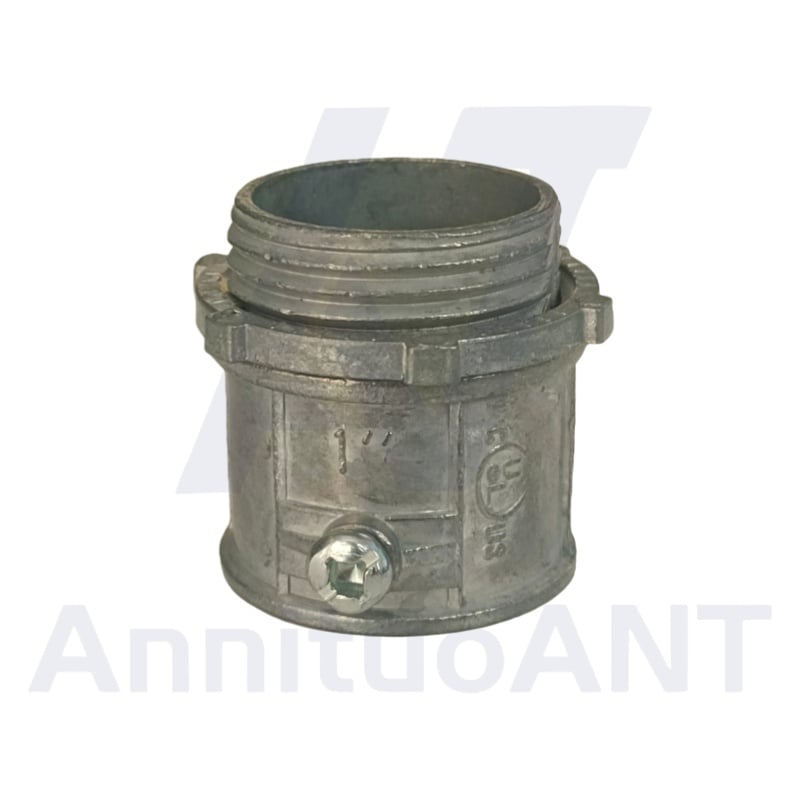
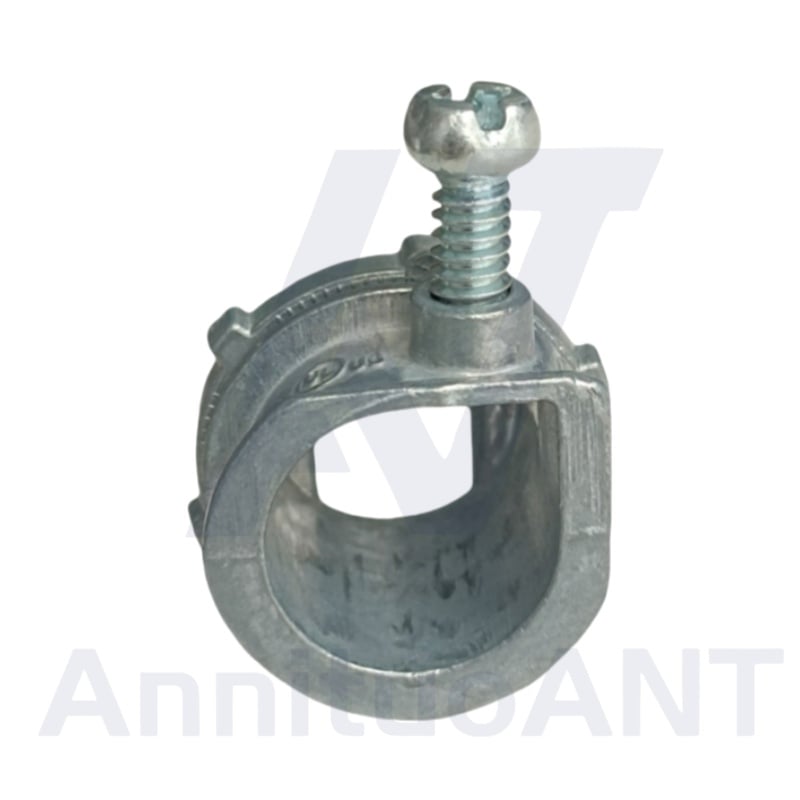
When sourcing EMT fittings, B2B buyers face important considerations that can impact project timelines, costs, and overall quality. EMT fittings, or Electrical Metallic Tubing fittings, are essential components in electrical installations, providing connections and protection for conductors. , we will explore what factors to consider when sourcing EMT fittings for bulk orders, the associated costs, best practices, the suitability for various commercial applications, and how to make informed purchase decisions.
When sourcing EMT fittings, it's crucial to evaluate the specifications and quality standards that meet your specific installation needs. Key considerations include:
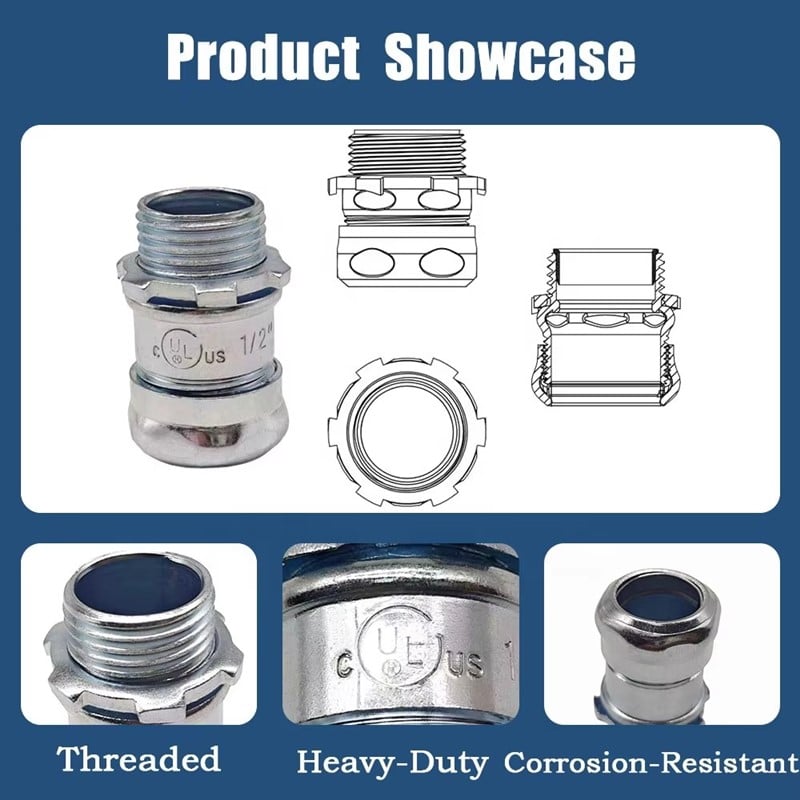
Material Composition: EMT fittings are typically made from steel, aluminum, or other metals. The choice of material affects the fitting's durability, conductivity, and resistance to corrosion. For instance, galvanized steel fittings offer rust resistance, making them suitable for outdoor applications, while aluminum fittings may be lighter and easier to handle. If you are looking for galvanized options, consider our US Standard Galvanized Steel 1 Gang Gangable Switch Box for added durability.
Compliance with Standards: Ensure that the EMT fittings are certified by recognized standards such as UL (Underwriters Laboratories) or ETL (Intertek). These certifications indicate that the products have undergone rigorous testing for safety and performance.
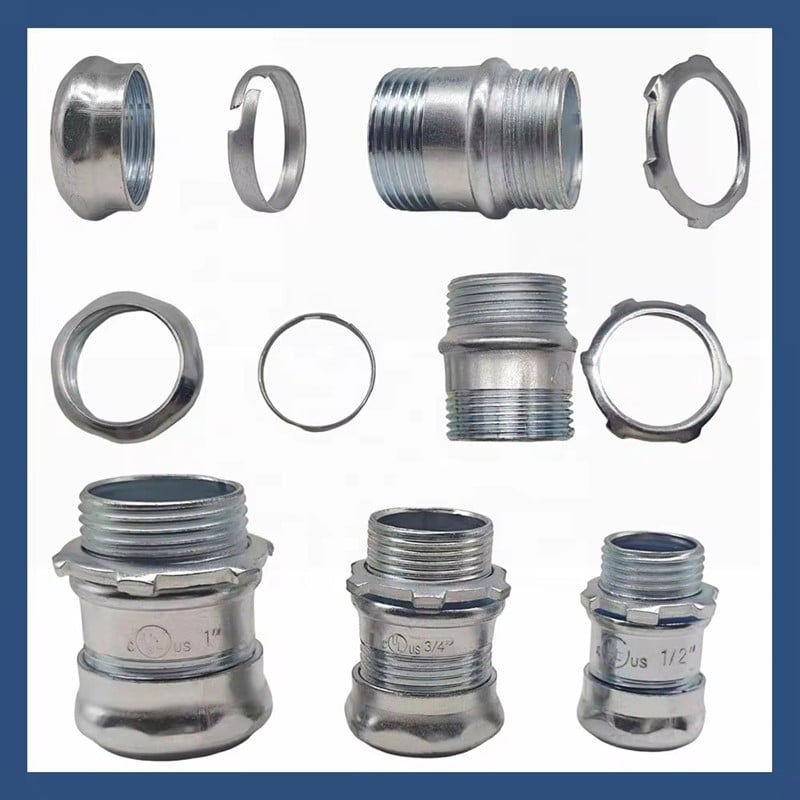
Compatibility with Existing Systems: Check that the EMT fittings you are considering can integrate seamlessly with the conduits and other electrical components you are currently using. This includes verifying that the sizes and threading are compatible.
Customization Options: Depending on your application, you may require custom fittings. Discuss with your supplier whether they offer OEM/ODM solutions to meet your specific design and functionality requirements.
Understanding these factors will help ensure that the EMT fittings you purchase will perform effectively in your intended application.
When purchasing EMT fittings in bulk, several cost factors should be taken into account:
Unit Price vs. Total Cost: While lower unit prices may be attractive, consider the total cost of ownership. This includes shipping, potential duties for imported goods, and any additional costs associated with returns or replacements.
Minimum Order Quantity (MOQ): Suppliers often have a minimum order quantity, which can affect your overall budget. Calculate how the MOQ aligns with your project needs to avoid excess inventory.
Shipping and Handling Fees: Bulk orders can incur significant shipping costs. Evaluate different shipping options and consider consolidating orders to minimize these fees.
Quality Assurance Costs: Investing in quality inspection services before accepting delivery can help avoid future costs related to defective products. Ensure that your supplier has a robust quality control process in place.
By carefully examining these cost factors, you can make a more informed purchasing decision that aligns with your project budget and requirements.
To ensure a successful sourcing experience for EMT fittings, consider the following best practices:
Request Samples: Before placing a bulk order, request samples to verify that the fittings meet your specifications. Inspect the samples for dimensions, fit, and overall quality.
Clear Communication: Provide your supplier with detailed specifications, including material requirements, sizes, and any necessary certifications. Clear communication reduces the risk of misunderstandings and ensures that you receive the correct products.
Evaluate Supplier Credentials: Assess potential suppliers based on their experience, certifications, and customer reviews. A well-established manufacturer like Jiaxing ANT Electrical Co., Ltd., with 14 years of experience and a diverse product range, can provide reliability and expertise.
Plan for Lead Times: Understand the lead times associated with manufacturing and shipping. This will help you avoid delays in project timelines and ensure that you have the EMT fittings on hand when needed.
Implementing these best practices can enhance the efficiency of your procurement process and improve the quality of the fittings you receive.
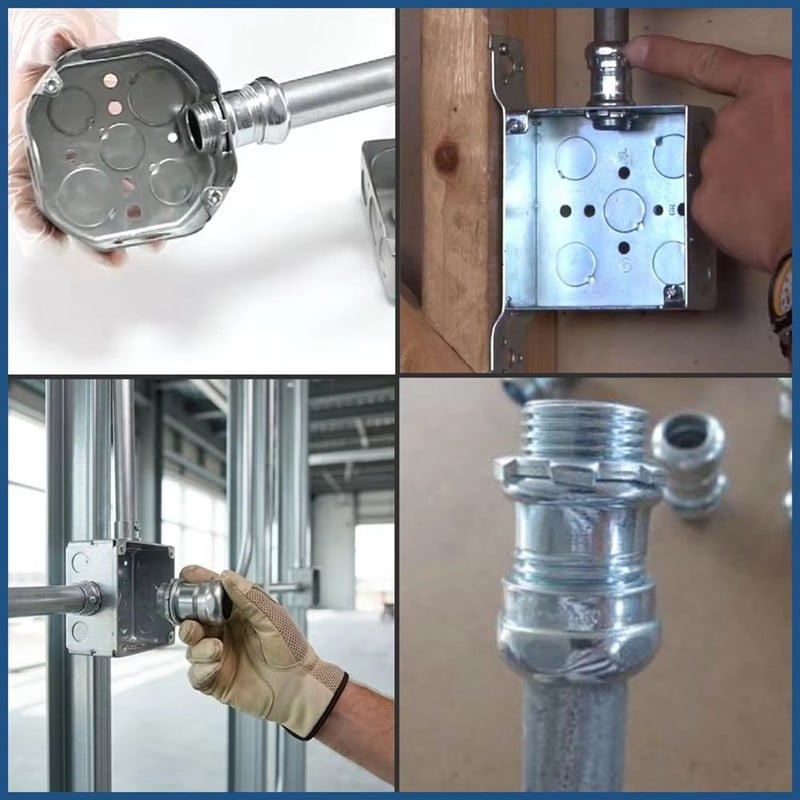
Different commercial applications may require specific types of EMT fittings. Here are some considerations for selecting the appropriate fittings:
Construction Projects: For new builds, EMT fittings must comply with local building codes. Ensure that the fittings are certified and suitable for the electrical loads expected in commercial environments.
Industrial Facilities: In industrial settings, fittings may need to withstand harsher conditions, such as exposure to chemicals or extreme temperatures. Select fittings made from corrosion-resistant materials for these applications.
Residential Installations: For residential projects, aesthetics may also play a role in selecting EMT fittings. Consider options that offer a polished finish or are easy to paint to match interior designs. Our 1 Gang Gangable Switch Box is an excellent choice that combines functionality with design.
Outdoor Use: For outdoor applications, ensure that the fittings are designed to resist moisture and UV exposure. Galvanized or coated options may be ideal for these conditions.
By evaluating the specific requirements of your application, you can choose the right EMT fittings that will perform reliably under the intended conditions.
Making an informed purchase decision for EMT fittings involves a thorough assessment of various factors:
Specification Verification: Confirm that the fittings meet your project specifications, including material, dimensions, and performance standards. This step is critical to ensuring compatibility and safety.
Supplier Reliability: Research potential suppliers and consider their manufacturing capabilities, quality control processes, and customer service. A reliable supplier will provide documentation to support their certifications and quality claims.
Cost Analysis: Conduct a comprehensive cost analysis that includes not just the purchase price but also future maintenance costs and the potential cost of delays due to quality issues.
Sample Testing: Before committing to a large order, test a small batch of fittings under actual operating conditions. This will help identify any potential issues before full-scale deployment.
By focusing on these key aspects, B2B buyers can enhance their decision-making process and ensure that they source high-quality EMT fittings that meet their needs effectively.