 EN
Quick Links
Electrical pipe fittings are essential components in electrical installations, designed to protect and facilitate the distribution of electrical wiring in various settings. For purchasing managers, engineers, and project managers, choosing the right electrical pipe fittings is critical for ensuring safety, compliance, and operational efficiency. This article will delve into the key specifications, material advantages, installation guidance, bulk order strategies, and common problems associated with electrical pipe fittings, empowering you to make informed decisions for your projects.
When selecting electrical pipe fittings, several key specifications should guide your decision-making process:
Material Type: Electrical pipe fittings are typically made from metallic (such as steel or aluminum) and non-metallic (such as PVC or HDPE) materials. Each type offers different advantages in terms of durability, corrosion resistance, and application suitability. For example, 1 Gang Adjustable Mud Rings Electrical Metal are a popular choice for many installations.
Size and Dimensions: Accurate sizing is crucial for ensuring compatibility with conduits and other electrical components. Fittings are available in various diameters and lengths, and it's essential to confirm that they align with the dimensions of your electrical system.
Certification Standards: Many electrical pipe fittings come with certifications such as UL/cUL and ETL/cETL, which ensure that they meet safety and performance standards. Always verify these certifications to ensure compliance with local regulations.
Temperature and Pressure Ratings: Different applications may require fittings that can withstand specific temperature ranges and pressure conditions. Assess the environmental factors of your installation to select the appropriate fittings.
Sealing and Protection Features: Look for fittings with proper sealing mechanisms to prevent moisture and dust ingress, which can compromise electrical systems. Features such as O-rings and gaskets enhance the reliability of the installation.
Understanding these specifications is vital for ensuring the effectiveness and safety of your electrical systems.
The choice between metallic and non-metallic electrical pipe fittings can significantly impact performance and durability.
Metallic Fittings: Typically made from steel or aluminum, metallic fittings offer superior strength and durability. They are resistant to impact and high temperatures, making them ideal for industrial settings. However, metallic fittings may be prone to corrosion, especially in humid environments, unless properly coated or treated.
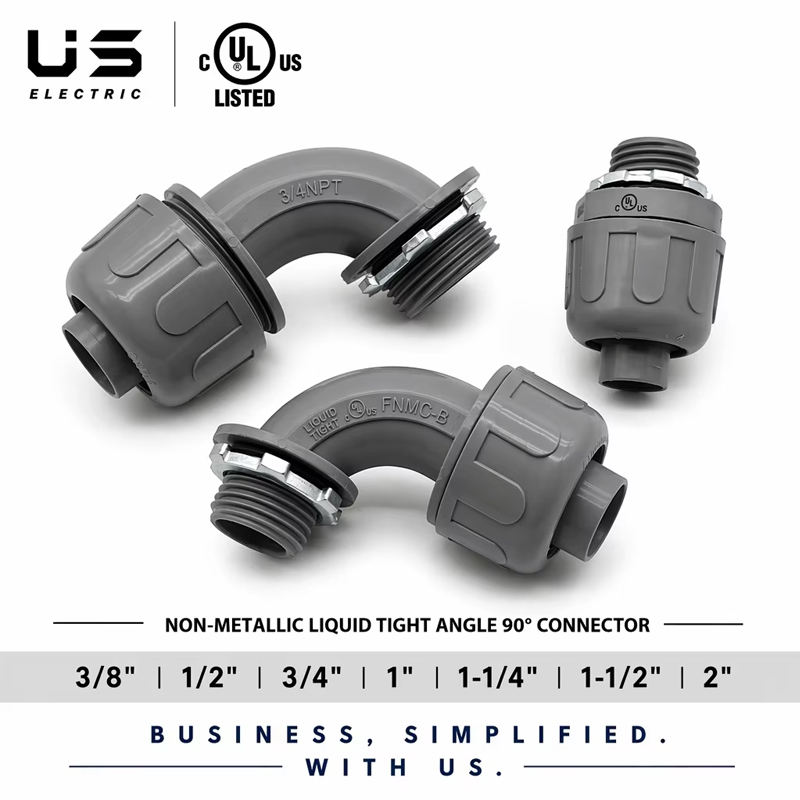
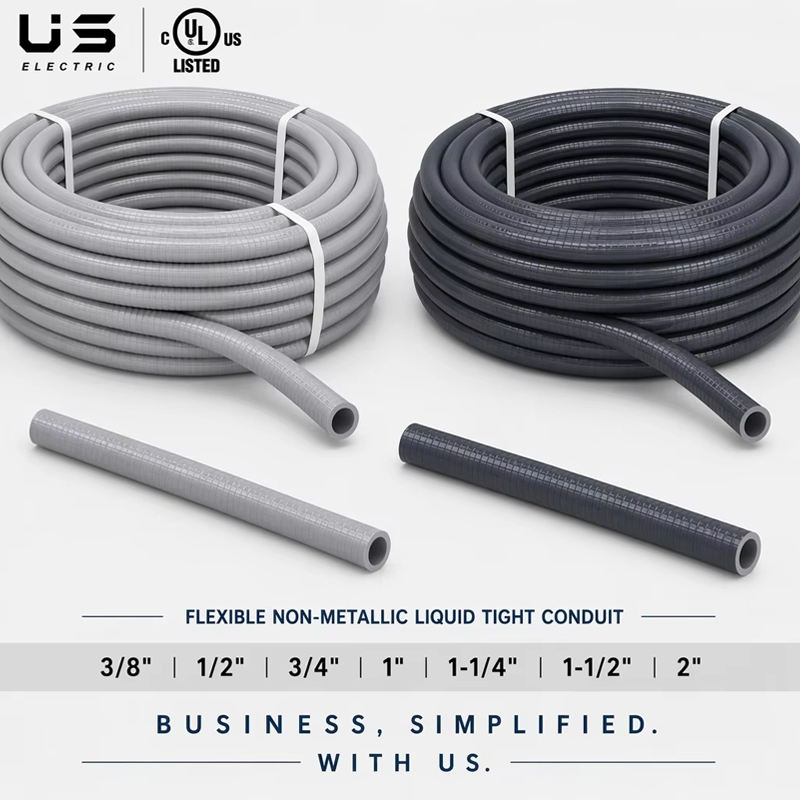
Non-Metallic Fittings: PVC and other non-metallic materials provide excellent resistance to corrosion, chemicals, and moisture. They are lightweight and easy to install, making them suitable for residential and commercial applications. However, they may not withstand high temperatures or heavy impacts as well as metallic options. For instance, the CETL Listed Single Gang Welded Metal Device Box is a reliable choice for various settings.
Choosing the right material depends on the application's specific environmental conditions and loading requirements. It's advisable to consult with your supplier to determine the best fit for your project.
Proper installation of electrical pipe fittings is essential for ensuring functionality and safety. Here are key steps and considerations:
Planning and Layout: Before installation, create a detailed layout of the electrical system, indicating where each fitting will be placed. This helps avoid misalignment and ensures that all components work together seamlessly.
Preparation of Conduits: Ensure that conduits are cut to the correct lengths and are free from burrs or sharp edges. This will facilitate a secure fit with the fittings and prevent damage during installation.
Securing Connections: Follow manufacturer instructions for securing fittings to conduits. Use the appropriate tools and techniques, such as threading or using solvent cement, to ensure a tight and secure connection.
Testing and Inspection: After installation, conduct thorough testing to verify that the electrical system is functioning as intended. Check for leaks, misalignments, and ensure that all fittings are properly secured.
Adhering to Local Codes: Always comply with local electrical codes and regulations during installation. This not only ensures safety but also avoids potential legal issues.
By following these guidelines, you can enhance the reliability and safety of your electrical installations.
When ordering electrical pipe fittings in bulk, there are several strategies to optimize costs and streamline the purchasing process:
Assessing Demand: Before placing a bulk order, accurately forecast your project's needs. Consider both current and future requirements to avoid overordering or underordering.
Supplier Relationships: Establishing strong relationships with suppliers can lead to better pricing and terms. Regular communication can also help with negotiating discounts for bulk purchases.
Consolidated Orders: If you have multiple projects, consider consolidating orders for different fittings to achieve volume discounts. This approach not only saves money but also reduces shipping costs.
Exploring Custom Solutions: If your projects require specific fittings, ask your supplier about OEM/ODM solutions. Custom fittings can optimize performance and compatibility, and they may be competitively priced in bulk.
Understanding MOQ: Familiarize yourself with the minimum order quantities (MOQ) required by suppliers. This can impact your purchasing strategy, so it's beneficial to align order sizes with these requirements.
Implementing these strategies can lead to significant cost savings and improved supply chain efficiency.
Despite their importance, electrical pipe fittings can encounter several common issues. Here are some potential problems and their solutions:
Corrosion: Metallic fittings are susceptible to corrosion, especially in harsh environments. To mitigate this, choose fittings with protective coatings or opt for non-metallic alternatives when applicable.
Improper Fit: Misalignment or incorrect sizing can lead to leaks and system failures. Always double-check dimensions and ensure proper installation techniques are followed.
Material Degradation: Non-metallic fittings may degrade over time due to exposure to UV light or extreme temperatures. Regularly inspect fittings and replace them as needed to maintain system integrity.
Electrical Shorts: If fittings are not properly sealed, moisture can lead to electrical shorts. Ensure that all connections are secure and that sealing mechanisms are intact.
Installation Errors: Incorrect installation can lead to various issues, from leaks to system malfunctions. Providing proper training for installation teams and adhering to manufacturer guidelines can help prevent these problems.
Addressing these common issues proactively can enhance the longevity and reliability of your electrical systems.
By understanding key specifications, material advantages, installation practices, bulk ordering strategies, and common problems, you can make informed decisions when sourcing electrical pipe fittings. This knowledge will help ensure that your electrical installations are safe, efficient, and compliant with industry standards.