 EN
Quick Links
Choosing the right electrical conduits and fittings is crucial for ensuring safe and efficient electrical installations in both commercial and residential projects. These components not only provide necessary paths for electrical wiring but also protect against environmental factors and physical damage. As a potential buyer, understanding the specifications, applications, and installation processes of electrical conduits and fittings will help you make informed decisions that meet your project requirements. For more information on related products, you can check out our Others section.
When selecting electrical conduits and fittings, it's essential to consider several factors that affect performance and compliance with safety standards. Key aspects include the material type, diameter, wall thickness, and application suitability.
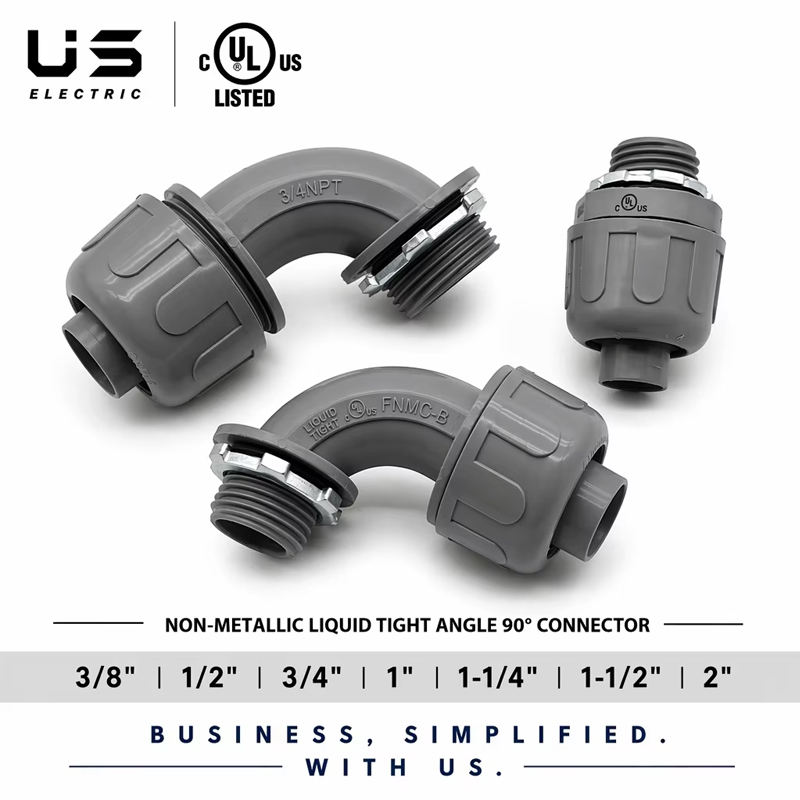
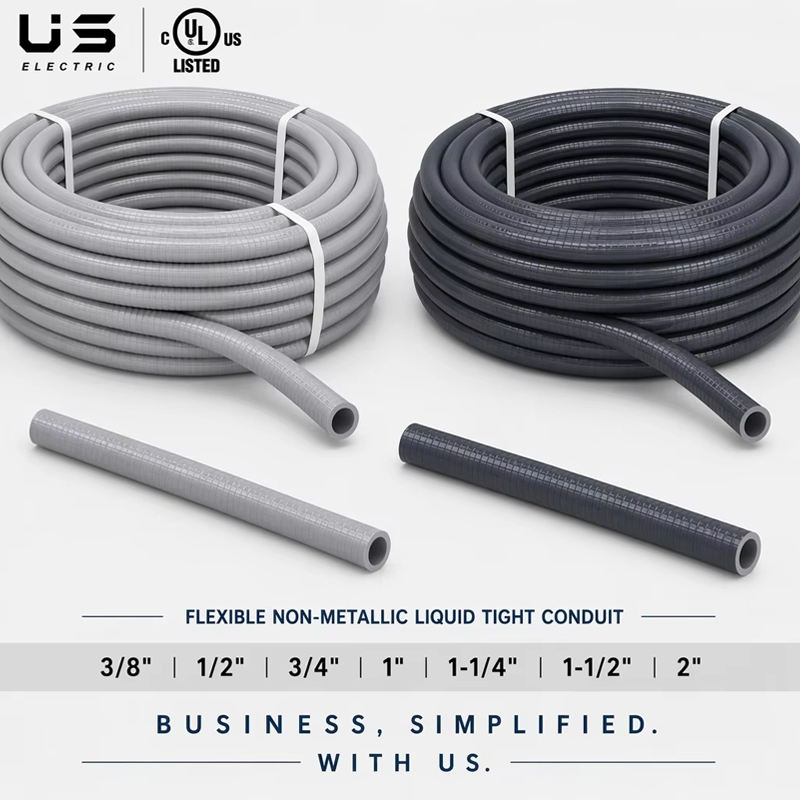
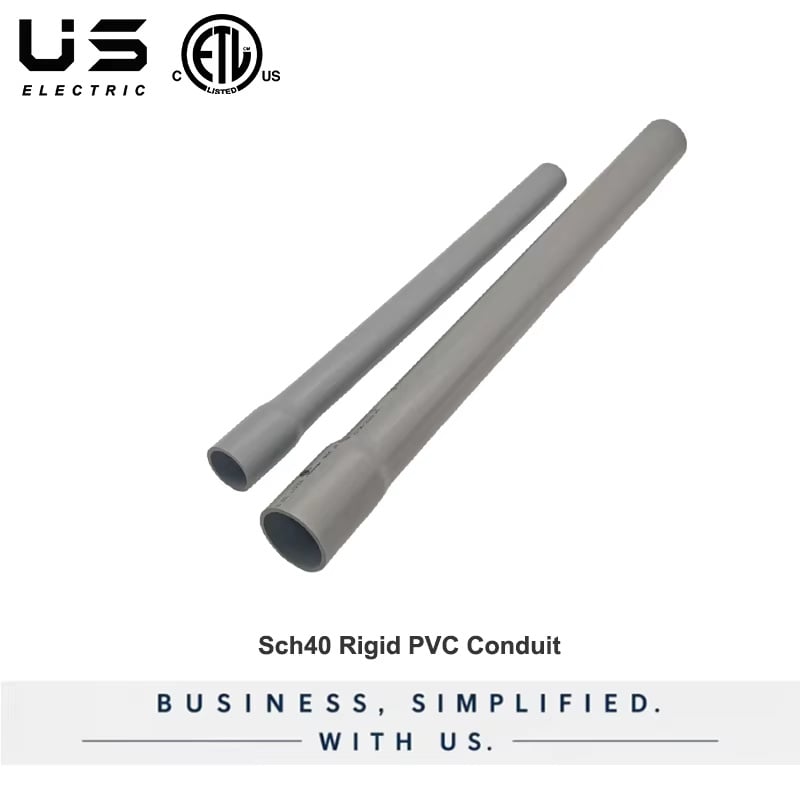
Material Selection: Electrical conduits are commonly made from materials like PVC, metal, or fiberglass. PVC conduits are lightweight and resistant to corrosion, making them suitable for indoor and outdoor applications. Metal conduits, such as EMT (Electrical Metallic Tubing) or rigid steel, offer superior durability and protection against physical impacts, making them ideal for heavy-duty installations. You may also want to explore options for Nonmetallic Liquid-tight Conduit & fittings.
Specifications: Pay attention to the conduit’s diameter and wall thickness. These specifications determine the conduit’s load-bearing capacity and flexibility. For example, a thicker wall may provide better protection but could be less flexible, which may be a consideration in tight installation spaces.
Compliance with Standards: Ensure that the conduits and fittings meet relevant industry standards, such as UL/cUL and ETL/cETL certifications. These certifications indicate that the products have been tested for safety and reliability, providing peace of mind for both installation teams and end users.
Understanding the specifications of electrical conduits and fittings is critical to their effective application in various environments. Common specifications include:
Diameter: The internal diameter affects the number of conductors that can be safely housed within the conduit. It’s crucial to select the right diameter based on the electrical load and the number of wires.
Wall Thickness: Thicker walls provide more protection against mechanical damage and environmental factors but can increase installation difficulty. Consider the application environment—outdoor installations may require thicker walls due to exposure to the elements.
Type of Conduit: Different types of conduits serve specific purposes. For instance, rigid conduits are suited for outdoor and industrial applications, while flexible conduits are ideal for tight spaces and areas that require movement.
Applications for electrical conduits and fittings range from residential wiring in homes to complex installations in commercial buildings and industrial settings. Each application may have unique requirements based on local regulations, environmental conditions, and safety standards.
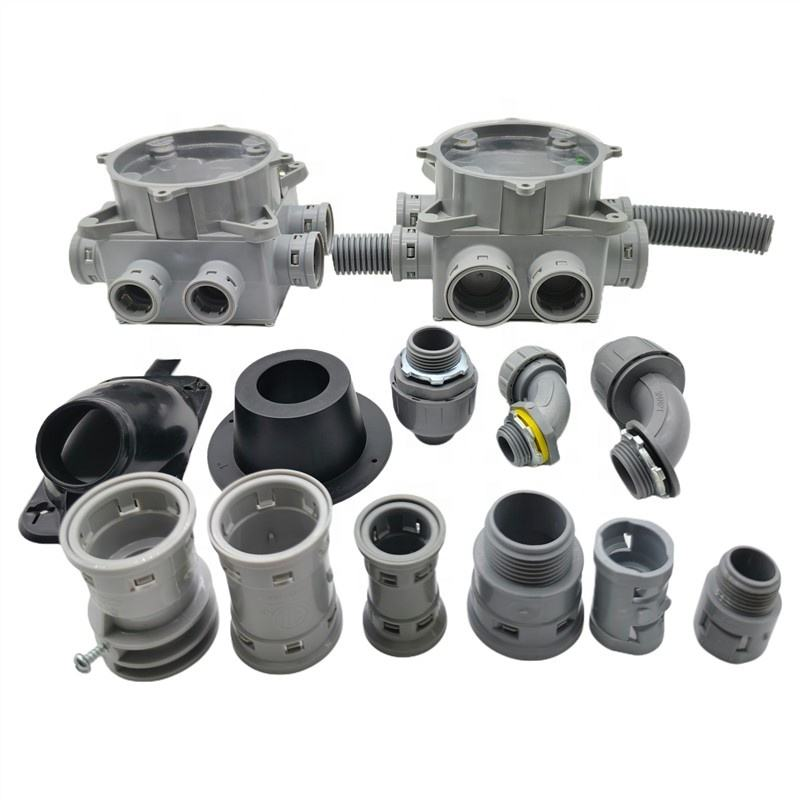
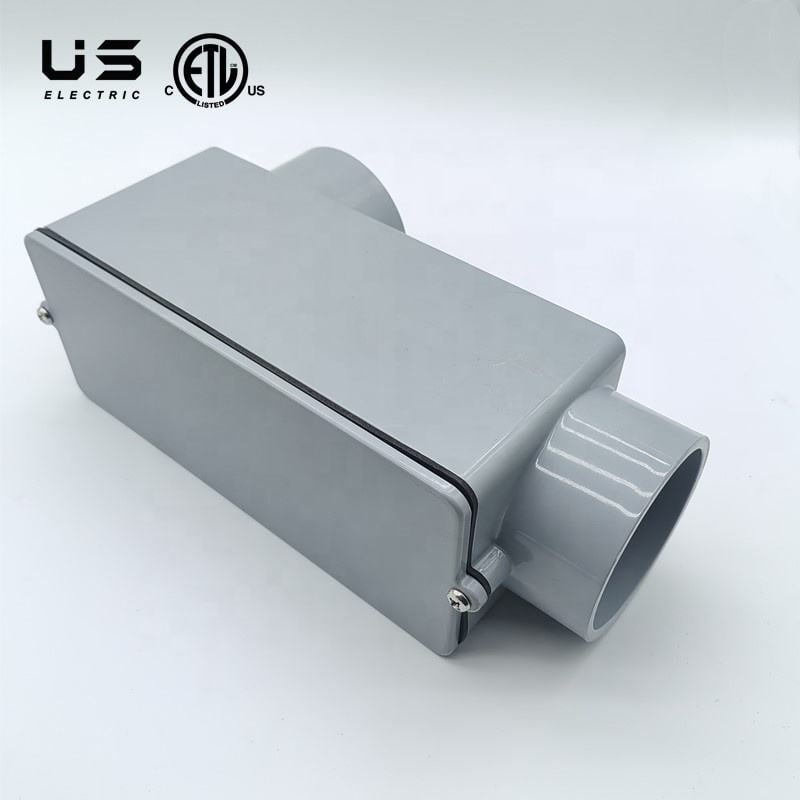
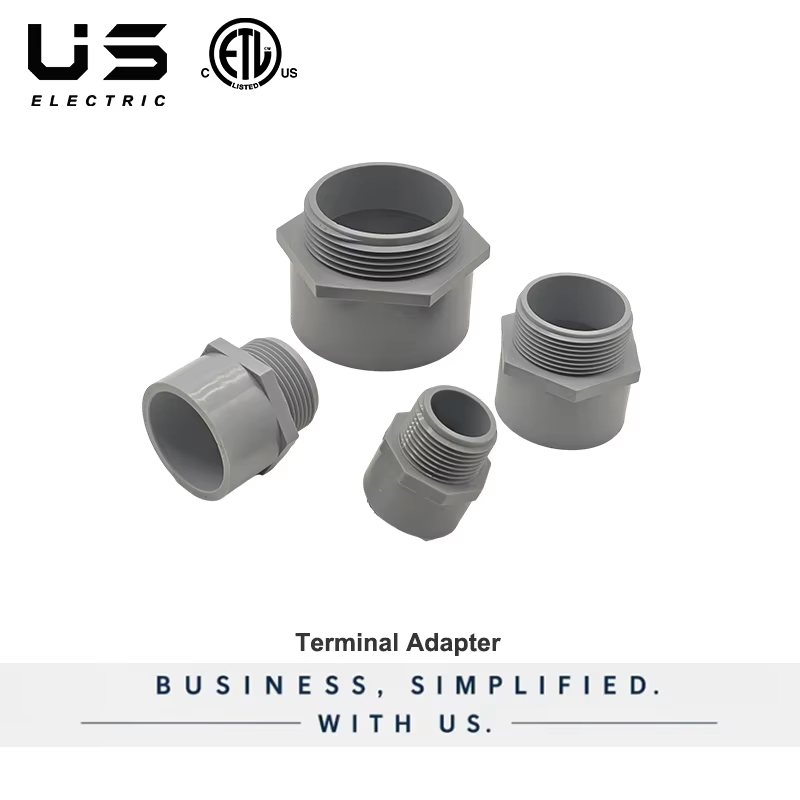
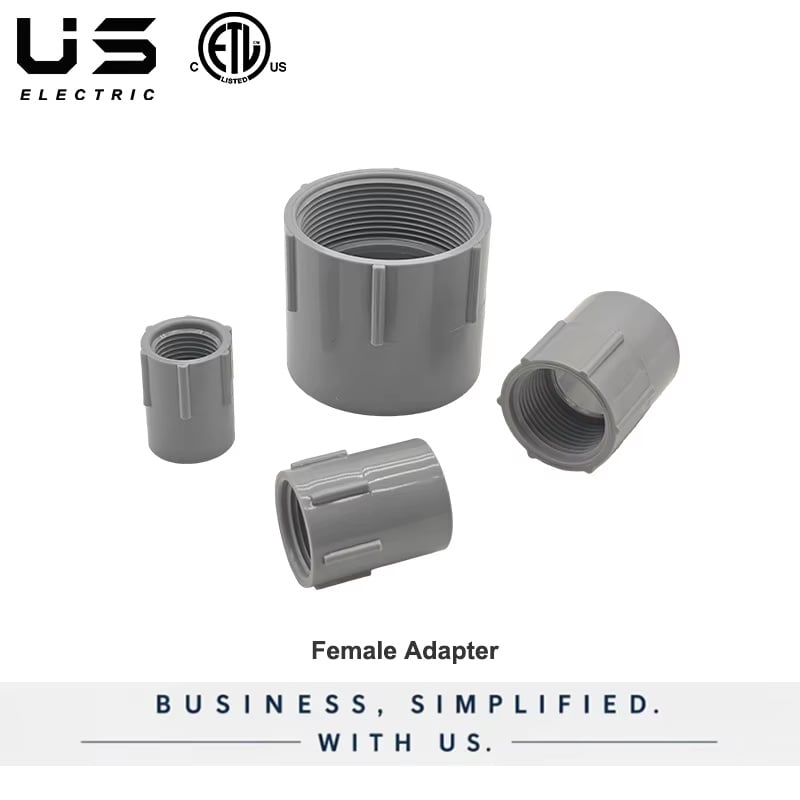
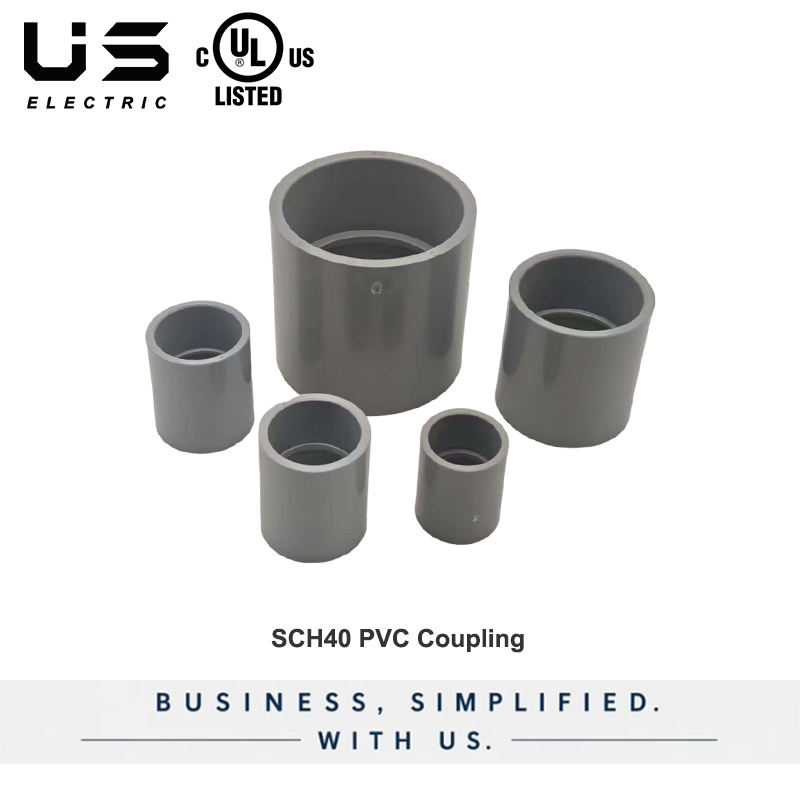
For large-scale projects, such as commercial buildings or industrial facilities, selecting the right electrical fittings is essential for ensuring efficient and safe electrical distribution. Electrical fittings include junction boxes, connectors, and couplings, which play a crucial role in connecting conduits and ensuring system integrity.
Load Requirements: Assess the electrical load that the fittings will support. High-load applications may require fittings made from robust materials, such as metal, to withstand stress and prevent failure.
Environmental Considerations: In environments exposed to moisture, chemicals, or extreme temperatures, corrosion-resistant fittings are necessary. Stainless steel or specialized plastic fittings can provide the durability required in these scenarios.
Compatibility: Ensure that the electrical fittings are compatible with the selected conduits. Mismatched fittings can lead to installation issues, increased costs, and potential safety hazards. You can find more about related electrical components in our HVAC & Accessories section.
Proper installation of electrical conduits and fittings is critical for ensuring safety and compliance with electrical codes. Here are some key considerations:
Planning: Before installation, create a detailed layout that includes the conduit path, locations of fittings, and junction boxes. This planning stage helps avoid unnecessary bends and turns that could impede wire pulling.
Cutting and Joining: When cutting conduits, ensure that the cuts are clean and square to facilitate proper joining. Use appropriate connectors or fittings to join sections of conduit securely, following the manufacturer's guidelines.
Sealing and Protection: In outdoor applications, use sealants or protective coatings to prevent water ingress and corrosion. This is especially important in areas where conduits may be exposed to harsh environmental conditions.
Inspection: After installation, conduct a thorough inspection to ensure all connections are secure, and there are no visible defects. This step is vital for identifying potential issues before the system is energized.
While electrical conduits and fittings are designed for durability, various issues can arise during their installation or use. Here are some common problems and recommended solutions:
Corrosion: In environments with high humidity or exposure to chemicals, conduits may suffer from corrosion. To mitigate this, use corrosion-resistant materials such as PVC or galvanized steel, and consider applying protective coatings.
Cracking or Brittle Conduits: Over time, certain materials can become brittle, leading to cracks. Regular inspections should be conducted, especially in older installations. If cracks are found, replace the affected sections immediately to prevent electrical hazards.
Improper Sizing: Using conduits that are too small can lead to overheating and increased resistance. Always calculate the required conduit size based on the number of wires and expected electrical load. If unsure, consult with a manufacturer or electrical engineer for recommendations.
Poor Connections: Loose or poorly connected fittings can lead to arcing or electrical failure. Ensure that all connections are tight and that the fittings are compatible with the conduits used.
By understanding these common issues and their solutions, you can maintain a safe and efficient electrical system, ensuring long-term reliability. Ultimately, selecting the right electrical conduits and fittings involves careful consideration of materials, specifications, and application suitability. By following best practices for installation and being aware of common issues, purchasing managers and project leads can ensure that their electrical systems meet safety standards while achieving operational efficiency.