EN
Quick Links
Rigid electrical conduits are essential components in electrical installations, providing a secure pathway for electrical wiring and protecting it from environmental hazards. As a B2B buyer, you may be concerned about durability, compatibility with various applications, regulatory compliance, and sourcing from reliable manufacturers. This article will help you navigate the complexities of selecting the right rigid electrical conduit, covering key specifications, supplier options, installation guidance, and factors influencing your decision-making process.
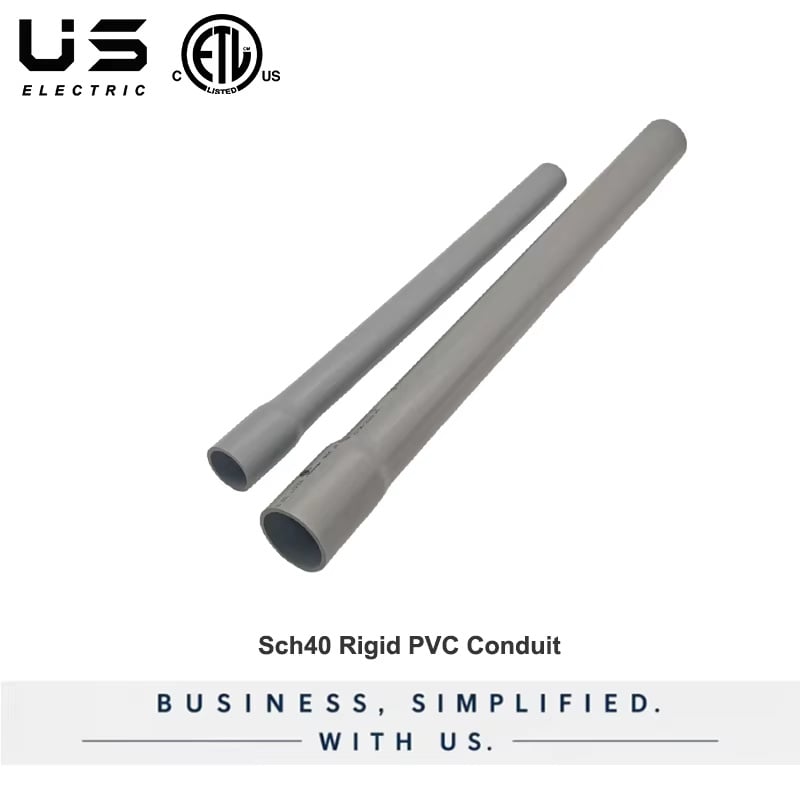
Selecting the appropriate rigid electrical conduit for your project involves understanding the specific requirements of your application. Rigid conduits are typically made from materials such as galvanized steel, aluminum, or PVC, each offering distinct advantages. For instance, galvanized steel conduits are ideal for environments where high strength and corrosion resistance are needed, while PVC conduits may be preferable in moisture-prone areas due to their lightweight nature and resistance to chemical exposure. If you're considering PVC options, you might want to explore our selection of PVC Conduit/Pipe & Fittings for better insights.
Consider factors such as the installation environment (indoor vs. outdoor), expected load and pressure requirements, and potential exposure to chemicals or extreme temperatures when making your choice. Additionally, ensure that the conduit you select meets the relevant industry standards for safety and performance, such as UL or ETL certifications.
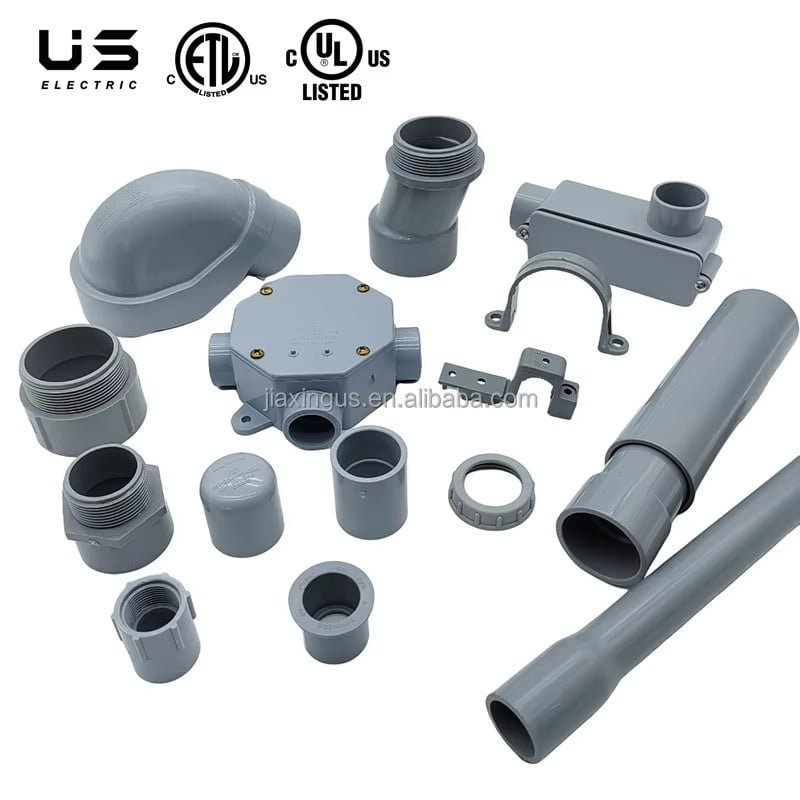
When sourcing rigid electrical conduits, several specifications are critical to ensure proper performance and compliance with industry standards:
Material: The material impacts durability, corrosion resistance, and weight. For example, steel conduits are robust but heavier, while PVC conduits are lighter and resistant to chemicals.
Dimensions: The diameter and length of the conduit must be suited to the wiring it will house. Ensure that the conduit can accommodate the number of wires and their gauge sizes without exceeding fill limits.
Wall Thickness: A conduit’s wall thickness affects its mechanical strength and resistance to impact. Thicker walls provide more protection, especially in high-traffic or industrial settings.
Certifications: Look for products that are UL or ETL certified to guarantee compliance with safety standards.
Sealing and Coating: For outdoor applications or environments exposed to moisture, ensure that the conduits have appropriate sealing or protective coatings to prevent corrosion and water ingress.
Understanding these specifications can help you make informed decisions and avoid common pitfalls, such as selecting a conduit that may not withstand the environmental conditions of your installation.
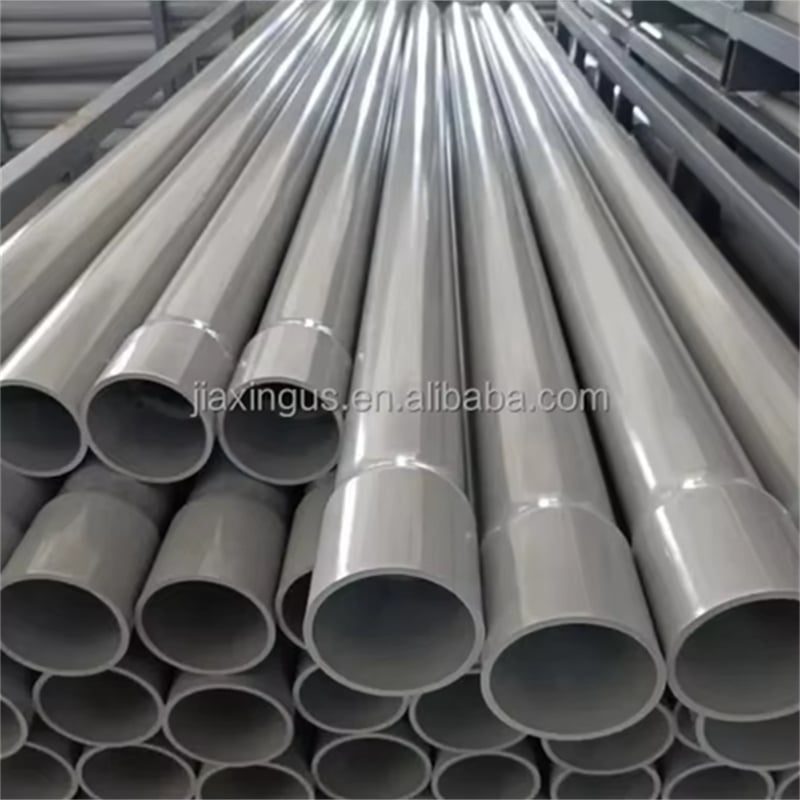
Finding a trustworthy supplier is crucial for ensuring the quality of rigid electrical conduits. Start by researching manufacturers with a proven track record in the electrical equipment industry. Look for suppliers that offer:
Certifications: Verify that the supplier's products are certified by reputable organizations.Experience: Companies with years of experience, like Jiaxing ANT Electrical Co., Ltd., are often more reliable due to their established quality control processes and production capabilities. If you're interested in a variety of electrical components, consider checking out our range of Other Electrical Accessories as well.OEM/ODM Solutions: Suppliers that provide Original Equipment Manufacturer (OEM) or Original Design Manufacturer (ODM) services can offer customization options to meet specific project requirements.Customer Reviews: Check testimonials and case studies to gauge customer satisfaction and product performance.Engaging with suppliers who have a comprehensive inventory and can support various applications will facilitate a smoother procurement process.
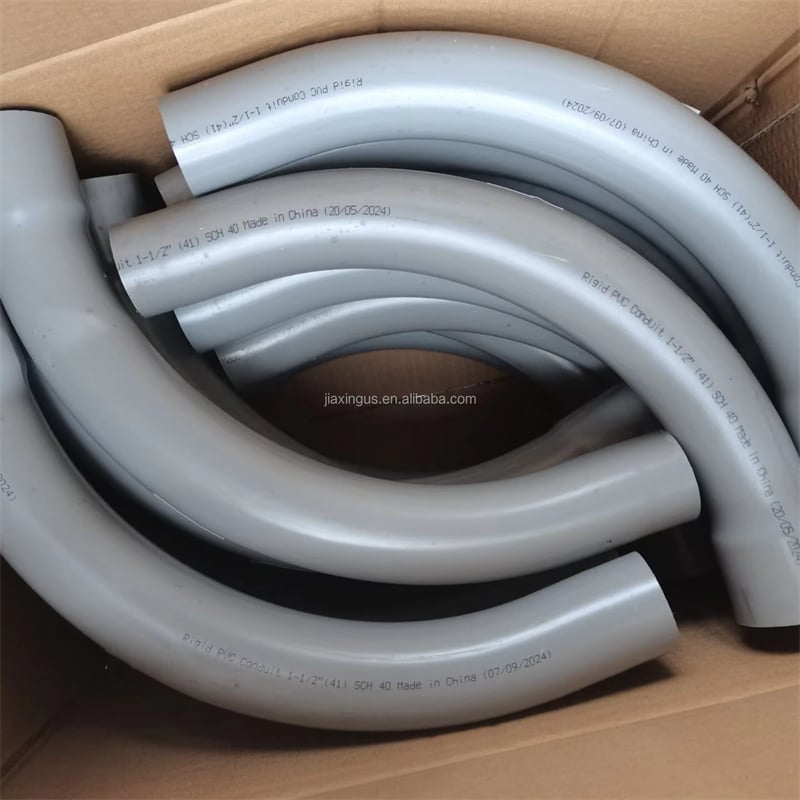
Proper installation of rigid electrical conduits is essential for ensuring safety and functionality. Here are some installation considerations based on common applications:
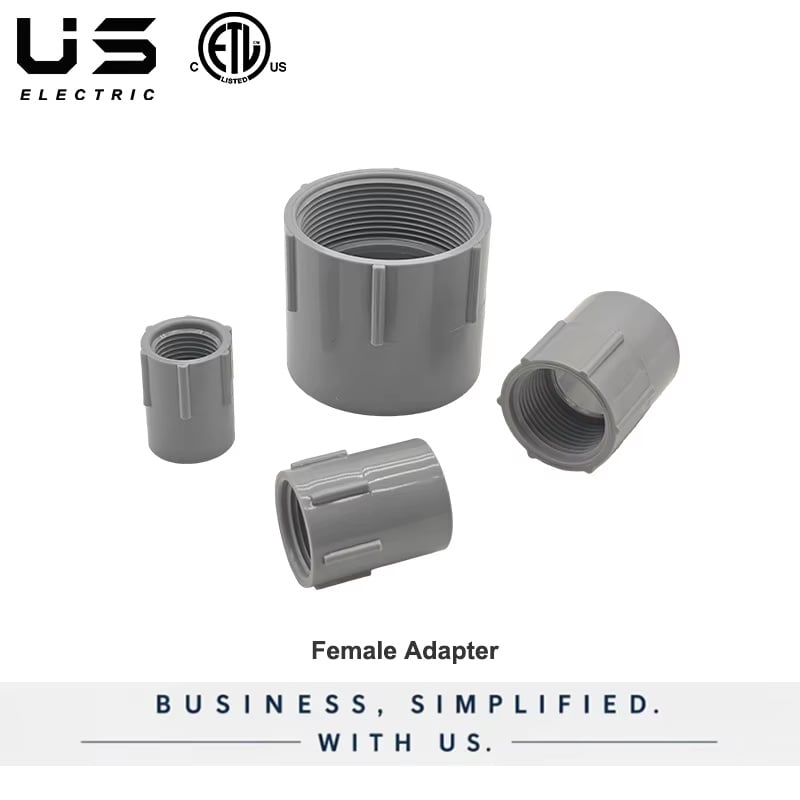
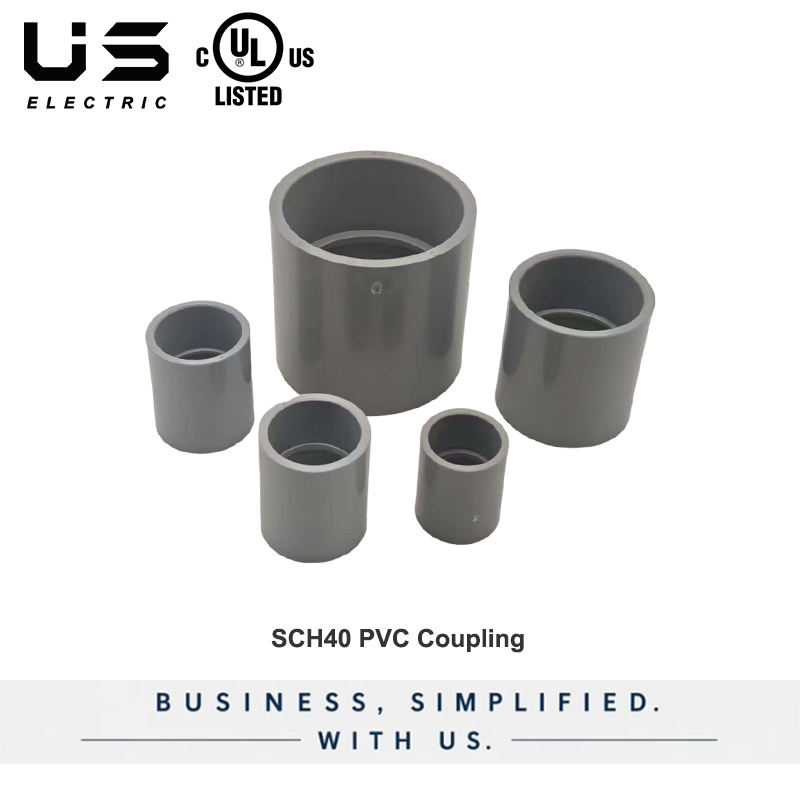
Commercial Buildings: When installing conduits in commercial settings, ensure that they are securely fastened and comply with local electrical codes. Use appropriate connectors and fittings to maintain the integrity of the conduit system.
Industrial Environments: In industrial applications, consider the potential for mechanical impact. Use heavier-duty conduits and ensure they are anchored securely to withstand vibrations and accidental impacts.
Outdoor Installations: For outdoor applications, select conduits with UV-resistant coatings to prevent degradation from sunlight. Ensure all connections are watertight to prevent moisture ingress.
Residential Applications: In residential settings, rigid conduits can be used for both indoor and outdoor wiring. Ensure that the installation follows the local electrical codes, particularly regarding grounding and bonding.
Before commencing installation, review the manufacturer’s guidelines and ensure all components are compatible with your specific application.
Deciding on the best type of rigid electrical conduit for your needs ultimately depends on several factors, including application, environmental conditions, and budget. Here are some considerations to help guide your decision:
Application Requirements: Assess the specific needs of your project. For example, if you require conduits that can withstand harsh weather conditions, a galvanized steel or PVC option may be more suitable than aluminum.
Cost Considerations: While it might be tempting to choose the least expensive option, consider the total cost of ownership, including installation, maintenance, and potential replacements. Investing in higher-quality materials can lead to better long-term performance.
Customization Needs: If your project has unique requirements, look for suppliers that can provide custom solutions. This can include specific lengths, diameters, or additional features that enhance performance.
Supplier Support: Consider working with a supplier that can offer technical support and guidance throughout the purchasing process. This can be invaluable in ensuring you choose the right product for your specific needs.
By carefully evaluating these factors, you can select the rigid electrical conduit that best fits your project requirements, ensuring safety, efficiency, and compliance with industry standards.