EN
Quick Links
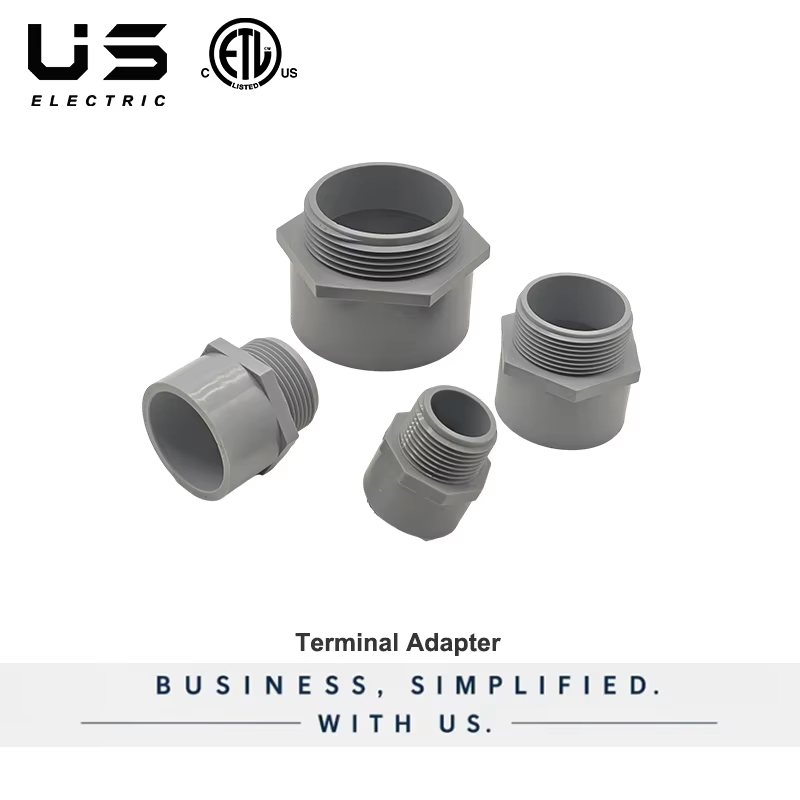
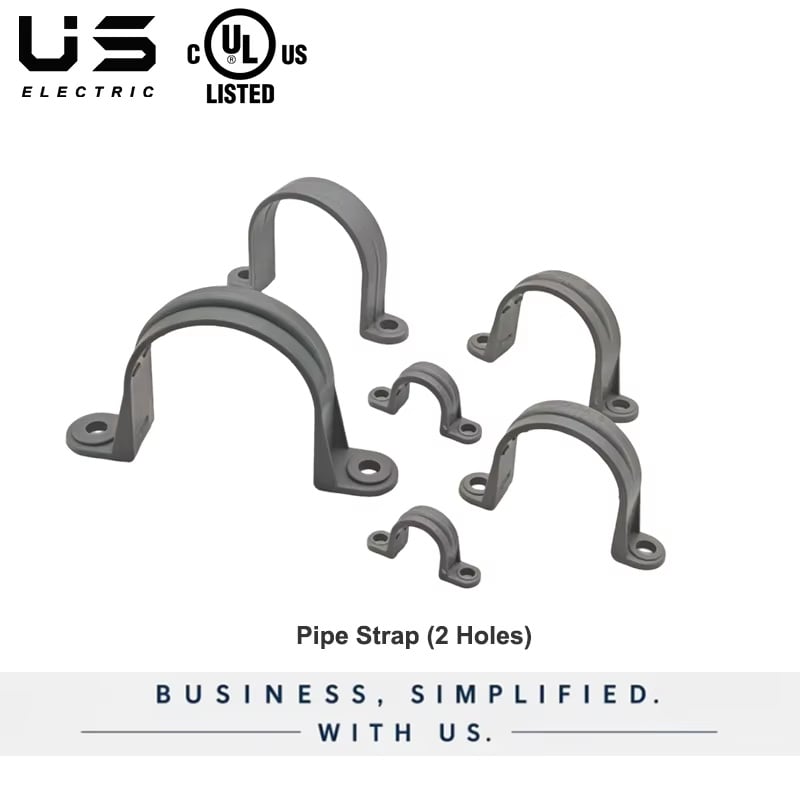
PVC electrical conduits and fittings are essential components in electrical installation, providing protection and routing for electrical wiring in both residential and commercial applications. As a purchasing manager or engineer, understanding the various options available, their specifications, and how to evaluate quality is crucial for effective project planning and execution. This article aims to equip you with practical insights into selecting the right PVC electrical conduits and fittings, assessing their quality, and troubleshooting common issues.
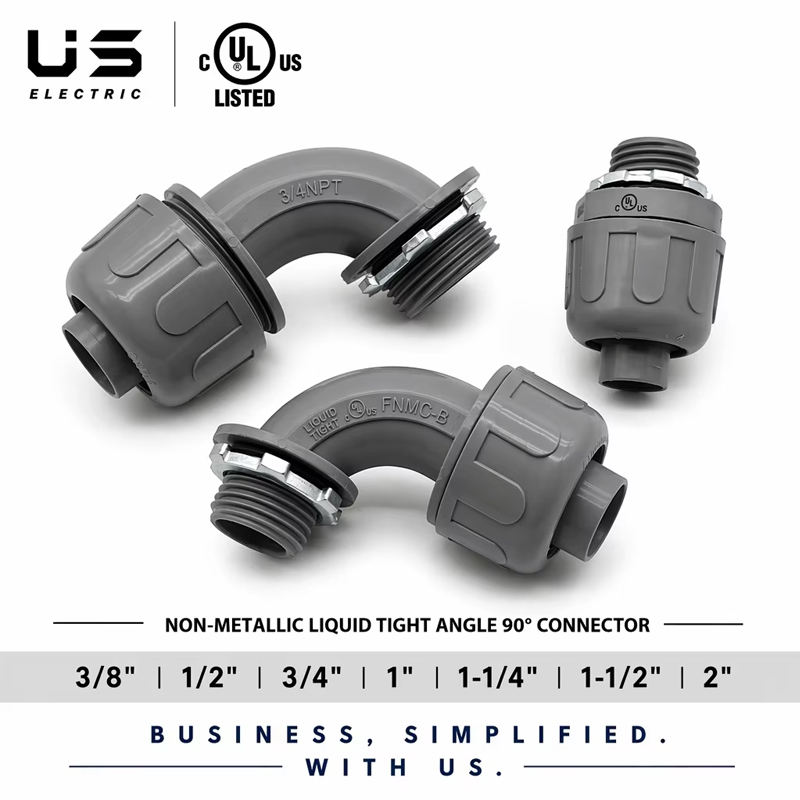
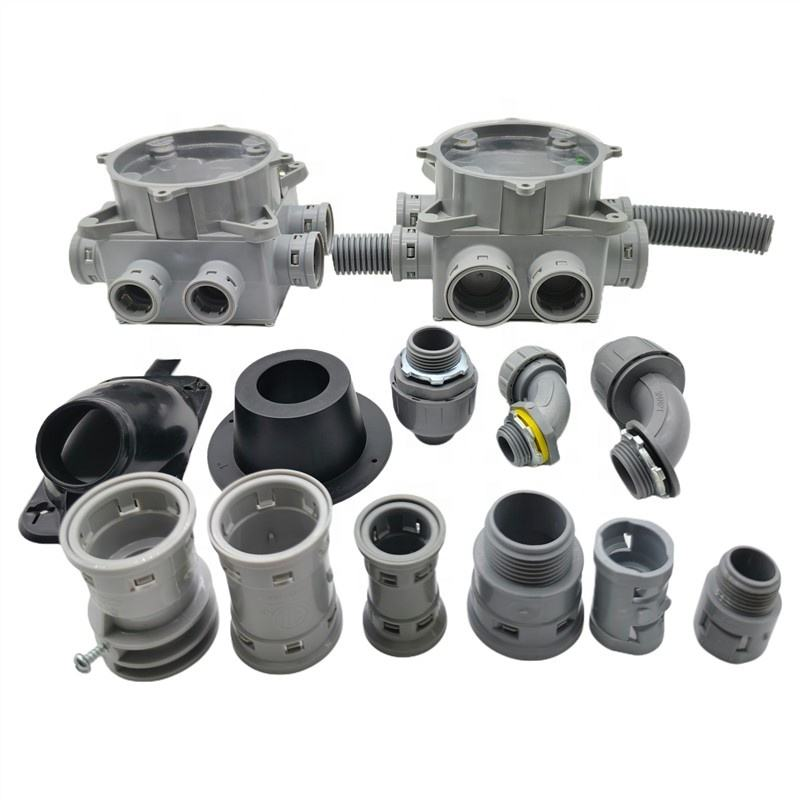
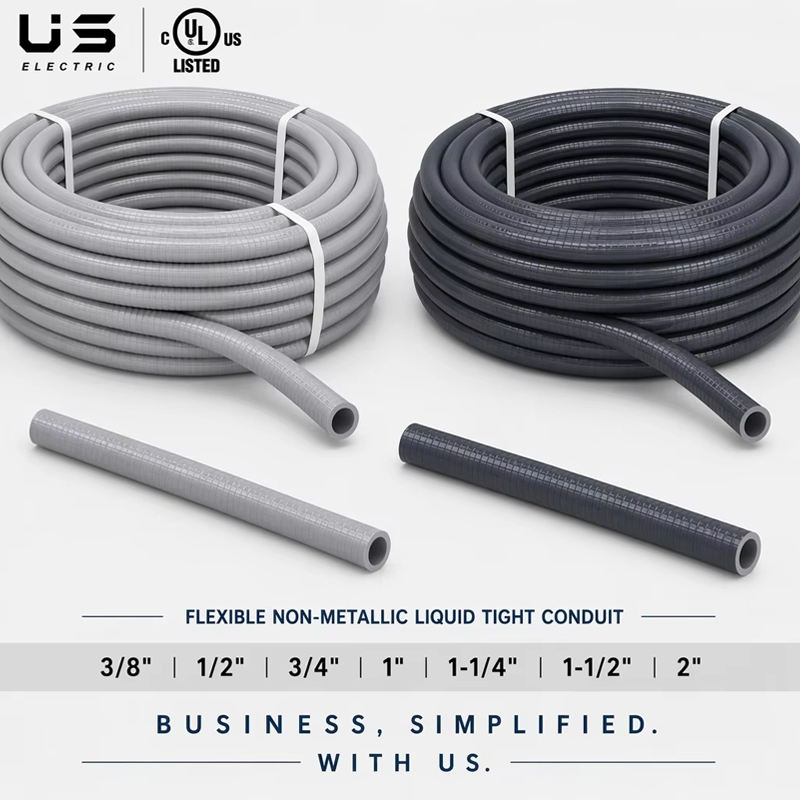
When selecting PVC electrical conduits and fittings, consider the specific requirements of your project, such as environmental conditions, installation methods, and electrical load. PVC conduits are typically chosen for their ease of installation, resistance to moisture, and cost-effectiveness. Nonmetallic Liquid-tight Conduit & fittings can also be a great option depending on your installation needs.
For outdoor applications, ensure the selected fittings are UV-resistant and suitable for exposure to the elements. In contrast, indoor installations may prioritize aesthetics and ease of integration with building structures. Always consider the conduit size and type (e.g., rigid, flexible) based on the volume of wiring and the bends required in your layout.
Working with a manufacturer like Jiaxing ANT Electrical Co., Ltd., known for a wide range of certified products, can simplify this process, offering tailored solutions and OEM/ODM services to meet specific project needs.
Evaluating the quality of PVC electrical conduits involves examining several factors. Start with the material specifications—ensure that the conduit is made from high-quality PVC that meets relevant industry standards, such as UL/cUL and ETL/cETL certifications. This guarantees that the products have undergone rigorous testing for safety and performance.
Next, assess the manufacturing processes employed. A reputable manufacturer like Jiaxing ANT will typically have strict quality control measures in place, including regular inspections during production and final testing of products. Confirming these processes can help mitigate risks associated with product failures. HVAC & Accessories also play a role in ensuring the overall efficiency of your electrical systems.
Finally, consider customer reviews and product performance data. Real-world feedback from previous projects can provide insights into durability and functionality, aiding in your decision-making.
Several key specifications should be assessed when selecting PVC electrical conduits:
Thickness: The wall thickness directly affects the conduit’s strength and ability to withstand external pressures. Thicker walls typically offer better protection but may be less flexible.
Diameter: Ensure the diameter matches the size of the wires being installed, allowing for adequate space and ease of pulling cables through the conduit.
Temperature Resistance: PVC materials may have different temperature ratings. Confirm that the product is suitable for the expected ambient temperatures in your application.
Bend Radius: Different applications may require varying bend radii. Ensure the selected conduits can accommodate the necessary bends without compromising performance.
Chemical Resistance: If the conduits will be exposed to chemicals or hazardous materials, verify that they are rated for such exposure.
By understanding these specifications, you can make informed choices that enhance the reliability and longevity of your electrical installations.
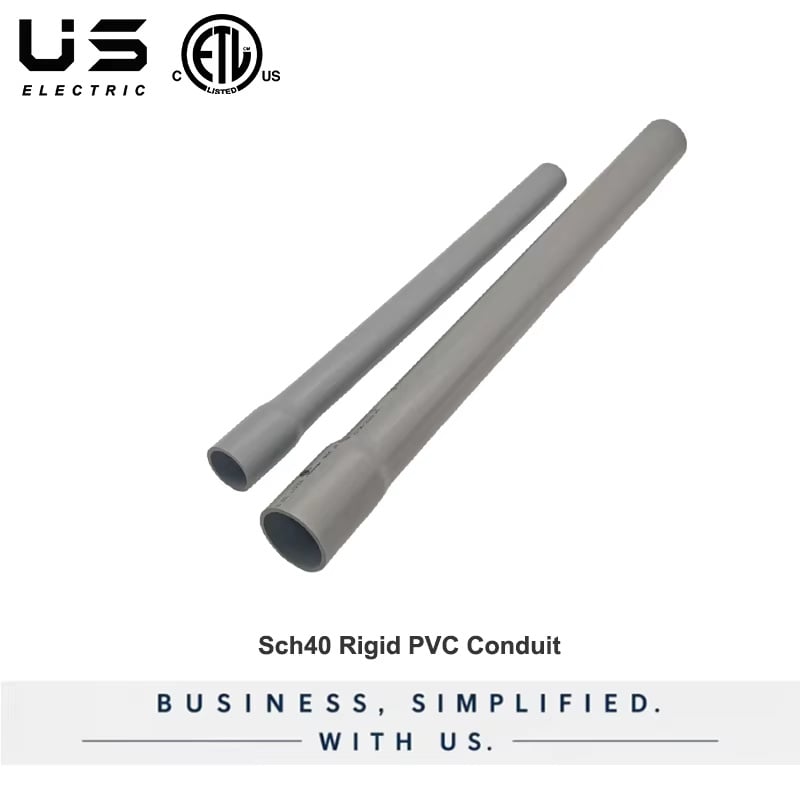
There are primarily two types of PVC electrical conduits: rigid and flexible.
Rigid PVC Conduits: These are ideal for straight runs and provide excellent protection against physical damage. They are commonly used in industrial and commercial settings where durability is a priority. Rigid conduits can be more challenging to install due to their lack of flexibility, requiring additional fittings for bends and turns.
Flexible PVC Conduits: These conduits are designed for applications that require bending and twisting. They are easier to install in tight spaces and are often used in residential applications. However, they may not provide the same level of protection against physical damage as rigid conduits.
When selecting between these types, consider the installation environment and specific application requirements to ensure optimal performance.
Common problems with PVC electrical fittings can include poor sealing, brittleness, and improper fit. Here are solutions to address these issues:
Sealing Issues: Ensure that fittings are compatible with the conduit size and type. Use appropriate sealants or adhesives if necessary, and verify that all connections are tight to prevent moisture ingress.
Brittleness: Over time, PVC can become brittle, especially when exposed to UV light or extreme temperatures. Select UV-resistant products for outdoor applications and check for manufacturer certifications to ensure longevity.
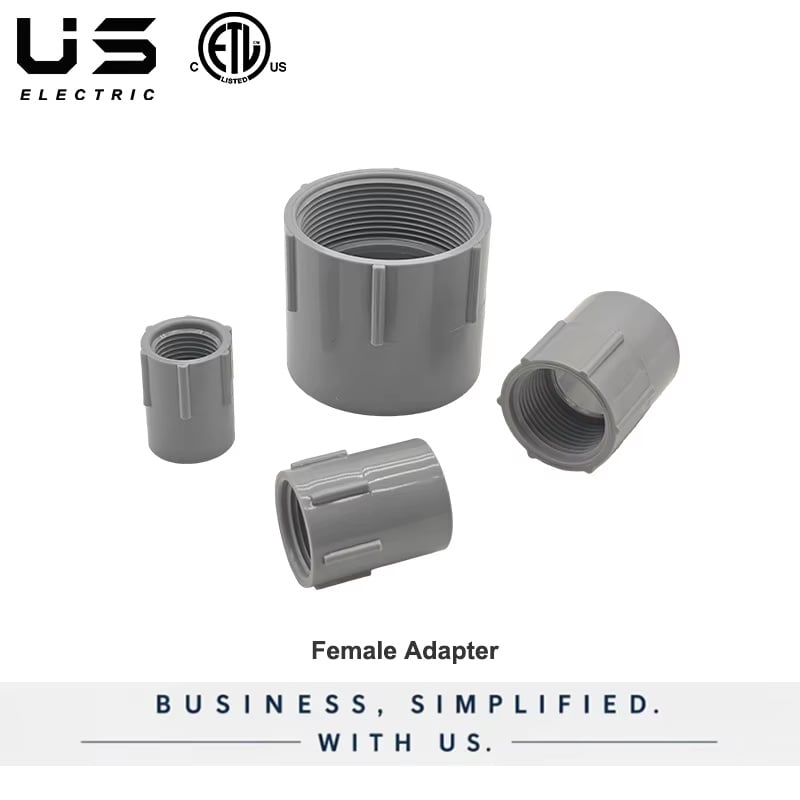
Improper Fit: Always check the specifications of fittings before installation. A mismatch can lead to installation difficulties and potential safety hazards. Request samples if possible to confirm fit and compatibility before mass production.
By proactively addressing these common issues, you can enhance the reliability and efficiency of your electrical systems.
In summary, selecting high-quality PVC electrical conduits and fittings involves a thorough evaluation of materials, specifications, and compatibility with project requirements. By leveraging the expertise of a trusted manufacturer like Jiaxing ANT Electrical Co., Ltd., you can ensure your electrical installations are safe, durable, and compliant with industry standards.