EN
Quick Links
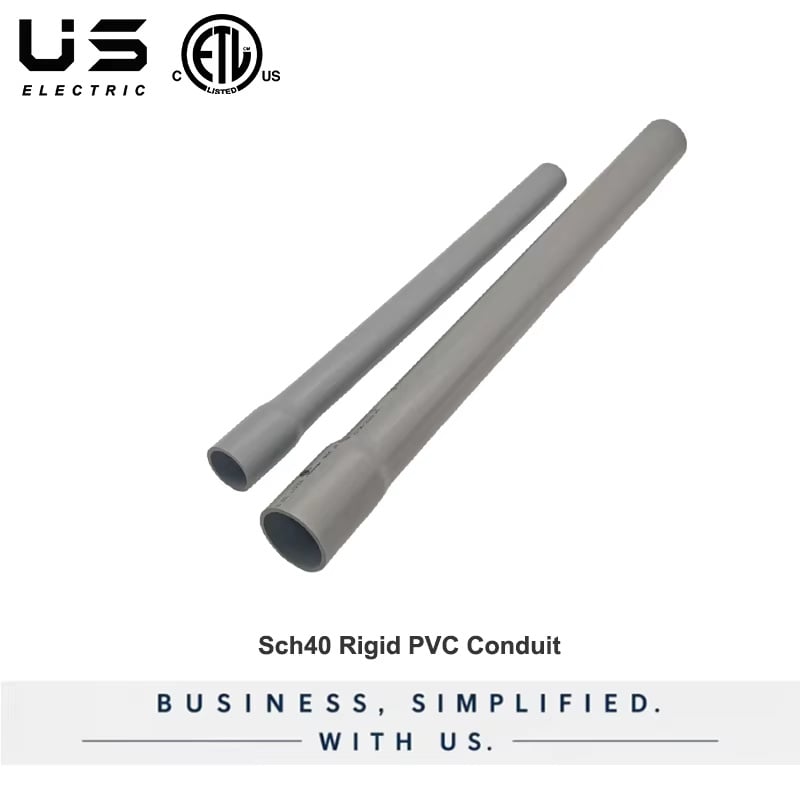
Rigid PVC electrical conduit is a widely used solution for protecting and routing electrical wiring in both commercial and residential applications. As a material known for its durability, lightweight nature, and resistance to corrosion, rigid PVC conduit offers significant advantages for electrical installations. Buyers often seek guidance on material specifications, installation best practices, and quality standards to ensure they make informed purchasing decisions. This article will cover essential information about rigid PVC electrical conduit, including how to choose the right product, installation best practices, quality evaluations, common installation issues, and finding reliable suppliers.
When selecting rigid PVC electrical conduit, it is crucial to consider several factors that align with your project's specific requirements. Start by examining the conduit’s diameter and length, as these dimensions will dictate its compatibility with existing systems and the application environment. Rigid PVC conduit typically comes in various sizes, and the appropriate choice will depend on the volume of wiring and the electrical load expected in the installation. Additionally, if you are looking for reliable options, consider checking out Nonmetallic Liquid-tight Conduit & fittings, which can provide additional solutions for your project.
Another essential factor is the conduit’s compliance with relevant standards, such as UL/cUL and ETL/cETL certifications. These certifications indicate that the product has met rigorous safety and performance criteria, ensuring its reliability in various applications. Additionally, consider the environmental conditions where the conduit will be installed. Rigid PVC conduit is well-suited for indoor and outdoor applications, but in areas with extreme temperatures or exposure to chemicals, verify that the specific product meets the necessary performance requirements.
Lastly, consider customization options offered by suppliers, especially if your project has specific installation challenges or unique environmental conditions. Suppliers like Jiaxing ANT Electrical Co., Ltd. provide OEM/ODM solutions that can tailor products to your specifications, allowing for enhanced compatibility with your project. Furthermore, exploring options like HVAC & Accessories can help you find additional components that might be essential for your electrical installations.
Proper installation is crucial for ensuring the longevity and effectiveness of a rigid PVC electrical conduit system. Begin by ensuring that the installation area is clean and free of debris, which can obstruct connections or cause damage. When cutting the conduit, use a suitable cutting tool to ensure clean edges, as rough cuts can create difficulties during assembly and may compromise the integrity of the installation.
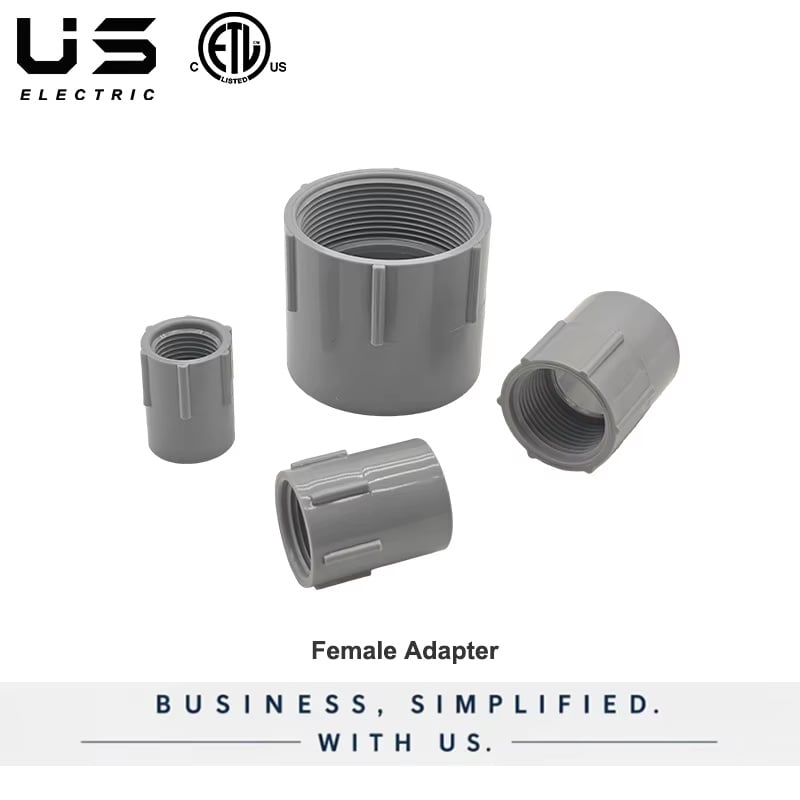
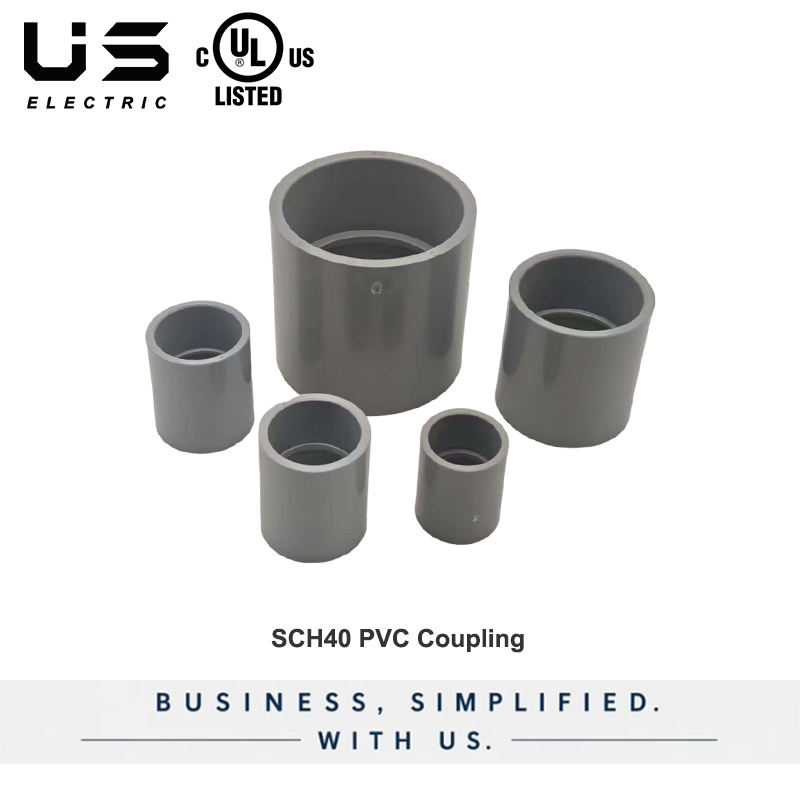
When joining sections of conduit, use appropriate fittings and solvent cement recommended by the manufacturer. It's essential to follow the manufacturer's instructions regarding the curing time of the cement before subjecting the conduit to any stress. Additionally, ensure that the conduit is properly supported according to local electrical codes to prevent sagging or movement that could compromise the system.
Lastly, conduct a thorough inspection after installation. Check for any visible cracks, misaligned fittings, or signs of stress. A detailed inspection helps identify potential issues before they escalate, ensuring the safety and reliability of the electrical system.

Quality standards play a significant role in ensuring that rigid PVC electrical conduit products are reliable and safe for use. When evaluating potential suppliers, look for compliance with recognized industry standards such as UL/cUL and ETL/cETL. These certifications indicate that the products have undergone rigorous testing for safety, performance, and durability.
Additionally, consider the manufacturer's quality control processes. A reputable supplier should have a robust quality assurance program in place, including regular testing of materials and finished products. During the procurement process, request documentation that outlines their quality control measures and any testing results for the specific products you are considering.
It's also beneficial to request samples before placing a bulk order. This allows you to assess the product's physical characteristics, such as thickness, flexibility, and durability under actual operating conditions. By thoroughly evaluating quality standards, buyers can mitigate risks and ensure they are investing in reliable products.
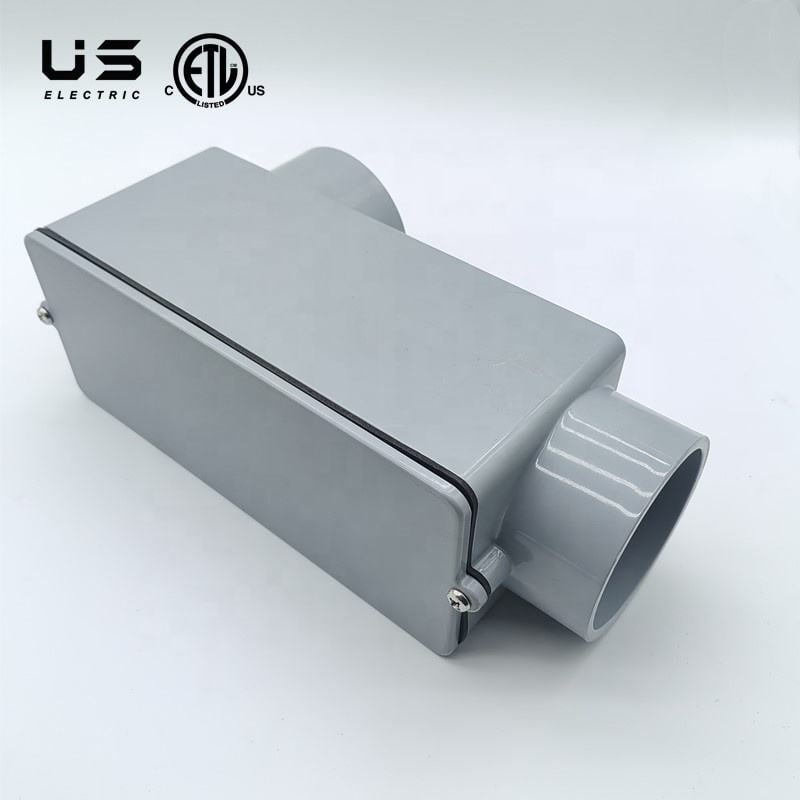
Despite its advantages, installing rigid PVC electrical conduit can present several challenges. One common issue is improper alignment between conduit sections, which can lead to leaks or electrical failures. To avoid this, ensure that all fittings are compatible and that the alignment is meticulously checked before securing them in place.
Another frequent problem is cracking due to thermal expansion or contraction. Rigid PVC can become brittle when exposed to extreme temperatures. To mitigate this, maintain proper spacing between conduit supports and avoid rigid connections in areas subject to temperature fluctuations. Using expansion fittings can also accommodate movement and prevent cracking.
If you encounter issues such as difficulty in bending or shaping the conduit, consider using heat to soften it slightly, but be cautious to avoid overheating, which can weaken the material. Understanding these common installation problems and their solutions can help ensure a successful installation and long-term reliability of the electrical system.
Finding a reliable supplier for rigid PVC electrical conduit is crucial for ensuring product quality and consistent supply. Start by researching manufacturers with a proven track record in the industry. Look for companies that have been in business for several years, as experience often correlates with product reliability and customer service.
Jiaxing ANT Electrical Co., Ltd., for example, has over 14 years of experience in manufacturing electrical equipment and supplies. Their extensive product range, which includes certified rigid PVC electrical conduits, highlights their capability to meet diverse customer needs.
Additionally, consider suppliers that offer a One-Stop Shopping Service, as this can simplify the procurement process and reduce lead times. Compare pricing, minimum order quantities (MOQs), and customization capabilities among different suppliers. Requesting quotes and samples can also help you evaluate the supplier's responsiveness and willingness to meet your project specifications.
By carefully assessing potential suppliers, you can establish a reliable partnership that supports your project's success and ensures high-quality installations.