 EN
Quick Links
PVC electrical conduit pipes are essential components in electrical installations, providing a protective pathway for electrical wiring. As a B2B buyer, you might focus on several factors including durability, compliance with safety standards, and cost-effectiveness. This article will help you navigate these considerations when selecting PVC electrical conduit pipes for your projects, ensuring you make informed purchasing decisions.
When selecting PVC electrical conduit pipes, several key specifications should be evaluated to ensure compatibility with your project requirements.
Diameter: The internal diameter must accommodate the number and size of wires intended for use. Oversized conduits may lead to unnecessary costs, while undersized ones can cause overheating and wiring damage.
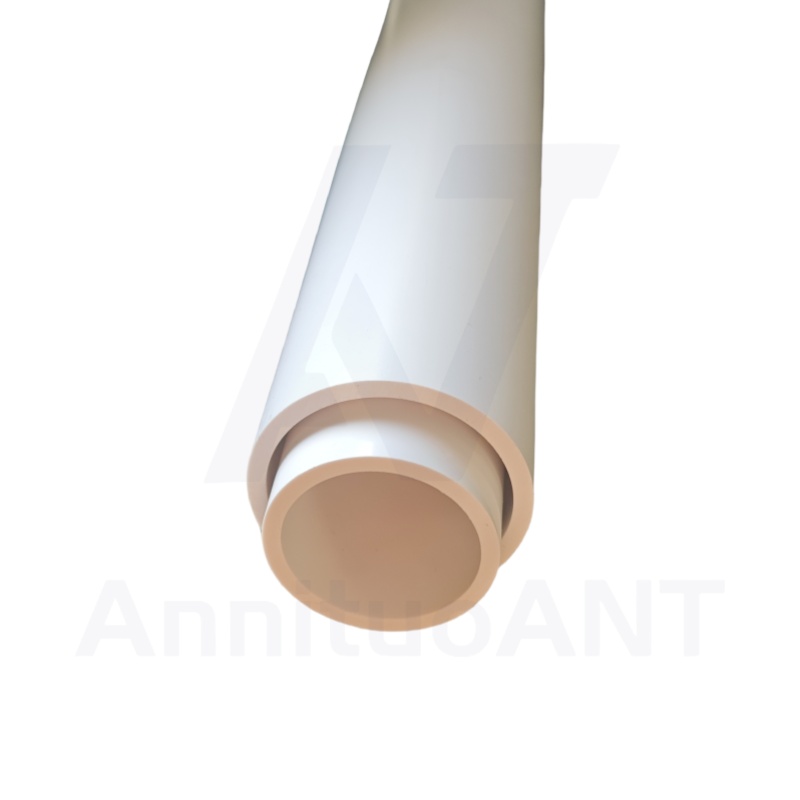
Thickness and Schedule: PVC conduit is available in several thicknesses, often referred to by schedule numbers (e.g., Schedule 40 or Schedule 80). Schedule 40 is standard for most applications, while Schedule 80 offers greater thickness for increased strength and impact resistance in harsh environments.
Material Composition: The material should be UV-resistant and rated for moisture exposure if it will be installed outdoors or in damp conditions. Understanding the chemical properties of the PVC used can also ensure longevity in various environments.
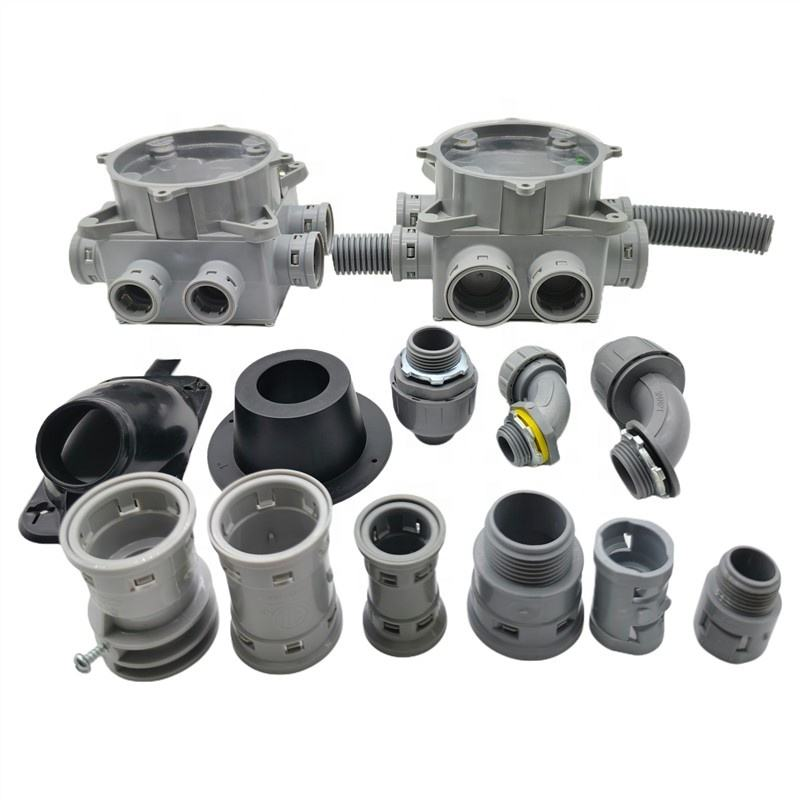
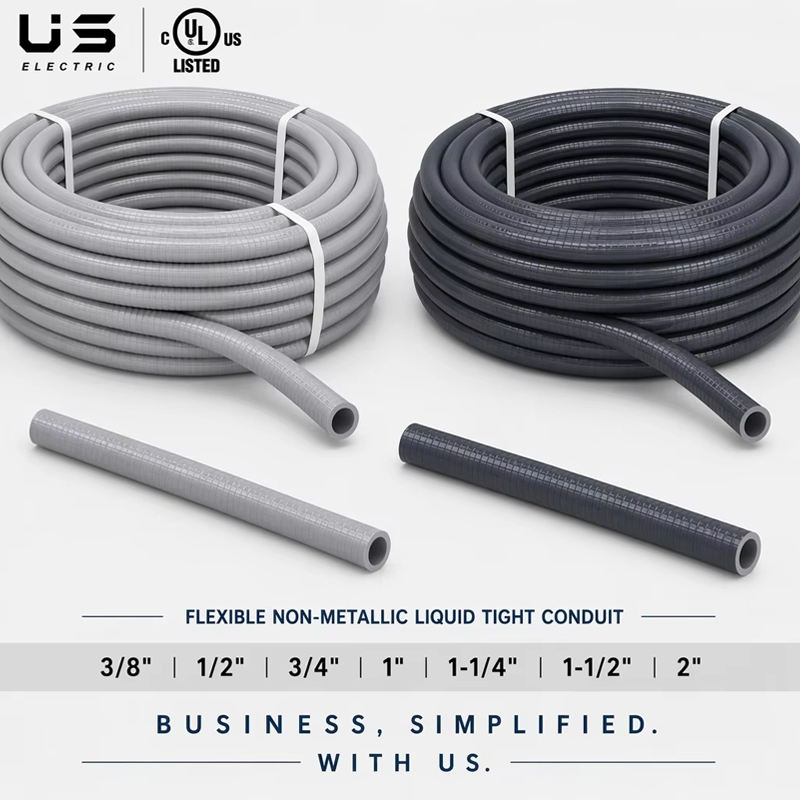
Length and Jointing Methods: Standard lengths are typically available, but customization may be required for specific applications. Consideration of jointing methods, including solvent welding or mechanical fittings, is critical for ensuring secure connections. Additionally, you may want to explore options for Nonmetallic Liquid-tight Conduit & fittings for your specific needs.
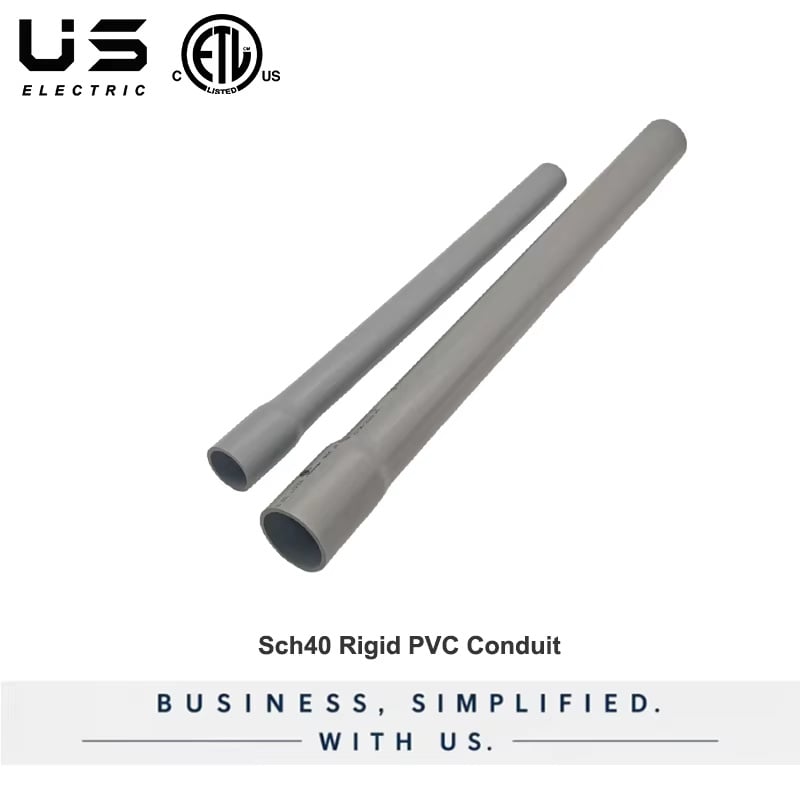
Standards Compliance: Confirm that the conduit is certified by recognized bodies such as UL, cUL, or ETL. This ensures that the product meets rigorous safety and performance standards.
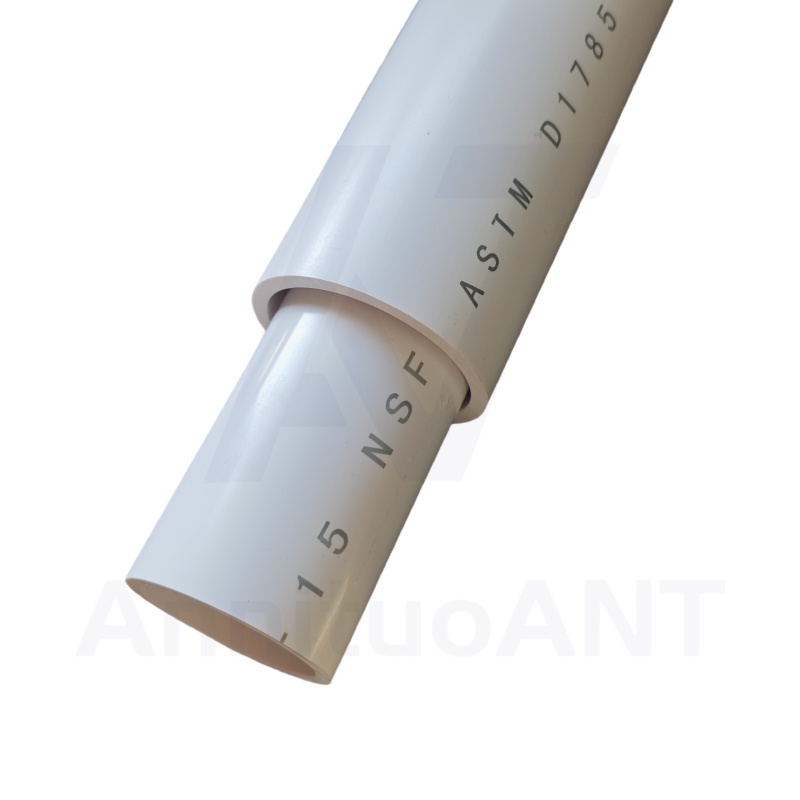
Quality evaluation is crucial when ordering PVC electrical conduit pipes in bulk. Start by requesting samples from potential suppliers to assess physical attributes like flexibility, wall thickness, and finish.
Quality Control Processes: Ensure the manufacturer implements rigorous quality control measures throughout production, including testing for dimensional accuracy and material integrity. A reputable manufacturer should willingly share their quality assurance protocols.
Certifications: Verify any claimed certifications. Suppliers should provide documentation that confirms compliance with industry standards. This documentation not only assures product quality but also protects against liability in case of installation failures.
Production Capacity: Assess the supplier's production capacity to meet your order volume and timeline. Long lead times can disrupt project schedules, so understanding a supplier's ability to deliver on time is critical.
The cost of PVC electrical conduit pipes can vary significantly based on several factors.
Material Costs: The type and quality of PVC used can affect pricing. Higher-grade PVC may have a higher upfront cost but can lead to lower maintenance costs over time due to improved durability.
Customization and Specifications: Customized sizes, colors, or features will generally incur additional costs. Clearly define your specifications when requesting quotes to avoid unexpected price increases.
Volume Discounts: Many manufacturers offer discounts for bulk orders. Understanding the minimum order quantities (MOQ) and how they relate to pricing can help you budget more effectively. You can also check for Other Electrical Accessories that may complement your purchases.
Shipping Costs: Consider the location of the supplier and associated shipping costs. Local suppliers might reduce shipping costs and lead times, while overseas suppliers may offer lower prices but at the expense of increased transport costs and longer delivery times.
Market Fluctuations: PVC pricing can be affected by market conditions, including resin prices and supply chain challenges. Stay informed about market trends to anticipate potential cost changes.
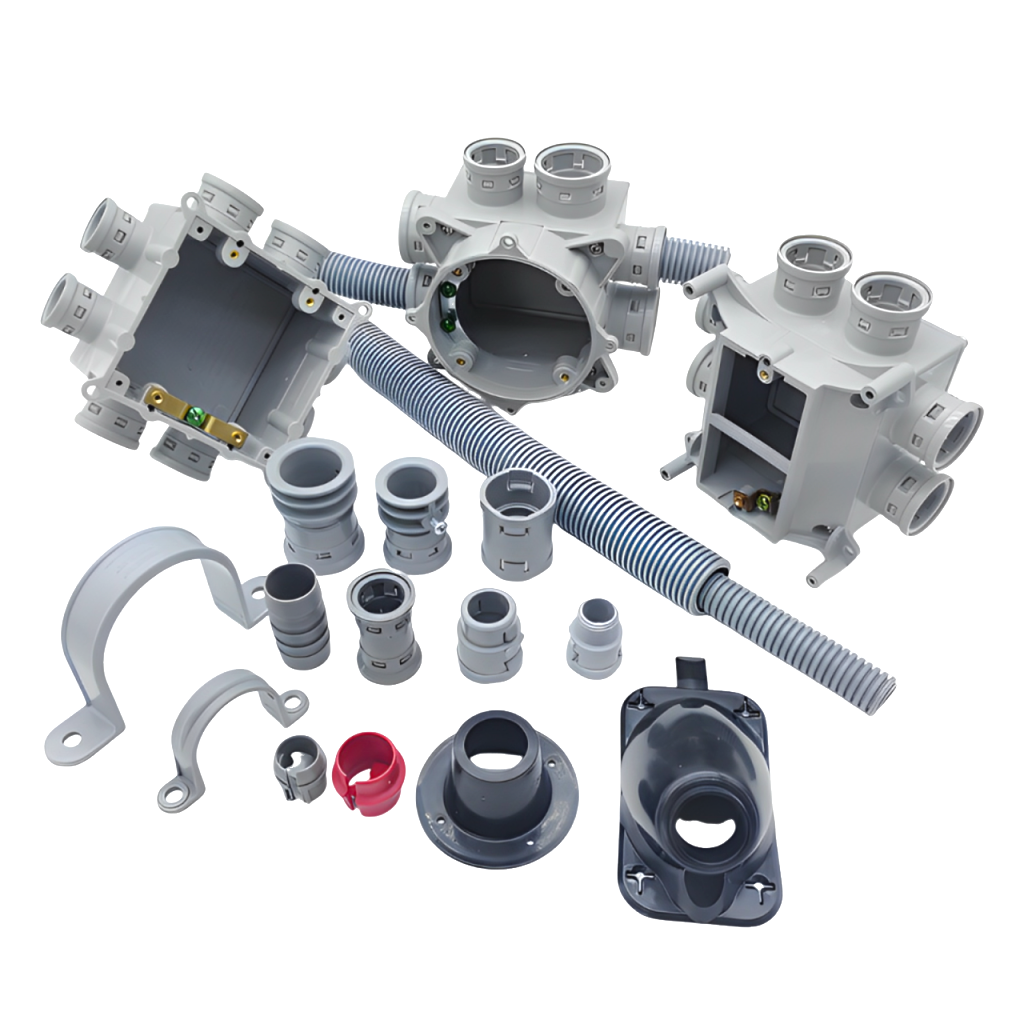
While PVC electrical conduit pipes are generally reliable, specific issues can arise. Here are common problems and their solutions:
Brittleness: Over time, PVC can become brittle, especially if exposed to UV light without proper protection. To mitigate this, consider using UV-stabilized PVC for outdoor applications.
Installation Errors: Improper installation can lead to issues such as leaks or conduit collapse. Ensure that installation is carried out by qualified professionals who follow standard practices, including proper cutting and jointing techniques.
Chemical Resistance: PVC may not be suitable for environments with high chemical exposure. For such applications, consult with the manufacturer about alternative materials or protective coatings.
Expansion and Contraction: Temperature fluctuations can cause PVC conduits to expand and contract, potentially leading to joint failures. Adequate spacing and expansion joints should be incorporated into the installation design.
PVC electrical conduit pipes offer several technical advantages that make them a popular choice in construction:
Lightweight: PVC is significantly lighter than metal alternatives, making it easier to handle and install. This can reduce labor costs and installation time.
Corrosion Resistance: Unlike metal conduits, PVC does not rust or corrode, ensuring a longer lifespan in challenging environments. This property is particularly beneficial in coastal areas or chemical plants.
Electrical Insulation: PVC is inherently non-conductive, which enhances safety in electrical installations by reducing the risk of electrical shock.
Flexibility: PVC conduit can be easily bent without breaking, allowing for creative routing in complex installations. This flexibility can be advantageous in tight spaces where rigid conduits would be difficult to install.
Cost-Effectiveness: The combination of lower material costs, reduced installation labor, and long-term durability makes PVC electrical conduit pipes a cost-effective solution for many applications.
By understanding these key aspects of PVC electrical conduit pipes, purchasing managers and project engineers can make informed decisions that align with their project needs. As a manufacturer with 14 years of experience, Jiaxing ANT Electrical Co., Ltd. is well-equipped to provide high-quality PVC electrical conduit pipes and meet your specific requirements.