EN
Quick Links
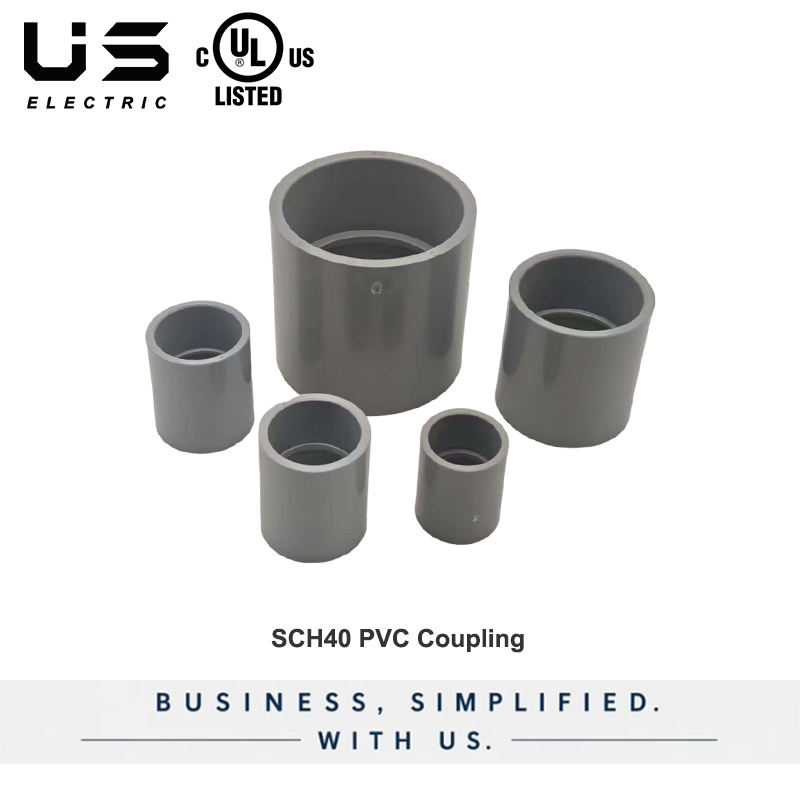
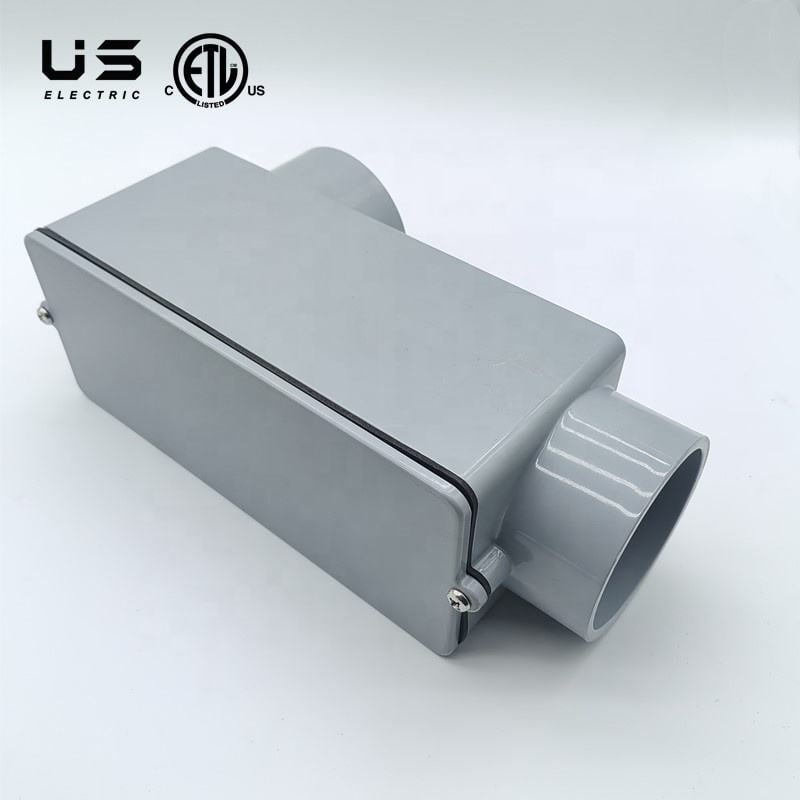
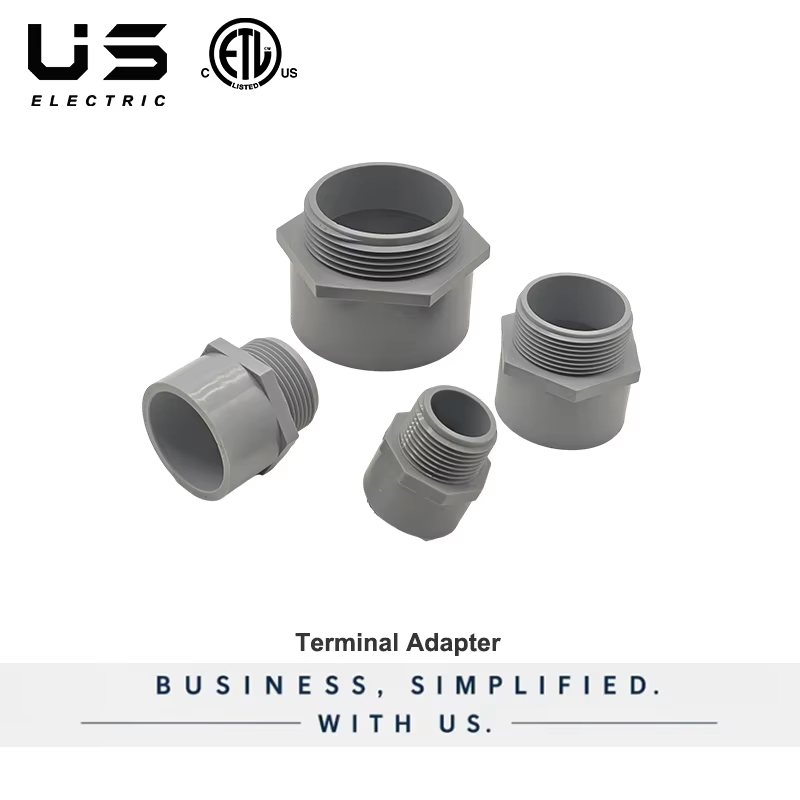
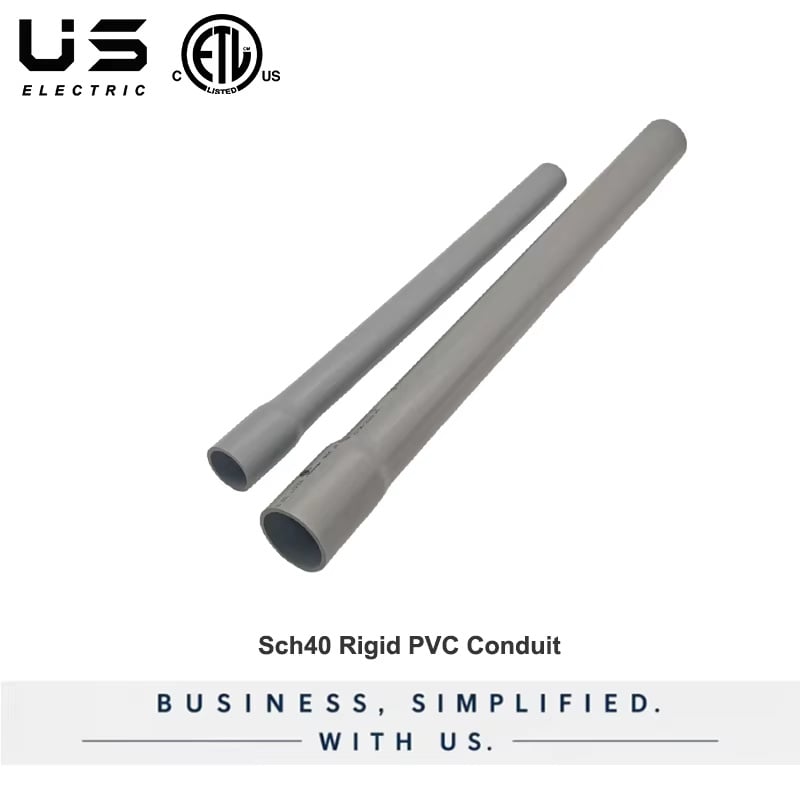
Electrical conduits are essential components in electrical installations, providing protection and support for electrical wiring systems. Among the various types available, electrical conduit rigid is particularly favored for its durability and strength. As B2B buyers, purchasing managers, and engineers seek reliable solutions, understanding the specifications, quality standards, and installation practices is crucial. This article will guide you through sourcing reliable suppliers, comparing specifications, ensuring quality, and addressing common installation challenges related to electrical conduit rigid.
Finding trustworthy suppliers for electrical conduit rigid can significantly influence the success of your project. Focus on manufacturers with a proven track record, such as Jiaxing ANT Electrical Co., Ltd., which has over 14 years of experience in producing a wide range of electrical equipment. When evaluating potential suppliers, consider their certifications, such as UL/cUL and ETL/cETL, which indicate compliance with safety standards. One such reliable option is the CETL Listed 1-Gang Galvanized Steel Electrical Box, known for its durability and compliance with industry standards.
Additionally, inquire about their production capabilities. A supplier with modern manufacturing facilities and a robust quality control process can ensure consistent product quality. It's also wise to check their export experience, as international suppliers are often familiar with diverse market requirements and can handle logistics efficiently.
When assessing different electrical conduit rigid options, focus on key specifications that will impact your installation. Important factors include:
Material: Rigid conduits can be made from various materials, such as PVC, metal, or fiberglass. Each material has unique properties, affecting strength, weight, and resistance to environmental factors.
Dimensions: Ensure that the conduit fits your wiring needs. Common dimensions include diameter and wall thickness, which influence load-bearing capacity and compatibility with fittings.
Length: The length of the conduit should align with your installation requirements to minimize the need for joints and fittings, which can introduce potential failure points.
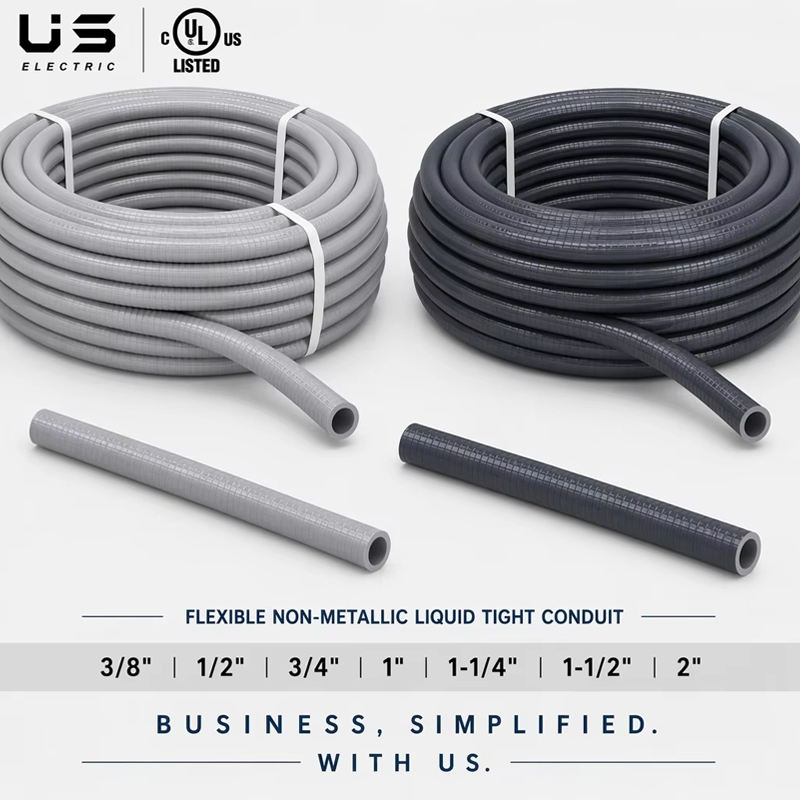
Sealing and Coating: Some conduits come with additional sealing or coating for enhanced moisture resistance, which is crucial in specific applications. For instance, the Waterproof Liquid Tight Flexible Conduit is designed for outdoor wiring, providing excellent moisture resistance.
Buyers should request detailed product specifications and consider how these specifications align with project requirements to make informed comparisons.
Quality standards are vital in ensuring the safety and reliability of electrical conduit rigid. Familiarize yourself with the following:
UL/cUL and ETL/cETL Certifications: These certifications indicate that the products meet specific safety and performance standards. Always verify that the products you are considering have these certifications to ensure compliance with industry regulations.
Material Standards: Different materials have varying performance characteristics. For instance, galvanized steel conduits offer excellent durability in harsh conditions, while PVC conduits are lighter and resistant to corrosion.
Testing Procedures: Reliable manufacturers, such as Jiaxing ANT Electrical, often employ rigorous testing processes to assess the strength, durability, and performance of their conduits. Inquire about their testing methodologies to gauge the robustness of the product.
Understanding these standards will help you select conduits that meet both safety requirements and your specific application needs.
Proper installation of electrical conduit rigid is crucial for ensuring safety and functionality. Here are several tips to consider:
Planning the Layout: Before installation, plan the layout carefully to minimize bends and joints. This not only simplifies the installation process but also reduces potential failure points.
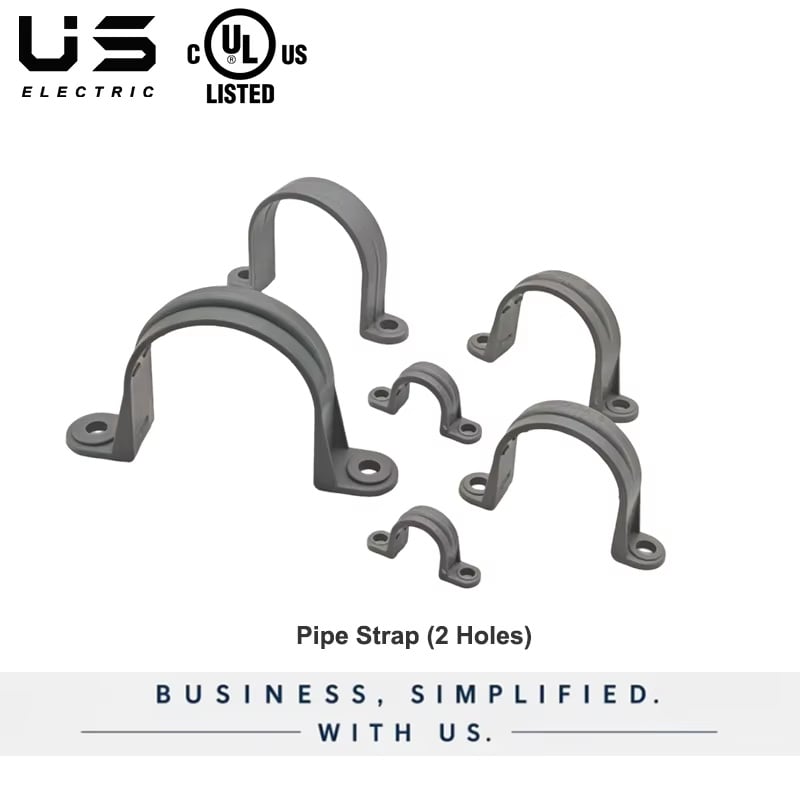
Use Appropriate Supports: Ensure the conduit is properly supported at the recommended intervals, as specified by local electrical codes. This prevents sagging and maintains structural integrity.
Sealing Joints: When connecting sections of the conduit, use appropriate fittings and sealants to prevent moisture ingress. This is particularly important in environments prone to humidity or water exposure.
Check Compatibility with Wiring: Confirm that the conduit size and type are suitable for the electrical wiring being used. This ensures safe operation and compliance with electrical codes.
Following these installation tips can lead to more effective and long-lasting electrical systems.
While electrical conduit rigid is generally reliable, some common issues can arise during installation and use. Here are a few problems and their solutions:
Corrosion: Metal conduits are susceptible to corrosion, especially in humid environments. To mitigate this, consider using galvanized or coated conduits that offer better resistance to environmental factors.
Improper Sealing: Failure to seal joints adequately can lead to moisture ingress, which can damage wiring. Always check that joints are sealed properly and consider using silicone sealant for added protection.
Insufficient Support: If conduits are not supported correctly, they can sag or bend, leading to potential damage over time. Adhere to recommended support spacing to maintain structural integrity.
Misalignment: During installation, ensure that conduits are aligned correctly to avoid strain on fittings and connections. Misalignment can lead to premature wear and increased failure rates.
By being aware of these problems and implementing preventive measures, you can enhance the reliability of your electrical installations.
By focusing on sourcing reliable suppliers, understanding specifications, ensuring compliance with quality standards, and mastering installation techniques, you can make informed decisions when procuring electrical conduit rigid. Whether for commercial or residential projects, this knowledge equips you to address challenges effectively and enhance the overall performance of your electrical systems.