 EN
Quick Links
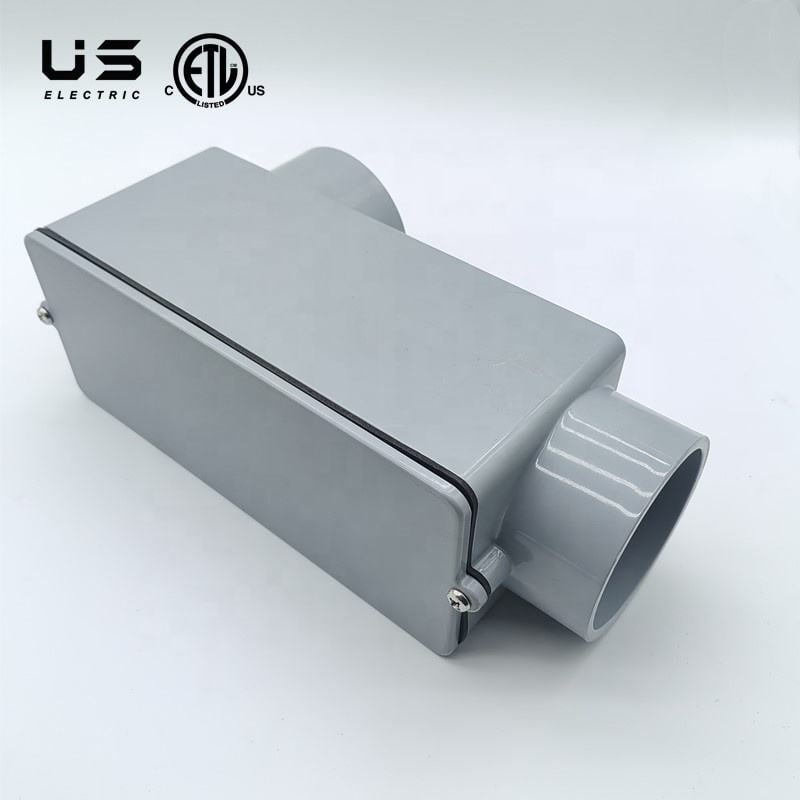
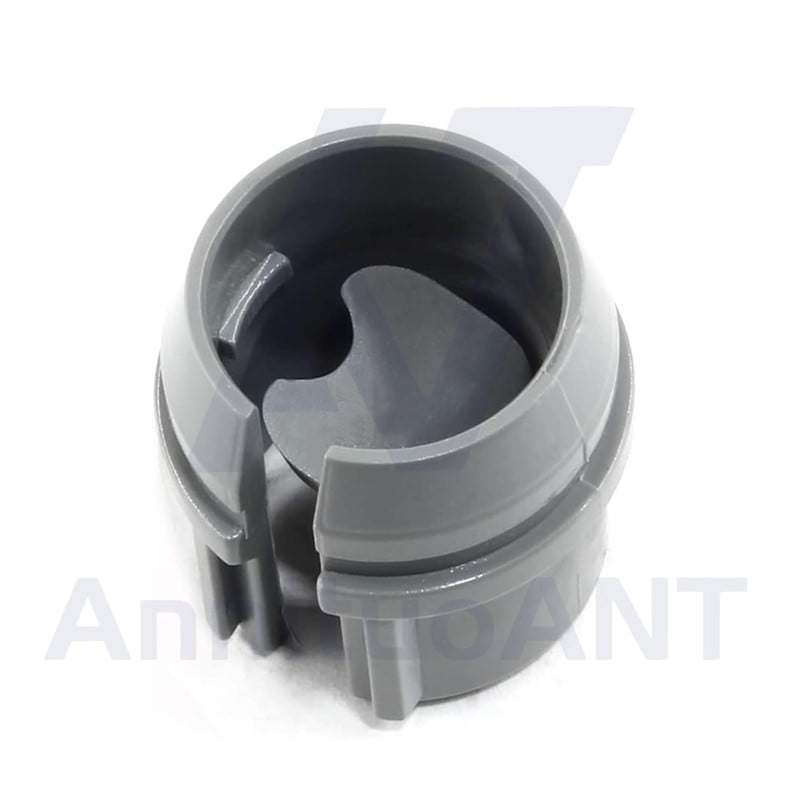
LB conduit is a vital component in electrical installations, providing protection and support for electrical wiring in both commercial and residential environments. Understanding the specifics of LB conduit, including material choices, specifications, and application suitability, is crucial for purchasing managers, engineers, and project managers. This article will provide detailed insights into the key considerations when selecting LB conduit, ensuring buyers can make informed decisions that meet their project needs.
When selecting LB conduit, several specifications play a critical role in determining the right product for your application:
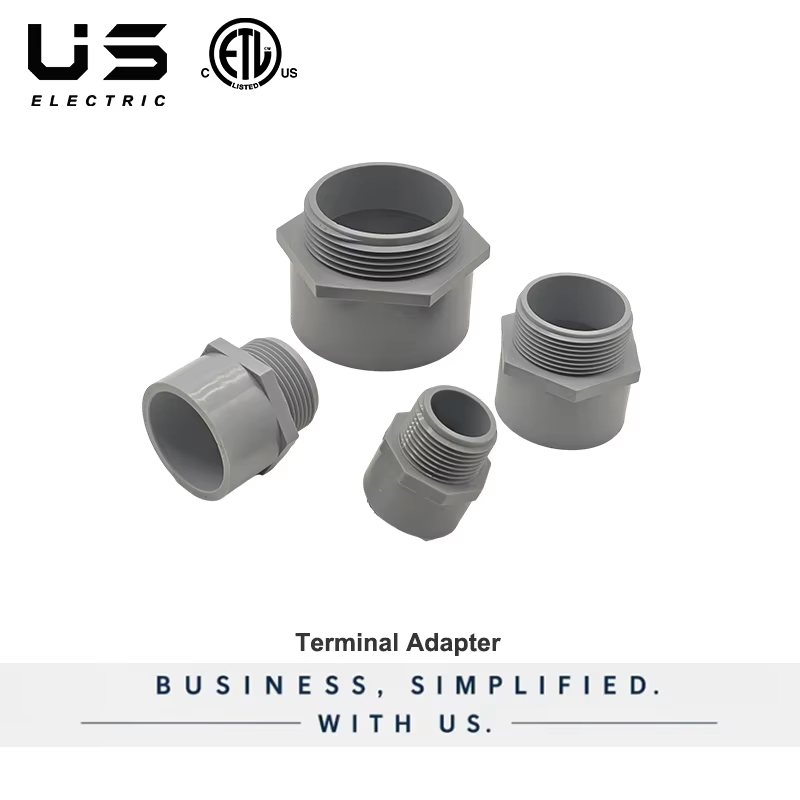
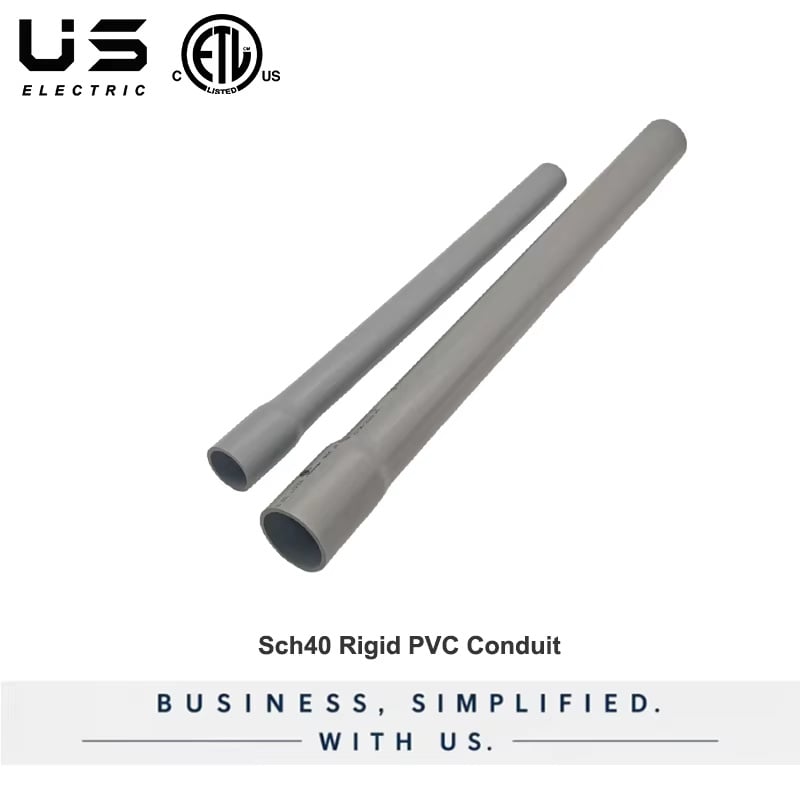
Material: LB conduits are typically made from metallic or non-metallic materials. Metallic conduits, such as EMT (electrical metallic tubing), offer strength and grounding capabilities, while non-metallic options like PVC are lightweight, resistant to corrosion, and easier to install.
Dimensions: The diameter and length of the conduit are vital. Ensure that the selected size can accommodate the number and size of wires without exceeding fill capacity, which is critical for safety and efficiency.
Thickness: The wall thickness of the conduit affects its durability and ability to withstand environmental stressors. Thicker walls provide better protection against physical damage.
Certifications: Look for conduits that meet relevant industry standards, such as UL/cUL and ETL/cETL certifications. These certifications indicate compliance with safety and performance standards, providing peace of mind for buyers.
Sealing and Gasket Options: For applications where moisture or dust is a concern, consider conduits with sealing options to ensure protection against environmental elements.
Understanding these specifications will help buyers select LB conduit that meets their project requirements while adhering to safety standards. For example, you might consider using 1 Gang Adjustable Mud Rings to enhance the installation process.
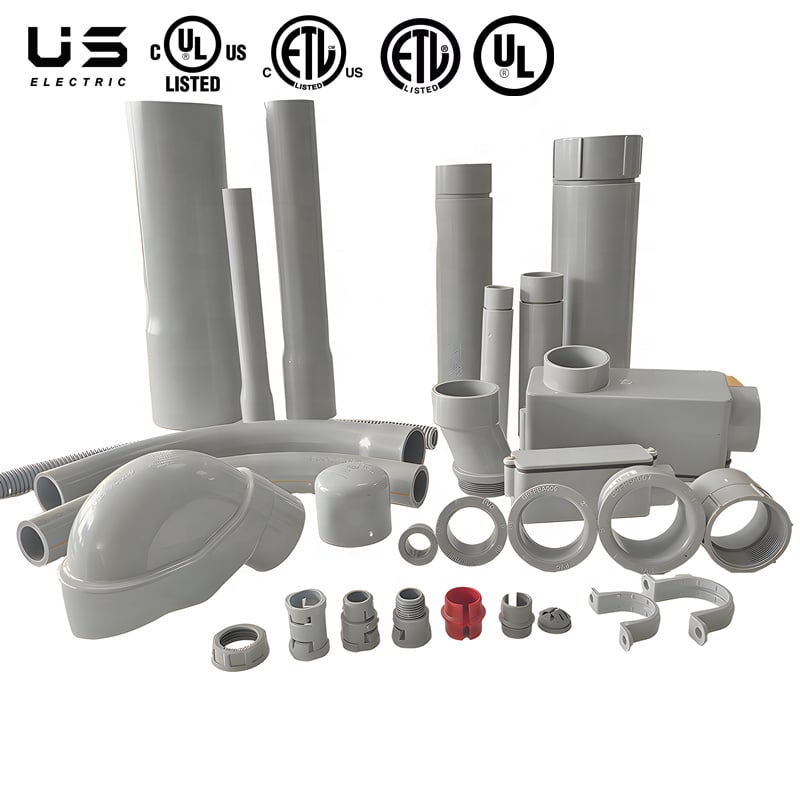
The material of LB conduit significantly impacts its performance and suitability for specific applications. Here’s a breakdown of the common materials and their advantages:
Metallic LB Conduit: Typically made of galvanized steel or aluminum, metallic conduits provide excellent electrical grounding and resistance to physical damage. They are ideal for industrial settings where durability is paramount. Additionally, metallic conduits can withstand higher temperatures and provide better protection against electromagnetic interference (EMI).
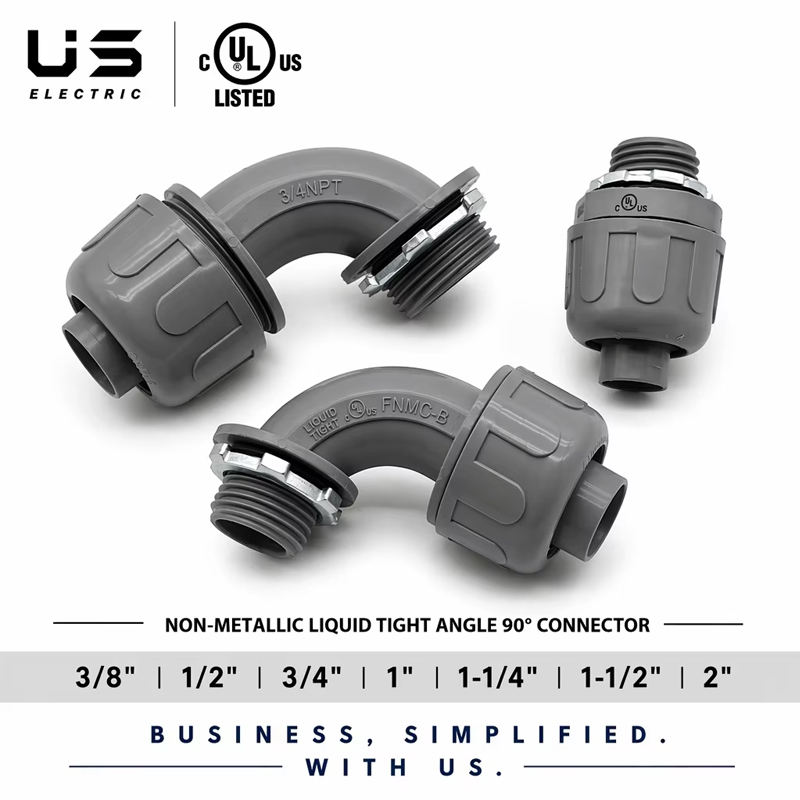
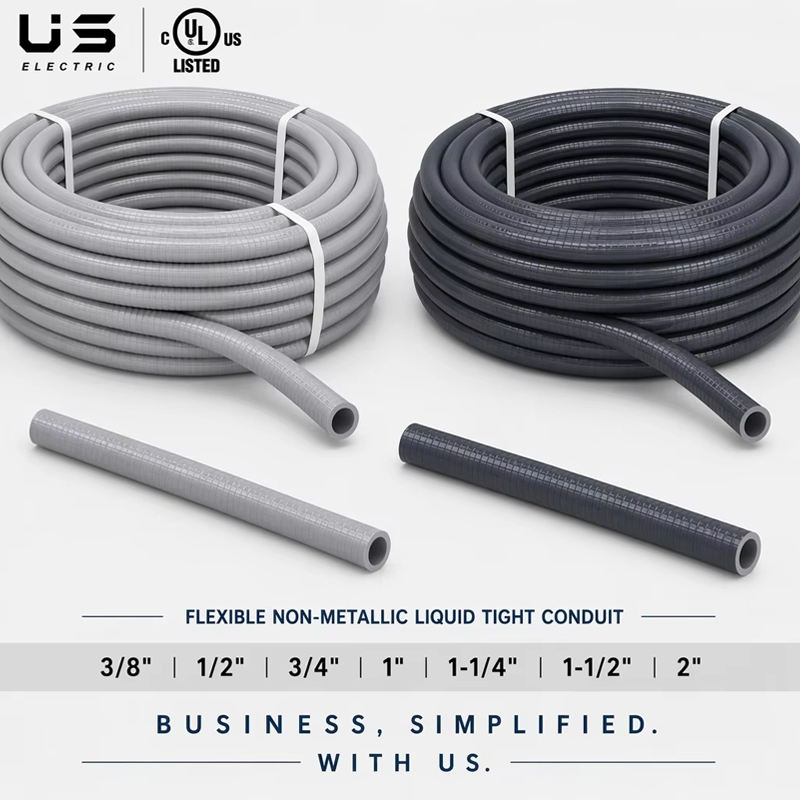
Non-Metallic LB Conduit: Commonly made from PVC or fiberglass, non-metallic conduits are lightweight, resistant to corrosion, and easy to install. They are well-suited for applications in environments where moisture or chemicals may be present, such as outdoor installations or areas exposed to harsh conditions. Furthermore, non-metallic conduits can be more cost-effective in certain applications. For instance, Waterproof Liquid Tight Flexible Conduit is a great choice for outdoor wiring.
Hybrid Options: Some projects may benefit from using a combination of both metallic and non-metallic conduits, leveraging the strengths of each material to address specific environmental challenges.
Choosing the right material for LB conduit is crucial, as it directly affects installation ease, longevity, and overall system performance.
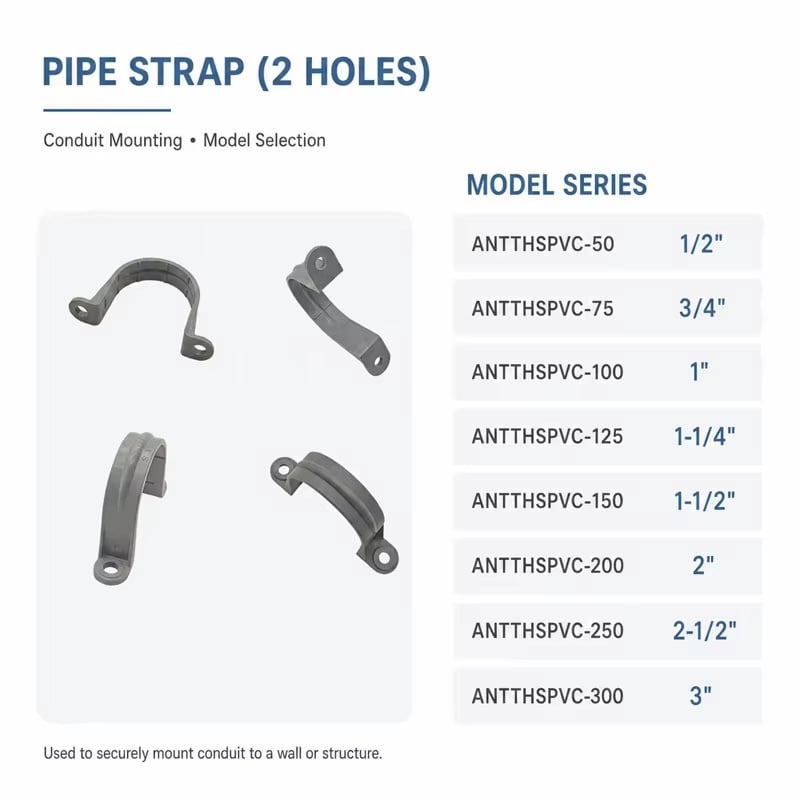
When evaluating LB conduit options, consider the following factors to make an informed comparison:
Performance Requirements: Assess the environmental conditions of your project. Will the conduit be exposed to moisture, chemicals, or extreme temperatures? This will help determine whether metallic or non-metallic options are more suitable.
Cost Considerations: While it may be tempting to choose the lowest-priced option, consider the long-term value. A slightly higher initial investment in a more durable conduit may save costs over time by reducing maintenance and replacement needs.
Manufacturer Reputation: Investigate the manufacturer’s history and reputation in the industry. A company like Jiaxing ANT Electrical Co., Ltd., with 14 years of experience and multiple certifications, can provide reliable products and support.
Lead Time and Availability: Confirm the lead times for different conduit options. Some suppliers may have stock on hand, while others may require longer production times, impacting project timelines.
Customization Options: Assess whether the manufacturer offers customization capabilities, such as specific lengths, colors, or additional features. Custom solutions can be beneficial for unique project requirements.
By carefully comparing these factors, buyers can select LB conduit that not only fits their budget but also meets their project specifications effectively.
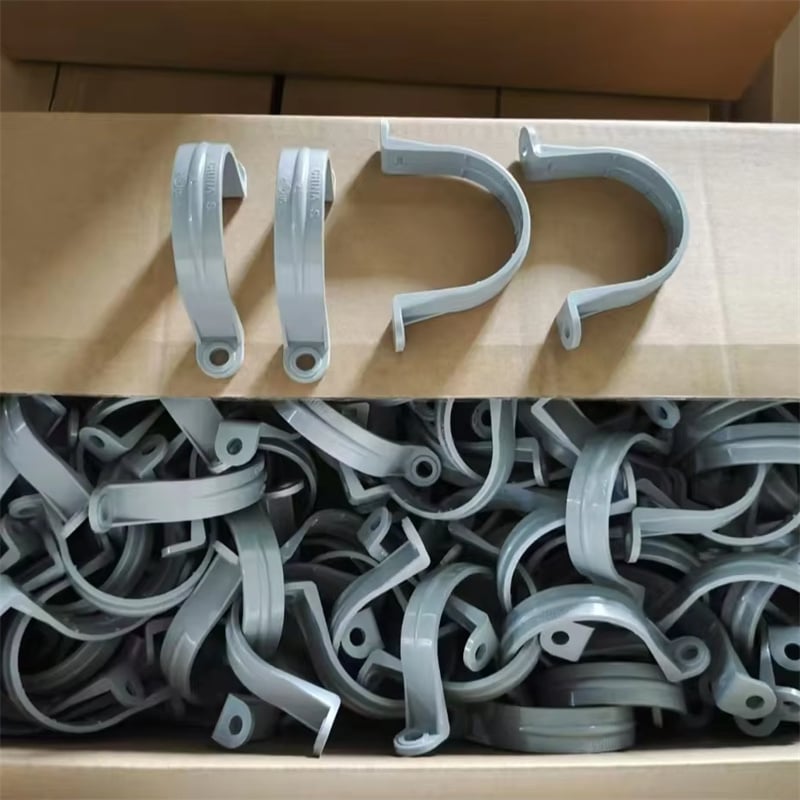
LB conduits are versatile and can be employed in various applications. Here are common uses and tips for effective installation:
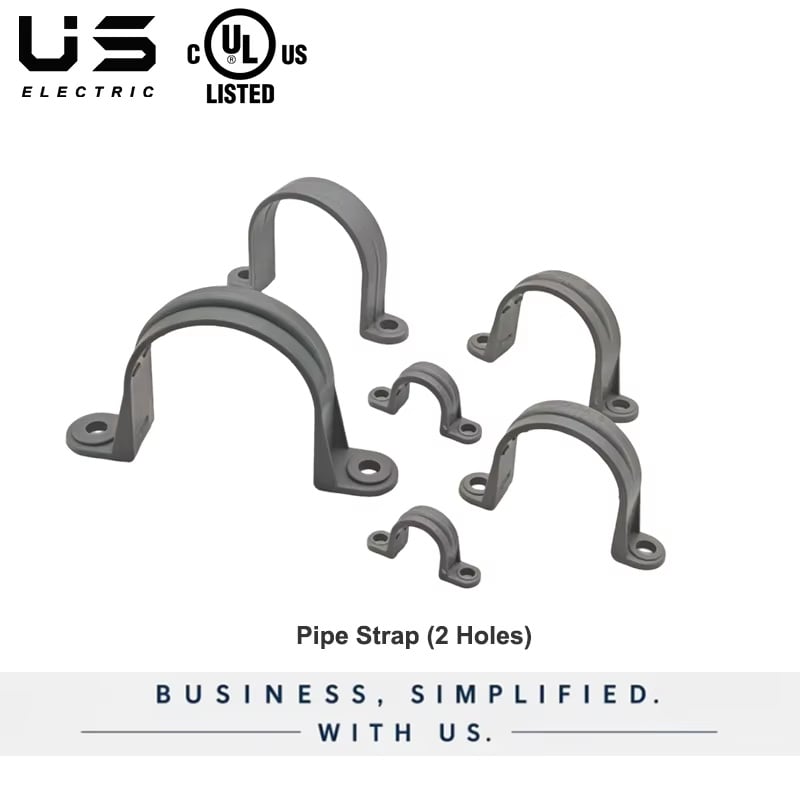
Commercial Construction: In commercial buildings, LB conduits are often used to route electrical wiring safely through walls and ceilings. Ensure proper spacing and support brackets are used to maintain structural integrity.
Residential Wiring: LB conduits can also be used in residential applications, particularly for outdoor wiring or in areas prone to moisture. When installing, make sure to follow local electrical codes to ensure safety and compliance.
Industrial Environment: In industrial settings, LB conduits protect wiring from physical damage and chemical exposure. Choose metallic conduits in these environments for enhanced durability and grounding capabilities.
Outdoor Installations: For outdoor applications, non-metallic LB conduits are recommended due to their resistance to corrosion. Additionally, ensure proper sealing to prevent moisture ingress.
Maintenance and Inspection: Regularly inspect LB conduits for signs of wear or damage, particularly in harsh environments. Early detection of issues can prevent costly repairs and ensure the reliability of the electrical system.
By understanding where and how to effectively use LB conduits, buyers can ensure optimal performance and safety in their electrical installations.
Jiaxing ANT Electrical Co., Ltd. stands out as a reliable manufacturer and exporter of electrical equipment, including LB conduits. Here are several reasons to consider:
Extensive Experience: With 14 years in the industry, Jiaxing ANT brings a wealth of knowledge and expertise to the table. This experience translates into high-quality products and dependable service.
Diverse Product Range: The company offers a broad range of over 1,000 products, ensuring that buyers can find the right conduit for their specific needs. Whether you require metallic or non-metallic options, Jiaxing ANT has you covered.
Quality Assurance: Most products are certified by UL/cUL and ETL/cETL standards, ensuring compliance with safety and performance regulations. Their commitment to quality is evident throughout their manufacturing processes.
Customization Capabilities: For projects requiring specific features or dimensions, Jiaxing ANT offers OEM/ODM solutions, allowing for tailored products that meet unique buyer requirements.
One-Stop Shopping Service: With a comprehensive range of electrical supplies, Jiaxing ANT provides a convenient source for all your electrical needs, streamlining the purchasing process.
By choosing Jiaxing ANT for LB conduit, buyers can expect high-quality products, competitive pricing, and exceptional customer service, making them a reliable partner in any electrical project.