EN
Quick Links
Flexible conduits are essential components in electrical installations, providing protection and flexibility for wiring systems. Buyers, such as purchasing managers, engineers, and contractors, often have concerns about the quality, application suitability, and manufacturing capabilities of these products. This article will guide you through evaluating flexible conduit products, understanding the differences between metallic and non-metallic options, and identifying best practices for contractors. Additionally, it will direct you to trusted manufacturers for wholesale orders, ensuring you make informed purchasing decisions.
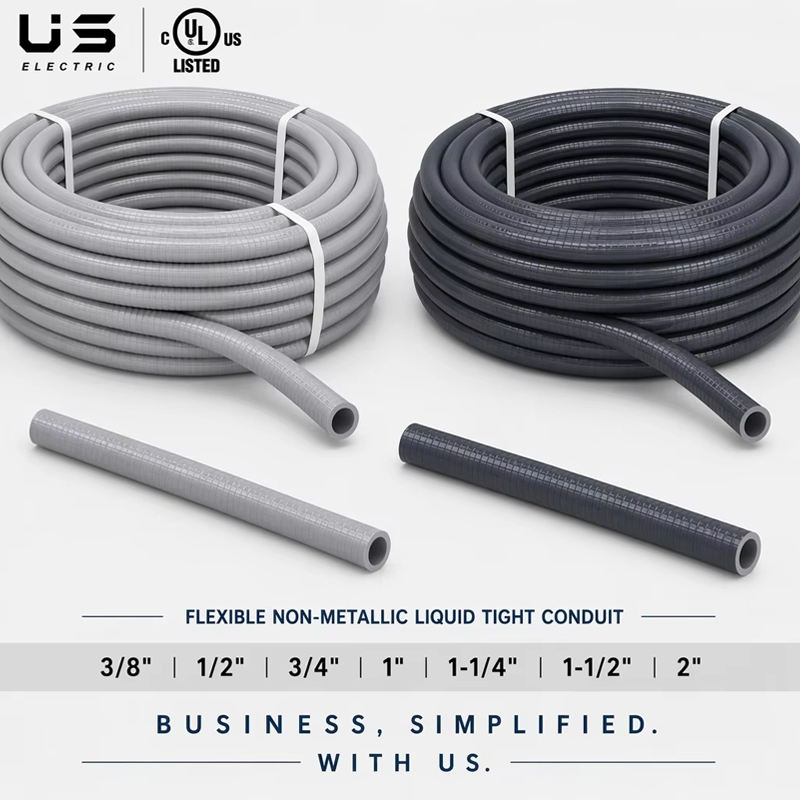
When assessing the quality of flexible conduits, several key factors should be considered. First, verify the materials used in the conduit. Common materials include PVC for non-metallic conduits and various metals, such as steel or aluminum, for metallic options. Each material type has distinct performance characteristics, such as flexibility, durability, and resistance to environmental factors.
Next, check for relevant certifications. Products certified by UL/cUL or ETL/cETL standards undergo rigorous testing, ensuring they meet safety and performance criteria. This is particularly vital in commercial and residential construction, where compliance with local electrical codes is essential.
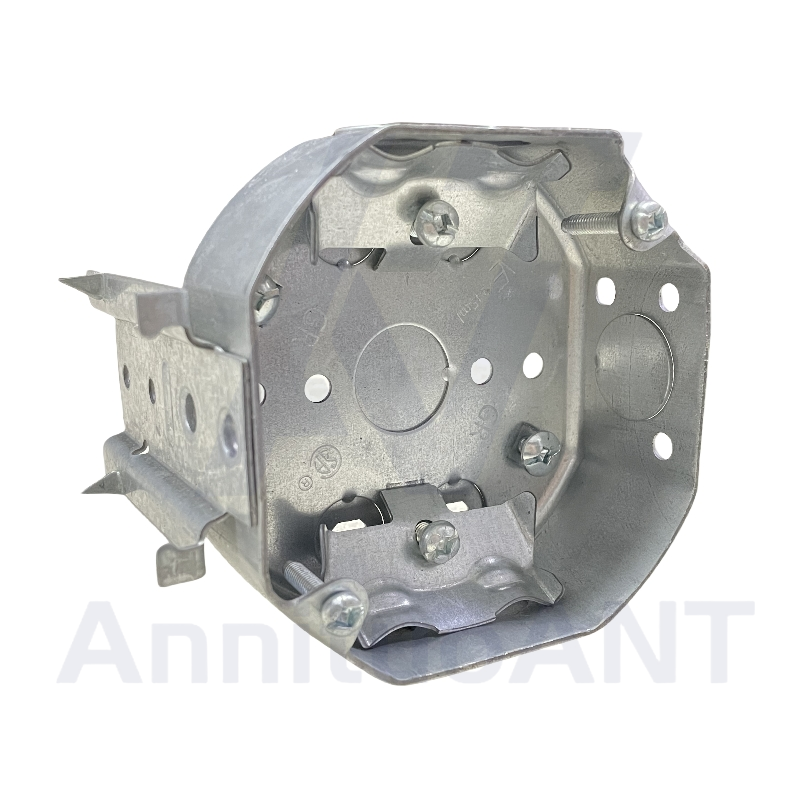
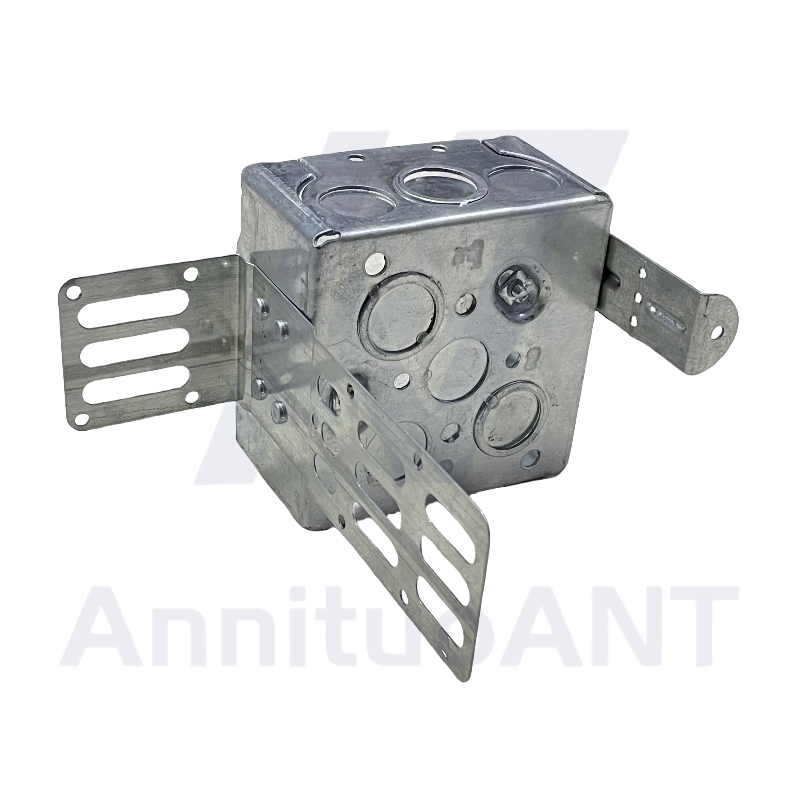
Lastly, inspect the manufacturing capabilities of the supplier. A reputable manufacturer, such as Jiaxing ANT Electrical Co., Ltd., with over 14 years of experience and two factories, is likely to have established quality control processes. These processes should include routine inspections and testing of products to ensure consistency and reliability. For example, you might consider the 1 Gang Adjustable Mud Rings for specific applications.

Understanding the specifications of flexible conduits is crucial for making the right purchasing decision. Key specifications include the conduit’s diameter, length, and wall thickness, as these factors influence installation ease and the conduit’s ability to protect wiring.
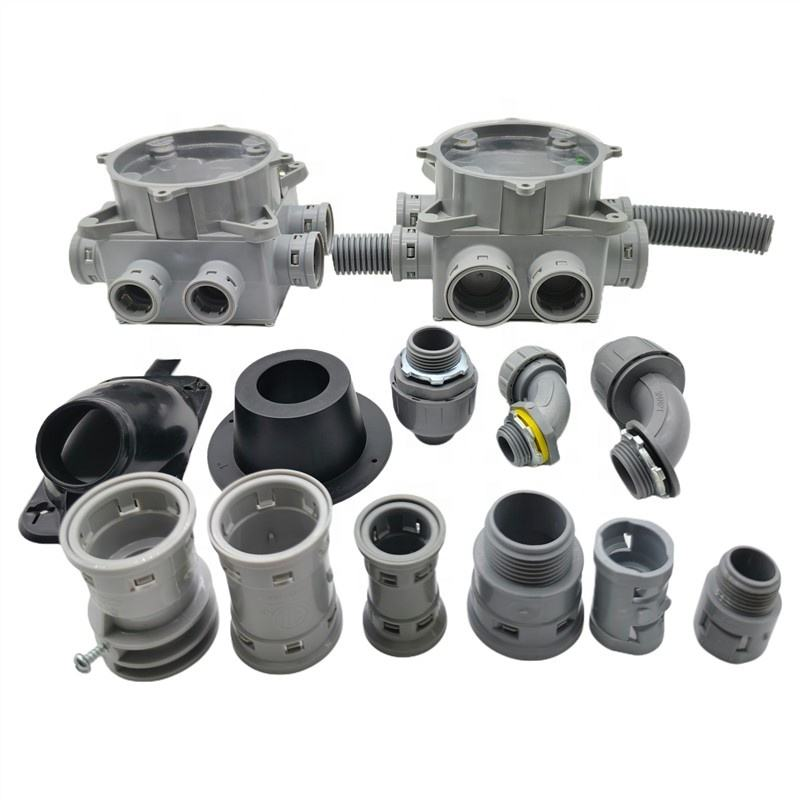
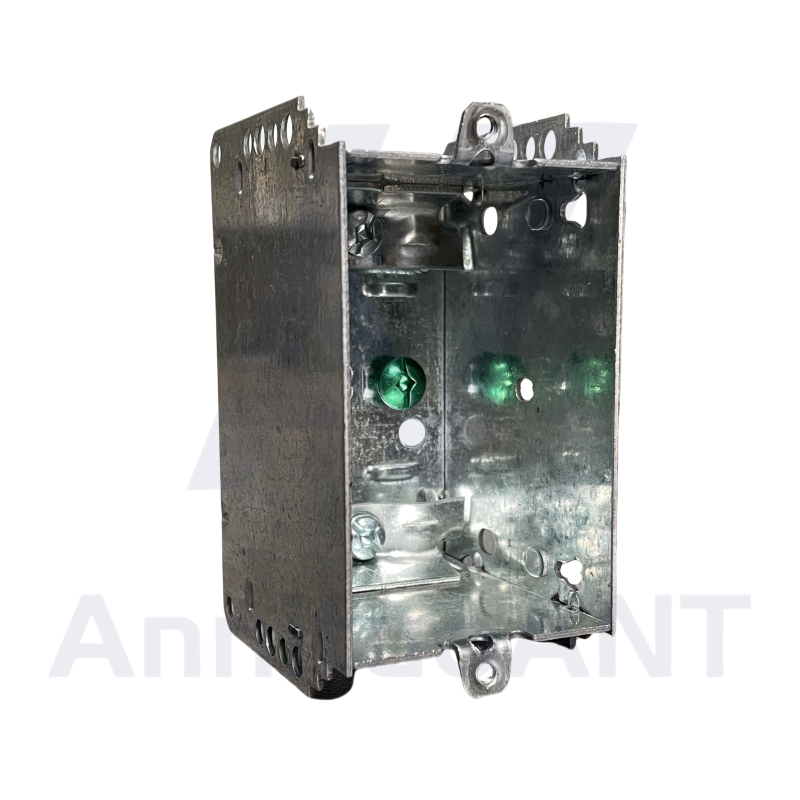
Additionally, consider the environmental conditions the conduit will face. For example, if the conduit will be exposed to chemicals, heat, or moisture, selecting the appropriate material is essential. Non-metallic conduits, for instance, are often more resistant to corrosive environments, while metallic conduits may offer better mechanical protection. You may also find options like Metal Junction Boxes beneficial for weatherproofing.
Finally, identify any customization needs. Some manufacturers provide OEM/ODM solutions, allowing you to specify unique dimensions or features tailored to your project requirements. This can be particularly beneficial for specialized applications where standard products may not suffice.
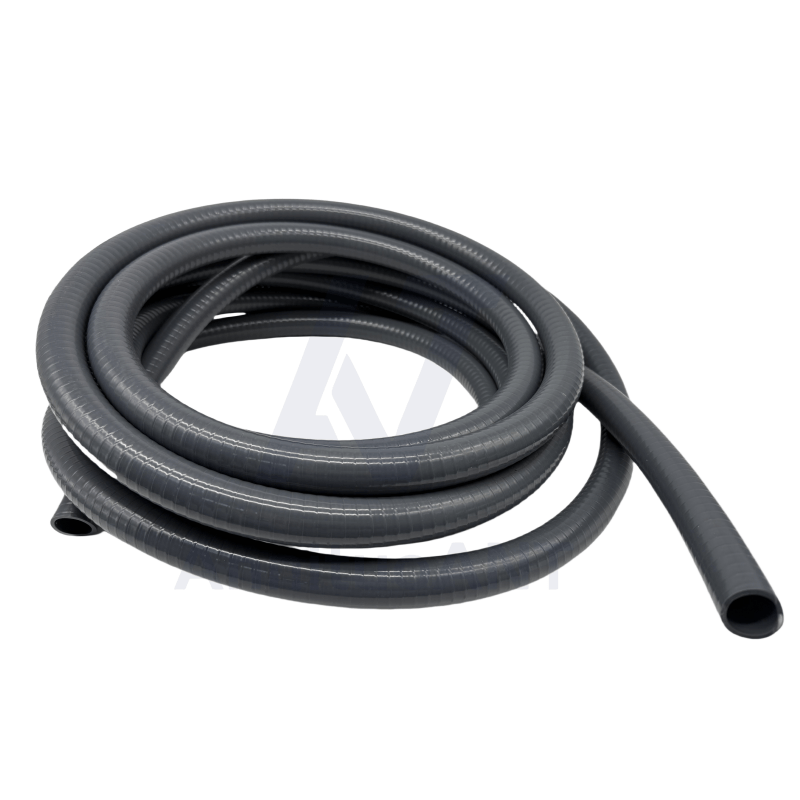
When choosing between metallic and non-metallic flexible conduits, it's essential to weigh their advantages based on your specific application.
Metallic Flexible Conduits:
Durability: Typically made from steel or aluminum, metallic conduits offer superior mechanical protection against impact and abrasion, making them suitable for industrial environments.Grounding: They provide excellent grounding capabilities, which can enhance safety in electrical installations.Heat Resistance: Metallic conduits can withstand higher temperatures, making them ideal for applications near heat sources.Non-Metallic Flexible Conduits:
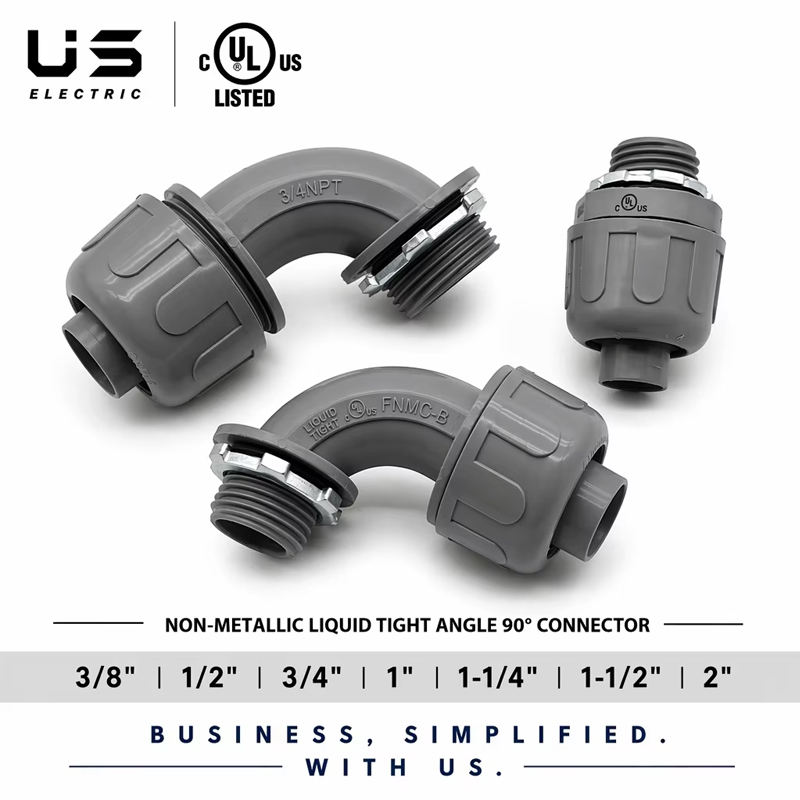
Corrosion Resistance: Made from materials like PVC, non-metallic conduits are resistant to corrosion and moisture, making them well-suited for outdoor or humid environments.Lightweight: They are generally lighter than their metallic counterparts, making installation easier and less labor-intensive.Flexibility: Non-metallic conduits tend to offer greater flexibility, facilitating easier routing around obstacles in tight spaces.Ultimately, the choice between metallic and non-metallic conduits should be based on the specific requirements of your installation, environmental factors, and budget considerations.
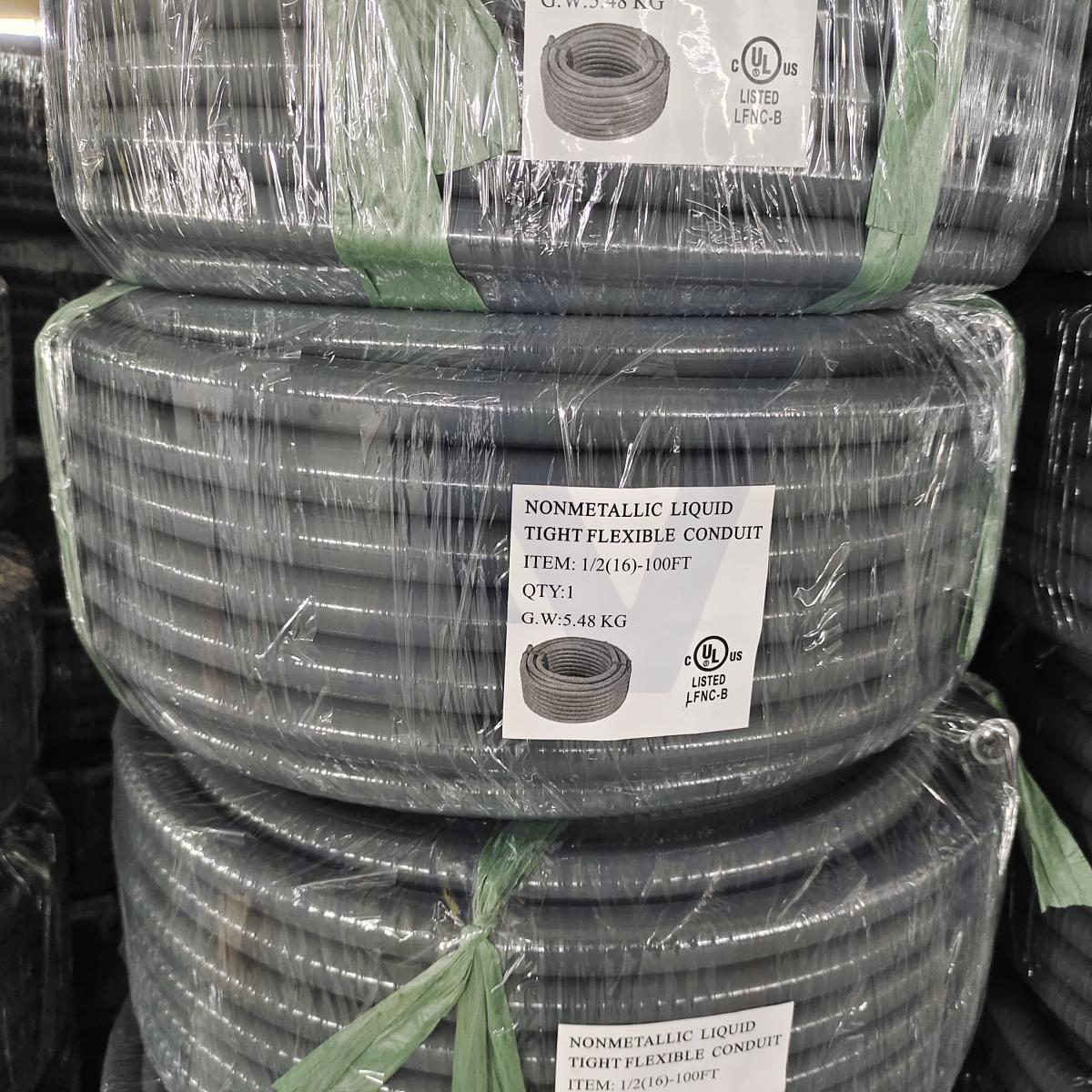
For contractors, adhering to best practices when working with flexible conduits can significantly improve installation efficiency and safety.
Sample Approval: Before commencing mass production or large orders, always request a sample. Inspect it for dimensions, fit, and surface finish. Testing the sample under actual operating conditions can help identify any potential issues before full-scale installation.
Installation Guidelines: Familiarize yourself with the manufacturer's installation guidelines. Proper handling and installation techniques will ensure the conduit performs as expected and complies with safety standards.
Regular Inspections: Conduct periodic inspections of installed flexible conduits, especially in critical applications. Look for signs of wear, damage, or environmental degradation that could compromise safety.
Documentation: Keep detailed records of the materials used, installation practices, and any changes made during the process. This documentation can be invaluable for future reference or compliance audits.
By following these practices, contractors can ensure that their electrical installations are reliable and compliant with industry standards.
Finding a reliable manufacturer for flexible conduits is crucial for ensuring product quality and availability. Look for companies with a proven track record, such as Jiaxing ANT Electrical Co., Ltd., which has over 14 years in the industry and offers a wide range of certified products.
When evaluating potential suppliers, consider the following:
Certifications: Ensure the manufacturer holds relevant certifications, such as UL/cUL or ETL/cETL, which indicate compliance with stringent safety and performance standards.Product Range: A manufacturer with a diverse product line can offer various flexible conduits suitable for different applications, ensuring you can source everything you need from a single supplier.Customization Options: If your project requires specific conduit configurations, choose a manufacturer that offers OEM/ODM solutions to tailor products to your requirements.Customer Support: Evaluate the level of customer service provided, including responsiveness to inquiries and support during the ordering process.By carefully selecting a trusted manufacturer, you can streamline your purchasing process and ensure the quality of the flexible conduits used in your projects.