EN
Quick Links
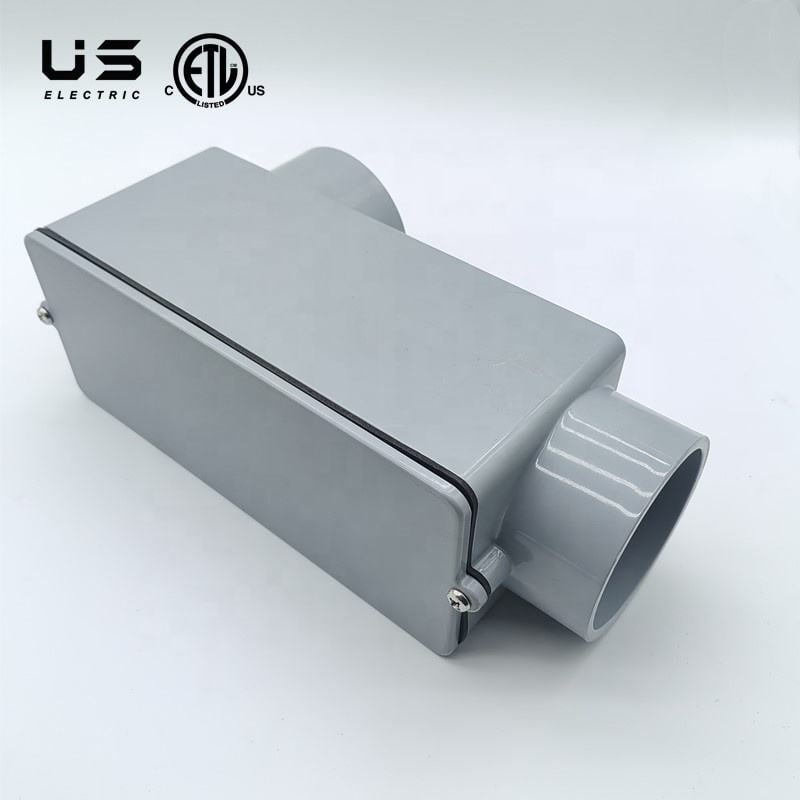
When it comes to electrical installations, LB connectors play a vital role in ensuring secure and efficient connections within conduit systems. As a manufacturer and exporter with 14 years of experience, Jiaxing ANT Electrical Co., Ltd. offers a wide variety of high-quality LB connectors that meet UL/cUL and ETL/cETL standards. This article addresses the key considerations for purchasing LB connectors, installation guidance, common issues, and the advantages of using these connectors, helping B2B buyers make informed decisions.
When selecting LB connectors for your electrical projects, several factors must be taken into account to ensure compatibility and performance.
Material and Construction: LB connectors are typically made from either metallic or non-metallic materials. Metallic connectors are preferred for durability and grounding, while non-metallic connectors are often chosen for their resistance to corrosion and lighter weight. Consider the environment in which the connectors will be used, such as exposure to moisture or chemicals, which may affect material choice.
Size and Compatibility: Ensure that the LB connectors you select fit the conduit sizes and types used in your project. Common sizes range from 1/2 inch to 4 inches. Compatibility with existing systems can also affect the ease of installation and long-term reliability.
Certification and Standards: Verify that the LB connectors comply with relevant safety and quality standards, such as UL/cUL and ETL/cETL certifications. This ensures that the connectors meet performance criteria for electrical safety and reliability.
Application Specificity: Different applications may require specific features, such as watertight seals for outdoor installations or specific load-bearing capacities. Understanding the specific requirements of your project can help in selecting the right connector, such as the 1 Gang Adjustable Mud Rings Electrical Metal 1 Device Plaster Rings Drywall Raised 5/8" to 1-1/2" US Standard for 4" Square Box.
By considering these factors, buyers can ensure that they select LB connectors that meet their project needs effectively.

Purchasing LB connectors in bulk can lead to significant cost savings, but several factors influence the overall pricing:
Material Costs: The choice between metallic and non-metallic connectors greatly affects the price. Metallic connectors typically cost more due to the higher raw material price and manufacturing processes involved.
Order Quantity: Suppliers often provide discounts for larger quantities. Understanding the supplier’s pricing tiers can help in negotiating better rates. Additionally, a larger order may reduce shipping costs per unit.
Customization Options: If you require specific features or modifications, such as custom sizes or colors, this can increase production costs. Discuss your needs with the supplier to understand how customization may impact pricing.
Shipping and Logistics: Consider the cost of shipping, especially for international orders. Factors such as distance, shipping method, and urgency can affect the overall cost.
When preparing a budget, it’s essential to account for these factors to achieve the best value for your investment in LB connectors.
Proper installation of LB connectors is crucial for ensuring reliable electrical connections. Here are some key steps to follow:
Preparation: Before installation, ensure that all components are clean and free from debris. Verify that the conduit ends are cut to the proper length and deburred to prevent damage to the connectors.
Mounting: LB connectors should be mounted securely to the electrical box or wall. Use screws or anchors appropriate for the mounting surface to ensure stability.
Connection: When connecting the conduit to the LB connector, ensure a snug fit. Tighten the connector securely to prevent any movement that could lead to wear or failure over time.
Sealing: For outdoor or wet locations, ensure that appropriate sealing methods are used to prevent moisture ingress. This may include using gaskets or sealants as recommended by the manufacturer, similar to those used in Waterproof Liquid Tight Flexible Conduit.
Inspection: After installation, inspect all connections for proper alignment and secure fittings. Conduct electrical tests as necessary to ensure that the system operates as intended.
By following these installation guidelines, you can help ensure the reliability and longevity of your electrical systems.
While LB connectors are generally reliable, there are common issues that can arise during installation and use:
Corrosion: In environments with high moisture or chemical exposure, metallic connectors may corrode. To combat this, consider using non-metallic connectors or applying protective coatings to metallic components.
Loose Connections: Over time, vibrations and temperature fluctuations can cause connections to loosen. Regular inspections and maintenance can help identify and rectify loose fittings before they become problematic.
Improper Fit: Using connectors that do not fit properly can lead to failures. Always ensure that the selected connectors match the conduit dimensions and specifications.
Moisture Ingress: Inadequate sealing can lead to moisture getting into the electrical system, causing shorts or failures. Ensure proper sealing techniques are employed, particularly in outdoor applications.
By being aware of these issues and implementing preventive measures, buyers can enhance the performance and reliability of their electrical installations.
LB connectors offer distinct advantages that make them a popular choice in electrical installations:
Versatility: LB connectors can accommodate various conduit sizes and configurations, making them suitable for a wide range of applications, from residential to commercial projects.
Ease of Installation: Designed for straightforward installation, LB connectors simplify the process of connecting conduits, which can save time and labor costs.
Robust Performance: With proper materials and construction, LB connectors provide strong and durable connections that can withstand environmental stresses, ensuring long-term reliability.
Compliance with Standards: Many LB connectors are certified by recognized industry standards, providing buyers with confidence in their safety and performance.
Cost-Effectiveness: When purchased in bulk, LB connectors can be a cost-effective solution, particularly for large-scale projects where reliable connections are essential, similar to the offerings of US Canadian Standards Metal Junction Box.
By leveraging these advantages, businesses can enhance their electrical systems' efficiency and reliability, ultimately leading to reduced maintenance costs and improved safety.