EN
Quick Links
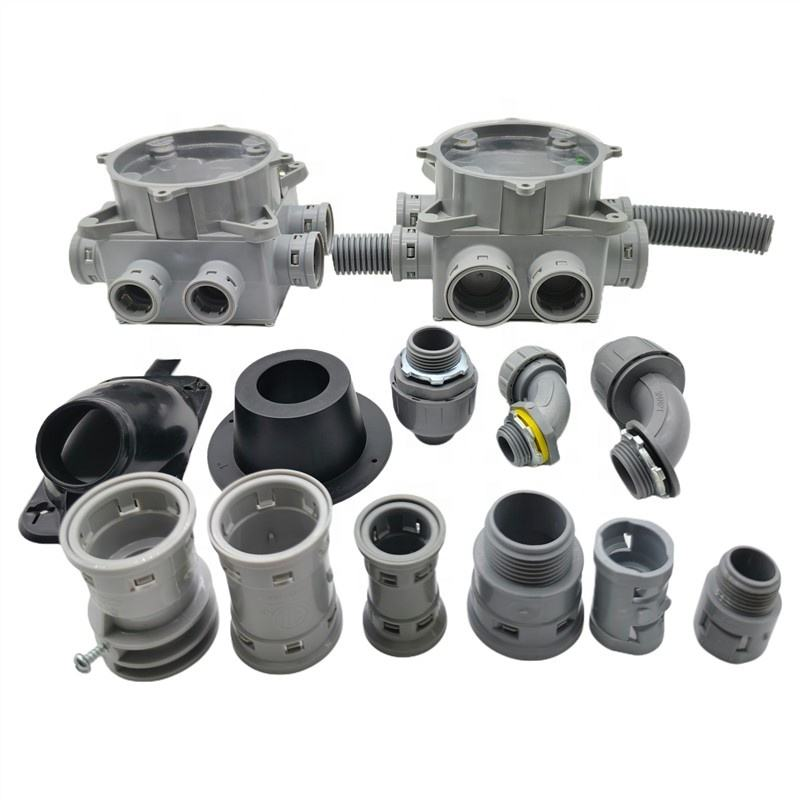
Flexible conduit pipes are essential components in electrical installations, providing protection and support for wiring systems in both commercial and residential applications. As a B2B buyer, your main concerns will likely include material durability, compatibility with existing infrastructure, and compliance with industry standards. This article aims to help you understand the key quality indicators for flexible conduit pipes, how to source reliable suppliers, their primary applications, benefits versus costs, and expert tips for making informed purchasing decisions.
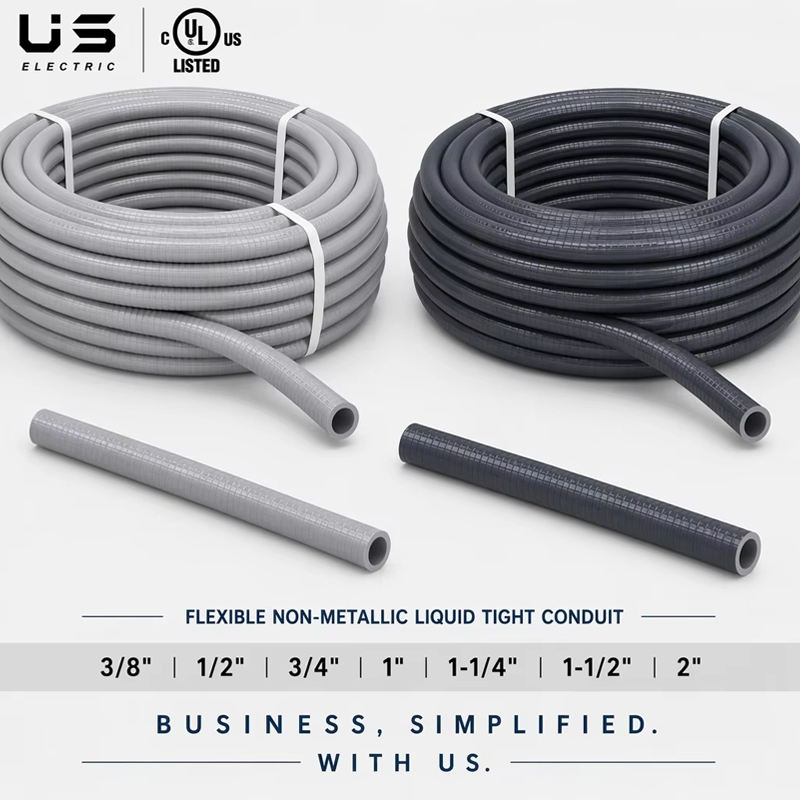
When evaluating flexible conduit pipes, several crucial quality indicators should be considered. First, the material composition—flexible conduits are typically made from either metallic materials, such as steel or aluminum, or non-metallic materials, like PVC or nylon. Each material has distinct properties that affect flexibility, corrosion resistance, and overall durability. For instance, metallic conduits often offer superior strength and grounding capabilities, while non-metallic options may provide better resistance to harsh chemicals and moisture.
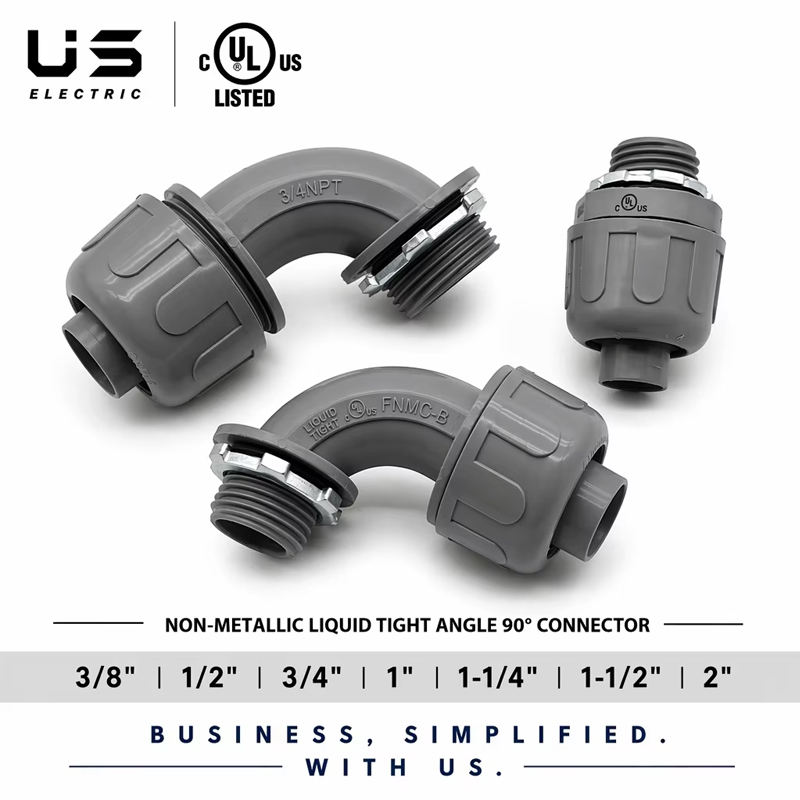
Next, check for certifications from recognized standards organizations like UL (Underwriters Laboratories) and ETL (Intertek). These certifications ensure that the products have undergone rigorous testing for safety and performance. Additionally, examine the conduit’s thickness and diameter specifications; these dimensions should align with your specific installation needs to ensure compatibility with fittings and connectors.
Quality control processes employed by the manufacturer are also critical. Reputable suppliers often have stringent testing protocols for their products, including checks for electrical conductivity, flexibility under stress, and resistance to environmental factors. Before placing a bulk order, consider requesting samples to assess whether the product meets your performance criteria.

Finding trustworthy suppliers for flexible conduit pipes requires diligent research and evaluation. Start by seeking manufacturers with a strong reputation in the industry, such as Jiaxing ANT Electrical Co., Ltd., which boasts 14 years of experience and offers a One-Stop Shopping Service. Look for companies that specialize in electrical equipment and have a wide product range, as they are more likely to meet diverse project needs.
Online platforms like industry-specific trade shows, B2B marketplaces, and professional associations can also serve as valuable resources. Attend trade shows to connect directly with suppliers and view their products firsthand. When assessing potential suppliers, consider their production capabilities—such as factory size, equipment, and certifications—as these factors can influence lead times and product quality.
Don’t hesitate to ask for references or case studies from previous customers. A reliable supplier should be willing to share insights into their past performance, customer satisfaction levels, and any challenges they have overcome in the field. Additionally, be sure to inquire about their customization capabilities to ensure they can meet your unique specifications.
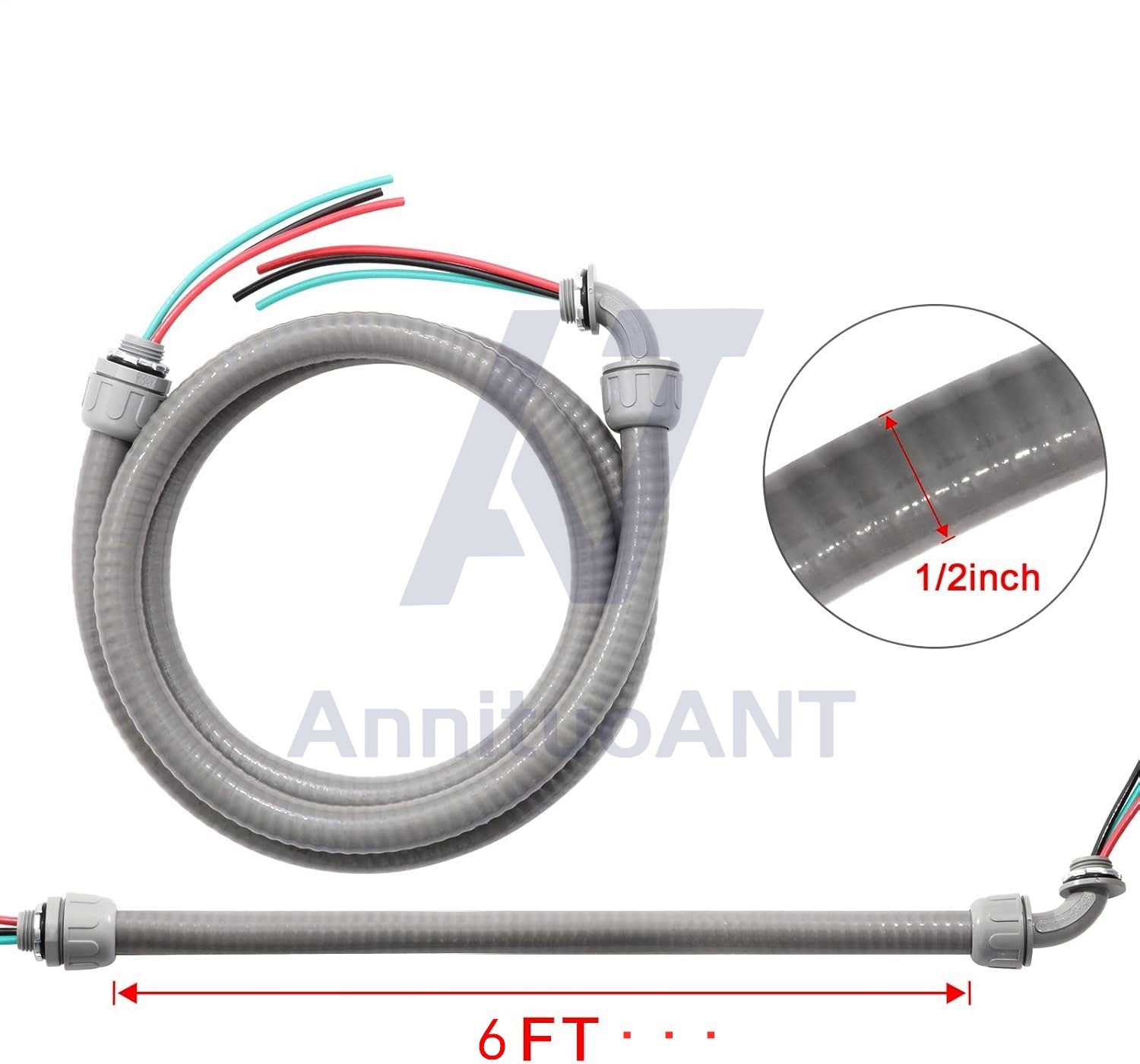
Flexible conduit pipes are widely used across various sectors within the electrical industry. Their primary function is to protect electrical wiring from mechanical damage, moisture, and chemical exposure. Common applications include:
Commercial Construction: In retail spaces and office buildings, flexible conduits facilitate the installation of lighting and power distribution systems. Their adaptability allows for quick rerouting of wiring as design changes occur.
Industrial Settings: Factories and manufacturing plants often utilize flexible conduits to safeguard wiring from heavy machinery and harsh environmental conditions. Their robust construction helps maintain electrical integrity in these demanding environments.
Residential Installations: In homes, flexible conduits provide a safe and efficient way to route wiring through walls and ceilings, particularly in finished spaces where traditional rigid conduits may be impractical.
Telecommunication Systems: Flexible conduit pipes are also essential in telecommunications, protecting cables that require frequent movement or adjustments, such as in data centers or network installations.
Understanding the specific applications relevant to your projects will help guide your selection process, ensuring that you choose the appropriate conduit type for each environment.
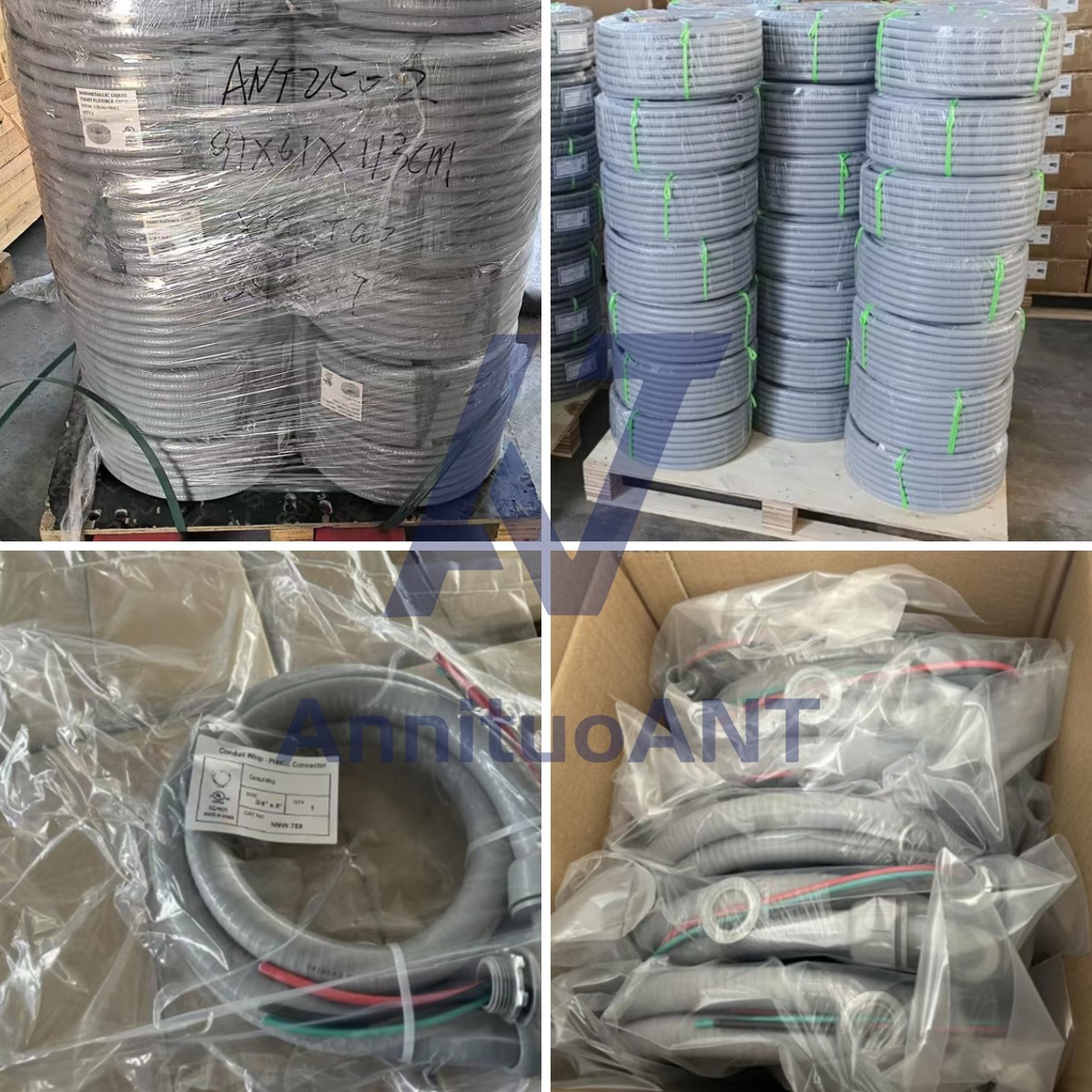
The benefits of using flexible conduit pipes extend beyond mere electrical protection. These conduits offer significant advantages, including ease of installation and adaptability in complex layouts. Their lightweight nature simplifies handling, while their flexibility allows for quick adjustments during installation.
In terms of costs, while flexible conduits may have a higher upfront price compared to rigid alternatives, their long-term value can be compelling. Reduced labor costs due to easier installation and lower maintenance needs contribute to overall savings. Additionally, their durability often leads to decreased replacement frequency, further minimizing lifetime costs. When evaluating costs, consider not only the purchase price but also the total cost of ownership, which includes installation, maintenance, and potential downtime costs if the conduit fails. This comprehensive approach will help you make a more informed purchasing decision.
When sourcing flexible conduit pipes, consider the following expert tips to streamline your purchasing process:
Clearly Define Your Requirements: Before contacting suppliers, outline your project specifications, including material type, dimensions, and any necessary certifications. This clarity will help suppliers provide accurate quotes and product recommendations.
Request Samples: Always request samples before committing to a bulk order. Testing samples will allow you to evaluate the product’s performance in real-world conditions and confirm its suitability for your application.
Verify Supplier Credentials: Ensure that your chosen supplier has the necessary certifications, quality control processes, and a solid track record in the industry. This verification process builds trust and reduces the risk of purchasing subpar products.
Consider Custom Solutions: If your project has unique requirements, inquire about customization options. A manufacturer like Jiaxing ANT Electrical Co., Ltd. offers OEM/ODM solutions, allowing you to tailor products to your specific needs.
Plan for Lead Times: Understand that lead times can vary based on order volume and production schedules. Communicate your project timelines with suppliers to ensure timely delivery of materials.
By implementing these tips, you can enhance your sourcing strategy and secure high-quality flexible conduit pipes that meet your project requirements efficiently.