 EN
Quick Links
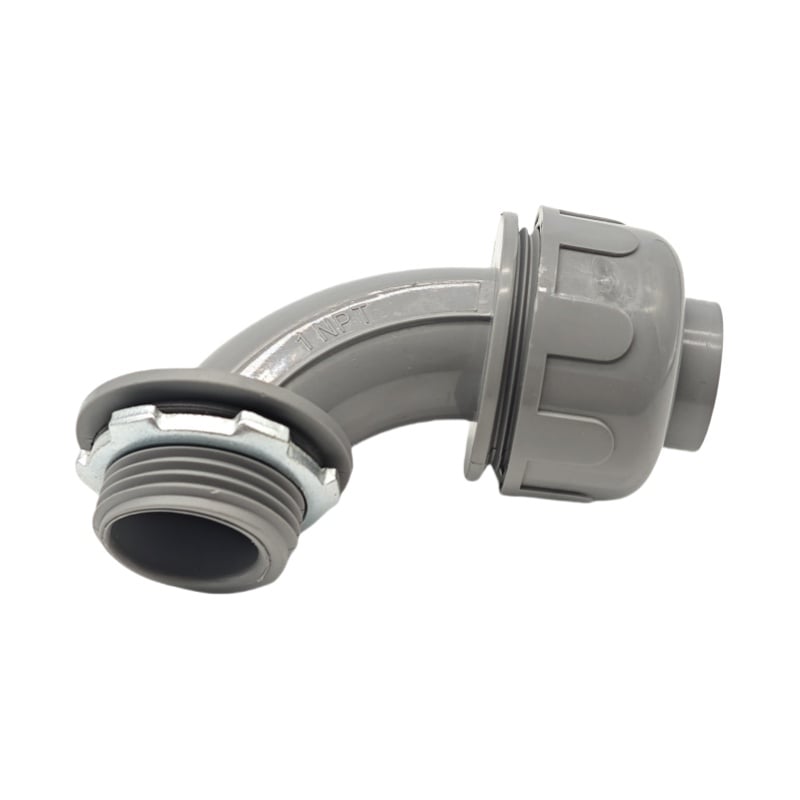
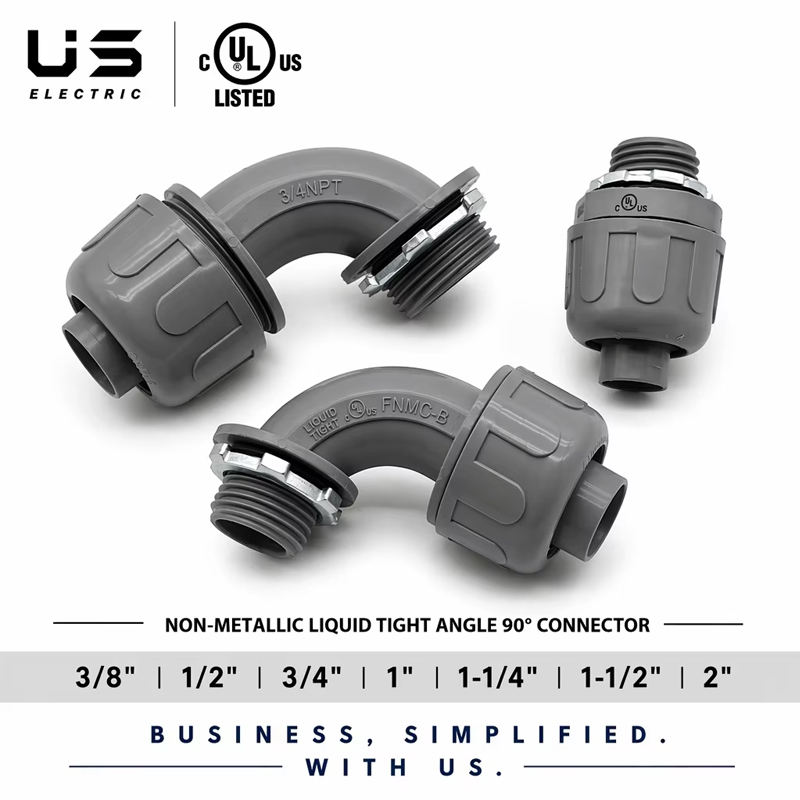
Electrical conduit 90 is a critical component in electrical installations, designed to protect and route electrical wiring. As a B2B buyer, your main concerns likely revolve around ensuring the right specifications, material durability, and compatibility with your project requirements. This article will guide you through selecting the appropriate electrical conduit 90 for your needs, highlight why Jiaxing ANT Electrical Co., Ltd. is an ideal supplier, address common problems, and offer insights into material advantages and comparison strategies.
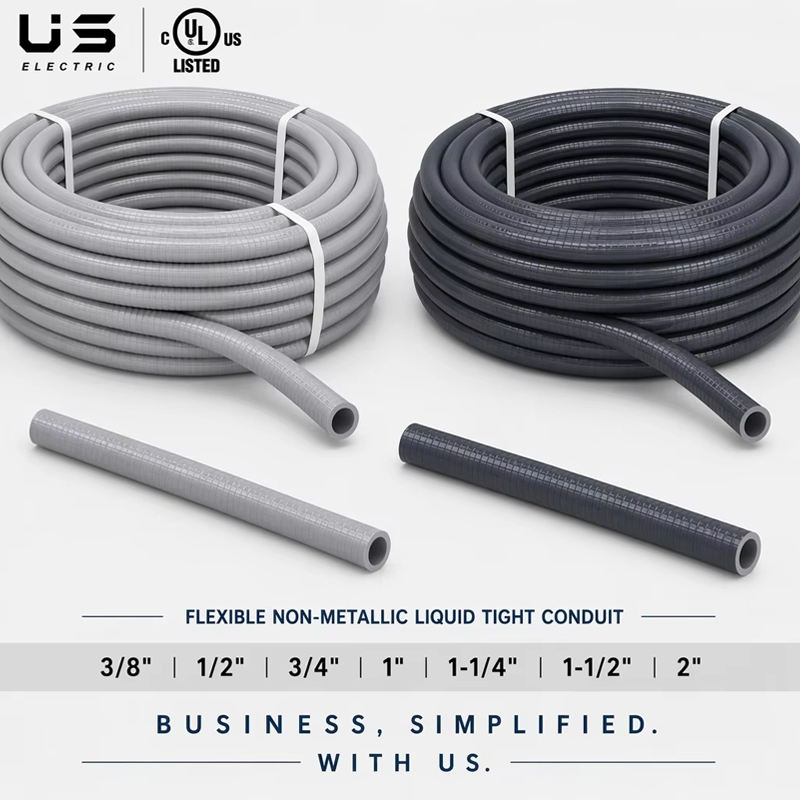
When selecting an electrical conduit 90, it's essential to consider factors such as the intended application, environmental conditions, and the type of wiring being used. Electrical conduit 90 is typically used to navigate corners and turns in wiring installations, and selecting the right size and material is crucial for performance. For instance, you might consider Nonmetallic Liquid-tight Conduit & fittings for specific applications.
Specifications to Consider:
Dimensions: Ensure the conduit fits the diameter of the wires it will house. Common sizes include 1/2", 3/4", and 1". The right fit prevents stress on the wiring and allows for ease of installation.Bend Radius: Electrical codes often specify minimum bend radii to prevent damage to the wires. A tight bend can lead to insulation wear and potential electrical failures.Material Type: Common materials for electrical conduit 90 include PVC, metal (such as EMT or Rigid), and fiberglass. Each has distinct advantages based on the installation environment, such as moisture resistance, impact resistance, or thermal conductivity. PVC Conduit/Pipe & Fittings are also an option worth exploring for various applications.By understanding these specifications, you can select an electrical conduit 90 that meets your project’s requirements while ensuring compliance with local electrical codes.
Jiaxing ANT Electrical Co., Ltd. boasts over 14 years of experience as a manufacturer and exporter of electrical equipment, providing over 1,000 certified products including electrical conduits. Our commitment to quality is reflected in our compliance with UL/cUL and ETL/cETL standards.
Why Choose Jiaxing ANT?
Expertise in Manufacturing: Our two factories are equipped with advanced production capabilities, allowing us to produce high-quality electrical conduits at scale.One-Stop Shopping Service: We cater to both commercial and residential construction needs, simplifying the supply chain for our customers.Customization Capabilities: We offer OEM/ODM solutions tailored to your specifications, ensuring that your unique project requirements are met. Others may also find our services beneficial.Partnering with a seasoned manufacturer like Jiaxing ANT means accessing reliable products that meet stringent quality standards.
While installing electrical conduit 90, several challenges may arise that can impact project timelines and safety. Understanding these common problems and their solutions is crucial for a smooth installation.
Typical Issues:
Improper Sizing: Using conduit that is too small can lead to overheating and potential fire hazards. Always measure your wiring and select a conduit that allows for adequate space.Bending Errors: Attempting to bend conduit without proper tools can result in kinks or breaks. Utilize a conduit bender or seek professional assistance to ensure smooth transitions.Material Selection: Choosing the wrong material for the environment can lead to corrosion or deterioration. For instance, metal conduits may not be suitable for humid environments without additional protective coatings. By proactively addressing these issues, you can enhance the safety and longevity of your electrical installations.When it comes to purchasing electrical conduit 90 in bulk, comparing options is vital to securing the best deal while ensuring quality. Here are key factors to help you assess different suppliers:
Comparison Criteria:
Pricing: Request detailed quotations from multiple suppliers, ensuring that all costs, including shipping and handling, are included. Be wary of the lowest price; focus on overall value.Minimum Order Quantities (MOQ): Ensure that the supplier’s MOQ aligns with your project needs. A flexible supplier can provide both small and large orders as required.Quality Assurance: Investigate the supplier’s quality control processes. Ask about certifications and whether they conduct regular inspections on products. By thoroughly comparing these factors, you can make an informed decision that balances cost with product quality.The choice of materials for electrical conduit 90 significantly impacts its performance and suitability for various applications. Here’s a breakdown of common material options and their advantages:
Material Types:
PVC Conduit: Lightweight and resistant to corrosion, PVC is ideal for indoor applications and can handle moisture, making it suitable for basements or outdoor environments.Metal Conduit: EMT (Electrical Metallic Tubing) and Rigid conduits offer superior strength and impact resistance. They are often preferred in industrial settings where durability is key.Fiberglass Conduit: This option provides excellent resistance to chemicals and corrosion, making it suitable for harsh environments. Understanding these material advantages allows you to select the most appropriate electrical conduit 90 for your specific applications, ensuring safety and compliance with industry standards.Overall, selecting the right electrical conduit 90 involves careful consideration of specifications, material advantages, and supplier reliability. By following these guidelines and partnering with a knowledgeable manufacturer like Jiaxing ANT, you can ensure that your electrical installations meet all necessary requirements while minimizing potential issues.