EN
Quick Links
Plastic conduit fittings are essential components for electrical installations, providing a secure and reliable means of connecting conduits and protecting wiring in various applications. For B2B buyers, including purchasing managers and engineers, the selection of the right plastic conduit fittings is crucial to ensure safety, durability, and compliance with industry standards. This article addresses key considerations when choosing plastic conduit fittings, including specifications, quality factors, common issues, and how to evaluate suppliers effectively.
Selecting the appropriate plastic conduit fittings for your project involves understanding the specific requirements of your application. First, consider the type of conduit you are using—PVC (polyvinyl chloride) and ABS (acrylonitrile butadiene styrene) are common materials for conduit systems. Ensure that the fittings you choose are compatible with the conduit material to prevent issues such as leaks or structural failure.
Next, evaluate the dimensions and threading of the fittings. Accurate measurements are essential; fittings must match the size of the conduit to ensure secure connections. Additionally, assess the application environment. For instance, if the fittings will be exposed to harsh chemicals or extreme temperatures, choose materials designed to withstand such conditions. Products like 1 Gang Gangable Switch Box Galvanized Steel can be a suitable choice for demanding environments.
Finally, consider any specific regulatory requirements that apply to your industry. Many electrical installations must comply with standards set by organizations such as UL (Underwriters Laboratories) or ETL (Intertek). Ensure that the fittings you select are certified to meet these standards, as this will enhance the safety and reliability of your installations.
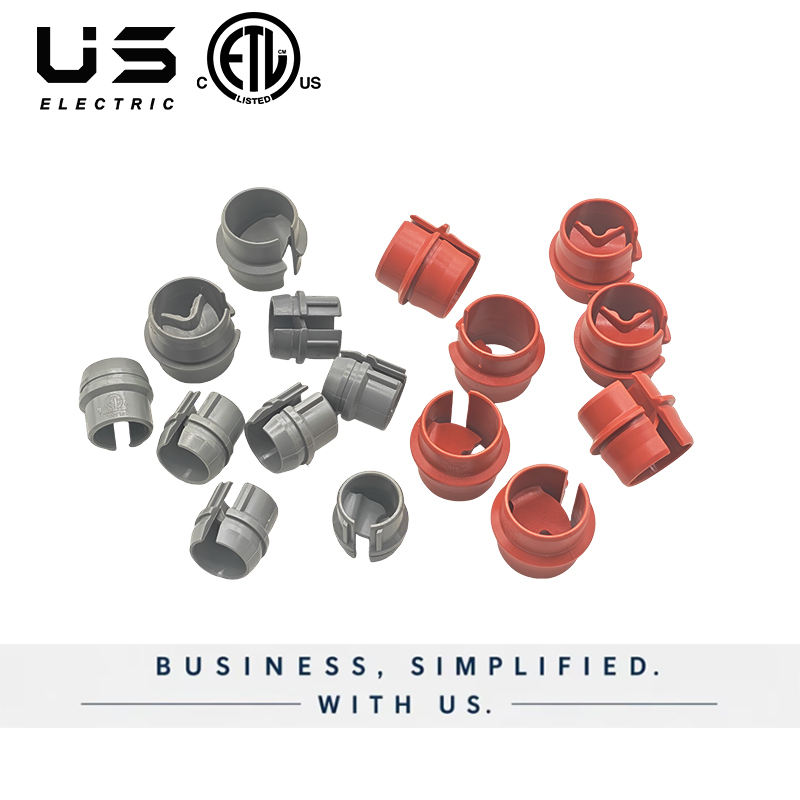
When evaluating plastic conduit fittings, several key specifications should be taken into account:
Material Composition: The material affects not only the durability but also the chemical resistance of the fittings. PVC is widely used for its cost-effectiveness and ease of installation, while ABS offers greater impact resistance.
Dimensions: Fittings should conform to standard sizing to ensure compatibility with conduits. Common sizes include 1/2", 3/4", and 1" diameters.
Temperature Ratings: Different materials have varying temperature tolerances. Ensure that the fittings can withstand the temperatures they will encounter in your application.
Sealing and Protection: Look for fittings with appropriate sealing mechanisms to prevent moisture ingress, which can lead to electrical failures.
Certification: Ensure that the fittings comply with relevant safety and quality standards, which may include UL, cUL, or ETL certifications.
Understanding these specifications will help buyers select fittings that not only fit their physical requirements but also perform reliably in their intended applications.
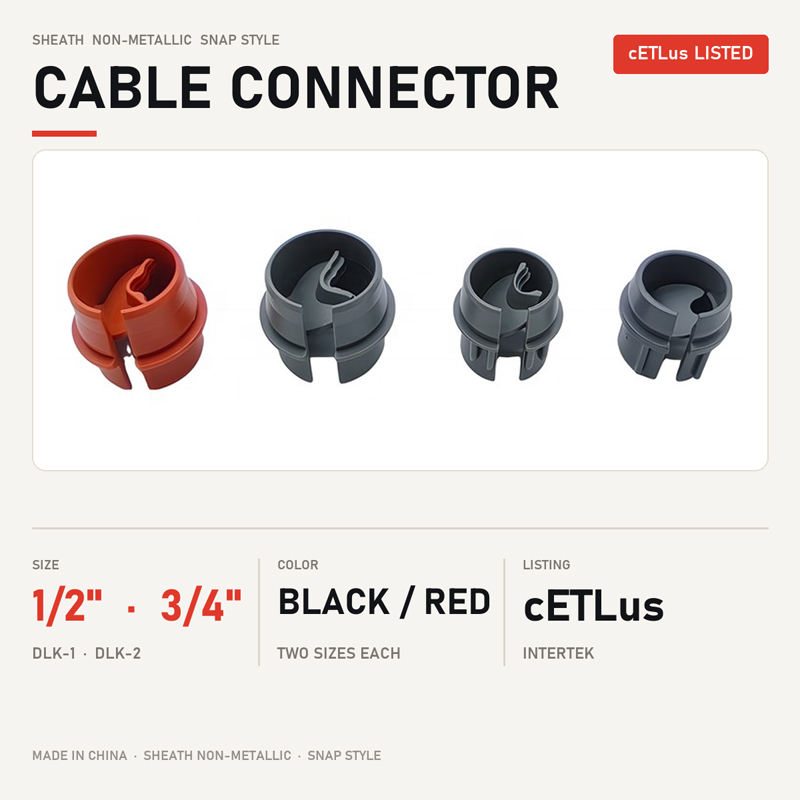
The quality of plastic conduit fittings can significantly impact the overall performance and safety of electrical installations. While it may be tempting to opt for the cheapest options, it's important to weigh cost against quality. Lower-priced fittings may not meet necessary safety standards, leading to potential failures that could incur higher costs down the line.
Key factors influencing quality include:
Material Quality: High-quality materials often lead to better performance and longevity. For instance, fittings made from high-grade PVC or ABS will generally perform better than those made from lower-quality plastics. Consider options like CETL Listed 1-Gang Galvanized Steel Electrical Box for reliable performance.
Manufacturing Processes: Look for manufacturers that employ stringent quality control processes. This may include testing batches for consistency and durability.
Supplier Reputation: Choose suppliers with a proven track record in the industry. A reputable supplier will be more likely to provide high-quality fittings that meet or exceed industry standards.
When evaluating cost, consider not only the initial price but also the potential long-term savings from reduced maintenance and replacement needs.
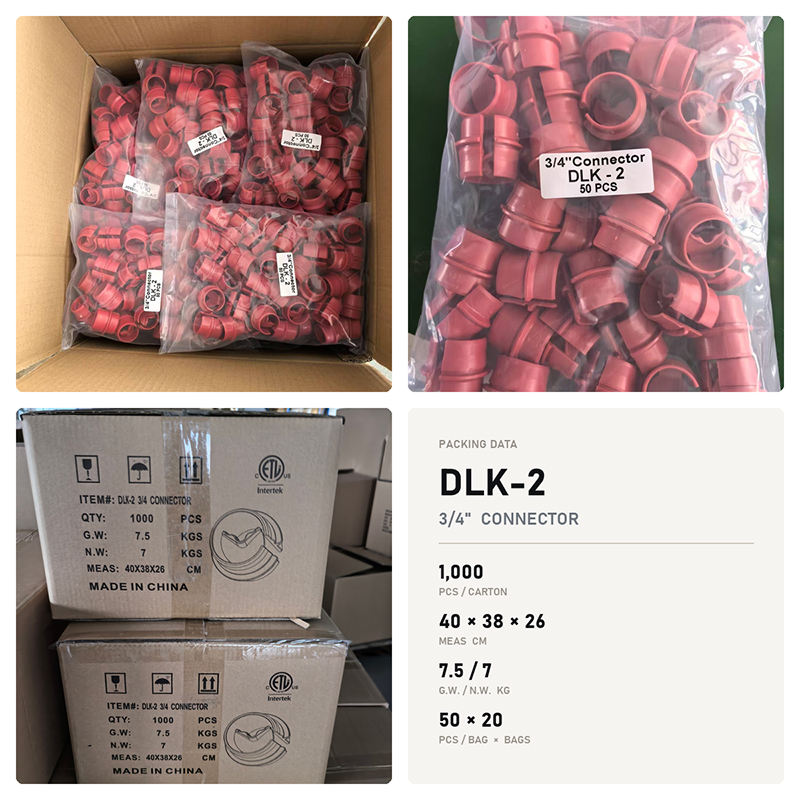
Despite their advantages, plastic conduit fittings can present certain challenges. Here are some common problems and their solutions:
Cracking or Brittle Fittings: This can occur due to exposure to extreme temperatures or UV light. To mitigate this, select UV-resistant fittings for outdoor applications and ensure they are rated for the temperatures expected in service.
Poor Sealing: Improper sealing can lead to moisture ingress, which may cause electrical failures. Always check that fittings are installed correctly and verify that they have the appropriate sealing mechanisms.
Compatibility Issues: Using fittings that are not compatible with conduits can lead to leaks or structural weaknesses. Always confirm the material and size compatibility before making a purchase.
Installation Errors: Incorrect installation can compromise the fitting's performance. Ensure that installation guidelines are followed precisely and consider providing training for installation teams.
By being aware of these potential issues, buyers can take proactive steps to ensure the reliability of their installations.
Finding a trustworthy supplier for plastic conduit fittings is essential to ensuring quality and reliability in your electrical installations. Here are some key factors to consider when evaluating potential suppliers:
Experience and Expertise: Look for suppliers with extensive experience in manufacturing electrical components. Companies like Jiaxing ANT Electrical Co., Ltd., with over 14 years in the industry, often demonstrate a deeper understanding of quality requirements and regulatory standards.
Certifications: Verify that the supplier's products meet relevant industry certifications. This gives assurance that the fittings have undergone rigorous testing for safety and reliability.
Manufacturing Capabilities: Assess the supplier's manufacturing capabilities, including quality control processes and production equipment. This can provide insights into their ability to meet your order specifications consistently.
Customer Support and Communication: A reliable supplier should offer responsive customer service and clear communication regarding orders, lead times, and product specifications.
References and Reviews: Seek feedback from other customers or industry references to gauge the supplier's reliability and product quality.
By thoroughly evaluating these aspects, buyers can make informed decisions and establish long-term partnerships with reliable suppliers for their plastic conduit fittings needs.