 EN
Quick Links
Electromagnetic Tubing (EMT tubing) is a critical component in electrical installations, acting as a conduit for wiring in both commercial and residential applications. Buyers often face challenges in selecting the right EMT tubing, such as ensuring compliance with safety standards, confirming material specifications, and evaluating suppliers. This article provides insights into key specifications, sourcing options, cost-effective solutions, quality evaluation, and key features and benefits that contractors should consider when purchasing EMT tubing.
When evaluating EMT tubing, buyers should pay attention to several key specifications that dictate performance and suitability for various applications.
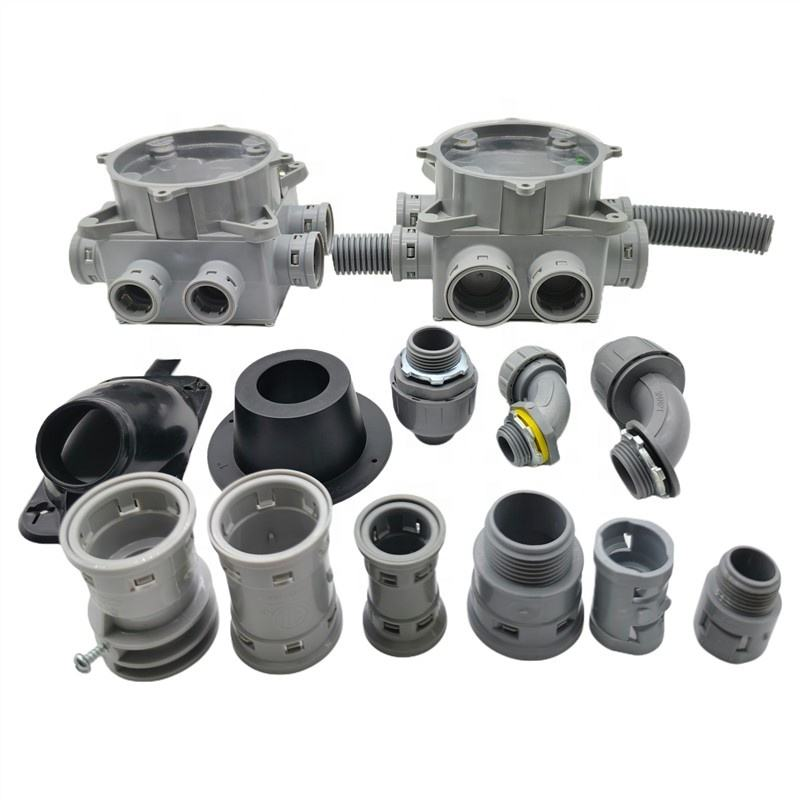
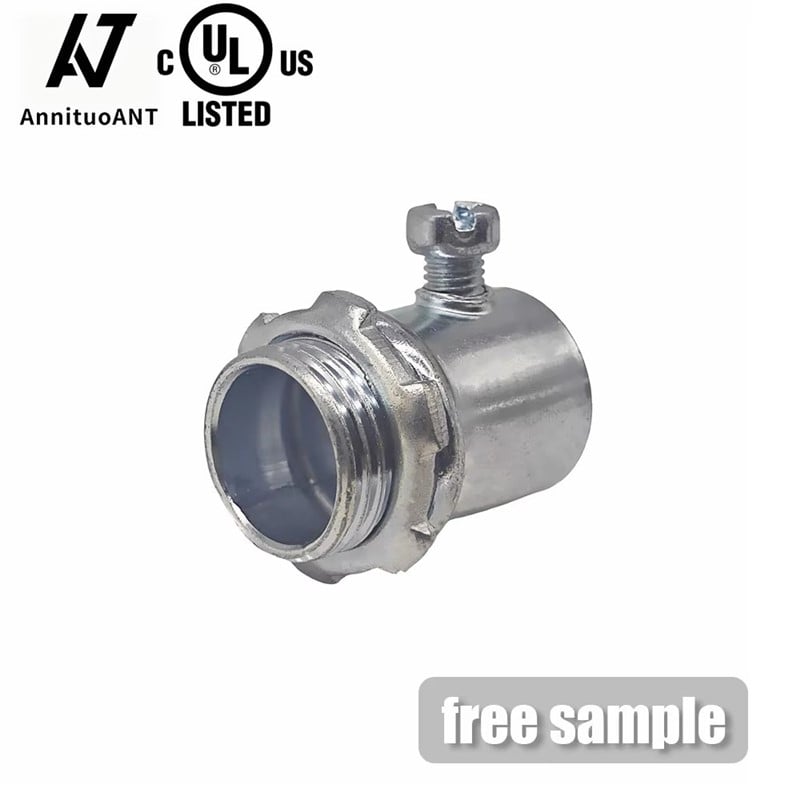
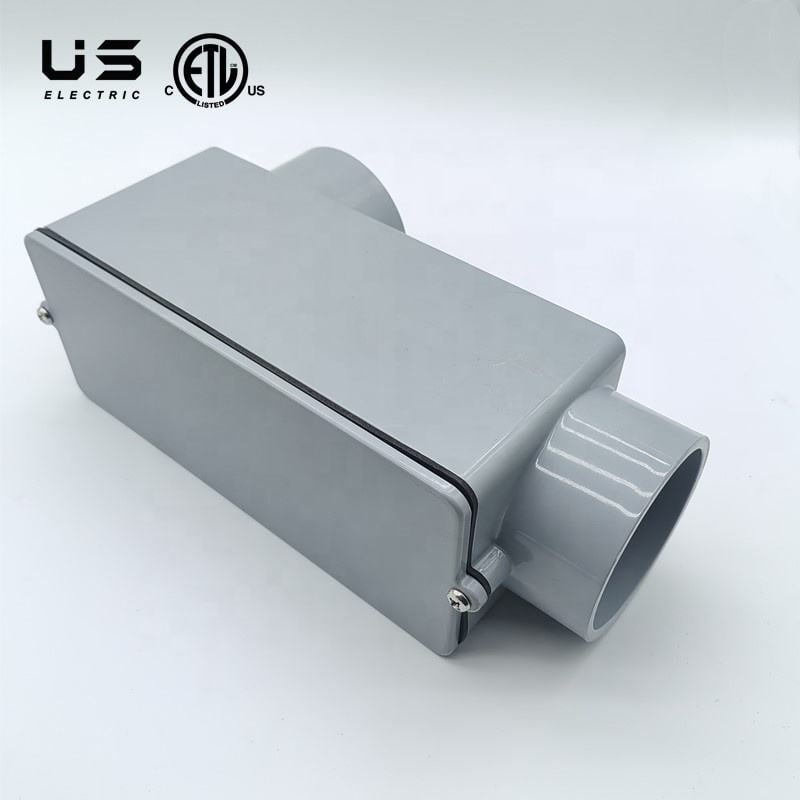
Material Composition: EMT tubing is typically made from galvanized steel or aluminum. Buyers should consider the material selected based on factors like corrosion resistance, weight, and cost. Galvanized steel is more durable and suitable for outdoor use, while aluminum is lighter and easier to handle. For instance, when choosing EMT tubing for outdoor applications, options like the US Canadian Standards Metal Junction Box may be beneficial.
Wall Thickness: The wall thickness contributes to the tubing's strength and ability to withstand environmental pressures. Common thickness ratings include 0.040 inches for light-duty applications and up to 0.120 inches for heavy-duty usage. Buyers should assess the expected load and environmental conditions to determine the appropriate thickness.
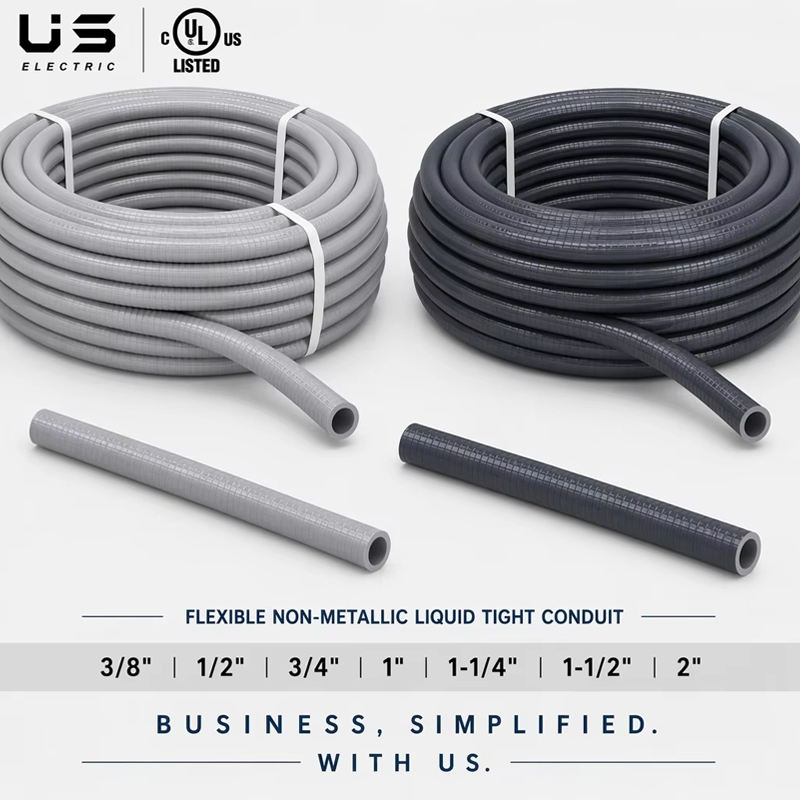
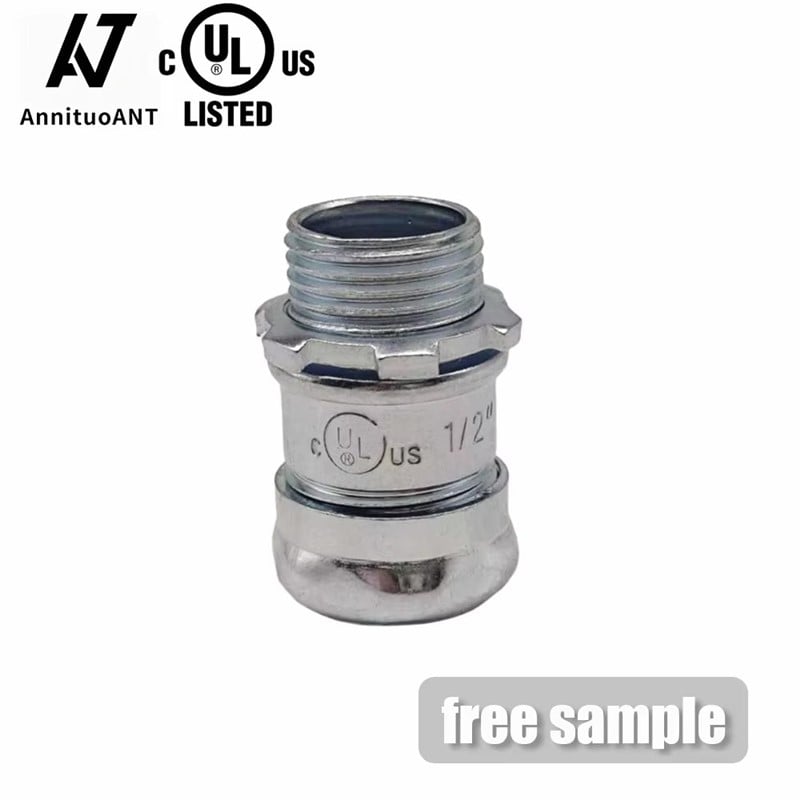
Dimensions: EMT tubing comes in various diameters, commonly ranging from ½ inch to 4 inches. Ensuring compatibility with fittings and connectors is essential, as improper sizing can lead to installation challenges. Using properly sized components like the 1 Gang Adjustable Mud Rings can help mitigate these issues.
Certifications: Look for EMT tubing that meets UL/cUL and ETL/cETL certifications. These standards ensure the tubing has been tested for safety and performance, providing assurance for both installation and compliance with local building codes.
Length: EMT tubing is available in standard lengths, typically 10 or 20 feet. Buyers should consider the lengths required for their specific projects to minimize waste and reduce costs.
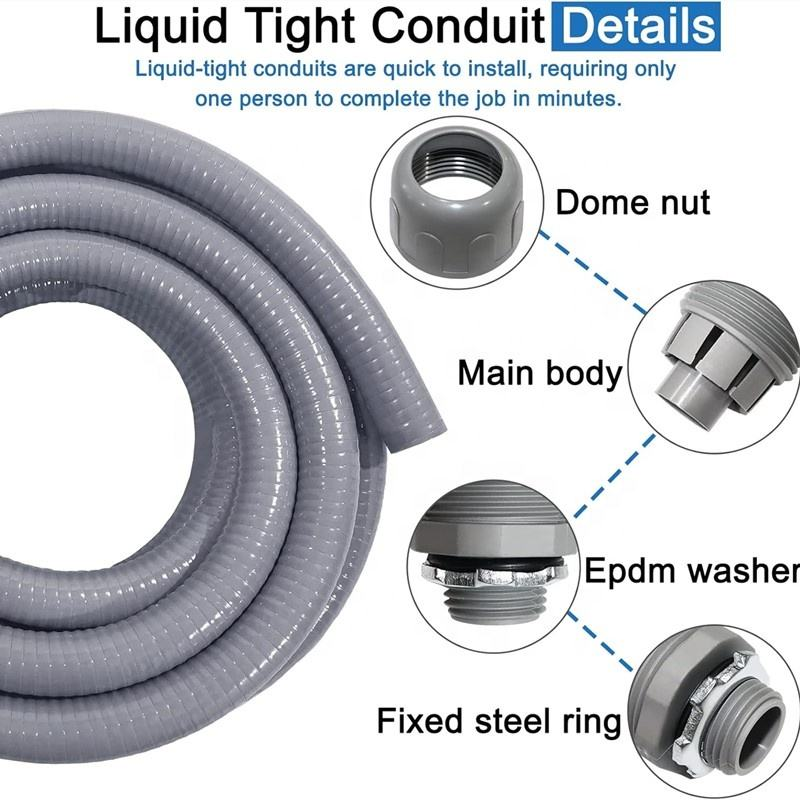
Sourcing high-quality EMT tubing requires identifying reliable manufacturers and distributors. Here are some key strategies:
Direct Manufacturers: Engage with manufacturers like Jiaxing ANT Electrical Co., Ltd., which has over 14 years of experience in producing electrical equipment. They often provide OEM/ODM solutions, allowing for tailored specifications to meet your project needs.
Industry Trade Shows and Expos: Attending trade shows can connect buyers with multiple suppliers, allowing for direct interaction to assess product quality and capabilities.
Online Marketplaces: Utilize B2B platforms to find suppliers, but ensure they have a proven track record and certifications. Reading reviews and requesting samples can help evaluate quality.
Local Distributors: Local suppliers may offer convenience and faster shipping. It's beneficial to establish relationships with reputable local distributors who understand regional compliance requirements.
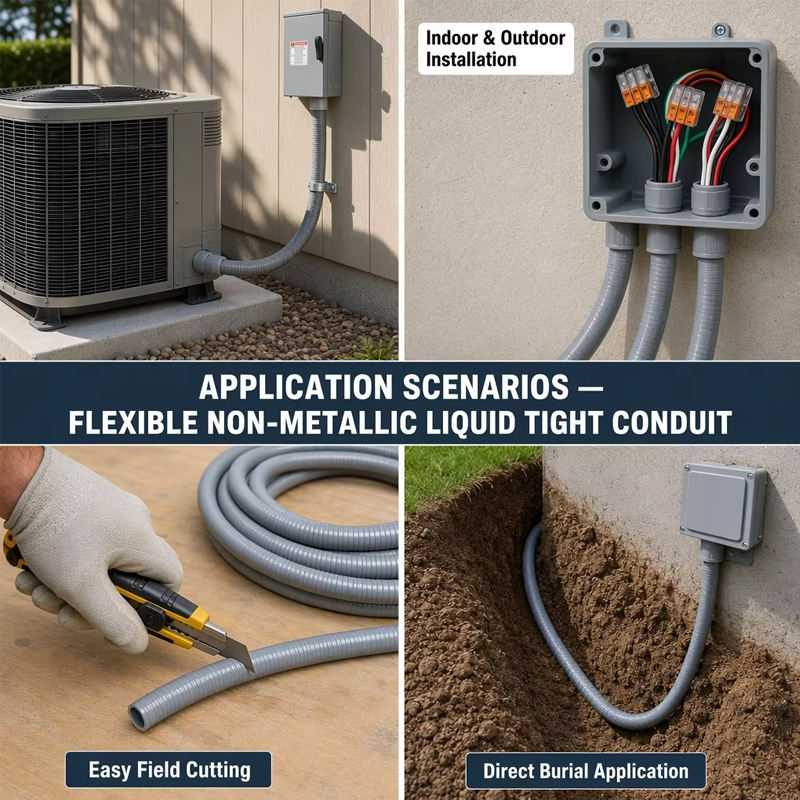
When purchasing EMT tubing, understanding cost factors can lead to significant savings. Here are a few considerations:
Bulk Purchases: Many manufacturers, including Jiaxing ANT Electrical Co., Ltd., offer discounts for bulk orders. Assess your project requirements to determine the optimal quantity to purchase.
Material Selection: While aluminum is lighter and often cheaper upfront, galvanized steel may offer better long-term savings due to its durability, especially in harsh environments.
Standardization: Standardizing on specific sizes and types of EMT tubing can streamline inventory and reduce costs over time, particularly for contractors managing multiple projects.
Shipping and Handling: Consider the total landed cost, including shipping and handling. Working with manufacturers that offer favorable logistics solutions can mitigate extra costs.
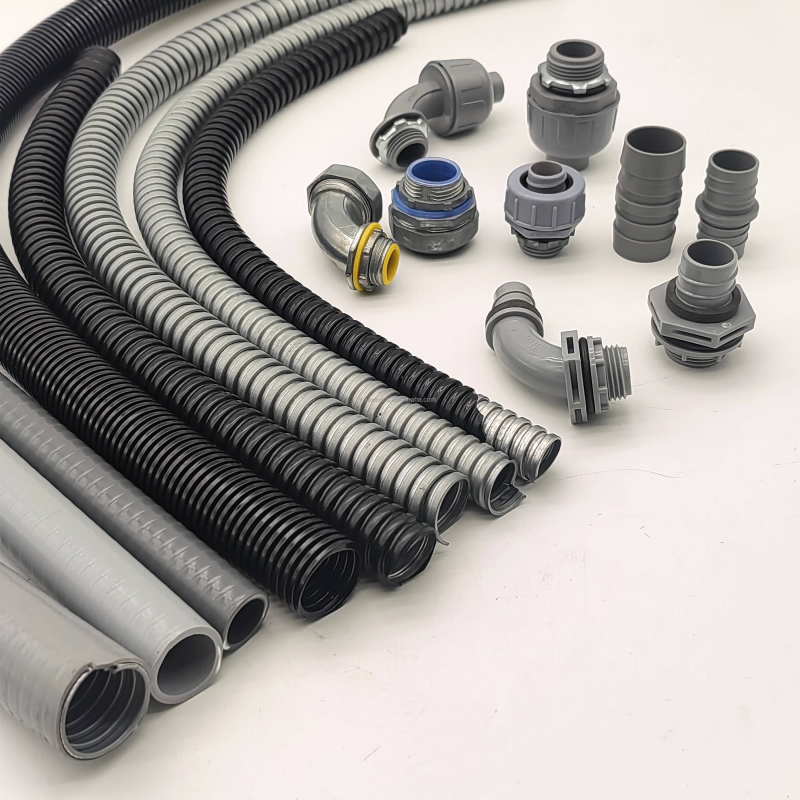
Quality evaluation is crucial when sourcing EMT tubing in bulk. Here are essential steps:
Sample Testing: Before committing to a large order, request samples of the EMT tubing. Inspect for physical defects, gauge wall thickness, and confirm dimensions against specifications.
Certifications Verification: Ensure that the tubing has the necessary certifications from recognized bodies. This verification can typically be done through the manufacturer.
Supplier Audits: Conduct audits or assessments of the supplier’s manufacturing processes, quality control systems, and capabilities. This can help ensure they adhere to industry standards.
Performance Testing: If possible, conduct performance tests under actual operating conditions to confirm the tubing meets the required parameters for your specific application.
For contractors, understanding the features and benefits of EMT tubing is vital for effective project execution:
Durability: EMT tubing is designed to withstand physical impacts and environmental factors. Its robust construction ensures long-lasting performance, reducing the need for frequent replacements.
Ease of Installation: EMT tubing is lighter and easier to handle than other conduit materials. This ease of installation can lead to reduced labor costs and faster project completion times.
Versatility: Suitable for various applications, EMT tubing can be used in both indoor and outdoor settings. Its compatibility with a wide range of fittings and accessories enhances its adaptability.
Cost-Effectiveness: While the initial investment may vary, the long-term savings associated with reduced maintenance and replacement costs make EMT tubing a financially sound choice for contractors.
By understanding these aspects of EMT tubing, B2B buyers can make informed decisions that align with their project needs and budget considerations, ensuring successful electrical installations.