 EN
Quick Links
EMT electrical tubing, or electrical metallic tubing, is a crucial component used for protecting and routing electrical wiring in various applications, particularly in commercial and residential construction. Buyers often seek to understand the specifications, sources, costs, and potential issues when considering EMT tubing for their projects. This article provides a comprehensive overview of EMT electrical tubing, addressing key specifications to consider, reliable supplier sourcing, cost factors, common problems, and quality evaluation methods.
When sourcing EMT electrical tubing, several specifications are essential to ensure that the product meets your project requirements:
Material: EMT is typically made from galvanized steel or aluminum, offering varying levels of corrosion resistance. Galvanized steel is more common due to its strength and durability, making it suitable for a wide range of applications. Aluminum, while lighter, may be preferred in situations where weight is a concern.
Wall Thickness: The wall thickness of EMT tubing affects its strength and ability to withstand environmental factors. Common wall thicknesses include 0.040 inches and 0.050 inches, with thicker walls offering greater protection and durability.
Diameter: EMT tubing comes in a range of diameters, typically from ½ inch to 4 inches. Selecting the right diameter ensures proper fit and function within your electrical systems.
Length: Standard lengths for EMT tubing are typically 10 feet or 20 feet. Consider your project’s layout to minimize waste and reduce the need for additional fittings.
Certifications: Ensure that the EMT tubing is compliant with relevant standards, such as UL (Underwriters Laboratories) and ETL (Intertek), which verify that products meet specific safety and quality criteria. For further information on related products, you may explore Others in our catalog.
Understanding these specifications is crucial for making informed purchasing decisions that align with your project needs.
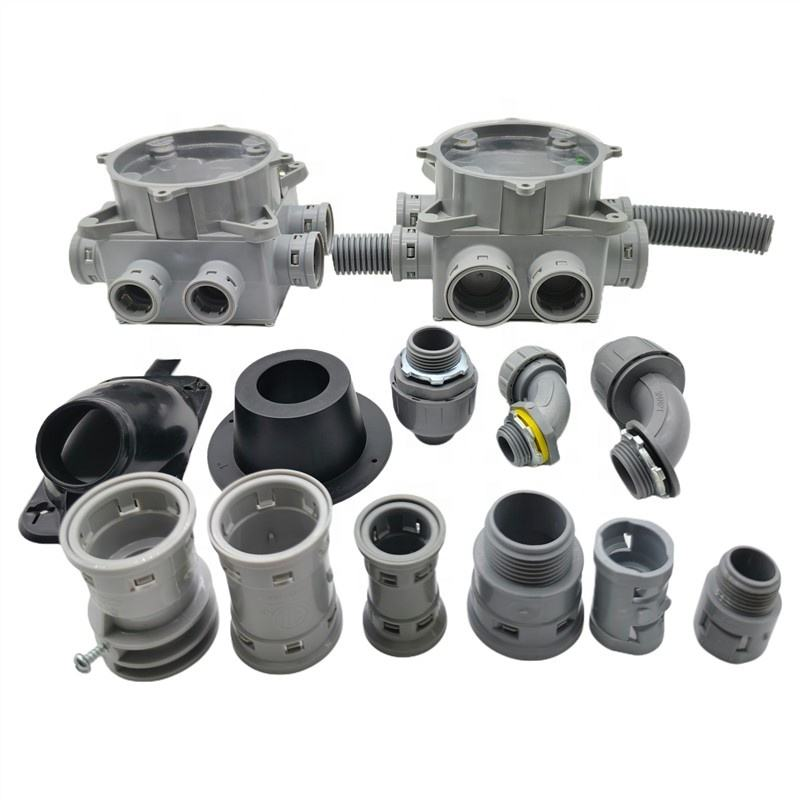
Finding reliable suppliers for EMT electrical tubing involves several strategies:
Industry Directories: Websites like ThomasNet and IndustryNet list manufacturers and suppliers by category. You can filter results based on location, certifications, and product offerings.
Trade Shows and Expos: Attending industry-specific trade shows allows you to meet suppliers face-to-face, inspect products, and discuss your specific needs in detail.
Referrals and Recommendations: Networking within the industry can lead to valuable recommendations from peers who have had positive experiences with particular suppliers. Additionally, you may want to consider HVAC & Accessories that can complement your electrical projects.
Online Marketplaces: Platforms like Alibaba and Global Sources can connect you with international manufacturers. However, it's vital to conduct thorough due diligence to ensure supplier credibility and product quality.
Local Distributors: Establishing relationships with local distributors can also provide quick access to EMT tubing, along with other electrical supplies. This can be particularly advantageous for urgent projects.
By leveraging these resources, you can identify trustworthy suppliers that align with your quality and service expectations.
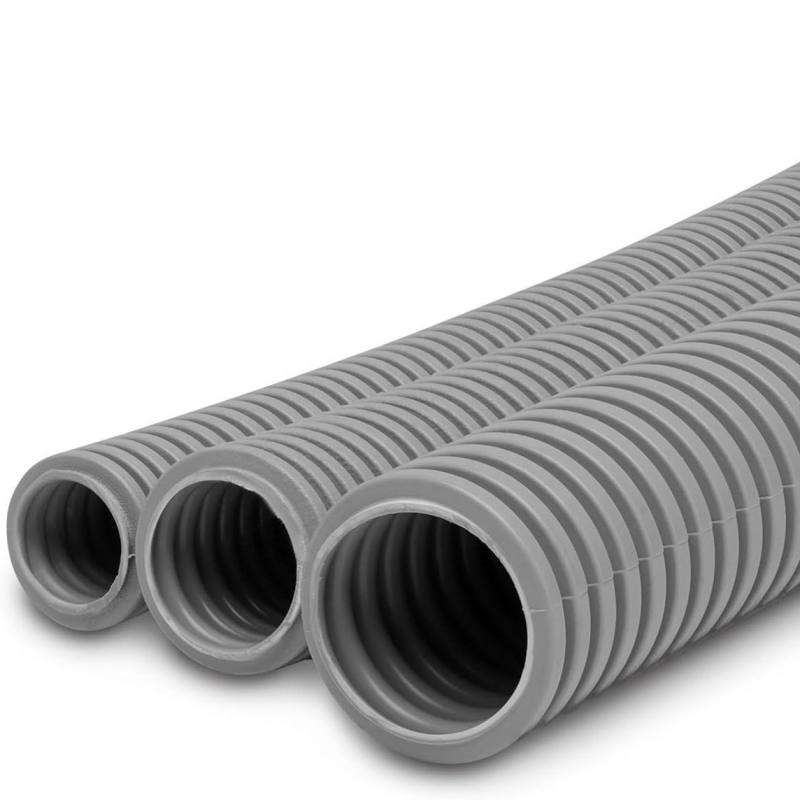
The cost of EMT electrical tubing is influenced by multiple factors, including:
Material Type: As mentioned, galvanized steel is generally more expensive than aluminum. The choice between materials often depends on the specific application and environmental conditions.
Wall Thickness and Diameter: Thicker walls and larger diameters typically result in higher costs due to increased material usage and manufacturing complexities.
Quantity: Ordering in bulk can often lead to discounts. Suppliers may have minimum order quantities (MOQ), impacting the overall pricing structure.
Customization: If you require custom lengths, finishes, or additional features, these modifications can increase costs. Discuss your needs with suppliers to get accurate quotes.
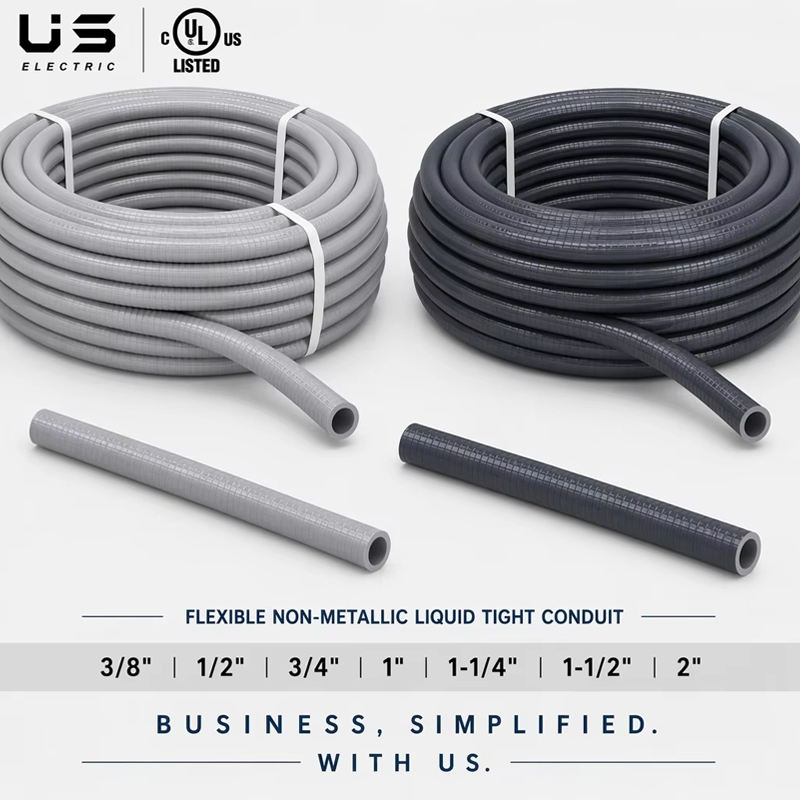
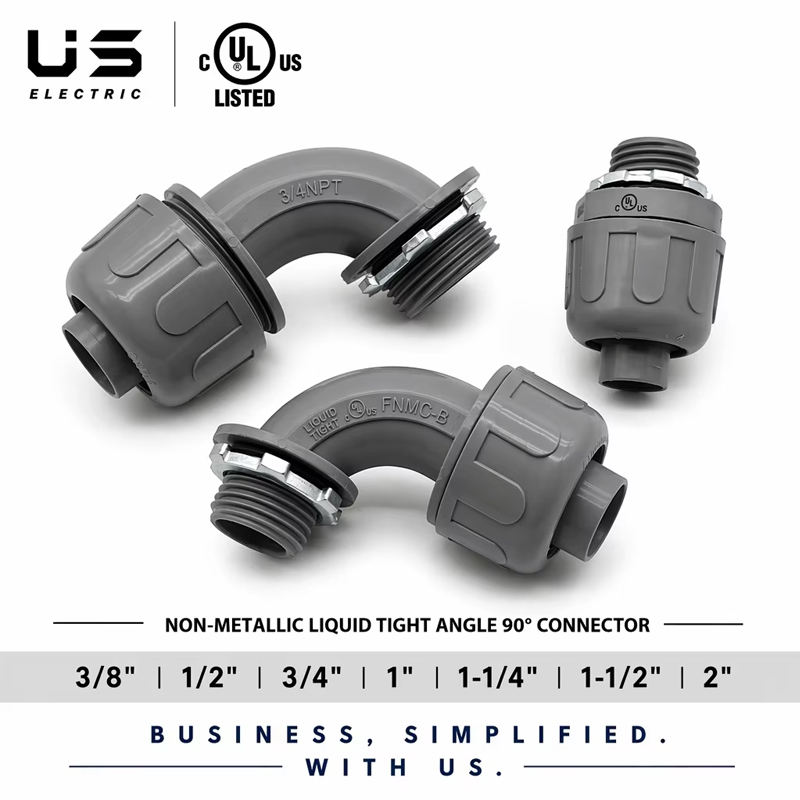
Shipping and Handling: Consider logistics costs, especially for bulk orders or international shipments. Local suppliers may offer reduced shipping costs and faster delivery times. For a broader selection of related options, you can check our Nonmetallic Liquid-tight Conduit & fittings.
Understanding these factors can help you budget more effectively and negotiate better deals with suppliers.
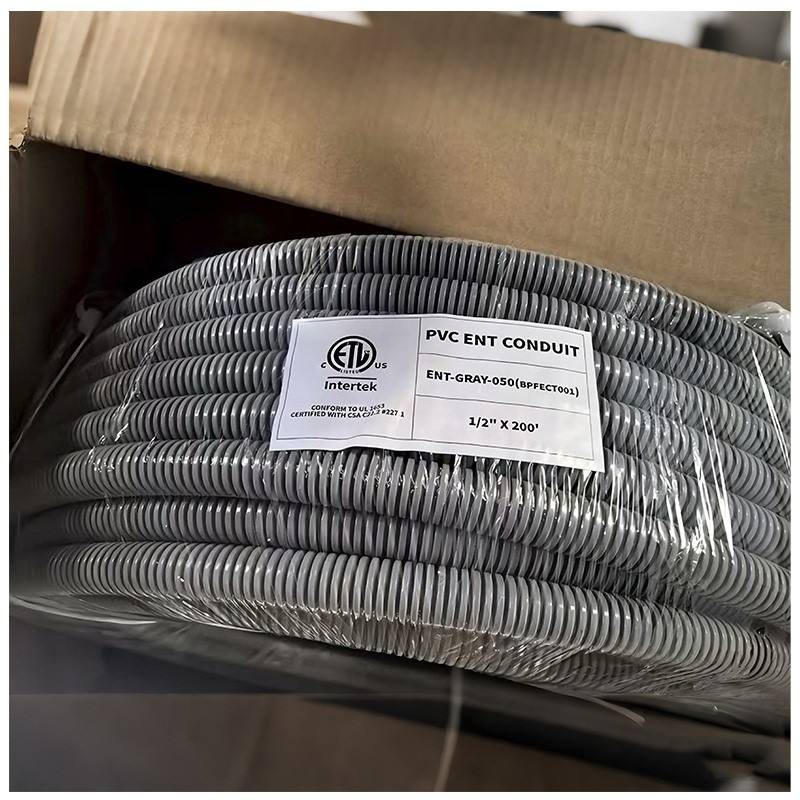
While EMT electrical tubing is a reliable choice, certain issues may arise during installation or use:
Corrosion: Although galvanized tubing is resistant to rust, prolonged exposure to moisture can still lead to corrosion. To mitigate this, ensure proper installation techniques and consider using additional protective coatings or sealants in high-moisture environments.
Incorrect Sizing: Using the wrong diameter or length can lead to installation challenges. Always double-check measurements and consult with your electrical design team to ensure compatibility with existing systems.
Dents and Damage: Physical damage during transportation or handling can compromise the integrity of EMT tubing. Inspect all materials upon delivery and report any issues to the supplier immediately.
Improper Installation: Following the correct installation guidelines is crucial to ensure safety and functionality. Refer to the National Electrical Code (NEC) for best practices and consult with a qualified electrician if you encounter uncertainties.
By being aware of these common issues, you can take proactive steps to minimize potential problems and ensure the success of your project.
To ensure you are purchasing high-quality EMT electrical tubing, consider the following evaluation methods:
Visual Inspection: Check for any visible defects such as dents, rust, or improper coating. The finish should be smooth, and the tubing should be free from sharp edges that could pose safety hazards.
Certification Verification: Request documentation that confirms compliance with relevant standards (e.g., UL, ETL). This can help assure the quality and safety of the products you are purchasing.
Sample Testing: If possible, request samples to test for durability and compatibility with your project’s specifications. Testing under actual operating conditions can provide valuable insights into performance.
Supplier Reputation: Research potential suppliers’ reputations through customer reviews and testimonials. A supplier with a strong track record in quality assurance and customer service is more likely to provide reliable products.
Quality Control Processes: Inquire about the supplier’s quality control measures. Reliable manufacturers often have stringent testing protocols in place to ensure product consistency and performance.
By implementing these evaluation strategies, you can make informed purchasing decisions that support the integrity and safety of your electrical installations.