EN
Quick Links
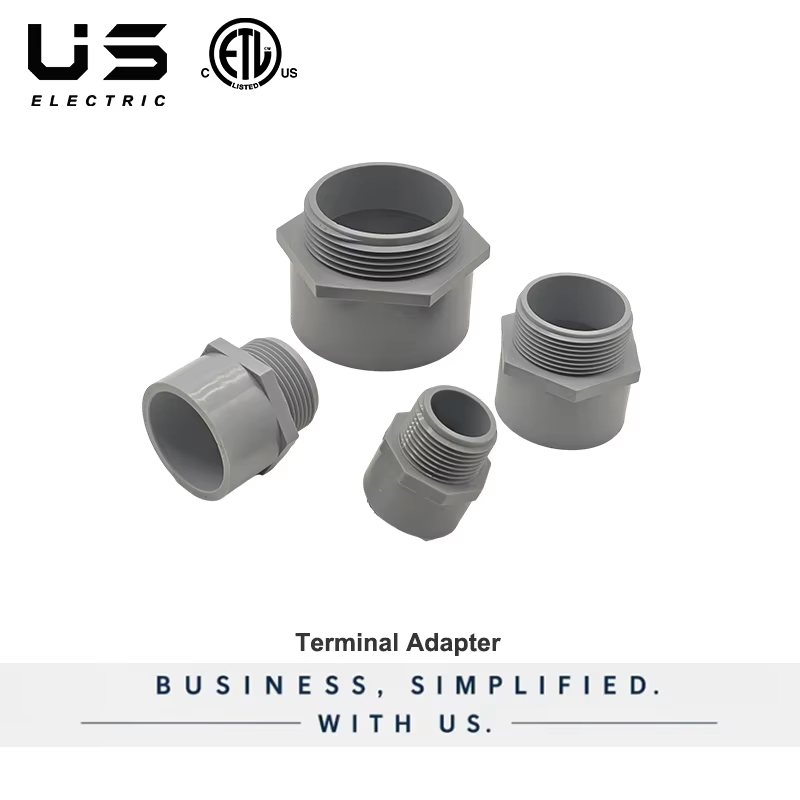
Choosing the right PVC electrical conduit pipe fittings is crucial for the integrity and safety of electrical installations. These fittings not only facilitate the proper routing of electrical wiring but also protect it from environmental factors. As a purchasing manager or engineer, understanding the specifications, installation requirements, and quality standards of these fittings is essential to ensure compliance and functionality. This article will provide valuable insights into what to consider when selecting these fittings, how to compare options for bulk orders, and installation guidance, helping you make informed decisions.
When selecting PVC electrical conduit pipe fittings, several factors must be taken into account to ensure they meet your project requirements. First, consider the application environment. PVC fittings are generally resistant to moisture, chemicals, and UV exposure, making them suitable for various indoor and outdoor applications. However, ensure the fittings are rated for the specific conditions of your installation, such as temperature fluctuations and potential exposure to harsh chemicals.
Next, evaluate the fitting's size and compatibility with existing conduit systems. Proper sizing is critical; fittings that are too loose can lead to electrical hazards, while overly tight fittings can cause damage during installation. Additionally, check for certifications like UL/cUL and ETL/cETL, which indicate compliance with safety and performance standards. This is particularly important in commercial and residential construction where safety is paramount. For example, using a 1 Gang Gangable Switch Box ensures that your electrical installations comply with these standards.
Lastly, consider the manufacturer’s reputation and experience in producing high-quality electrical components. Companies like Jiaxing ANT Electrical Co., Ltd., with 14 years of experience and a diverse product range, can offer reliable products that meet industry standards.
When comparing PVC electrical conduit pipe fittings for bulk orders, focus on several key criteria to ensure you’re making a cost-effective and practical choice. First, assess the unit price against the quality and specifications of the fittings. A lower price may not always equate to better value if the products do not meet your project’s performance requirements or durability standards.
Next, look into the minimum order quantity (MOQ) set by different suppliers. This can vary significantly among manufacturers, so understanding these requirements is essential for managing your budget and inventory effectively. Additionally, consider lead times for production and delivery, especially if your project timeline is tight.
It’s also beneficial to request samples for evaluation before placing a bulk order. Testing samples allows you to assess the material quality, fit, and overall performance under typical operating conditions. For instance, during a recent bulk order evaluation, we found that a supplier’s fittings appeared robust but failed to meet pressure requirements in actual testing. This emphasizes the importance of sample testing. If you need fittings that can withstand high pressure, consider options like the US Standard Galvanized Steel 1 Gang Gangable Switch Box.
Finally, analyze the supplier’s customization capabilities. If your project requires specific dimensions or features, ensure the manufacturer can accommodate these needs.
Understanding the key specifications of PVC electrical conduit pipe fittings is vital for ensuring they meet your project’s needs. Here are some critical specifications to consider:
Material Composition: PVC (Polyvinyl Chloride) is the primary material used for these fittings, known for its excellent insulation properties and resistance to corrosion. Ensure that the specific grade of PVC used is appropriate for your application.
Size and Dimensions: Fittings come in various sizes, typically measured in inches or millimeters. The nominal size should match the conduit it connects to for proper installation. Always verify the dimensional tolerances to ensure compatibility.
Temperature Rating: PVC fittings are rated for specific temperature ranges. Ensure that the fittings you choose can withstand the temperature conditions of your installation environment, especially for outdoor applications where temperature variations can be significant.
Pressure Ratings: Some applications may require fittings that can withstand particular pressure levels. Be sure to check the pressure ratings to avoid failures during operation.
Certification Standards: Look for fittings that are UL/cUL and ETL/cETL certified. These certifications assure that the products have undergone rigorous testing to confirm their safety and performance standards.
Understanding these specifications can help avoid common pitfalls, such as compatibility issues or premature failures in the installation.
Proper installation of PVC electrical conduit pipe fittings is crucial for ensuring a safe and effective electrical system. Here are some key steps and considerations:
Preparation: Before installation, ensure that all conduits and fittings are clean and free from debris. This helps achieve secure connections and prevents potential electrical hazards.
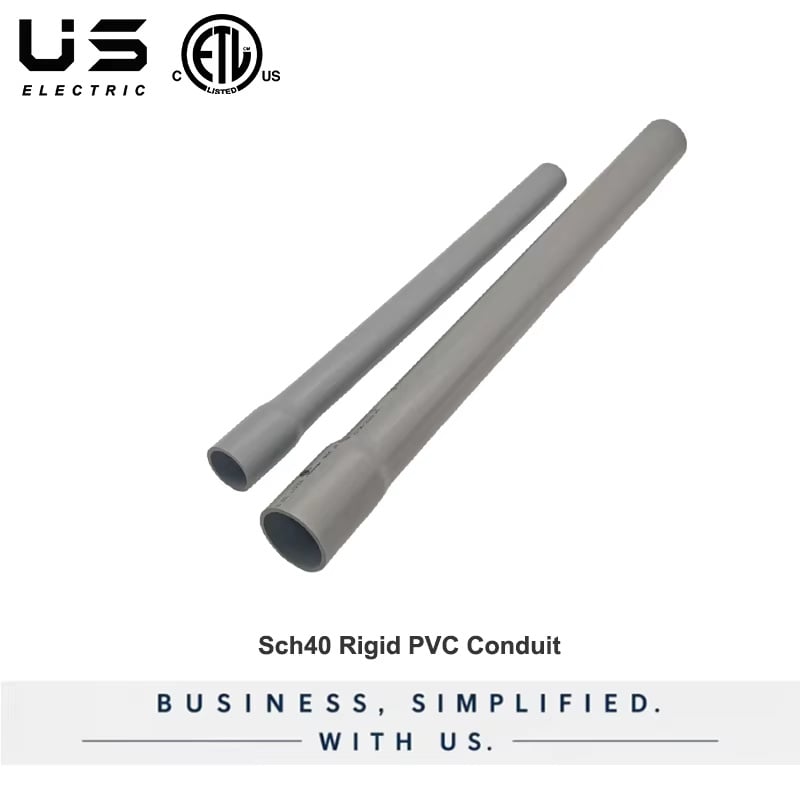
Cutting and Deburring: Use appropriate tools to cut the conduit to the desired lengths, ensuring clean cuts. Deburr the edges to remove any sharp edges that could damage the fittings or cause injury during installation.
Joining Methods: PVC fittings can be joined through solvent cement or mechanical means. If using solvent cement, apply it evenly on both the fitting and the conduit. Allow for adequate curing time as per the manufacturer's instructions before applying any load to the system.
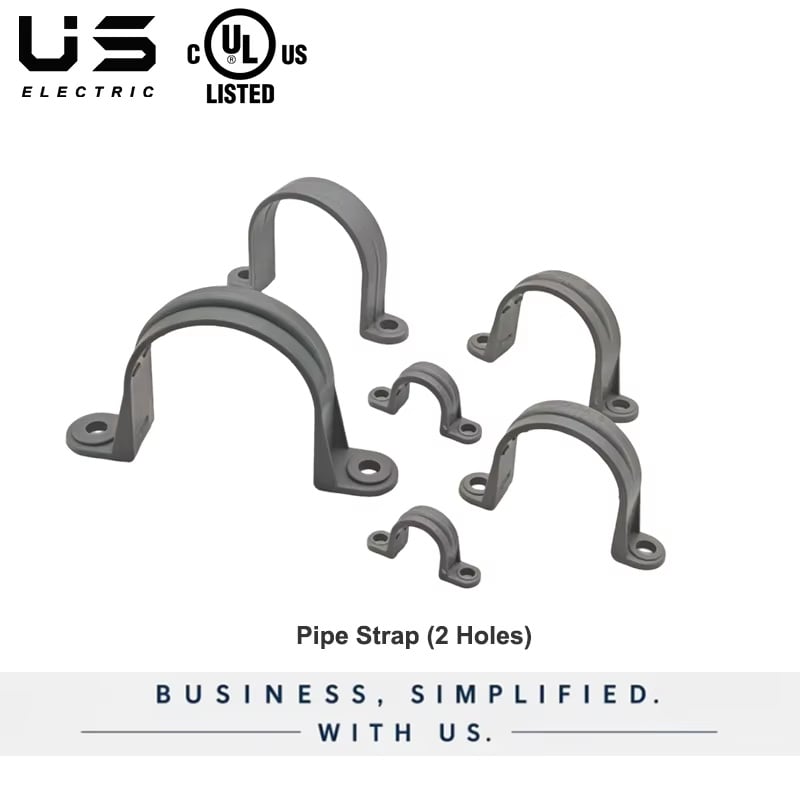
Support and Strapping: Ensure that conduits are adequately supported and secured to prevent sagging or movement over time. Follow local electrical codes regarding the spacing and type of support required.
Testing: After installation, conduct a thorough inspection and testing of the entire system to ensure that all connections are secure and functioning properly. This step is often overlooked but is critical for identifying potential issues before they become serious problems.
To enhance your experience with PVC electrical conduit pipe fittings, consider the following solutions and tips:
Consult with Experts: When in doubt, consult with the manufacturer or a knowledgeable supplier. They can provide insights into the best products for your specific applications and help clarify any technical specifications.
Documentation and Compliance: Keep thorough documentation of all specifications, certifications, and installation instructions. This will be invaluable for quality control and compliance with local regulations.
Regular Maintenance Checks: After installation, periodically inspect the fittings and conduits for signs of wear or damage. Early detection of issues can prevent costly repairs or safety hazards.
Customization Options: If standard fittings do not meet your needs, inquire about customization options. Manufacturers like Jiaxing ANT Electrical Co., Ltd. often offer OEM/ODM solutions to accommodate unique project specifications.
By following these guidelines and tips, you can ensure a successful installation and long-term performance of your PVC electrical conduit pipe fittings.