EN
Quick Links
Understanding PVC conduit is essential for any B2B buyer involved in electrical installations, whether for residential or commercial applications. As a critical component in electrical systems, PVC conduit serves to protect wiring and ensure safety in various environments. This article will address key specifications to consider when sourcing PVC conduit, wholesale purchasing options, common installation challenges and their solutions, cost factors to be aware of, and comparisons between different types of PVC conduit to help you make informed purchasing decisions.
When sourcing PVC conduit, several specifications can significantly impact performance and suitability for your application.
Material and Thickness: PVC conduit is manufactured from polyvinyl chloride, known for its durability and resistance to moisture, chemicals, and UV light. The wall thickness is crucial; thicker walls provide better impact resistance but may also increase costs. Ensure that the thickness aligns with your installation environment, especially in areas subject to physical stress.
Diameter: The internal diameter of the conduit affects how many wires can be routed through it. Selecting the appropriate diameter is essential for compliance with electrical codes and to ensure ease of installation. It is advisable to refer to the National Electrical Code (NEC) when determining the correct size.
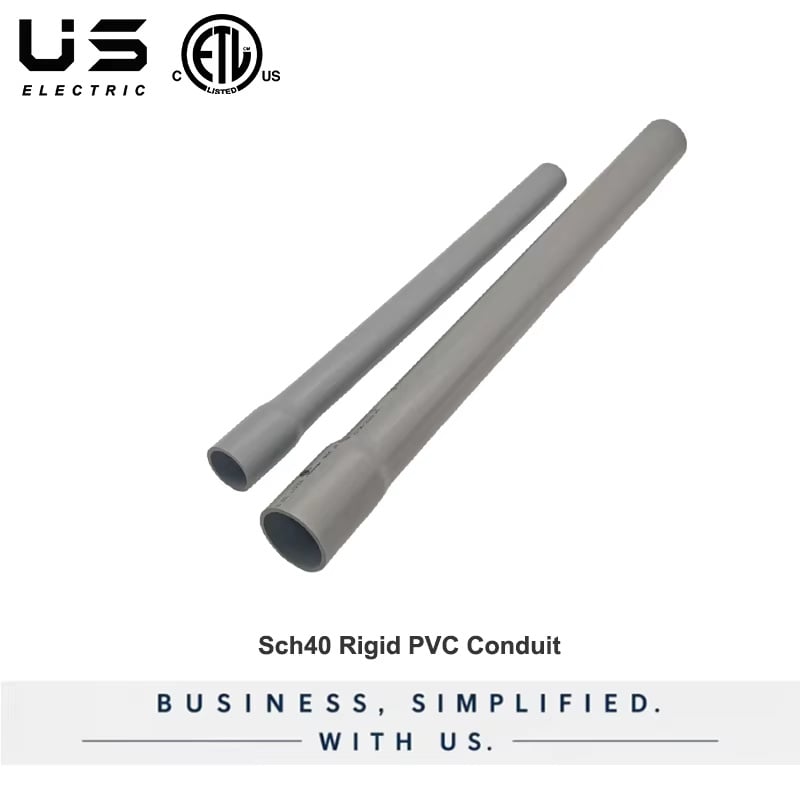
Type of Conduit: Different types of PVC conduits, such as Schedule 40 and Schedule 80, have varying pressure ratings and wall thicknesses. Schedule 80, for instance, is thicker and better suited for high-stress environments, while Schedule 40 is ideal for lighter applications. For instances requiring robust solutions, consider the US Standard Galvanized Steel 1 Gang Gangable Switch Box.
Certifications: Look for conduits that are certified by recognized standards like UL/cUL and ETL/cETL. These certifications ensure that the conduit meets safety and performance standards, which is critical in avoiding future liabilities.
Temperature Rating: PVC conduit has a maximum operating temperature, typically around 140°F (60°C). Ensure that your application does not exceed this temperature to maintain the integrity of the conduit.
For businesses looking to purchase PVC conduit in bulk, several wholesale options can help reduce costs.
Direct Manufacturer Orders: Working directly with manufacturers like Jiaxing ANT Electrical Co., Ltd. allows for favorable pricing on large orders. Manufacturers may offer discounts based on order volume, which can significantly lower your overall costs.
Distributors and Wholesalers: Partnering with established electrical supply distributors can provide access to a wide range of PVC conduit products. They often have relationships with manufacturers and can offer competitive pricing, especially for consistent bulk purchases.
OEM/ODM Solutions: If your business requires customized conduit for specific applications, consider OEM (Original Equipment Manufacturer) or ODM (Original Design Manufacturer) solutions. Manufacturers can tailor products to meet your exact specifications, ensuring compatibility with your systems while maintaining cost efficiency.
While PVC conduit is popular for its ease of installation, several common issues can arise during the process:
Bending and Fitting: Improper bending or fitting can lead to stress points that may compromise the conduit. To avoid this, use proper bending tools and ensure that the conduit is not over-bent, as this can lead to cracking. Pre-fabricated fittings can help maintain alignment and reduce installation time.
Joint Sealing: Ensuring that joints are properly sealed is critical to prevent moisture ingress, which can damage wiring. Using solvent cement specifically designed for PVC conduit will ensure a strong bond and an airtight seal. Always follow the manufacturer’s instructions for application.
Temperature Expansion: PVC conduit can expand and contract with temperature fluctuations, which may cause stress at the joints. To mitigate this, ensure that adequate expansion fittings are used in long runs of conduit to allow for movement without compromising integrity.
Compliance with Local Codes: Always check local electrical codes and regulations before installation, as failure to comply can lead to costly reworks. Consulting with an electrical engineer or a licensed electrician can provide clarity on local requirements.
Understanding the cost factors involved in purchasing PVC conduit is vital for budget management:
Material Costs: The price of raw materials can vary based on market conditions. PVC prices can fluctuate, so it's beneficial to monitor market trends or consult your supplier for pricing forecasts.
Order Volume: Larger orders typically reduce the per-unit cost. However, balance this against the storage capacity and inventory management capabilities of your business.
Shipping and Handling: Shipping costs can significantly affect your overall expenditure. When purchasing in bulk, consider local suppliers to minimize transportation fees and lead times.
Customization Costs: If you require custom sizes or features, be prepared for additional costs. Discuss your needs with the manufacturer upfront to get a clear picture of any extra charges that may apply.
When selecting PVC conduit, it’s essential to understand the differences between the various types available:
Schedule 40 vs. Schedule 80: As previously mentioned, Schedule 40 is suitable for most standard applications, while Schedule 80, with its thicker walls, is ideal for higher-impact environments. For example, if the conduit will be exposed to mechanical stresses, Schedule 80 is recommended.
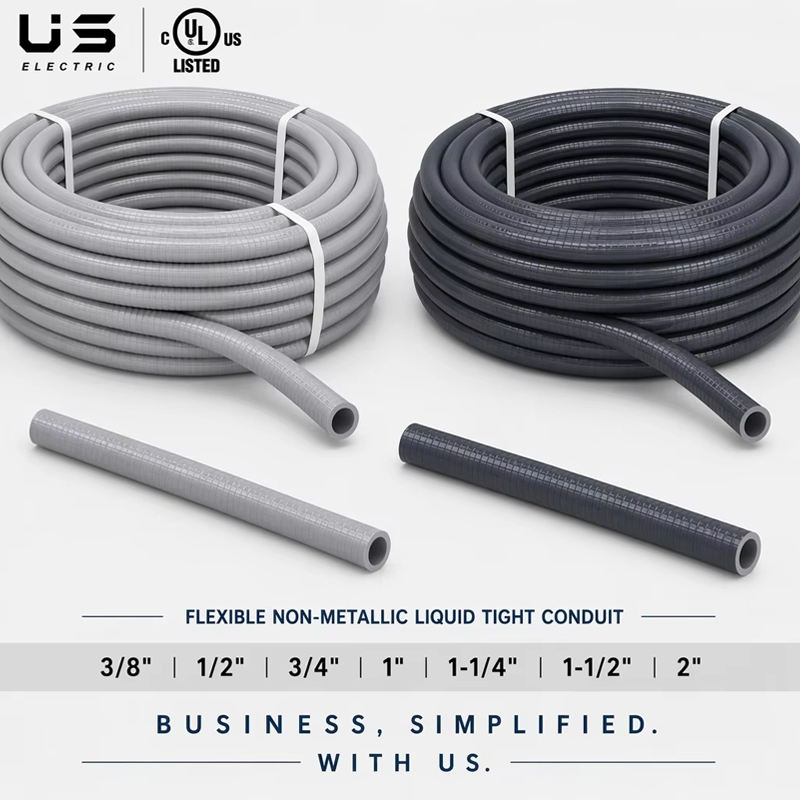
Rigid vs. Flexible PVC Conduit: Rigid PVC conduit is best for straight runs, while flexible PVC conduit can be ideal for installations requiring bends and curves. When choosing between them, consider the layout of your wiring and the need for adaptability.
Conduit with Pull Strings: Some PVC conduits come with built-in pull strings to facilitate wire installation. This can save time during the installation process and reduce labor costs, making it a worthwhile consideration for larger projects.
Specialized Conduits: Depending on your application, consider specialty conduits designed for specific environments, such as underground or exposure to chemicals. These can offer enhanced protection and longevity. For instance, the Waterproof Liquid Tight Flexible Conduit is an excellent choice for outdoor wiring needs.
By understanding these various types and their specific applications, you can make more informed decisions that align with your project requirements and budget constraints.
In summary, sourcing PVC conduit involves careful consideration of specifications, wholesale purchasing options, installation challenges, cost factors, and the unique types available in the market. By addressing these areas, B2B buyers can ensure they select the right products for their needs, leading to successful project outcomes.