EN
Quick Links
The use of PVC conduit for electrical wiring is essential for ensuring the safe and efficient routing of electrical systems in both commercial and residential applications. As a critical component in electrical installations, PVC conduit protects wiring from environmental factors, physical damage, and electromagnetic interference. B2B buyers, such as purchasing managers and engineers, often face concerns regarding material quality, compliance with safety standards, and supplier reliability. This article will delve into the key considerations when selecting PVC conduit, including product specifications, wholesale options, cost factors, and potential issues that may arise during installation and use.
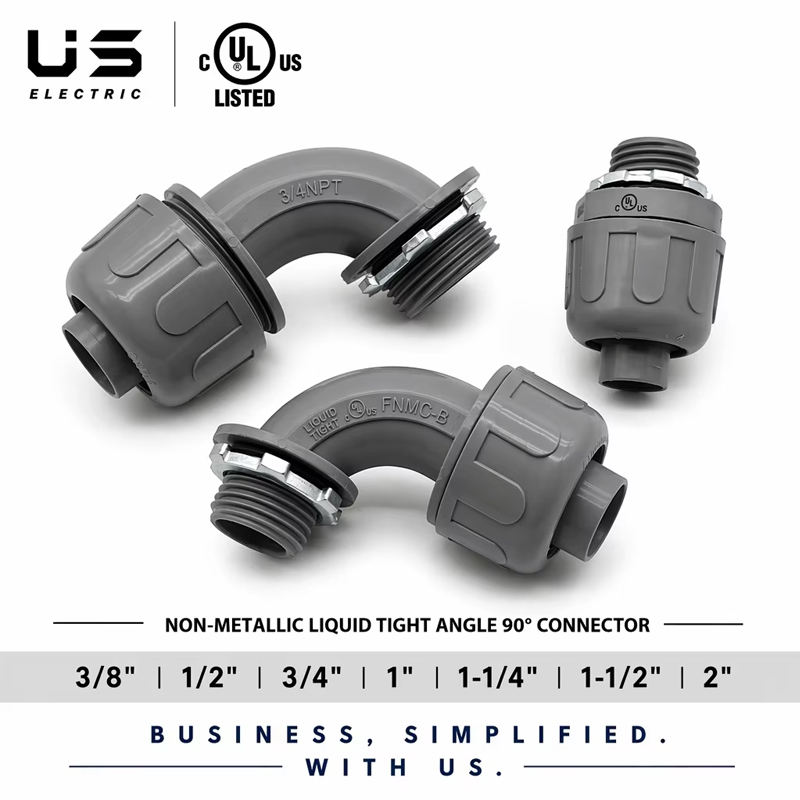
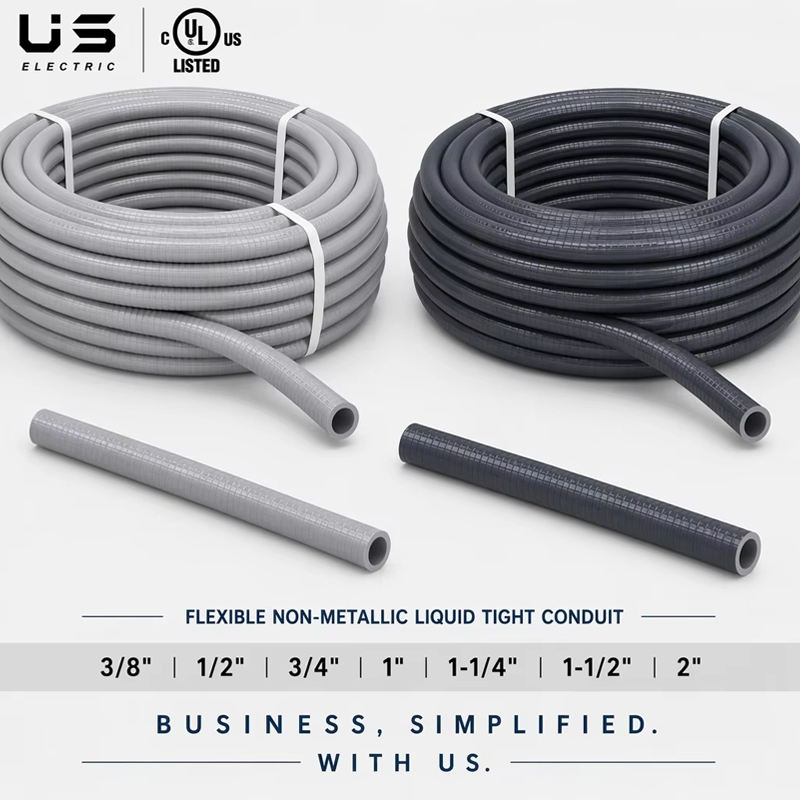
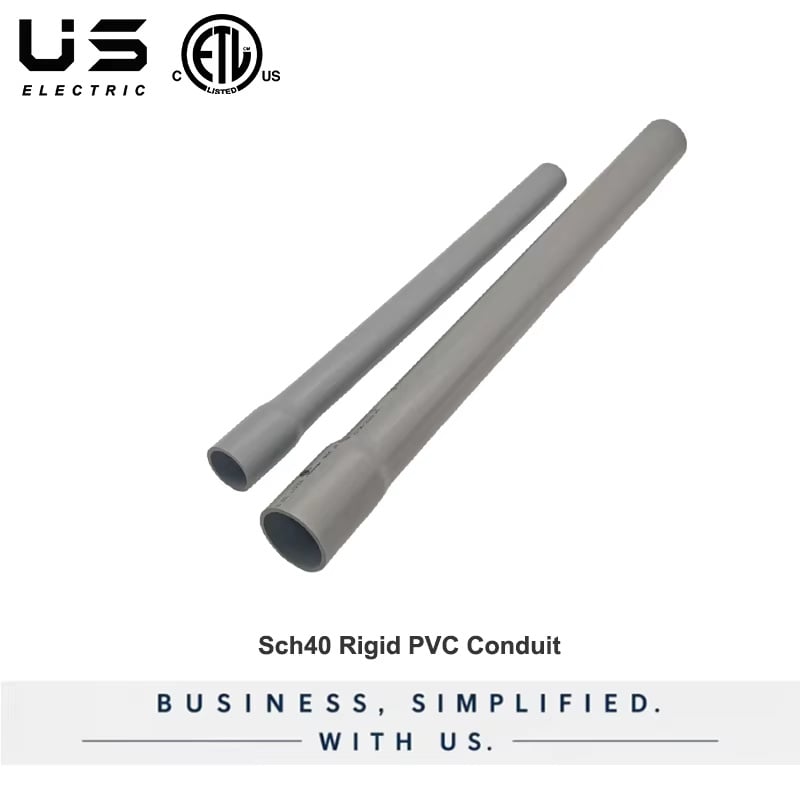
Selecting the appropriate PVC conduit for electrical wiring projects involves understanding various specifications and application requirements. PVC conduit is available in different sizes, thicknesses, and types, such as rigid and flexible options.
Material Specifications: The primary material, polyvinyl chloride (PVC), offers excellent resistance to moisture, chemicals, and UV exposure, making it suitable for both indoor and outdoor applications. The conduit must comply with relevant electrical codes and standards, such as UL and ETL certifications, ensuring safety and reliability.
Dimensions and Thickness: It's essential to choose the right diameter to accommodate the wiring while allowing for installation ease. Common sizes range from ½ inch to 4 inches in diameter. The thickness of the conduit wall also impacts its durability; thicker walls provide better protection against physical impacts.
Application Suitability: Assess the specific environment where the conduit will be installed. For example, outdoor applications may require UV-resistant conduits, while installations in wet locations should utilize conduits rated for moisture exposure. For reliable options, consider using US Standard 2 Gang Adjustable Mud Ring Electrical Metal for moisture-prone environments.
Understanding these aspects will help buyers make informed decisions when sourcing PVC conduit for their electrical projects.
For businesses looking to purchase PVC conduit in bulk, wholesale options can provide significant cost savings and streamline procurement processes. Many manufacturers, like Jiaxing ANT Electrical Co., Ltd., offer wholesale pricing structures that cater to large orders, allowing buyers to benefit from reduced unit costs.
Supplier Evaluation: When seeking wholesale suppliers, it’s crucial to evaluate their manufacturing capabilities, product range, and compliance with industry standards. Look for suppliers with established certifications, such as UL and ETL, to ensure product safety and quality. Additionally, consider their ability to provide documentation and support for any customization needs.
Volume Discounts: Most wholesale suppliers offer tiered pricing based on order volume, which can significantly impact overall project costs. Be prepared to discuss anticipated quantities and any potential for reorders, as this can influence pricing negotiations. For instance, suppliers of 1 Gang Adjustable Mud Rings often provide attractive discounts for bulk orders.
By collaborating with reliable wholesale suppliers, businesses can secure high-quality PVC conduit while optimizing their budget and supply chain efficiency.
Finding a reliable supplier for bulk purchases of PVC conduit is critical for businesses that prioritize quality and consistency in their electrical installations.
Supplier Credentials: Assess suppliers based on their experience, certifications, and customer reviews. A manufacturer with 14 years of experience, like Jiaxing ANT Electrical Co., Ltd., demonstrates a solid track record in producing electrical equipment and supplies. Their established reputation can assure buyers of their commitment to quality and timely delivery.
Customization Capabilities: Inquire about the supplier's ability to accommodate specific customization requests, such as unique sizes, colors, or branding. Customization can enhance project efficiency and branding opportunities.
Logistics and Lead Times: Discuss logistics and delivery timelines upfront. Reliable suppliers should provide clear information on lead times based on order size and complexity. Ensure that the supplier can meet your project deadlines without compromising quality.
Choosing a trustworthy supplier is paramount for maintaining the integrity of electrical installations and ensuring overall project success.
Several cost factors must be considered when sourcing PVC conduit to ensure budget adherence while meeting project specifications.
Material Quality: Higher-quality PVC conduits may come at a premium but can provide better durability and lifespan. Investing in quality materials can reduce long-term costs related to replacements and repairs.
Order Volume: The quantity of PVC conduit ordered plays a significant role in pricing. Bulk purchases usually offer lower per-unit costs, which can improve overall project budgeting. Additionally, suppliers may provide discounts on repeat orders, further reducing costs.
Shipping and Handling: Consider shipping costs in the overall budget. Suppliers located closer to the project site may help reduce shipping expenses, while larger orders could qualify for free or reduced shipping rates.
Installation Costs: Assess potential installation costs, as the ease of installation can vary based on conduit type and specifications. Investing in user-friendly products can lower labor costs and enhance project efficiency.
Understanding these cost factors will help buyers make strategic decisions when sourcing PVC conduit for their electrical wiring needs.
While PVC conduit is a reliable choice for electrical installations, buyers should be aware of common issues that can arise and their respective solutions.
Installation Challenges: Improper installation can lead to issues such as bending, kinking, or incorrect fittings. It’s essential to follow manufacturer guidelines and ensure that the conduit is cut accurately and fitted properly. Utilizing the right tools and techniques during installation can prevent these problems.
Environmental Factors: PVC conduit may become brittle in extreme temperatures or may warp under prolonged exposure to direct sunlight. Choosing UV-resistant PVC for outdoor applications and ensuring proper thermal management during installation can mitigate these risks.
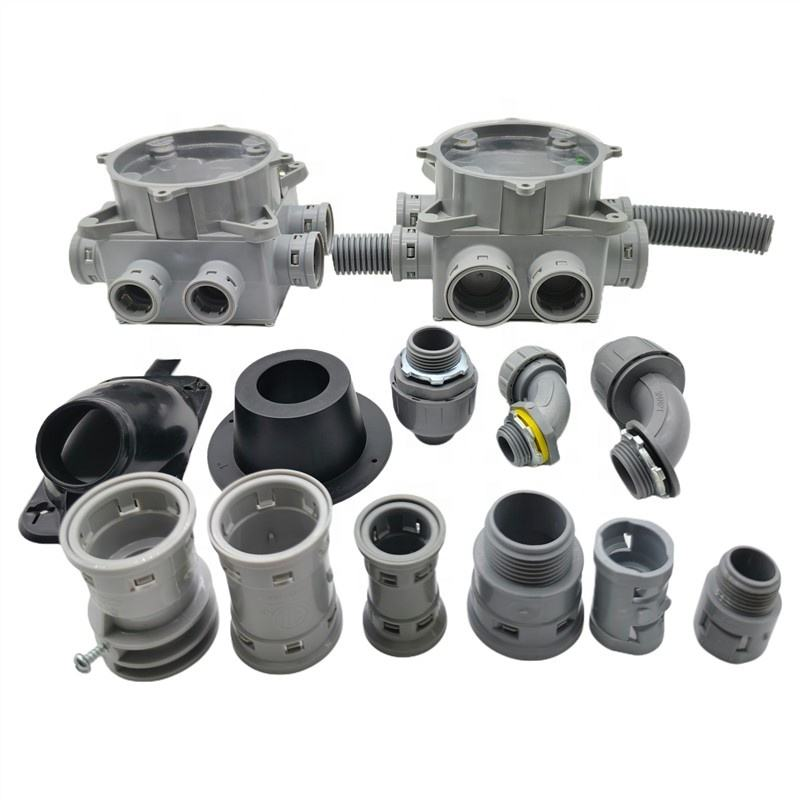
Compatibility Issues: When integrating PVC conduit with other materials, compatibility must be considered. For instance, using incompatible fittings or connectors can lead to leaks or electrical hazards. Always verify compatibility with other components before installation.
By understanding common issues and implementing effective solutions, buyers can ensure the optimal performance of PVC conduit in their electrical wiring projects.