 EN
Quick Links
Vinyl electrical tape is a versatile and essential product in both commercial and industrial applications, known for its strong insulating properties and durability. As a B2B buyer, you may have concerns about sourcing high-quality vinyl electrical tape, understanding specifications, and ensuring compatibility with your projects. This article aims to provide insights into these aspects, helping you make informed purchasing decisions.
When sourcing vinyl electrical tape, consider the balance between quality and price. Manufacturers like Jiaxing ANT Electrical Co., Ltd. offer a wide range of options, typically producing tapes that meet UL/cUL and ETL/cETL standards. This certification is crucial as it ensures that the product has been tested for safety and performance.
Pricing can vary based on factors such as material quality, roll size, and order volume. Bulk orders generally lower the per-unit cost, making it more economical for businesses needing large quantities. Additionally, working directly with manufacturers can offer advantages like customization options and flexible lead times. It's advisable to request samples to evaluate quality before placing a substantial order, ensuring you receive a product that meets your specific requirements.
When selecting Anita vinyl electrical tape, several specifications should be considered to ensure optimal performance:
Thickness: The thickness of the tape typically ranges from 7 to 10 mils. A thicker tape provides better insulation and durability, making it suitable for heavy-duty applications. Conversely, thinner tapes may be sufficient for lighter tasks but could compromise performance.
Adhesive Type: The adhesive used in vinyl electrical tape should be pressure-sensitive and capable of forming a strong bond with various surfaces, including plastics and metals. This ensures longevity and effectiveness in insulation.
Temperature Rating: Different applications may require tapes rated for specific temperature ranges. Ensure that the tape you select can withstand the environmental conditions it will face, whether that be heat, moisture, or extreme cold.
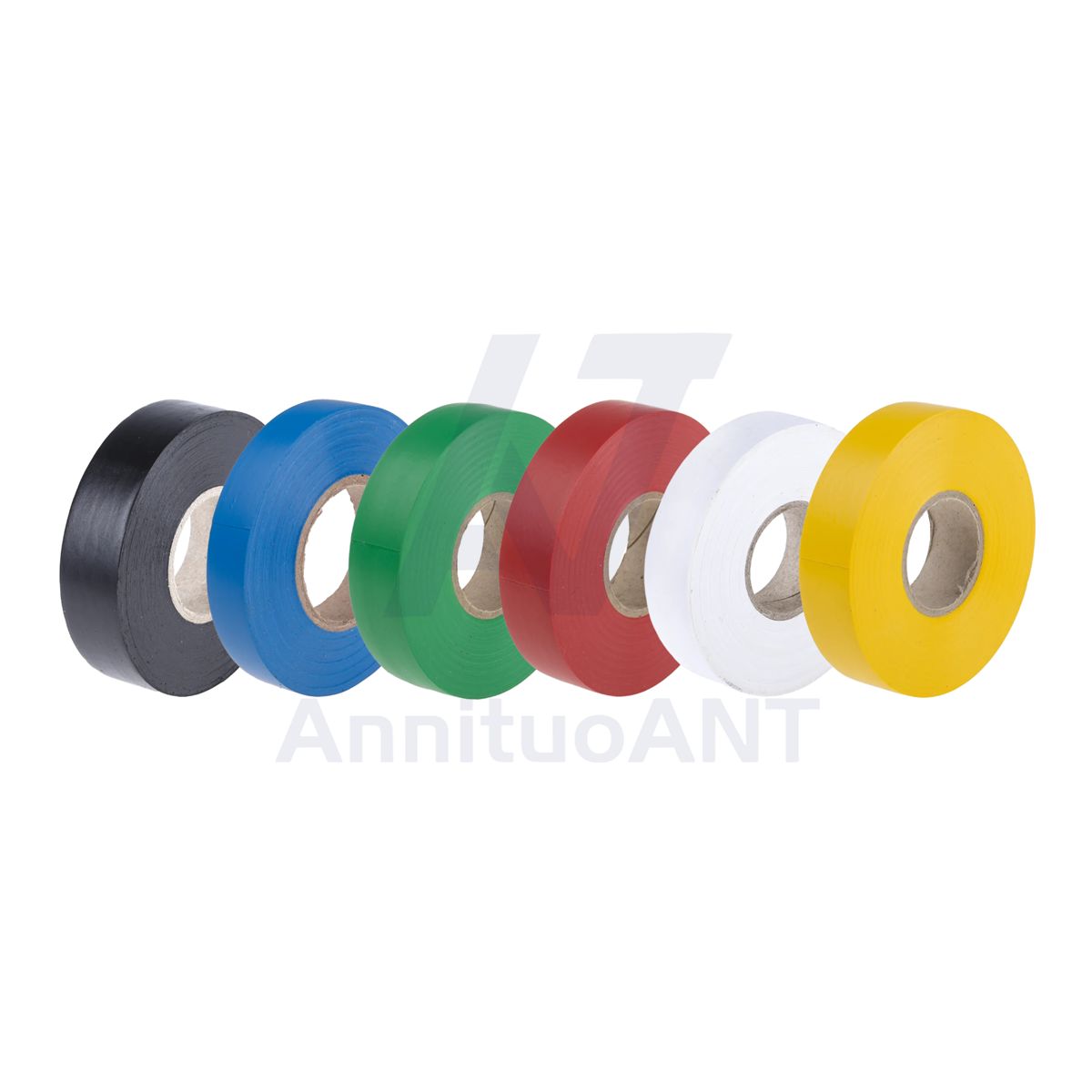
Color Coding: Many industries use color-coded tape for different applications, enhancing safety and organization. Make sure the available colors align with your project's requirements.
Electrical Properties: Look for tapes with high dielectric strength, typically around 600 volts or higher. This specification is crucial for ensuring effective electrical insulation.
Understanding these specifications will help you choose the right vinyl electrical tape for your application, ensuring safety and functionality.
Despite its ease of use, several common installation issues can arise when using vinyl electrical tape, leading to suboptimal performance:
Poor Adhesion: If the surface is not clean or dry before application, the tape may not adhere properly. Always clean the area to be taped and allow it to dry completely.
Insufficient Overlapping: For effective insulation, the tape should overlap by at least half its width during application. Insufficient overlap can lead to exposed areas, compromising the electrical insulation.
Temperature Impact: Applying tape in extreme temperatures—either too hot or too cold—can affect adhesion. Ideally, vinyl electrical tape should be applied at temperatures above 50°F (10°C) for optimal performance.
Incorrect Stretching: Overstretching the tape while applying can lead to a decrease in insulation quality. It is important to apply the tape with moderate tension to maintain its integrity.
Addressing these common issues during installation can enhance the liquid tight conduit performance and longevity, ultimately leading to better outcomes in your projects.
When evaluating the cost of Anita vinyl electrical tape, several factors come into play:
Material Quality: Higher-quality materials typically command a higher price but offer better performance, longevity, and safety. Investing in quality can reduce the need for frequent replacements.
Order Volume: Bulk purchasing often results in reduced prices per unit. Consider your usage frequency and order accordingly to maximize savings.
Customization Options: If you require specific colors, sizes, or branding on the pvc reducer fittings, customization may increase costs. However, customized solutions can enhance brand identity and operational efficiency.
Shipping and Handling: Factor in shipping costs, especially for international orders. Working with a manufacturer that has experience in exporting can help streamline logistics and potentially reduce costs.
Supplier Reliability: Established suppliers with a proven track record may charge more due to their reputation for quality and service. This can be a worthwhile investment, especially for critical applications.
By considering these cost factors, you can make a more informed decision that aligns with your budget while ensuring quality and performance.
Finding a reliable source for purchasing Anita vinyl electrical tape in bulk is crucial for maintaining operational efficiency. Here are some options:
Direct from Manufacturers: Companies like Jiaxing ANT Electrical Co., Ltd. offer direct sales of vinyl electrical tape, allowing for better pricing, customization options, and knowledge about product specifications. This can enhance your purchasing experience.
Wholesale Distributors: Many electrical supply distributors offer bulk purchasing options. They may have a range of brands and types of waterproof flex conduit, providing an opportunity to compare products and prices.
Online B2B Marketplaces: Platforms like Alibaba or Global Sources allow you to connect with various manufacturers and suppliers worldwide. Ensure to check reviews and certifications to verify the credibility of the seller.
Local Electrical Supply Stores: Depending on your location, local suppliers may offer bulk purchasing options, especially for contractors working on large projects. Building a relationship with local suppliers can also provide insights into product performance and recommendations.
When purchasing in bulk, always verify the supplier's reputation and quality assurance processes to ensure you receive a product that meets your expectations.