 EN
Quick Links
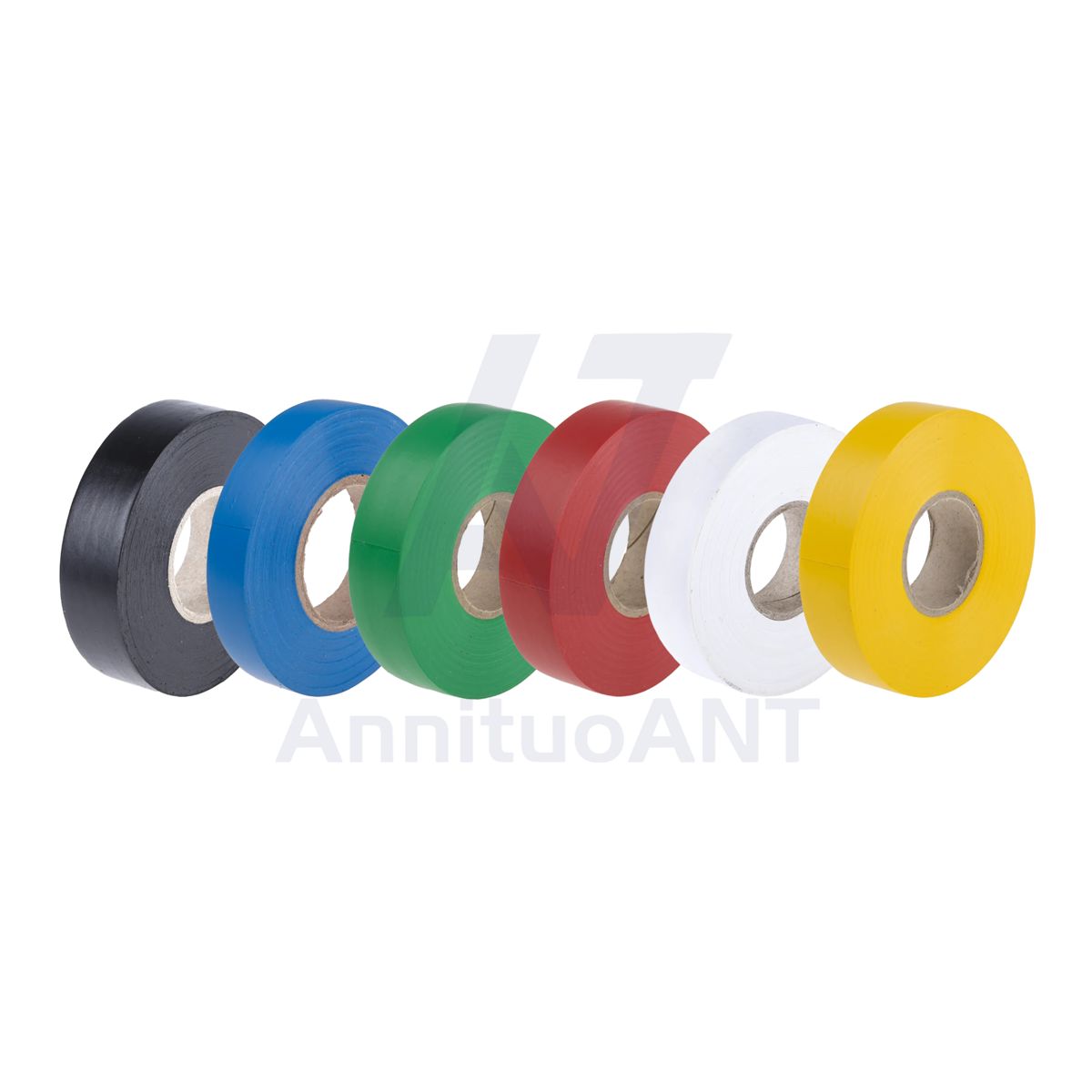
Waterproof electrical tape is an essential component in many electrical applications, designed to insulate and protect wiring from moisture and environmental factors. As a B2B buyer, understanding the specifications, sourcing, and potential issues related to waterproof electrical tape is crucial for ensuring optimal performance in your projects. This article aims to provide valuable insights into selecting the right vinyl electrical tape, addressing common buyer concerns, and navigating the complexities of sourcing and quality assurance in the manufacturing process.
When selecting Anita waterproof electrical tape, buyers should focus on several key factors to ensure they choose the right product for their needs. First and foremost, consider the tape's material. Common materials include PVC, rubber, and vinyl, each offering varying degrees of flexibility, adhesion, and insulation properties. For example, PVC tape is often favored for its durability and resistance to moisture, while rubber tape may provide better conformability for irregular surfaces.
Next, assess the tape's temperature and voltage ratings. These specifications are critical, especially in high-voltage applications or environments that experience extreme temperatures. A waterproof junction box that cannot withstand the required temperature range may degrade quickly, leading to potential failures in insulation.
Additionally, consider the tape's thickness and width, as these dimensions affect not only the ease of application but also the effectiveness of insulation. Thicker tapes often provide better durability and protection but may be less flexible. Finally, review any certifications the tape may have, such as UL/cUL or ETL/cETL, which can indicate compliance with industry standards and enhance trust in the product’s performance.
Sourcing quality waterproof electrical tape involves several considerations that can impact both performance and cost. Buyers should begin by evaluating potential suppliers based on their manufacturing capabilities and experience in producing electrical components. Companies like Jiaxing ANT Electrical Co., Ltd., with over 14 years of experience and a diverse product line, can provide insights into the manufacturing process and help buyers understand the quality controls in place.
When assessing suppliers, inquire about their production techniques and equipment. Advanced manufacturing processes can lead to higher consistency and quality in the final product. Furthermore, understanding the supply chain and lead times is essential. Establishing clear communication with suppliers about expected delivery times and potential delays can help manage project timelines effectively.
Buyers should also consider the minimum order quantities (MOQ) when sourcing waterproof electrical tape. Some suppliers may have strict MOQs that could affect purchasing decisions, especially for smaller projects. It is wise to negotiate terms that align with project requirements while securing favorable pricing.
To make informed purchasing decisions, buyers should have a solid grasp of the specifications and standards governing Anita waterproof electrical tape. Key specifications include dielectric strength, which measures a tape's ability to withstand electrical insulation without breaking down. Higher dielectric strength indicates better insulation performance.
Another important specification is the tape's adhesion level. This affects how well the tape sticks to surfaces, which is crucial for long-term performance, especially in outdoor or high-moisture environments. Evaluating the tape's resistance to chemicals and UV exposure is also vital, as these factors can significantly impact durability.
Compliance with industry standards, such as UL/cUL or ETL/cETL certifications, ensures that the waterproof outdoor electrical box has been rigorously tested for safety and performance. Buyers should request documentation from suppliers to verify these certifications, as they can provide peace of mind regarding the product's reliability.
Despite the benefits of waterproof electrical tape, buyers may encounter common issues that can affect performance. One prevalent problem is adhesion failure, often caused by improper surface preparation or application conditions. To mitigate this, ensure that surfaces are clean, dry, and free of contaminants before applying the tape.
Another issue is the tape's susceptibility to degradation due to UV exposure or extreme temperatures. Selecting a tape specifically rated for these conditions is essential. For example, some tapes are designed with UV-resistant materials that can withstand prolonged exposure to sunlight without losing their adhesive properties.
If problems arise during installation, such as difficulty in unwinding or tearing the tape, it may indicate that the tape's thickness or material is not well-suited for the application. In such cases, consulting with the supplier for alternative options or requesting samples for testing can help identify a more suitable product.
When purchasing Anita waterproof electrical tape in bulk, several cost factors should be taken into account to ensure budget adherence and optimal value. First, consider the unit price, which can vary based on factors such as material, thickness, and brand reputation. While lower-priced options may seem appealing, it is crucial to balance cost with quality to avoid performance issues down the line.
Additionally, shipping costs can significantly impact the overall expense. Bulk orders often come with higher shipping fees, so working with suppliers who offer competitive shipping rates or local delivery options can help mitigate these costs. It's also advisable to clarify payment terms and conditions, as some suppliers may offer discounts for early payments or larger orders.
Buyers should also evaluate the potential for waste during installation. A tape that is easy to apply and requires less material to achieve the desired effect can ultimately lead to lower costs. Therefore, investing in higher-quality outdoor junction box waterproof may yield better long-term savings, making it a more cost-effective choice despite a higher upfront price.
By understanding these factors and conducting thorough research, B2B buyers can make well-informed decisions when sourcing waterproof electrical tape, ensuring their projects meet quality standards while optimizing costs.