EN
Quick Links
Liquid tight conduits are essential components in electrical installations, providing protection against moisture and contaminants that could potentially damage wiring and electrical systems. For B2B buyers—such as purchasing managers, engineers, and product managers—understanding the nuances of sourcing and utilizing liquidtight conduit is crucial. This article will guide you through key considerations, specifications, cost factors, installation tips, and common challenges associated with liquid tight conduits, helping you make informed purchasing decisions.
When sourcing liquid tight conduits, it's vital to partner with manufacturers that prioritize quality and compliance. Established manufacturers like Jiaxing ANT Electrical Co., Ltd., with 14 years of experience in producing electrical equipment, can provide a reliable supply of liquid tight conduits that meet industry standards. Look for suppliers that offer products certified by recognized bodies such as UL/cUL and ETL/cETL, ensuring that the conduits are compliant with safety and performance standards.
Additionally, consider suppliers that provide a one-stop shopping service, enabling you to source various electrical components from a single location. This can streamline procurement processes, reduce lead times, and simplify logistics. Assess the manufacturer's production capacity and capability to meet your volume requirements, as well as their ability to offer OEM/ODM solutions tailored to your specific needs.
Several key specifications define the performance and suitability of liquid tight conduits for different applications:
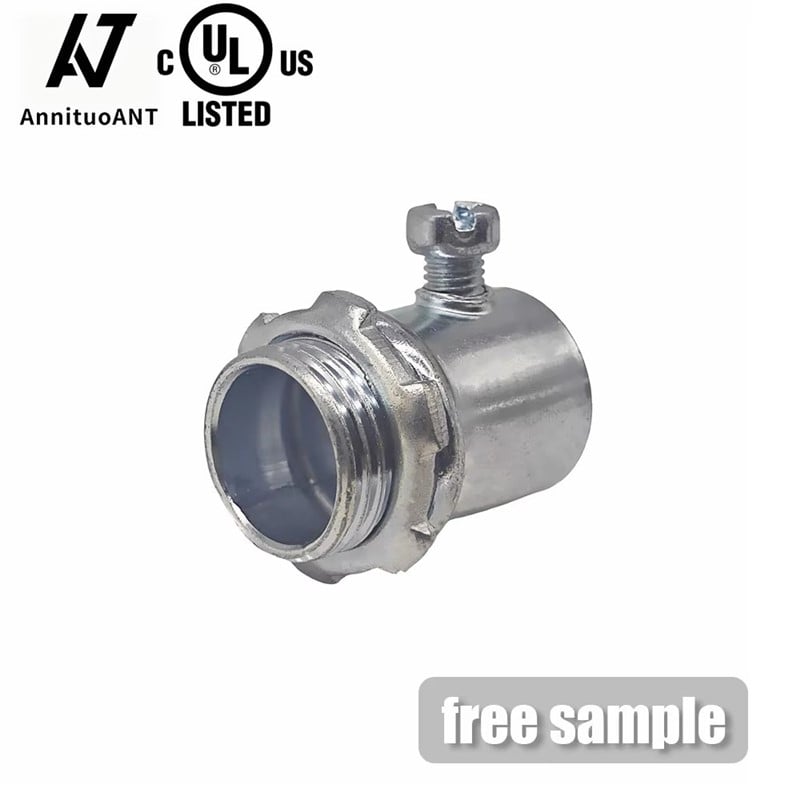
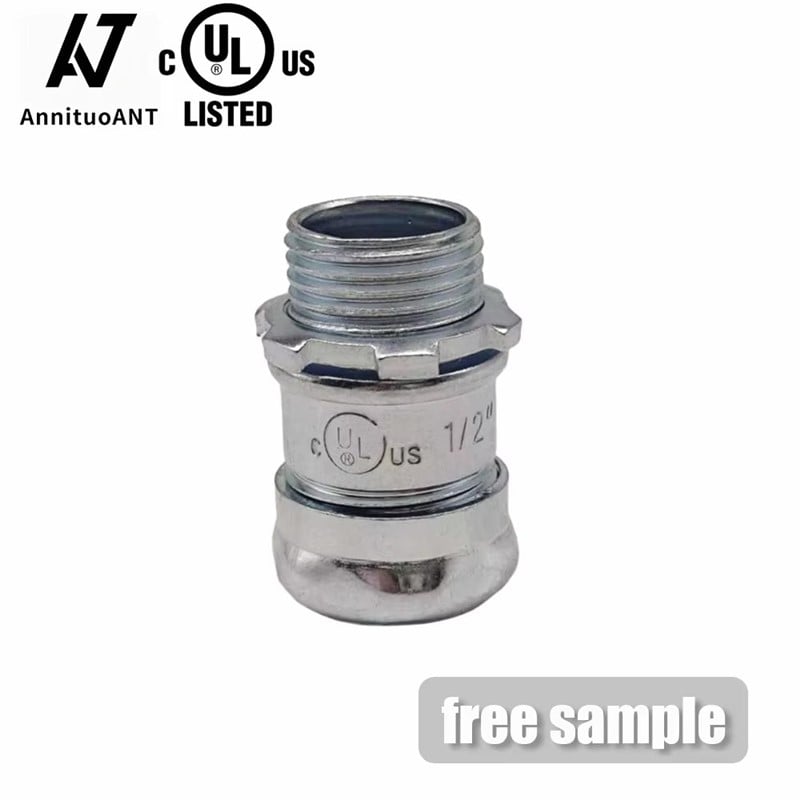
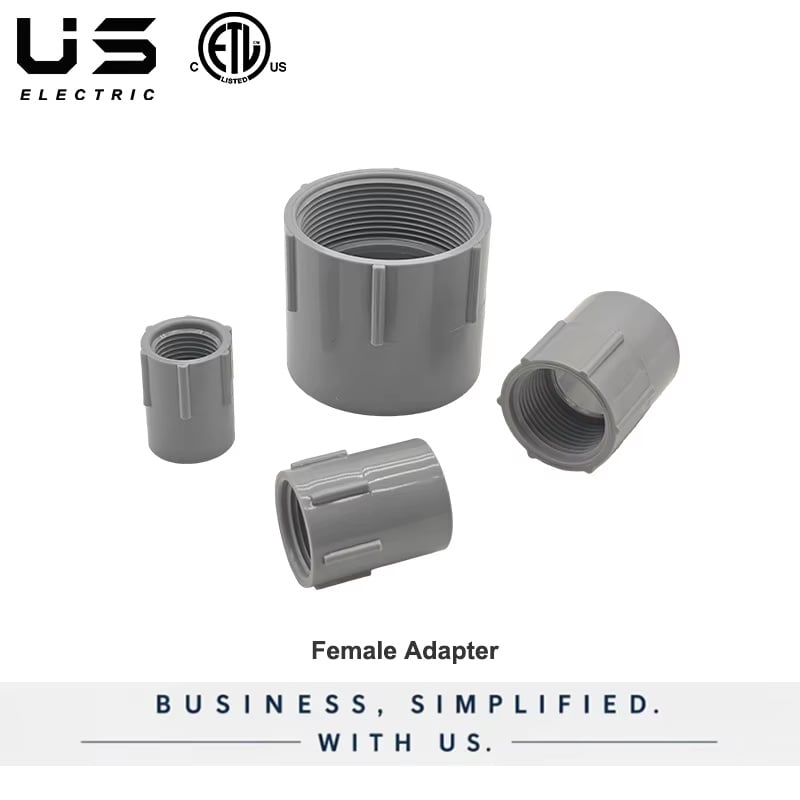
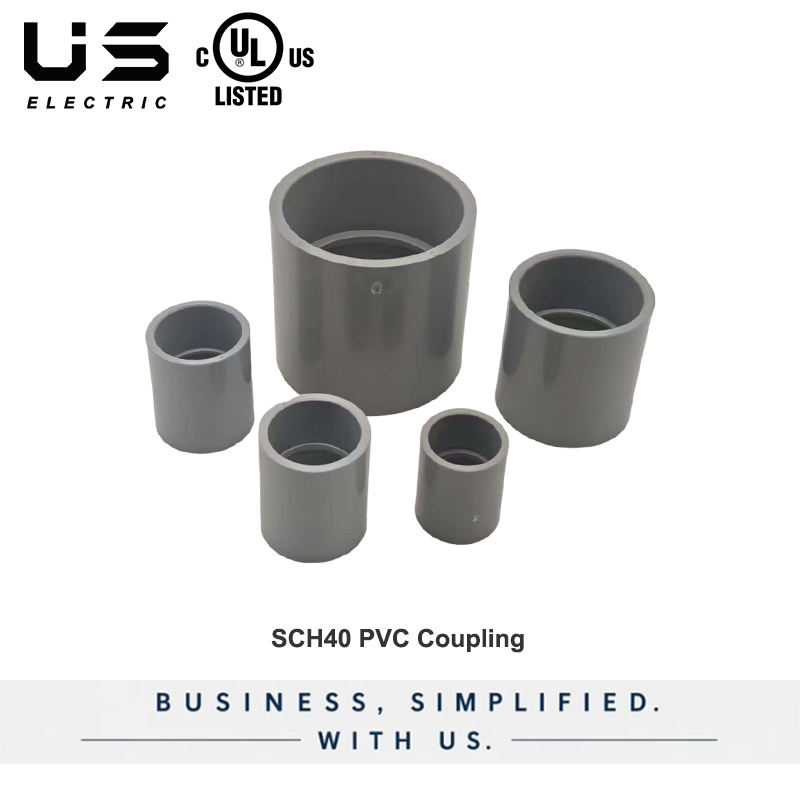
Material: Liquid tight conduits are typically made from materials such as PVC, steel, or aluminum. Each material has distinct properties. For instance, PVC is lightweight and resistant to corrosion, while metallic conduits provide enhanced durability and strength.
Size and Diameter: The internal diameter of the conduit must accommodate the wiring it will house. Oversizing can lead to unnecessary slack, while undersizing can cause stress on the wiring.
Sealing Mechanism: The effectiveness of the conduit in preventing water ingress relies significantly on its sealing mechanism. Look for conduits with integrated gaskets or seals that ensure a liquid-tight fit.
Flexibility and Bend Radius: Depending on installation requirements, the flexibility of the conduit can be a critical factor. Ensure that the conduit can bend without compromising its structural integrity.
Temperature Rating: Different applications may expose conduits to varying temperature ranges. Confirm that the conduit is rated for the temperatures it will encounter in its environment.
Understanding these specifications will help you select the right liquid tight conduit for your specific application, ensuring optimal performance and longevity.
Several factors influence the pricing of Anita liquid tight conduits, and being aware of these can help you budget effectively:
Material Type: The choice of material directly affects cost. For example, sealtight conduit are generally more affordable than metallic alternatives. However, the long-term durability of steel or aluminum may justify the higher initial investment in certain applications.
Quantity: Bulk purchasing often results in lower unit prices. Assessing your project's requirements and ordering accordingly can lead to significant savings.
Customization: If your project requires specific dimensions or features, custom manufacturing can increase costs. Ensure that you weigh the benefits of customization against budget constraints.
Certification and Compliance: Products certified by recognized standards may have higher prices due to the quality assurance processes involved. However, opting for certified products can reduce risks associated with compliance and safety.
Shipping and Handling: Consider logistics costs, especially if sourcing from overseas manufacturers. Shipping fees can add a notable amount to the overall cost.
Engaging with suppliers early in the procurement process can help clarify these factors and allow for more accurate budgeting.
Installing Anita liquid tight conduit requires attention to detail to ensure optimal performance. Here are some key installation tips:
Plan the Layout: Before installation, plan the conduit layout carefully. Consider the location of electrical boxes, junctions, and other components to minimize unnecessary bends and lengths. This will enhance the conduit’s efficiency and reduce costs.
Use Proper Tools: Ensure you have the right tools for cutting and securing the conduit. For metallic conduits, use appropriate cutting tools to avoid damaging the conduit’s integrity.
Sealing Connections: During installation, pay close attention to the sealing of connections. Use appropriate fittings and gaskets to maintain the liquid-tight integrity of the system. Inspect seals regularly during installation to ensure no gaps remain.
Follow Manufacturer Guidelines: Adhere to the manufacturer's installation instructions for specific products. These guidelines are based on the product's design and testing and can significantly affect performance.
Conduct a Post-Installation Inspection: Once installed, conduct a thorough inspection to verify that all connections are secure, seals are intact, and the conduit is properly supported along its length.
By following these installation tips, you can enhance the reliability and longevity of your liquid tight conduit systems in commercial applications.
While Anita liquid tight conduits are designed to provide protection against moisture and contaminants, several issues can arise during their use. Here are some common problems and their solutions:
Inadequate Sealing: If conduits are not properly sealed, moisture can infiltrate the system, leading to electrical failures. To address this, ensure that all connections are made with appropriate fittings and that gaskets are in good condition. Regular inspections can help catch potential issues early.
Corrosion in Metallic Conduits: Metallic conduits are susceptible to corrosion, especially in humid or wet environments. To prevent this, consider using galvanized or PVC-coated conduits, which offer enhanced resistance to corrosion.
Cracking or Breaking: In environments with extreme temperatures or physical stress, conduits may crack or break. To mitigate this risk, choose conduits rated for the specific temperature and environmental conditions they will encounter, and ensure proper support is provided during installation.
Difficulty in Wiring: If the conduit is too small or improperly shaped, it can cause difficulties when pulling wires through. Ensure that the conduit is sized correctly and has smooth, rounded edges to facilitate easy wiring.
Improper Support and Installation: Insufficient support can lead to sagging and stress on the liquid tight conduit connector, compromising its integrity. Follow manufacturer recommendations for support spacing and installation techniques to ensure a secure fit.
Addressing these common problems proactively will help maintain the integrity and performance of your liquid tight conduit installations.