 EN
Quick Links
Electrical tape, commonly used in various electrical applications, is a vital component for both professionals and DIY enthusiasts. It serves to insulate wires, repair damaged electrical connections, and provide protection against moisture and abrasion. As a B2B buyer, understanding the different types and specifications of electrical tape is crucial for ensuring safety and efficiency in your projects. This article will help you navigate the selection process, address common installation challenges, and explore the benefits of high-quality Anita vinyl electrical tape tailored for commercial and industrial needs.
Selecting the right electrical tape involves understanding its specifications, materials, and intended applications. Key factors include:
Material: Electrical tapes are typically made from PVC, rubber, or vinyl. Anita PVC tape is commonly used for its excellent insulation properties and flexibility, making it suitable for indoor applications. Rubber tape, on the other hand, is ideal for outdoor use due to its weather resistance.
Thickness: The thickness of the tape affects its insulation capabilities. A thicker tape may provide better protection against electrical shock, while thinner tapes are often more flexible and easier to apply.
Temperature Rating: Different tapes have varying temperature ratings. Ensure the tape you choose can withstand the environmental conditions of your application—whether high heat in industrial settings or exposure to cold temperatures in outdoor applications.
Adhesive Type: The adhesive quality significantly influences the tape's performance. High-quality adhesives ensure a strong bond, even in demanding conditions. Look for tapes with rubber-based adhesives for superior adhesion and durability.
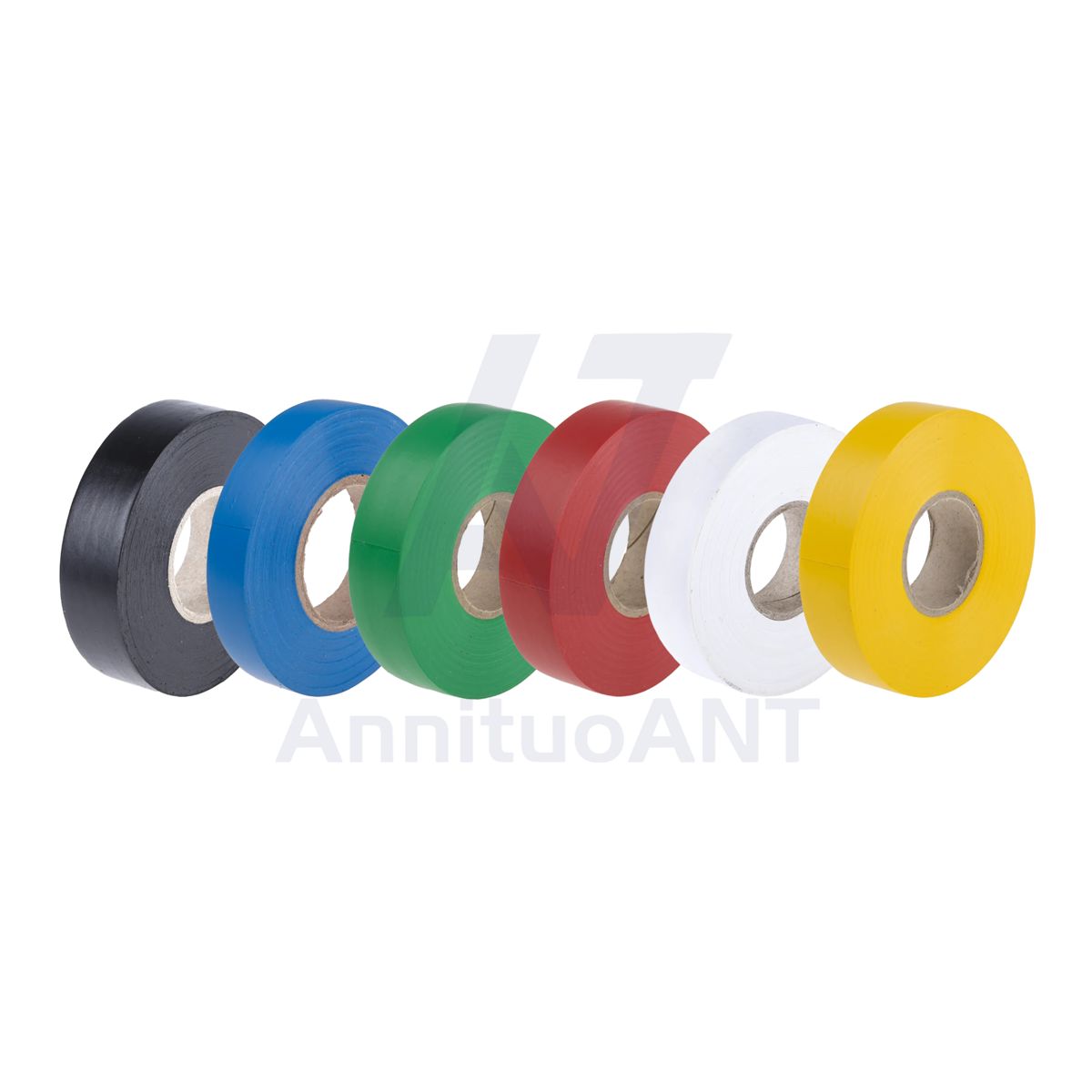
Color Coding: Consider using color-coded electrical tape for easier identification of circuits and systems. This practice enhances safety and efficiency during installation and maintenance.
Being mindful of these specifications will help you select the right electrical tape that meets the demands of your projects.
When purchasing electrical tape, B2B buyers should be aware of several key considerations:
Certifications: Ensure the tape complies with relevant safety standards such as UL/cUL and ETL/cETL. These certifications indicate that the tape has been tested for safety and performance, which is vital for maintaining compliance in commercial and industrial applications.
Minimum Order Quantity (MOQ): Understand the supplier’s MOQ, as this can impact your purchasing decisions. Some suppliers, like Jiaxing ANT Electrical Co., Ltd., may offer flexibility based on your specific needs.
Customization: If your project requires specific dimensions or colors, inquire about customization options. Manufacturers with OEM/ODM capabilities can often tailor products to fit your specifications.
Lead Time: Assess the lead time for orders, especially if you have tight project deadlines. Knowing the production and shipping timelines can help you plan accordingly.
Sample Approval: Before mass production, always request samples to ensure that the product meets your quality and performance standards. Testing samples under actual operating conditions can prevent costly mistakes later.
Understanding these factors will empower you to make informed decisions when selecting waterproof electrical tape for your projects.
While electrical tape is a versatile tool, improper installation can lead to issues. Here are common problems and how to address them:
Poor Adhesion: If the tape does not stick well, it may be due to surface contamination or improper application. Ensure the surface is clean and dry before application. For better adhesion, apply the tape with a slight tension to avoid slack.
Insufficient Coverage: Failing to cover the entire area can expose wires to moisture and other elements. Ensure you wrap the tape with overlapping layers, typically 50% overlap, to provide adequate insulation.
Temperature Effects: Electrical tape may become less effective in extreme temperatures. If working in environments with significant temperature fluctuations, choose a tape rated for those conditions to prevent failure.
Fraying Edges: If the tape edges begin to fray, it may not provide the necessary protection. Check for compatibility with the materials being insulated and ensure it is applied correctly.
By addressing these common installation issues, you can enhance the reliability and longevity of your electrical tape applications.
Investing in high-quality electrical tape offers several advantages:
Enhanced Safety: High-quality tape, particularly those certified by UL/cUL and ETL/cETL, provides superior insulation and reduces the risk of electrical shocks or short circuits. This is especially crucial in construction environments where safety is a top priority.
Durability: Premium electrical tapes resist wear and tear from environmental factors such as moisture, UV exposure, and temperature changes. This durability extends the life of the tape and reduces the need for frequent replacements.
Ease of Use: Quality tapes are easier to apply, offering better adhesion and flexibility. This can expedite installation processes, saving time and labor costs.
Versatility: High-quality electrical tape can be used in various applications, from wire splicing to bundling cables. This versatility makes it a valuable tool for electricians and contractors.
Ultimately, using high-quality Anita electrical tape contributes to safer, more efficient, and cost-effective construction practices.
Electrical tape finds numerous applications in industrial environments, including:
Insulating Wires and Cables: Commonly used to insulate electrical wires and prevent short circuits, electrical tape is essential in maintaining safety and efficiency in industrial wiring systems.
Color-Coding: In complex industrial settings, color-coded electrical tape helps identify different circuits and systems quickly. This practice enhances safety during maintenance and troubleshooting.
Bundling Cables: Electrical tape is effective for bundling multiple wires or cables together, reducing clutter and the risk of damage from tangling.
Sealing Connections: In environments where moisture exposure is a concern, electrical tape can seal connections to prevent water ingress, protecting the integrity of electrical systems.
Temporary Repairs: Electrical tape can serve as a quick fix for damaged insulation on wires or connectors, allowing for immediate remedial action until permanent solutions can be applied.
By understanding these application scenarios, buyers can appreciate the versatility and importance of electrical conduit fittings in industrial settings, leading to more informed purchasing decisions.