 EN
Quick Links
PVC electrical tape is a versatile and essential product widely used in various electrical applications. It is designed to insulate electrical wires, protect against moisture, and provide a secure seal for electrical connections. For purchasing managers, distributors, and engineers, understanding the key specifications, features, and performance factors of PVC electrical tape is crucial to ensuring the right choice for specific projects. This article will help you navigate the complexities of Anita electrical tape, offering insights into its specifications and practical purchasing tips to support informed decision-making.
When evaluating PVC electrical tape, several key specifications should be considered to ensure optimal performance for your applications:
Material Composition: High-quality PVC electrical tape is made from a flexible polyvinyl chloride material, which provides excellent insulation properties. Look for tapes that are UL/cUL certified, indicating they meet specific safety and performance standards.
Thickness: The thickness of PVC electrical tape typically ranges from 0.15 mm to 0.25 mm. A thicker tape generally offers better insulation and protection, making it suitable for high-voltage applications. However, the appropriate thickness may vary based on the specific use case.
Adhesion Strength: The adhesive used in PVC electrical tape plays a significant role in its effectiveness. A strong adhesive ensures that the tape adheres firmly to surfaces, preventing peeling or lifting over time. Testing adhesion strength in real-world conditions is advisable before mass production.
Temperature Rating: PVC electrical tape is usually rated for temperatures between -10°C to 90°C (14°F to 194°F). Verify that the temperature rating aligns with your project's requirements, especially in environments with extreme heat or cold.
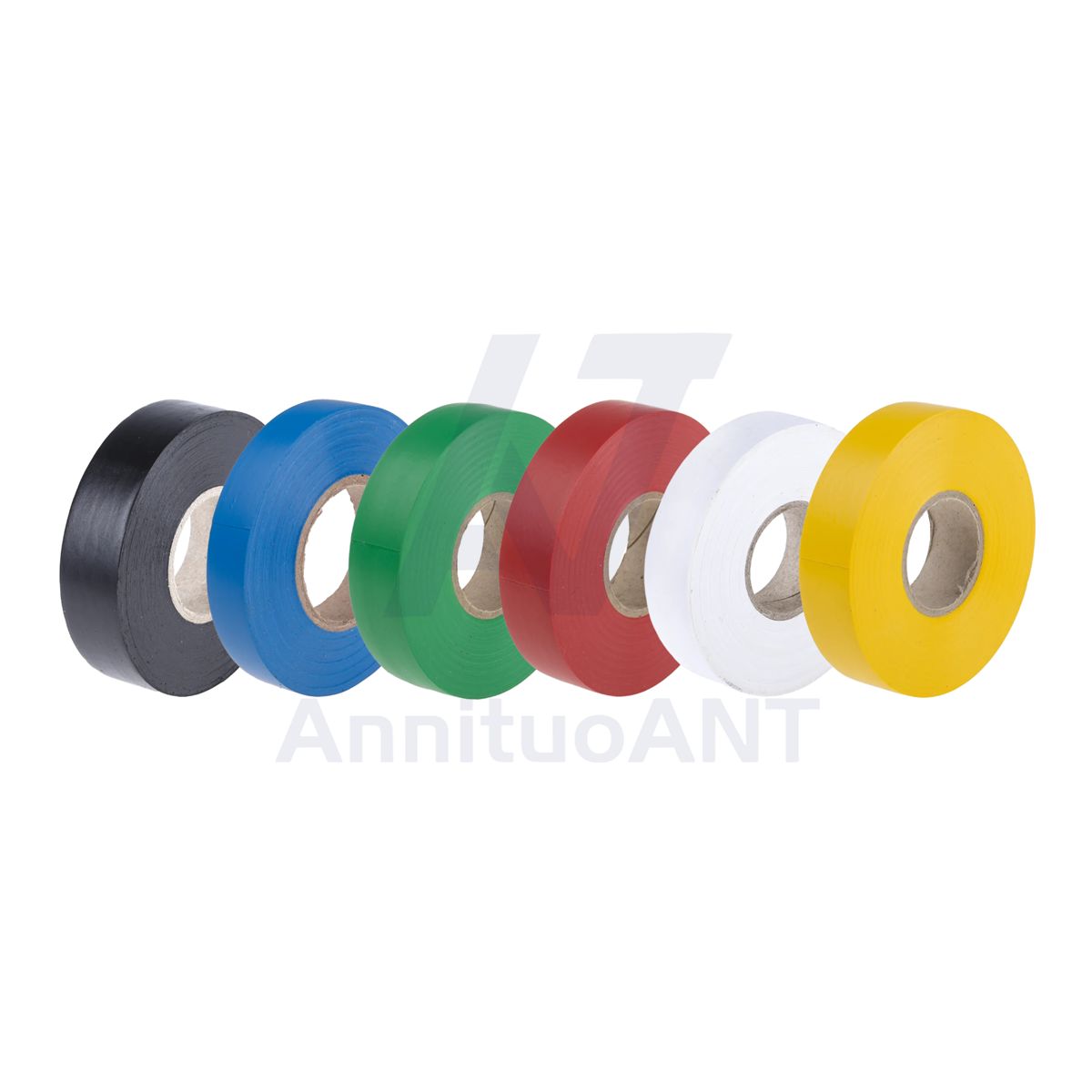
Color Coding: Various colors are available for black electrical tape, allowing for easy identification of wires and circuits. Ensure the color options meet your organizational or industry standards for safety.
When considering bulk purchases of PVC electrical tape, several factors can help you secure the best deal and quality:
Request Samples: Before committing to a large order, request samples of the PVC electrical tape to evaluate its quality and suitability for your specific applications. Testing samples under actual conditions can help you identify any potential issues before mass production.
Minimum Order Quantity (MOQ): Understand the manufacturer’s MOQ for PVC electrical tape. This can vary significantly between suppliers, so it's essential to discuss your needs upfront to avoid overstocking or underordering.
Lead Times: Inquire about lead times for bulk orders, as these can vary based on production schedules and inventory levels. Make sure that the lead time aligns with your project deadlines to avoid disruptions.
Customization Options: If your project requires specific dimensions, colors, or packaging, discuss customization options with potential suppliers. A reputable manufacturer, such as Anita can provide tailored solutions to meet your exact specifications.
Compare Prices and Quality: While price is a significant factor in purchasing decisions, quality should not be compromised. Compare various suppliers, taking into account their certifications and reputation in the industry, to ensure you are getting the best value.
The performance of PVC electrical tape is influenced by several critical features that buyers should be aware of:
Water Resistance: PVC electrical tape is inherently water-resistant, making it suitable for indoor and outdoor applications. This feature protects electrical connections from moisture and humidity, which can lead to electrical failures.
Chemical Resistance: Consider the chemical exposure that the tape may encounter, especially in industrial settings. PVC electrical tape typically offers good resistance to oils, solvents, and other chemicals, enhancing its durability.
Flexibility and Stretchability: A high-quality PVC electrical tape should be flexible enough to conform to various surfaces and connections while maintaining its integrity. This flexibility is essential for applications that require wrapping around irregular shapes.
Flame Retardance: Safety is paramount in electrical applications. Many waterproof electrical tape are flame-retardant, reducing the risk of fire hazards in case of short circuits or electrical overloads.
Ease of Application: Look for PVC electrical tape that is easy to unwind and apply, as this can significantly affect installation efficiency. A smooth application process helps ensure consistent results and reduces labor time.
The use of PVC electrical tape in electrical projects offers several advantages:
Cost-Effectiveness: PVC electrical tape is generally affordable, making it a cost-effective choice for large-scale projects. Its durability means that it can withstand wear and tear, reducing the need for frequent replacements.
Versatility: Suitable for a wide range of applications, including electrical insulation, splicing wires, and bundling cables, PVC electrical tape is a versatile tool for electricians and engineers alike.
Safety Compliance: Using certified PVC electrical tape ensures compliance with safety standards, which is critical for maintaining safe working environments and protecting equipment.
Ease of Identification: The availability of various colors aids in organizing and identifying electrical connections, which can enhance safety and efficiency during installation and maintenance.
Long-Lasting Performance: High-quality PVC electrical tape can withstand harsh environmental conditions, ensuring that it maintains its insulating properties over time, ultimately providing long-lasting protection.
Finding a reliable source for PVC electrical tape is crucial for ensuring consistent quality and performance. Here are some tips for sourcing:
Established Manufacturers: Look for manufacturers with a proven track record in the electrical equipment industry. Companies like Anita with over 14 years of experience, offer a wide range of certified products, ensuring reliability.
Certifications: Ensure that the manufacturer’s products meet relevant industry standards, such as UL/cUL and ETL/cETL certifications. These certifications verify the safety and performance of the tape.
Customer Reviews and Testimonials: Research customer feedback and testimonials to gauge the reliability and quality of the supplier. Positive reviews can provide insights into the supplier’s reputation and product performance.
Distribution Channels: Evaluate suppliers that offer multiple distribution channels, including direct purchasing, online ordering, and local distributors. This flexibility can simplify procurement processes.
Technical Support and Resources: A reputable supplier should provide technical support and resources to help you make informed decisions about product selection and application. This support can be invaluable for ensuring that you choose the right tape for your specific needs.
By understanding the specifications, features, and sourcing options for PVC electrical tape, purchasing managers, distributors, and engineers can make informed decisions that enhance project outcomes and ensure safety in electrical applications.