 EN
Quick Links
Black electrical tape is a versatile and essential product widely used in electrical applications for insulation, protection, and bundling wires. As a B2B buyer, understanding the key specifications, common issues, material advantages, and cost factors associated with electrical tape is crucial for making informed purchasing decisions. This article will help you navigate these considerations to ensure you select the best product for your needs.
When selecting black electrical tape, several key specifications should be considered to ensure optimal performance. First, the tape's thickness plays a significant role in its insulation capability. Typically measured in mils (thousandths of an inch), thicker tapes offer better durability and resistance to wear. A common thickness for black electrical tape is around 7 mils, which provides a good balance between flexibility and protection.
Secondly, the Anita adhesive type is crucial. Most black electrical tapes utilize a rubber-based adhesive that provides strong initial tack and maintains its bond over time, even in varying temperatures. Temperature resistance is another important specification; many black electrical tapes can withstand temperatures ranging from -10°C to 80°C (14°F to 176°F). This resistance ensures that the tape remains effective in different environments, from residential installations to industrial applications.
Lastly, the tape's elongation and tensile strength should also be evaluated. These factors determine how well the tape stretches and withstands mechanical stress during use. Choosing a tape with a high elongation percentage can help prevent breakage when applied to curved or uneven surfaces.
While black electrical tape is widely used, it can present several common problems if not chosen or applied correctly. One frequent issue is adhesive failure, which can occur if the surface is not clean or if the tape is applied under conditions that expose it to moisture or extreme temperatures. To mitigate this risk, ensure surfaces are dry and free of dust or oil before application.
Another problem arises from tape aging. Over time, UV exposure and temperature fluctuations can cause the tape to become brittle or lose adhesion. To address this, consider using UV-resistant black electrical tape for outdoor applications or areas with significant sunlight exposure. Additionally, always check for signs of degradation before using vinyl electrical tape that has been stored for an extended period.
Lastly, improper installation can lead to insufficient insulation, which may result in electrical shorts or failures. It's essential to overlap the tape adequately, maintaining a minimum of half the tape’s width with each turn to ensure complete coverage and protection.
Black electrical tape is commonly made from polyvinyl chloride (PVC), a material known for its excellent insulating properties and flexibility. The advantages of PVC include its resistance to moisture, chemicals, and abrasion, making it suitable for various applications, including electrical wiring, bundling cables, and even temporary repairs.
However, there are some disadvantages to consider. PVC can become less effective when exposed to extreme temperatures, particularly in very high heat conditions, where it may soften and lose its shape. Additionally, while PVC is durable, it may not be the best choice for applications requiring a high degree of mechanical protection, such as in heavy industrial environments where more robust materials like cloth or rubber might be preferable.
Understanding these material properties is essential when selecting black electrical tape for specific applications. Consider the operating environment and the expected conditions to ensure you choose the right material.
When purchasing Anita black electrical tape, there are several important factors to consider to meet your specific needs. Start by confirming the tape's UL/cUL or ETL/cETL certification. These certifications ensure that the tape meets industry standards for electrical insulation and safety, providing peace of mind in its performance.
Next, consider the roll size and packaging. Depending on your projects, you may prefer bulk quantities or smaller rolls for convenience. Be mindful of the minimum order quantity (MOQ) when negotiating with suppliers, as this can impact your purchasing strategy and overall cost.
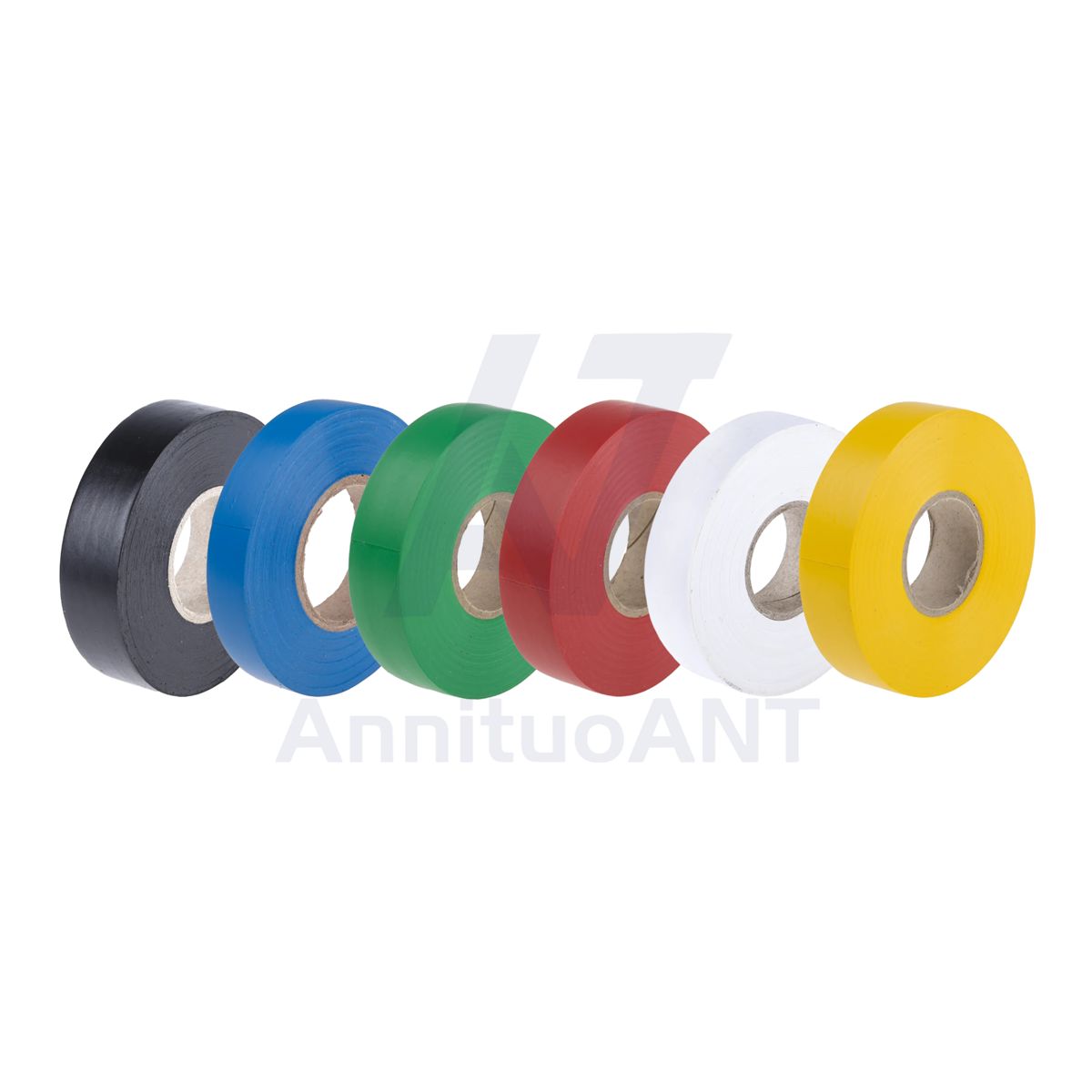
Additionally, custom options such as color variations or branding might be available, particularly from manufacturers like Jiaxing ANT Electrical Co., Ltd., which offers OEM/ODM solutions. This can be beneficial for businesses looking to maintain a consistent brand appearance across their products.
Finally, it is always advisable to request samples before placing a bulk order. Testing the tape under actual operating conditions will provide insights into its performance, adhesion, and durability.
The cost of Anita black electrical tape can vary significantly based on several factors, particularly when purchasing in bulk. One of the primary considerations is the material used; higher-quality materials or those with specialized properties (such as UV resistance) typically command higher prices.
Another critical factor is the production volume. Larger orders often yield lower unit prices due to economies of scale, so it's beneficial to assess your projected usage and negotiate bulk pricing with suppliers. Engage in discussions about lead times as well; longer lead times may result in lower costs, but they could impact your project's timeline if not managed properly.
Additionally, packaging options and shipment methods can also influence pricing. Custom packaging or expedited shipping will likely increase costs, so it's essential to weigh these decisions against your budget and project requirements.
Finally, don't forget to consider the total cost of ownership, which includes installation, maintenance, and potential replacements. While a lower initial price may seem appealing, it’s crucial to evaluate the long-term value and reliability of the black electrical tape you choose.
By understanding these factors, B2B buyers can make more informed decisions regarding waterproof electrical tape purchases, ensuring they select the right product at the right price for their specific applications.