EN
Quick Links
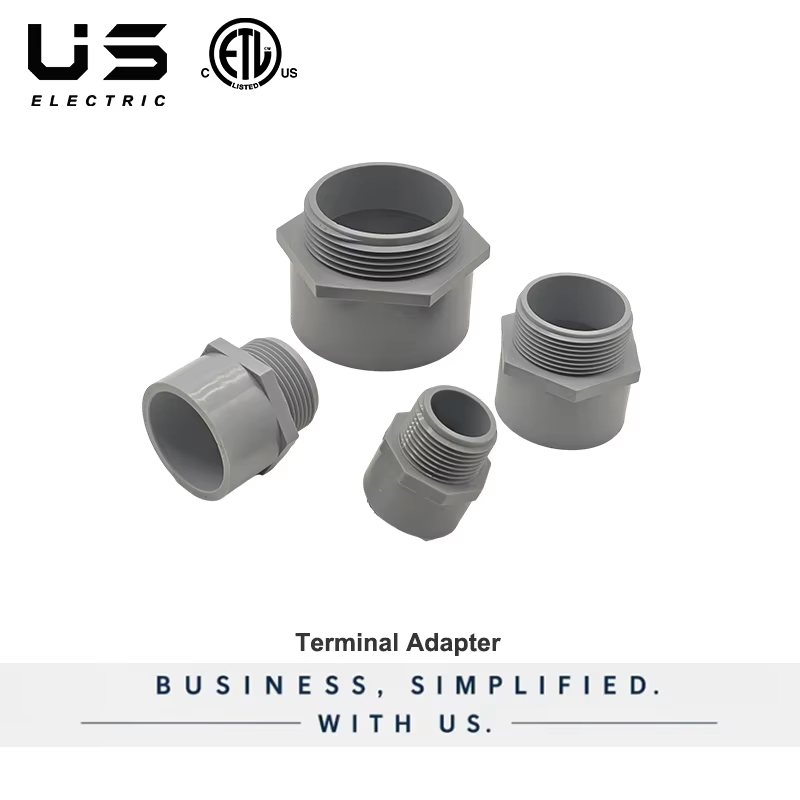
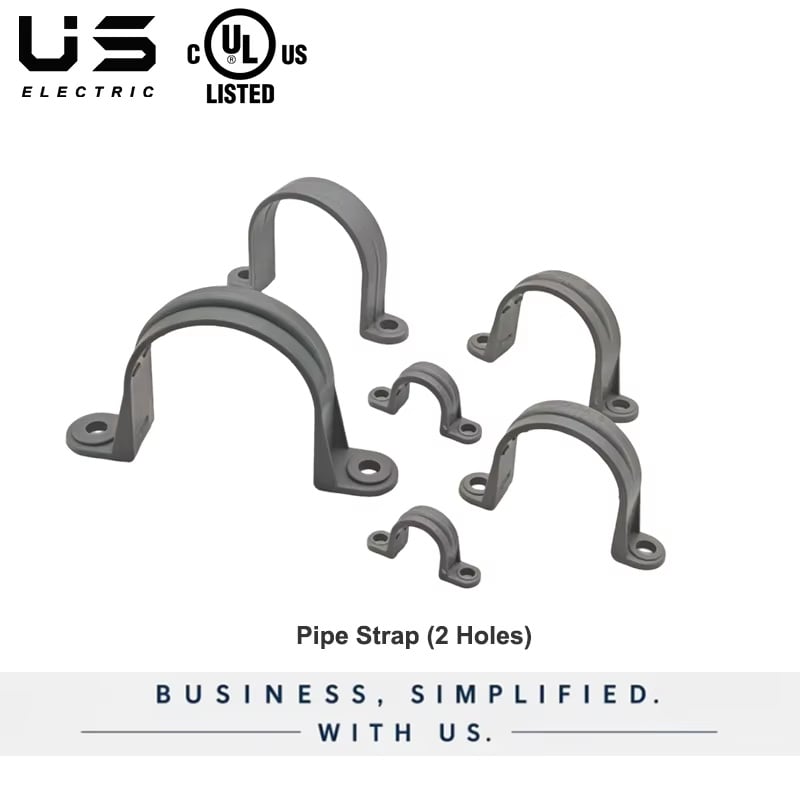
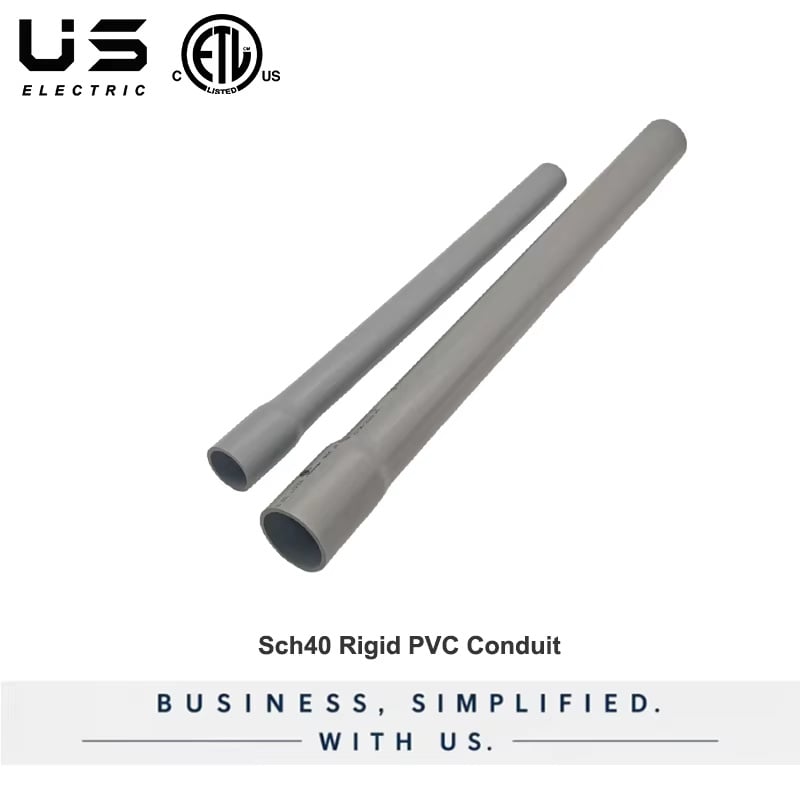
PVC electrical fittings are essential components in electrical installations, providing secure connections and protection for wiring systems. As a B2B buyer, understanding the attributes of high-quality PVC electrical fittings is crucial to ensure safety, compliance, and performance in both commercial and residential projects. This article will guide you through selecting the right fittings, finding reliable suppliers, comparing specifications for bulk orders, considering cost factors, and exploring the diverse applications of these fittings.
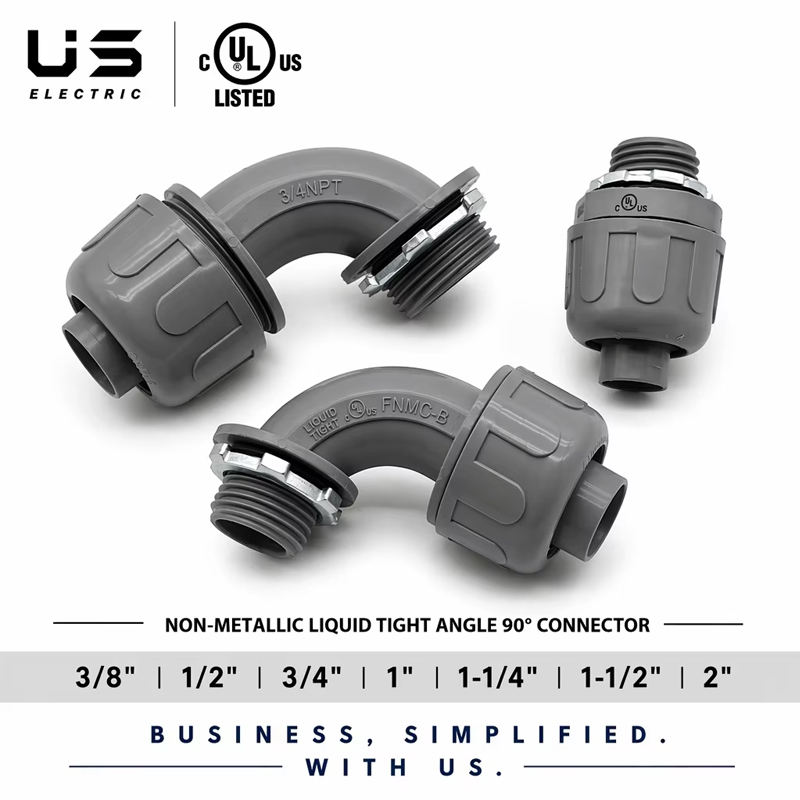
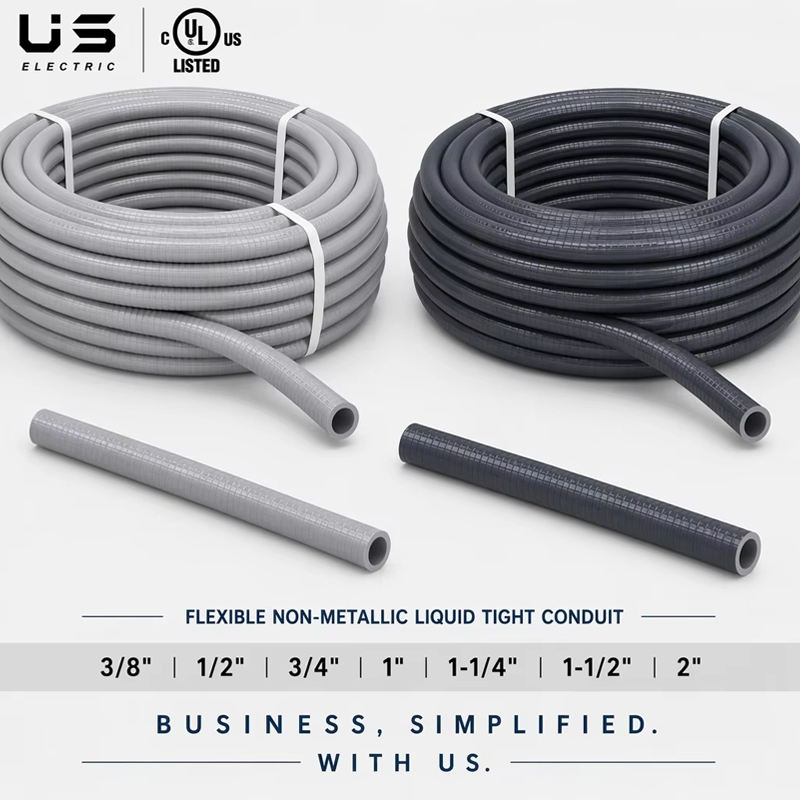
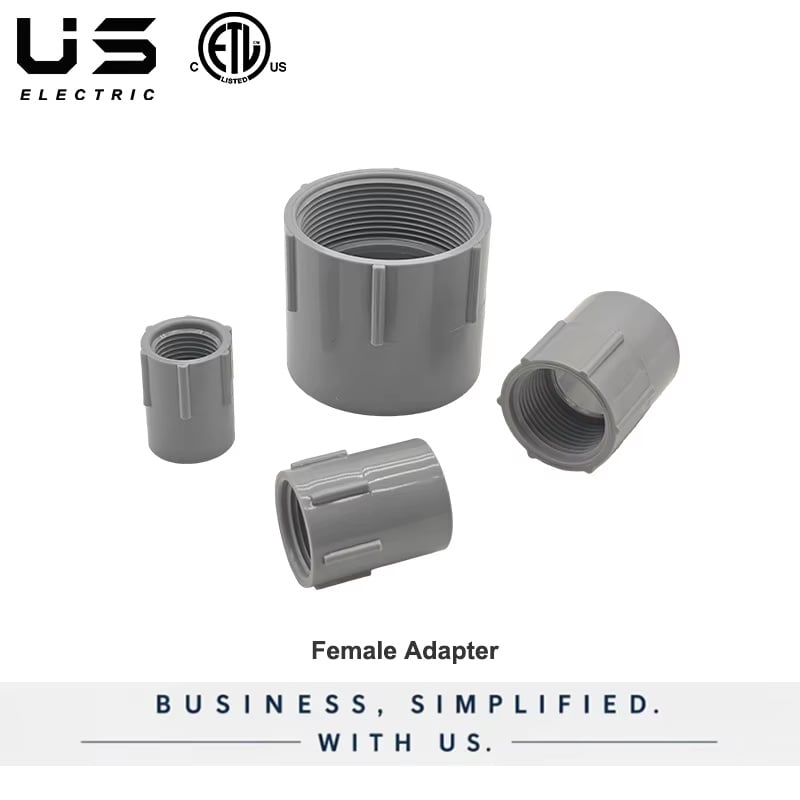
When selecting PVC electrical fittings, it’s vital to assess several key factors to ensure compatibility and reliability. First, consider the material quality. High-quality PVC should be durable, resistant to impact, and capable of withstanding environmental conditions such as moisture and UV exposure. Look for fittings that have been certified by recognized standards like UL/cUL and ETL/cETL, which indicate compliance with safety regulations. For additional options, consider checking out Nonmetallic Liquid-tight Conduit & fittings.
Next, evaluate the specifications of the fittings, including dimensions, wall thickness, and design features. The dimensions should match the conduit or wire sizes used in your project to ensure a proper fit. Wall thickness is crucial for structural integrity, especially in applications where fittings may be subject to mechanical stress or environmental exposure.
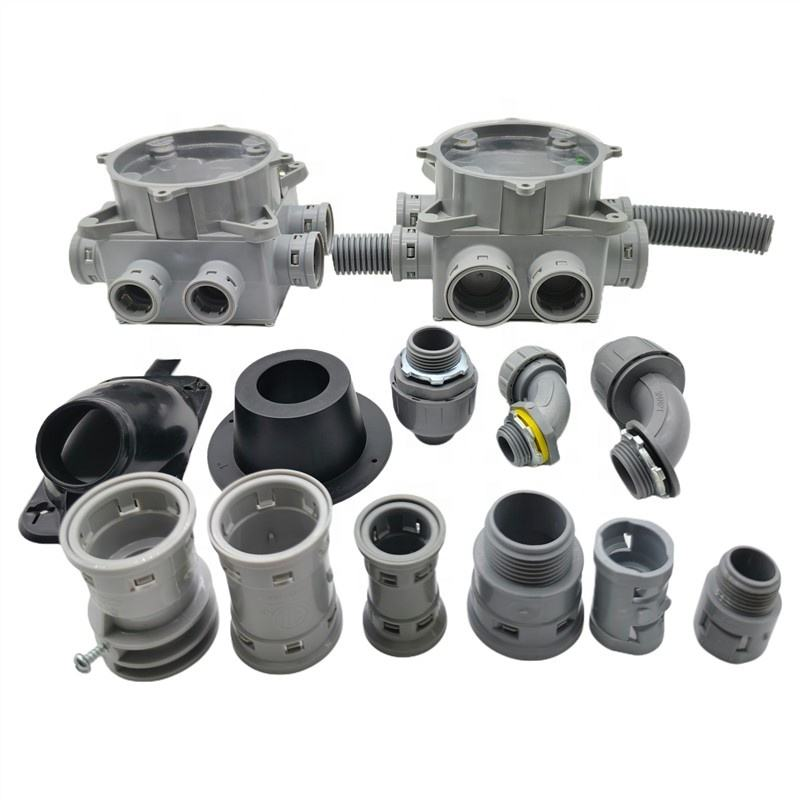
Finally, consider the fitting type and its intended application. Different projects may require specialized fittings, such as those designed for tight spaces or harsh conditions. Understanding these factors will help you select the most appropriate fittings for your needs.
Finding reliable suppliers of PVC electrical fittings involves looking for manufacturers with a proven track record and industry certifications. Start by researching companies that specialize in electrical equipment and have experience in producing PVC fittings. Review their product range and certifications to ensure they meet quality standards.
Trade shows and industry exhibitions can also provide valuable opportunities to meet suppliers in person and assess their products. Additionally, online B2B marketplaces can connect you with various manufacturers, allowing you to compare prices, specifications, and customer reviews easily.
It's advisable to request samples from potential suppliers before making bulk orders. This allows you to evaluate the quality and compatibility of the fittings in real-world applications. Jiaxing ANT Electrical Co., Ltd., with 14 years of experience and a comprehensive range of certified products, is an example of a manufacturer that offers both high-quality products and OEM/ODM services.
When placing bulk orders for PVC electrical fittings, comparing specifications is essential to ensure you receive products that meet your project requirements. Key specifications to compare include:
Material Composition: Verify that the fittings are made from high-grade PVC formulated for electrical applications.
Dimensions: Ensure the fittings are available in the sizes and configurations necessary for your installation. This might include various diameters, lengths, and shapes.
Wall Thickness: A thicker wall can provide enhanced durability and resistance to physical damage.
Certification: Only source fittings that are certified for safety and performance, as this can impact compliance with local electrical codes.
Customization Options: If your project has specific requirements, check if the supplier can provide customized fittings to match your specifications. For example, you may want to explore Other Electrical Accessories that could complement your fittings.
By thoroughly evaluating these specifications, you can make informed decisions that align with your project's needs and budget.
When budgeting for PVC electrical fittings, several cost factors should be considered to ensure you stay within your financial parameters while meeting project requirements.
Material Quality: Higher-quality PVC fittings may come at a premium price but can offer better durability and performance, which can save costs on replacements or repairs in the long run.
Order Quantity: Bulk orders typically come with volume discounts. Be sure to inquire about minimum order quantities (MOQ) and pricing tiers to maximize your budget.
Shipping and Handling: Factor in the cost of shipping, which can vary significantly based on the supplier's location and the size of the order.
Customization Fees: If you require custom fittings, be aware that additional design and production costs may apply. Ensure these are included in your budget calculations.
Lead Time: If you need fittings quickly, expedited shipping or production may incur additional costs. Balancing lead time with cost is crucial for project management.
Understanding these cost factors will help you negotiate effectively with suppliers and make financially sound purchasing decisions.
PVC electrical fittings are versatile components used across various applications in both commercial and residential projects. Their resistance to corrosion, lightweight nature, and ease of installation make them ideal for numerous electrical systems.
In residential applications, PVC fittings are commonly used in wiring for lighting, outlets, and appliances. They offer protection against moisture and physical damage, ensuring the longevity of electrical installations.
In commercial settings, such as office buildings or retail spaces, PVC fittings are essential for structured wiring systems. They are often employed in conduits that protect electrical cables running through walls and ceilings, providing both safety and organization.
Additionally, PVC fittings are increasingly used in outdoor installations, such as landscape lighting and signage. Their UV resistance helps maintain functionality and appearance over time, making them suitable for various environmental conditions. You might also want to consider HVAC & Accessories that can work in conjunction with these fittings.
By understanding the applications of PVC electrical fittings, you can better assess which products will meet your specific project requirements effectively.
selecting the right PVC electrical fittings involves careful consideration of quality, specifications, supplier reliability, cost factors, and application suitability. By following these guidelines, you can make informed purchasing decisions that enhance the performance and safety of your electrical installations.