 EN
Quick Links
Electrical tubing is a crucial component in various electrical installations, providing protection and organization for wires and cables in both residential and commercial applications. As a B2B buyer, you likely prioritize product quality, compliance with industry standards, and cost-effectiveness. This article will delve into the essential aspects of electrical tubing, including quality control measures in manufacturing, cost factors for bulk orders, best practices for selection and installation, diverse applications across industries, and the advantages of collaborating with experienced manufacturers.
Quality control in electrical tubing manufacturing is vital to ensure safety, durability, and compliance with standards such as UL/cUL and ETL/cETL. Key measures include:
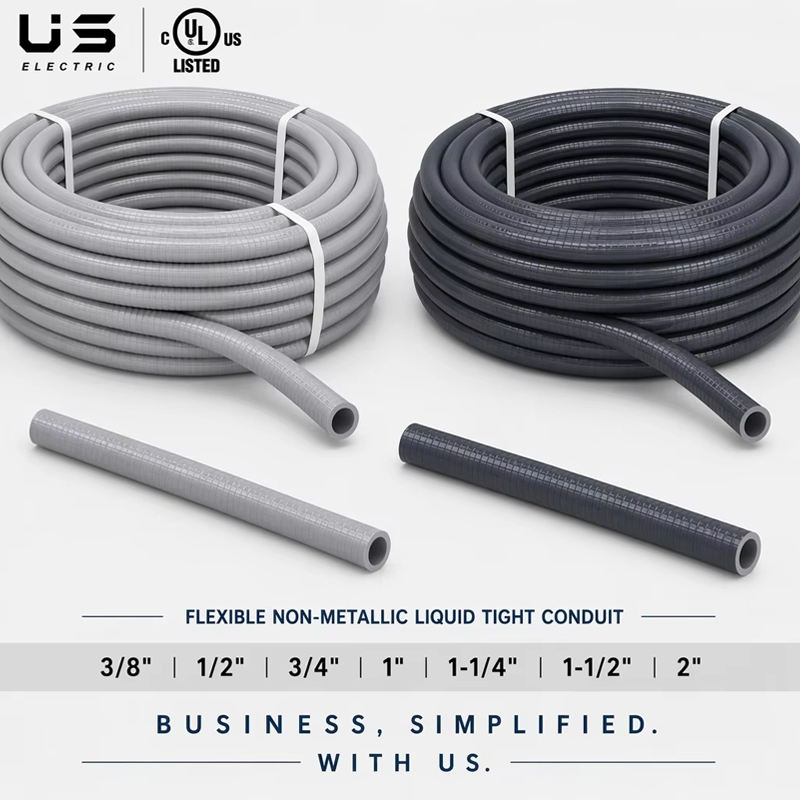
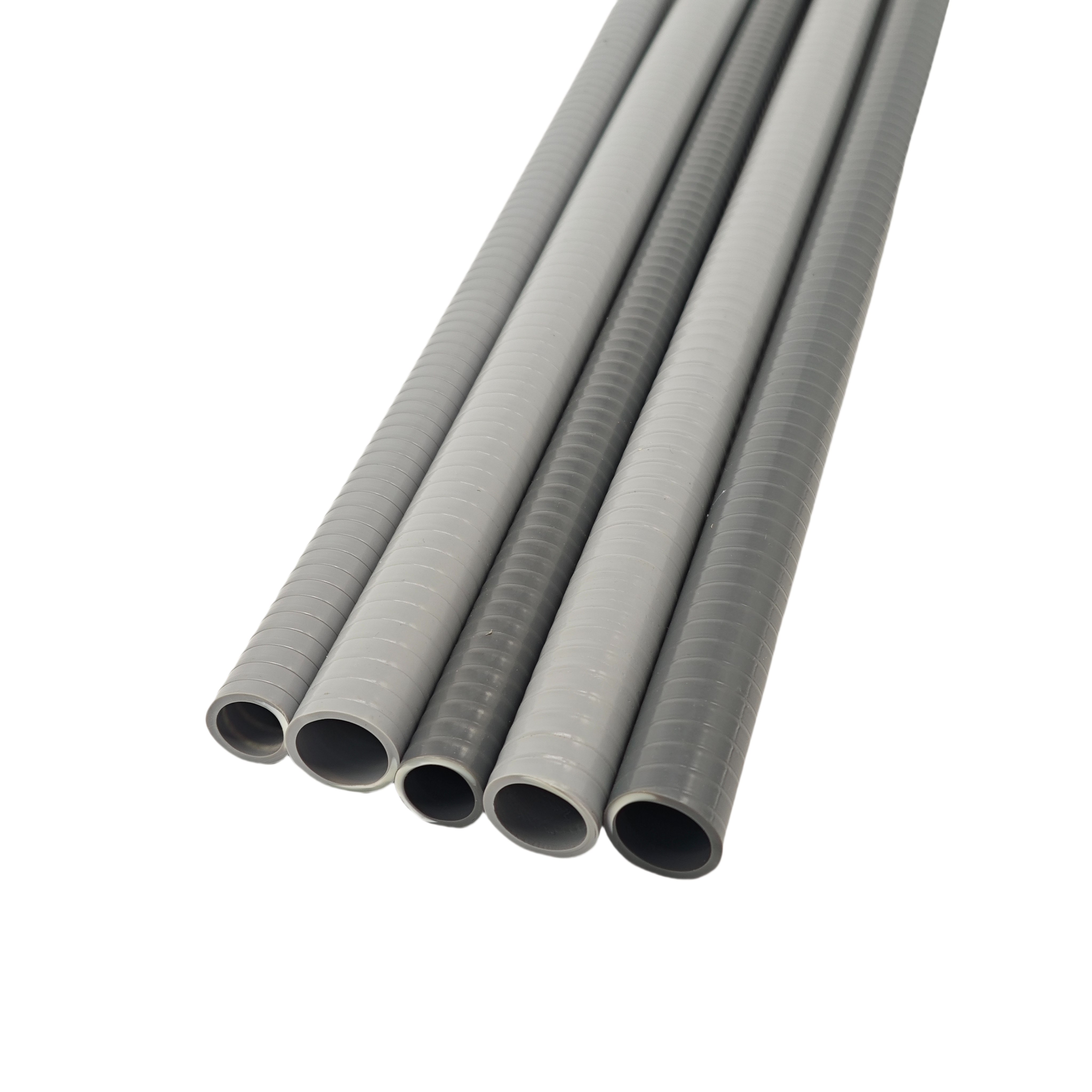
Material Selection: High-quality raw materials are essential for producing reliable electrical tubing. Common materials include PVC, metal, and flexible conduits, each with unique properties affecting performance in different environments.
Dimensional Accuracy: Tubing dimensions must be precise to ensure compatibility with existing fittings and electrical components. Manufacturers use advanced measurement techniques to verify that products adhere to specified tolerances.
Testing Procedures: Rigorous testing, including temperature resistance, moisture exposure, and tensile strength assessments, ensures that the tubing can withstand the conditions it will face in actual applications.
Certification Compliance: Adherence to industry certifications is crucial. Manufacturers must consistently meet standards, which often involves third-party inspections and audits to verify quality practices.
Production Process Monitoring: Continuous monitoring during the manufacturing process helps identify defects early, minimizing waste and ensuring that final products meet customer specifications.
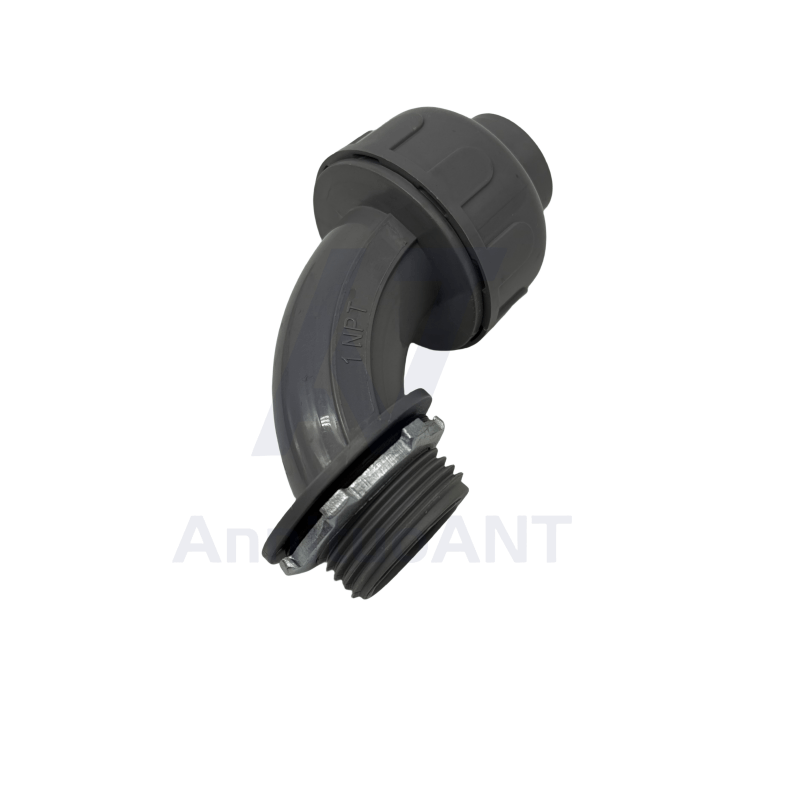
When ordering electrical tubing in bulk, several cost factors come into play:
Material Costs: The type of material chosen significantly impacts overall costs. For example, PVC tubing is generally more economical than metal alternatives but may not be suitable for high-temperature applications.
Order Quantity: Larger orders often benefit from volume discounts. However, it's essential to balance buying enough to meet project needs without overstocking, which can tie up capital.
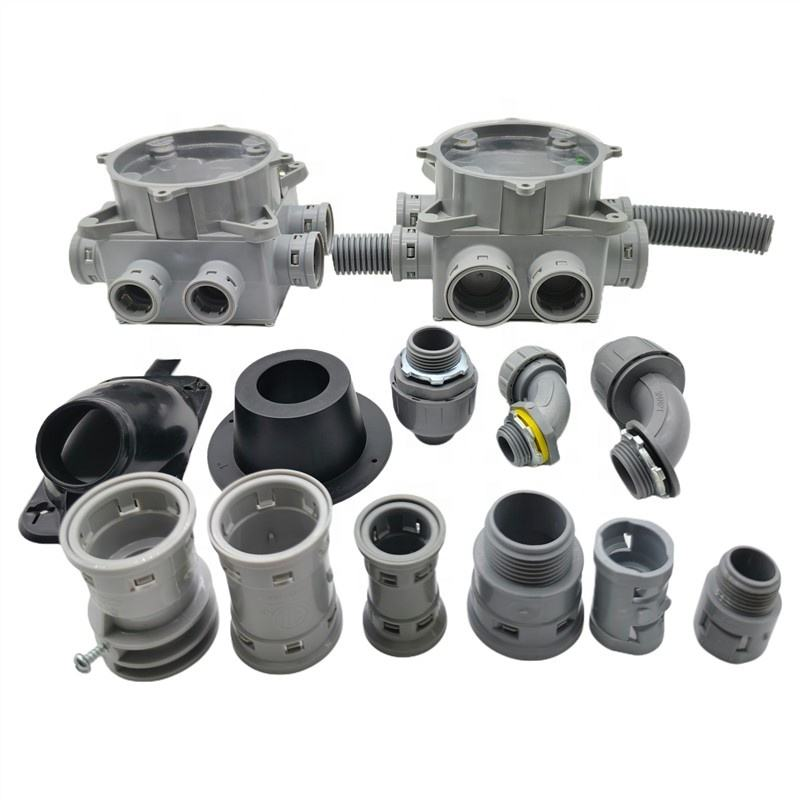
Customization: Custom sizes or specific features (like color coding or additional coatings) may increase costs. Discussing customization options with manufacturers can provide insights into pricing structures. For instance, options like the 1 Gang Adjustable Mud Rings can enhance your installation.
Shipping and Handling: Logistics play a crucial role in final costs. Shipping bulky items can be expensive, so understanding packaging methods and exploring local suppliers can reduce transportation expenses.
Lead Time: Rushed orders may incur premium pricing. Planning ahead and allowing for reasonable lead times can help mitigate these costs while ensuring timely project completion.
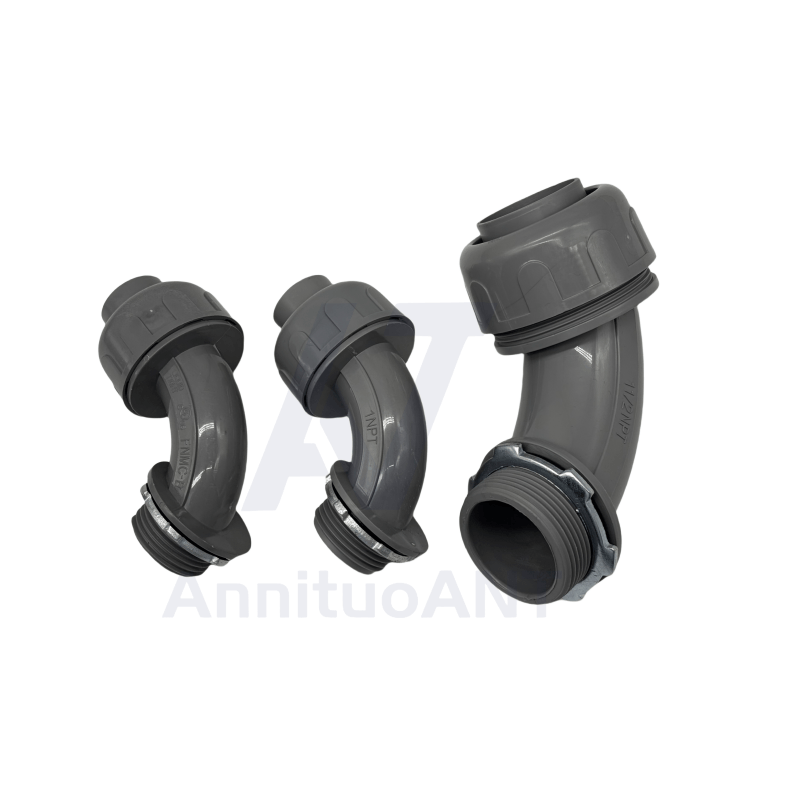
Implementing best practices in selecting and installing electrical tubing can enhance performance and safety:
Specification Verification: Before placing an order, verify specifications such as diameter, thickness, and compliance with relevant standards. This ensures that the tubing will fit seamlessly into your project.
Sample Approval: Always request samples before mass production. Inspecting samples allows you to assess quality and compatibility with your systems, reducing the risk of costly errors later.
Installation Guidelines: Follow manufacturer guidelines for installation. Proper installation techniques, such as securing tubing in place and avoiding sharp bends, are essential for maintaining integrity and performance.
Regular Inspections: Implement routine inspections of installed tubing to identify potential issues such as wear or damage. Early detection can prevent failures and enhance safety.
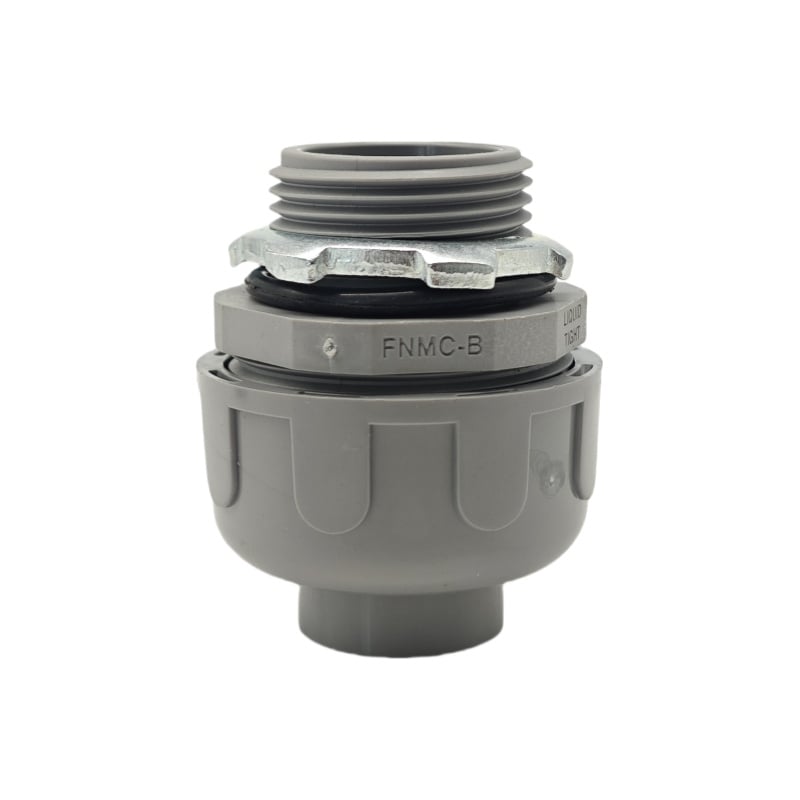
Electrical tubing finds diverse applications across multiple industries:
Construction: In both residential and commercial buildings, electrical tubing protects wiring from environmental factors and mechanical damage, ensuring longevity and compliance with safety standards.
Manufacturing: In industrial settings, tubing is utilized to organize and safeguard electrical wiring in machinery, reducing the risk of malfunctions and enhancing operational efficiency.
Automotive: Electrical tubing is critical in vehicles, where it protects wiring from heat, moisture, and mechanical stress, contributing to overall vehicle safety and performance.
Telecommunications: Tubing is used to house cables and fibers, ensuring protection from external elements while aiding in organization within data centers and communication networks.
Renewable Energy: In solar and wind applications, electrical tubing helps manage wiring, protecting it from varying environmental conditions while supporting system efficiency.
Collaborating with established manufacturers, such as Jiaxing ANT Electrical Co., Ltd., provides several advantages:
Expertise and Reliability: With 14 years of experience, manufacturers bring extensive knowledge of material selections, compliance requirements, and industry trends, ensuring you receive high-quality products.
Customization Capabilities: Experienced manufacturers often offer OEM/ODM solutions, allowing buyers to tailor products to specific project requirements, enhancing compatibility and functionality. For example, the US Canadian Standards Metal Junction Box is a versatile choice for various installations.
Quality Assurance: Established manufacturers have rigorous quality control processes in place, ensuring that all products meet or exceed industry standards, ultimately reducing the risk of failure in applications.
One-Stop Shopping: A comprehensive supplier can streamline procurement processes, providing a wide range of products and services, thus saving time and effort in sourcing multiple vendors.
Strong Support Network: Experienced manufacturers typically offer robust customer support, including technical assistance and guidance throughout the purchasing process, helping buyers make informed decisions.
By understanding these aspects of electrical tubing, B2B buyers can make better-informed purchasing decisions, ensuring the right products are selected for their specific applications while fostering reliable partnerships with manufacturers.