EN
Quick Links
Electrical conduits are essential components in electrical installations, designed to protect and route electrical wiring. When selecting the right electrical conduit for your project, it’s crucial to consider factors like material, application, and compliance with industry standards. This article will help purchasing managers, engineers, and product managers navigate the decision-making process, ensuring they choose the most suitable Anita flexible metal electrical conduit for their needs.
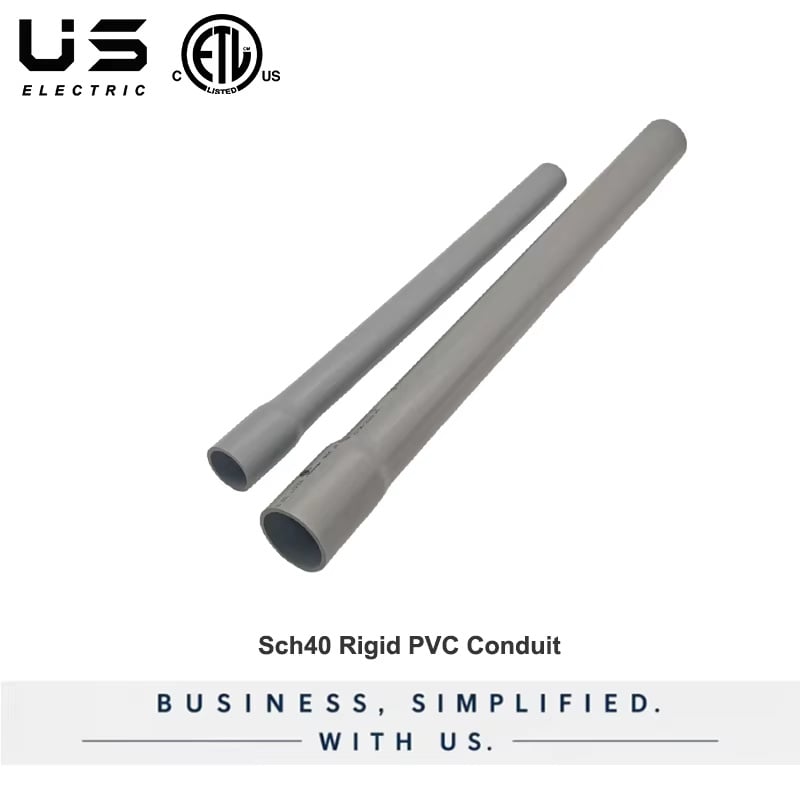
Choosing the right electrical conduit involves understanding your project's specific requirements. Start by evaluating the environmental conditions where the conduit will be installed. For instance, if the conduit will be exposed to moisture or chemicals, selecting a non-metallic conduit made from PVC or fiberglass might be more appropriate than a metallic option.
Next, consider the conduit size. It should accommodate the number and size of wires without exceeding fill limits, which can lead to overheating. The National Electrical Code (NEC) provides guidelines on conduit fill requirements, which you should reference during your selection process. Additionally, think about the installation method—conduits can be installed in various ways, including surface-mounted or embedded in walls, which may influence your choice.
Lastly, ensure that the conduit you choose meets relevant certifications such as UL/cUL and ETL/cETL, confirming that it adheres to safety and performance standards.
When evaluating electrical conduits, focus on several key specifications:
Material: Common materials include PVC, metal (like EMT or rigid steel), and flexible options. Each material offers different benefits in terms of durability, flexibility, and resistance to environmental factors.
Diameter and Length: Ensure the conduit diameter fits your wiring needs and is available in the required lengths for your installation. Standard diameters range from 1/2 inch to 6 inches, and lengths typically come in 10-foot or 20-foot sections.
Wall Thickness: The thickness of the conduit walls affects its strength and ability to withstand external pressures. A heavier wall may be necessary for industrial applications, while lighter options may suffice for residential projects.
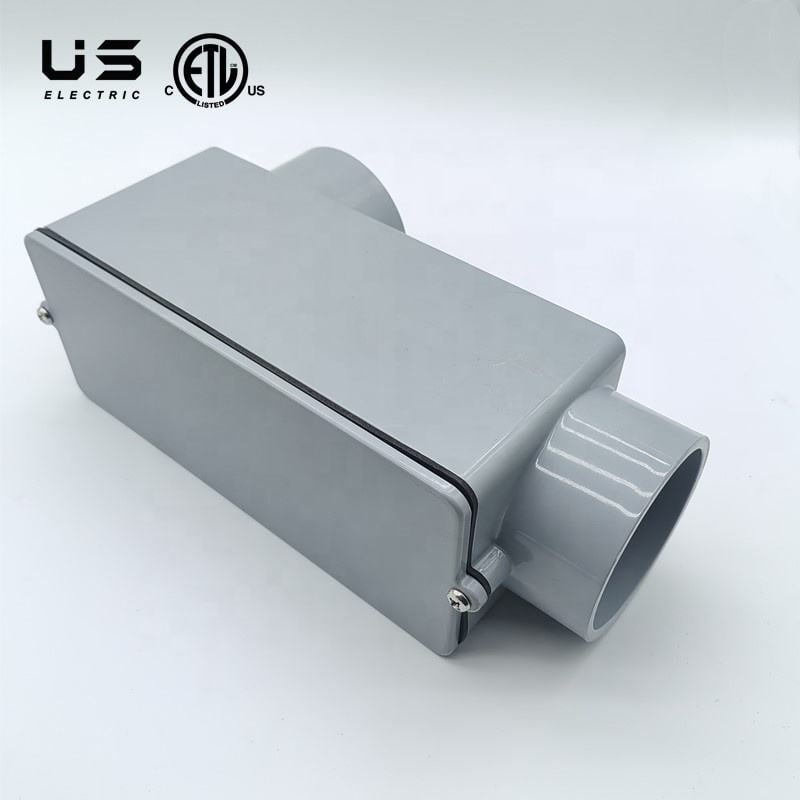
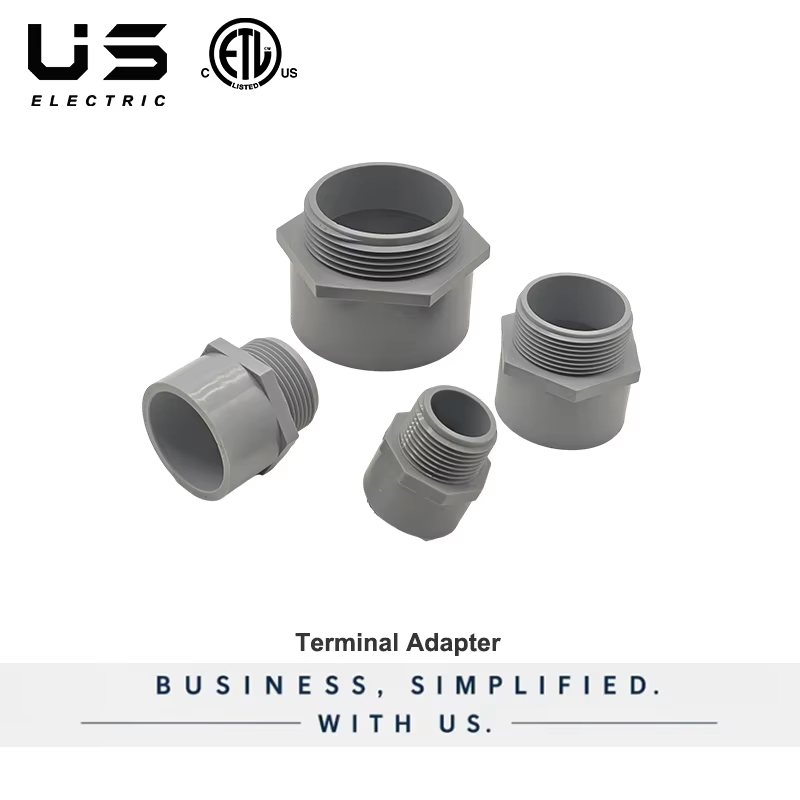
Sealing and Fitting Options: Ensure compatibility with fittings and accessories that may be needed for installation. This includes connectors, couplings, and junction boxes.
Compliance and Certifications: Verify that the plastic electrical conduit meets local regulations and safety standards. This will prevent potential issues during inspections and ensure the durability of the installation.
When ordering Anita electrical conduits in bulk, quality assurance becomes paramount. Here are critical aspects to evaluate:
Supplier Reputation: Research manufacturers with proven histories of reliability and quality. Certifications like ISO can indicate a commitment to quality management systems.
Material Testing: Confirm that the materials used in manufacturing undergo rigorous testing for durability and compliance with industry standards. Request information on the testing processes and results.
Production Capabilities: Ensure the manufacturer can meet your order quantity and delivery timelines. With Jiaxing ANT Electrical Co., Ltd., for example, their production capabilities allow for a wide range of conduits, ensuring consistent supply for bulk orders.
Quality Control Processes: Inquire about the supplier's quality control measures during production. This includes inspections at various stages of manufacturing and final product testing.
Sample Approval: Before mass ordering, request samples to inspect for quality, dimensions, and overall performance. This step can help avoid potential issues once full production begins.
To ensure a smooth purchasing experience and successful installation of electrical conduits, consider the following best practices:
Provide Detailed Specifications: When requesting quotations, include specifics such as material type, dimensions, required certifications, and quantities. This clarity helps suppliers provide accurate pricing and lead time estimates.
Confirm Lead Times: Understand the lead times for production and shipping, especially for bulk orders. This helps prevent delays in project timelines.
Conduct a Cost Analysis: Compare prices not only based on unit cost but also consider shipping, handling, and potential customizations. A lower unit price might not always reflect the best overall value.
Installation Training: If your team is unfamiliar with conduit installation, consider training sessions from the supplier. This can enhance installation efficiency and reduce errors.
Regular Maintenance Checks: After installation, schedule routine inspections to ensure the conduits remain in good condition and free from damage or wear.
Despite careful selection and installation, several common issues can arise with Anita electrical conduits:
Corrosion: Metal conduits can corrode, especially in humid or chemical-rich environments. To combat this, select non-metallic options for such conditions or ensure proper coatings on metallic conduits.
Improper Sizing: Choosing the wrong diameter can lead to overheating or difficulty in wire installation. Always calculate conduit fill and consult the NEC for guidance.
Physical Damage: Conduits can suffer from impact damage during installation or later use. Implement protective measures such as careful handling and utilizing impact-resistant materials.
Moisture Ingress: In moist environments, water can enter conduits, leading to potential electrical hazards. Using sealed fittings and ensuring proper drainage can mitigate this risk.
Compatibility Issues: Ensure that the fittings and accessories are compatible with the flexible pvc electrical conduit type and size. Incompatibility can lead to installation inefficiencies or product failures.
selecting the right ent electrical conduit requires careful consideration of material, application, and regulatory compliance. By following best practices and being aware of common issues, purchasing managers and engineers can make informed decisions that enhance safety and efficiency in their electrical installations.