EN
Quick Links
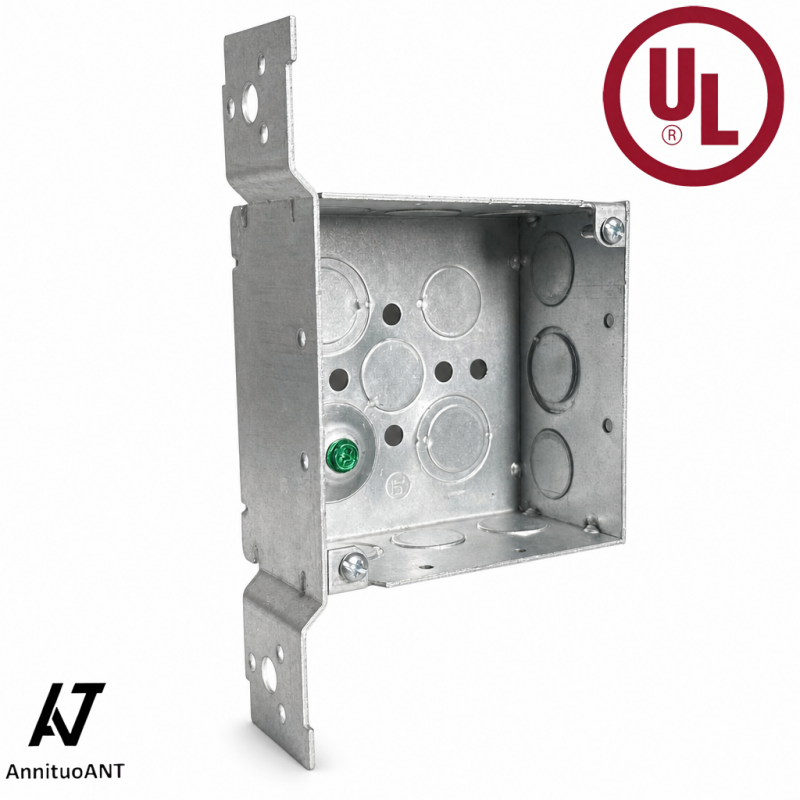
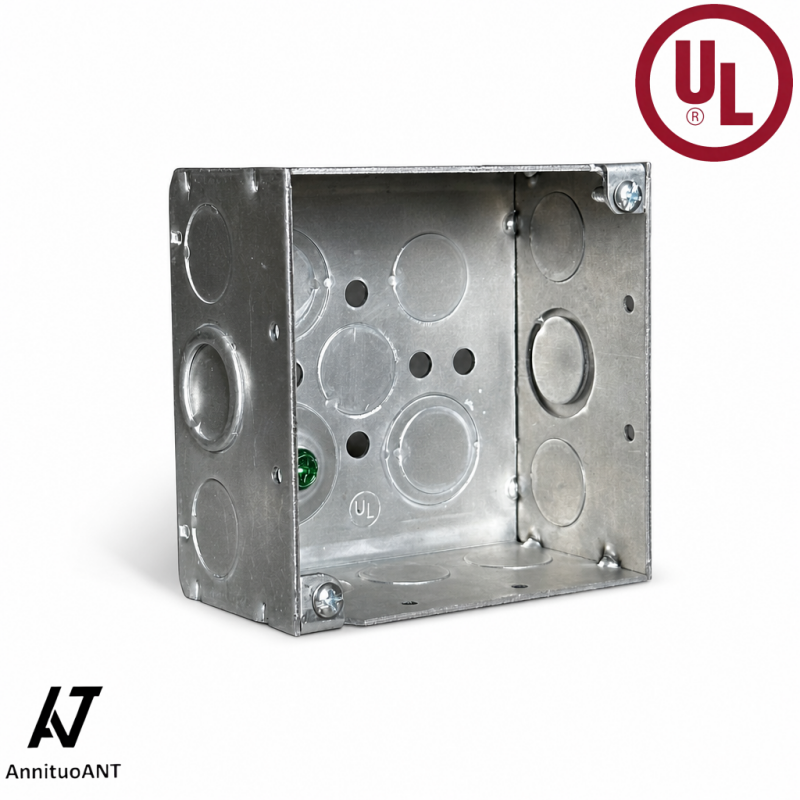
Conjunction boxes are essential components in electrical installations, serving as junction points for wiring connections. These boxes facilitate the safe and organized routing of electrical wires, ensuring compliance with safety standards. For B2B buyers, selecting the right conjunction box involves various considerations, including specifications, materials, and application suitability. This article aims to provide a comprehensive guide to help purchasing managers, engineers, and product managers navigate the complexities of choosing the appropriate exterior junction box for their projects.
When evaluating Anita conjunction boxes, several key specifications should be taken into account:
Size and Dimensions: The dimensions of the conjunction box must accommodate the number and size of wires being connected. Insufficient space can lead to overcrowding, which may compromise safety and performance.
Material: Common materials include metallic options like steel or aluminum, and non-metallic options such as PVC or fiberglass. The choice of material affects durability, resistance to environmental factors, and suitability for specific applications.
Sealing and Protection Ratings: Look for ingress protection (IP) ratings that indicate the box's resistance to dust and moisture. Higher IP ratings are essential for outdoor or harsh environments.
Load Capacity: Ensure the box can handle the electrical load requirements of the application. This will help prevent overheating and potential fire hazards.
Certification Standards: Verify that the conjunction box meets relevant certification standards, such as UL/cUL or ETL/cETL, which indicate compliance with safety regulations.
By carefully considering these specifications, buyers can ensure that they select waterproof junction box that are fit for their intended use, enhancing safety and reliability in electrical applications.
Proper installation of conjunction boxes is crucial for optimal performance and safety. Here are some practical tips:
Follow Manufacturer Guidelines: Always adhere to the installation instructions provided by the manufacturer. This includes recommended mounting methods, wiring techniques, and torque specifications for terminal connections.
Plan Wiring Layout: Before installation, plan the layout of the wiring to prevent excessive bending or tension on the wires. Proper routing can minimize the risk of damage and ensure efficient operation.
Use Appropriate Tools: Employ the right tools for cutting, stripping, and connecting wires. Using improper tools can lead to damaged components and unsafe connections.
Seal Properly: For outdoor installations, ensure that all seals are intact to prevent moisture ingress. This may include using gaskets or sealants as specified by the manufacturer.
Conduct Safety Checks: After installation, conduct thorough checks to ensure all connections are secure, and there are no exposed wires. Testing the system before full operation can help identify potential issues early.
By following these installation tips, users can enhance the efficiency and safety of their electrical systems.
Several factors impact the cost of Anita conjunction boxes, and being aware of these can aid in budgeting:
Material Type: Metallic conjunction boxes typically cost more than non-metallic options due to their durability and resistance to harsh conditions. Evaluate the material based on the application environment.
Size and Complexity: Larger or more complex boxes, such as those with multiple compartments or specialized features, will generally command higher prices. Assess the necessary features against your project requirements.
Certification and Compliance Costs: Boxes that meet higher safety standards or specific certifications may come at a premium. However, they provide added assurance of safety and reliability.
Volume Discounts: Consider purchasing in bulk, as many suppliers, including Jiaxing ANT Electrical Co., Ltd., offer discounts for larger orders. This can significantly lower the unit price.
Customization Needs: If custom features or branding are required, factor in additional costs for design and production. Ensure that the supplier is capable of meeting these needs within your budget.
Understanding these cost factors will help buyers make informed decisions and manage their budgets effectively.
The choice of material for conjunction boxes plays a vital role in their performance and application suitability. Here are some common materials and their advantages:
Metallic Conjunction Boxes:
Durability: Metallic boxes are robust and can withstand physical impacts and environmental factors, making them ideal for industrial settings.
Fire Resistance: Metal has inherent fire resistance, providing an added layer of safety in high-risk applications.
Grounding: Metallic boxes can be easily grounded, enhancing electrical safety.
Non-Metallic Conjunction Boxes:
Corrosion Resistance: Non-metallic options, such as PVC or fiberglass, resist corrosion and are suitable for outdoor or humid environments.
Lightweight: These boxes are lighter than their metallic counterparts, making them easier to handle and install.
Cost-Effective: Non-metallic boxes often come at a lower price point, making them a budget-friendly choice for many applications.
Composite Materials:
Hybrid Advantages: Some Anita conjunction boxes use a combination of materials, offering benefits such as enhanced durability and flexibility. These can be tailored for specific environmental conditions.
Selecting the right material based on application needs is crucial for ensuring the longevity and reliability of electrical installations.
Conjunction boxes find applications across various sectors, both in commercial and residential settings. Here are some common uses:
Commercial Installations: In commercial buildings, conjunction boxes are typically used for connecting power supply lines, lighting circuits, and data cabling. Their robust construction ensures safety in high-traffic areas.
Residential Wiring: In homes, conjunction boxes facilitate connections between different electrical circuits, such as lighting and outlets. They help manage wiring efficiently, reducing clutter and potential hazards.
Industrial Applications: In industrial environments, conjunction boxes protect sensitive wiring from dust, moisture, and mechanical damage. They are critical for machinery connections and electrical control systems.
Outdoor Lighting: For outdoor lighting installations, outdoor outlet box ensure the safe routing of wires while preventing moisture ingress.
Renewable Energy Systems: As renewable energy systems, such as solar panels, become more common, conjunction boxes are essential for connecting wiring from solar arrays to inverters and electrical systems.
Understanding the diverse applications of conjunction boxes allows buyers to choose products that meet specific needs and comply with safety standards across different environments.
By considering these factors and insights, purchasing managers and engineers can make informed decisions when selecting conjunction boxes, ensuring their projects meet safety, efficiency, and compliance standards.