 EN
Quick Links
Choosing the right Anita conduit for your electrical projects is crucial for ensuring safety, efficiency, and compliance with regulations. Conduit, a protective tube for electrical wiring, comes in various types and materials tailored for different applications. For B2B buyers, understanding the specifications, quality, and sourcing options is essential. This article will guide you through the key considerations for selecting conduits, including sourcing reliable manufacturers, evaluating their advantages and disadvantages, addressing common problems, and emphasizing the importance of quality in bendable metal conduit.
Selecting the appropriate conduit for your electrical projects involves evaluating several factors. Start by identifying the application environment: will it be indoors or outdoors? Will it be exposed to moisture, chemicals, or extreme temperatures?
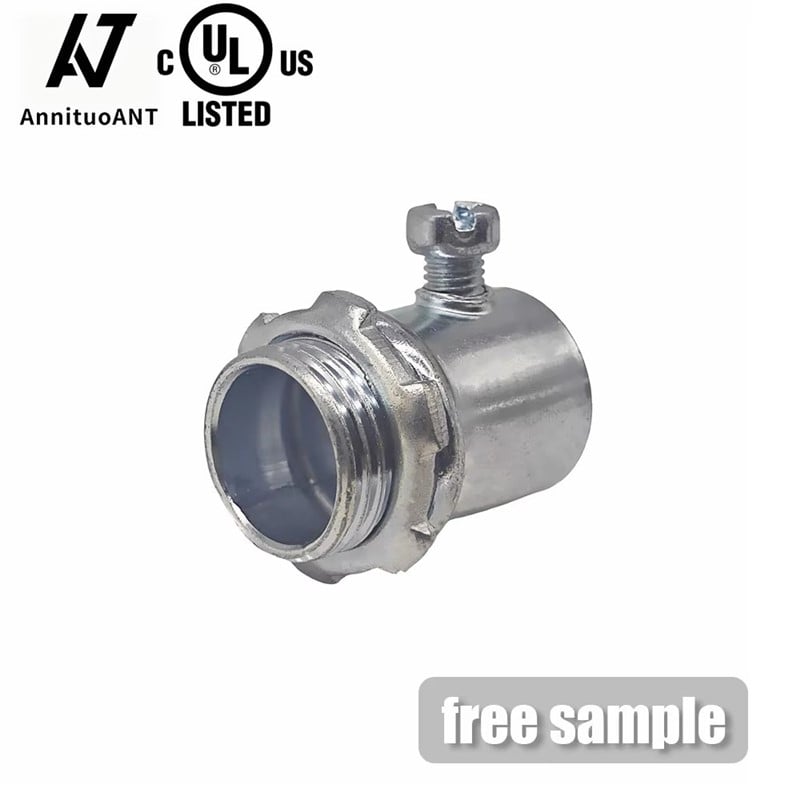
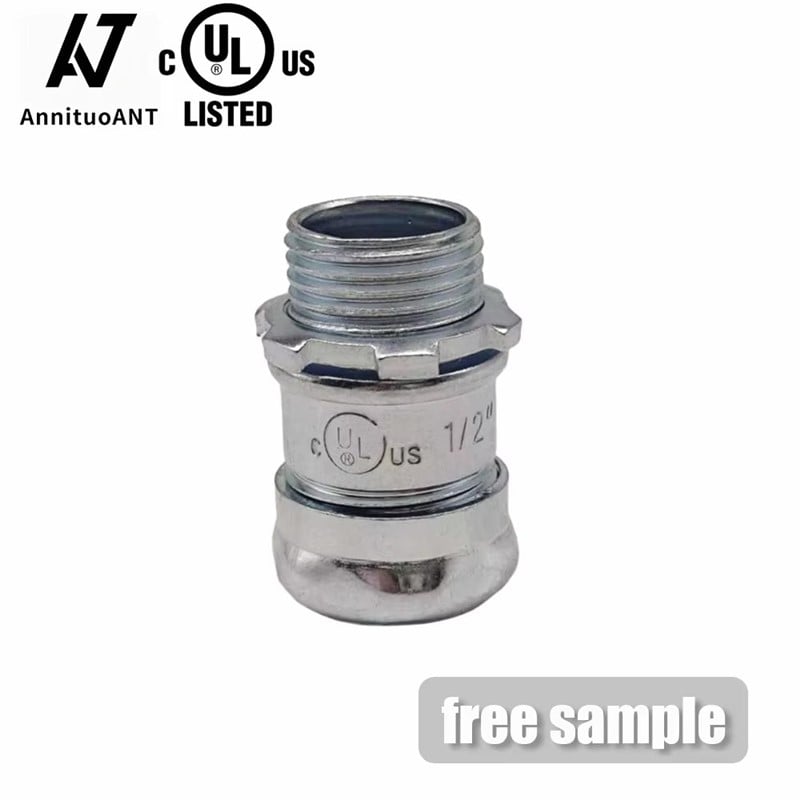
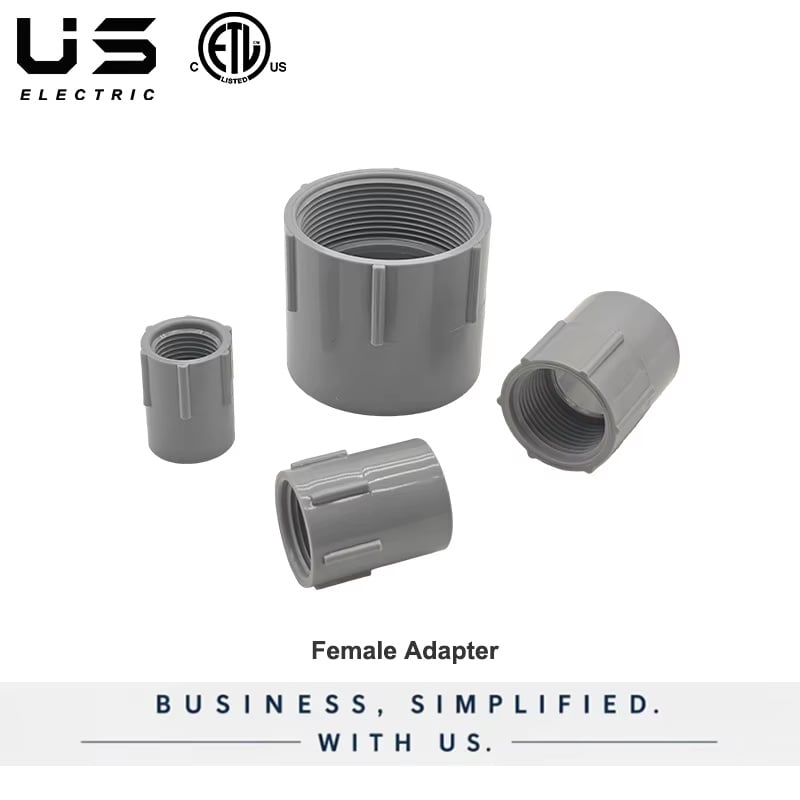
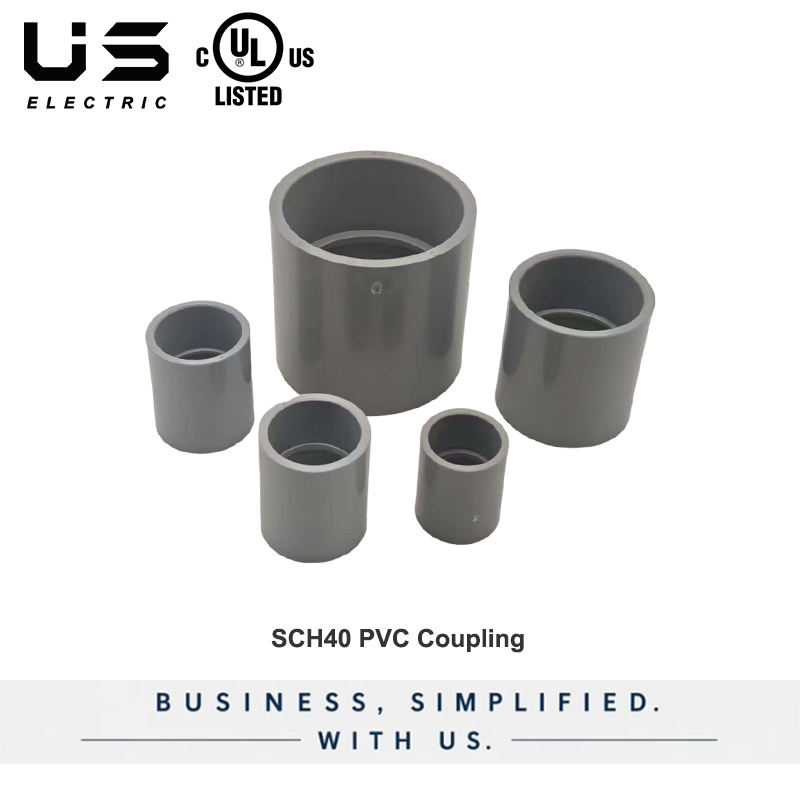
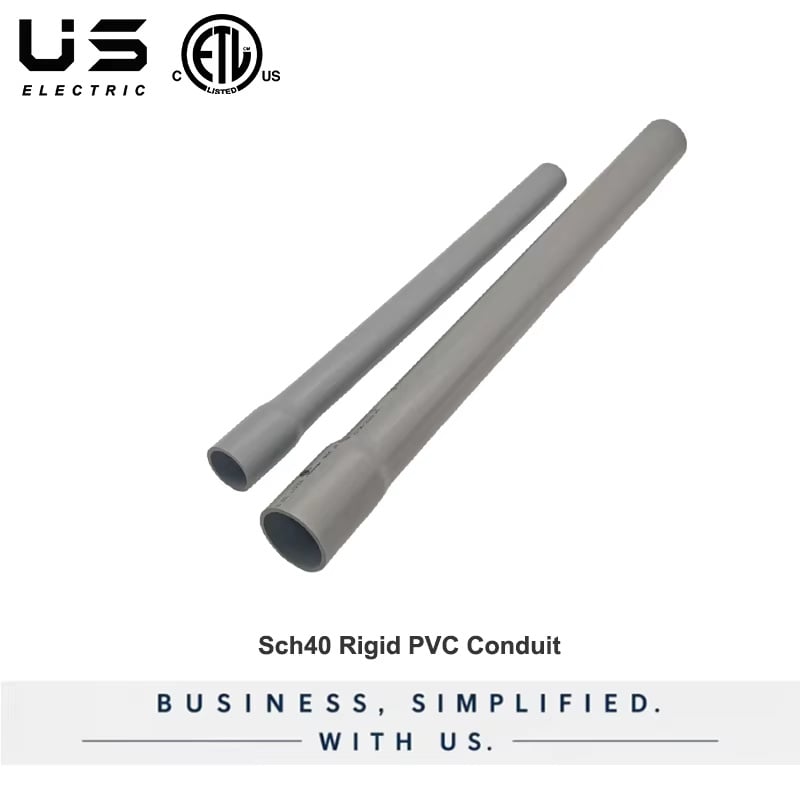
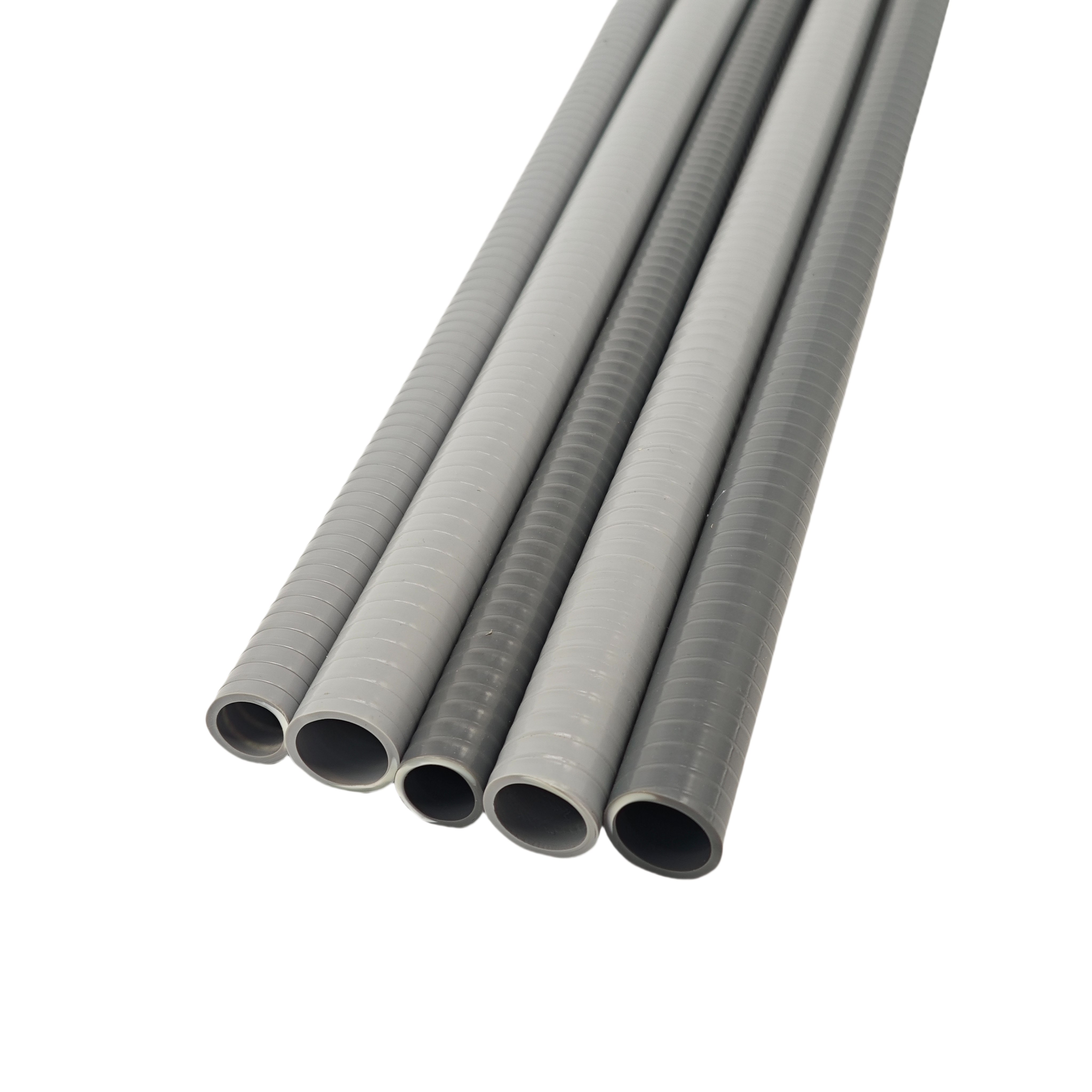
Material Selection: Common conduit materials include PVC, EMT (Electrical Metallic Tubing), and flexible conduits. PVC conduits are lightweight and resistant to corrosion, making them suitable for wet locations. EMT is durable and offers excellent protection against physical damage, while flexible conduits are ideal for applications requiring bending and movement.
Size and Compatibility: Consider the size of the conduit to ensure it accommodates the number of wires and their sizes. The National Electrical Code (NEC) provides guidelines on conduit fill to prevent overheating. Always confirm the compatibility of the conduit with fittings and boxes to ensure a secure installation.
Certifications: Ensure that the conduit meets relevant industry standards such as UL/cUL or ETL/cETL certifications. These certifications indicate that the product has been tested for safety and performance.
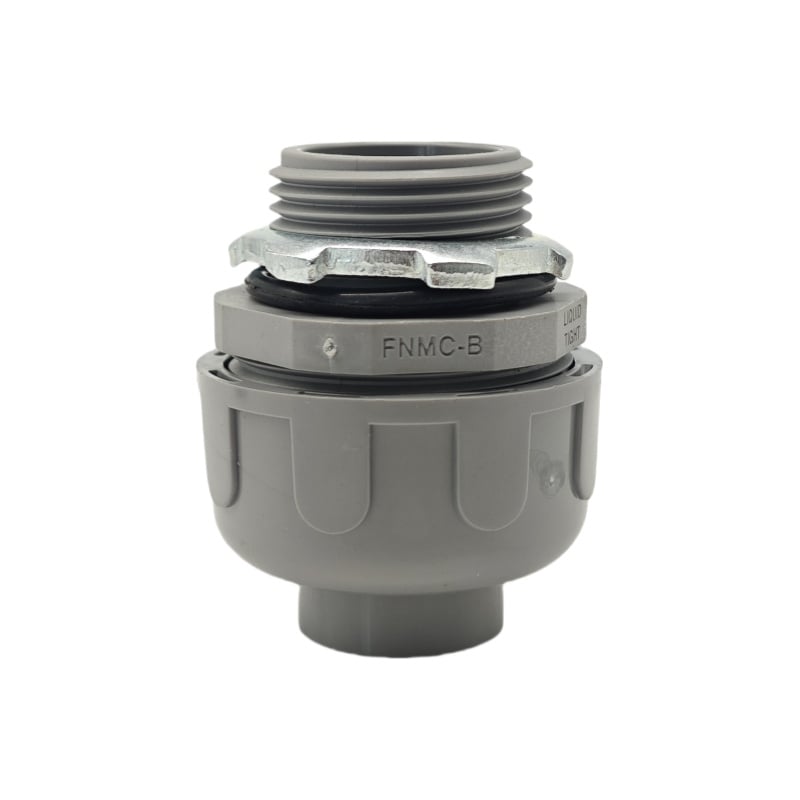
When sourcing Anita conduits, reliability in manufacturing is critical. Look for manufacturers with a proven track record in the electrical equipment industry. A manufacturer like Jiaxing ANT Electrical Co., Ltd., with 14 years of experience and over 1,000 products, offers a broad selection of certified conduit fittings.
Assess Manufacturing Capabilities: Evaluate the manufacturer’s production capacity, quality control processes, and material sourcing. A robust quality assurance system should be in place to ensure consistent product quality.
Customization Options: Check if the manufacturer offers OEM/ODM solutions, which allow for tailored products that meet specific project requirements. This flexibility can be crucial for unique applications or large-scale projects.
Lead Times and Minimum Order Quantities (MOQ): Understand the lead times associated with orders, especially if you have project deadlines. Inquire about the minimum order quantities to ensure they align with your purchasing needs.
Understanding the pros and cons of different conduit types can aid in making an informed choice.
Durability: Metallic conduits, such as EMT, provide excellent protection against physical damage and are suitable for harsh environments.
Corrosion Resistance: Non-metallic options like PVC are resistant to corrosion, making them ideal for wet or chemically aggressive environments.
Flexibility: Flexible conduits can bend easily, allowing for quicker installations in complex layouts.
Cost: Metallic conduits can be more expensive than non-metallic options, which may be a consideration for budget-sensitive projects.
Installation Complexity: Some conduit types, particularly those requiring custom fittings, may complicate installation.
Weight: Metallic conduits tend to be heavier, potentially increasing shipping costs and installation labor.
Even with proper selection, issues can arise when using conduits. Here are some common problems and their solutions:
Problem 1: Improper Installation
Solution: Ensure that installers are trained on the proper techniques for cutting, securing, and sealing conduits. Providing detailed installation guidelines can prevent common errors.
Problem 2: Moisture Ingress
Solution: Use conduits rated for wet locations when necessary, and ensure that all fittings are properly sealed to prevent moisture entry.
Problem 3: Overheating
Solution: Follow the NEC guidelines to avoid overfilling conduits, which can lead to overheating of the wires. Ensure proper spacing and ventilation.
Problem 4: Physical Damage
Solution: In environments where conduits are exposed to potential physical impacts, consider using more robust materials like EMT or adding protective coverings.
The quality of the Anita conduit directly impacts the safety and longevity of the electrical system. Low-quality conduits can lead to several issues, including electrical failures, fire hazards, and increased maintenance costs.
Impact on Safety: High-quality conduits are tested for durability, chemical resistance, and temperature tolerance. Using inferior products can expose systems to risks, particularly in critical applications.
Long-Term Cost Efficiency: Investing in quality conduits may appear more expensive upfront but can result in savings over time due to reduced failure rates and lower maintenance needs. For example, a reliable flexible metal conduit from a certified manufacturer like Jiaxing ANT can minimize the risk of electrical faults, ensuring a safer and more efficient operation.
Compliance with Standards: Quality conduits adhere to industry regulations and standards, ensuring that your installations are compliant and reducing the risk of penalties or rework.
By considering these factors and working with a reputable manufacturer, you can ensure that your conduit selection meets both your project requirements and industry standards effectively.