 EN
Quick Links
Flex conduit is a versatile and essential component in electrical installations, providing protection and routing for electrical wiring. In selecting the right ent flex conduit, B2B buyers such as purchasing managers, engineers, and contractors often face critical concerns regarding material compatibility, application suitability, compliance with industry standards, and overall quality assurance. This article will guide you through the essential considerations for choosing the right flex conduit metal, ensuring you make informed purchasing decisions that meet your project's specific requirements.
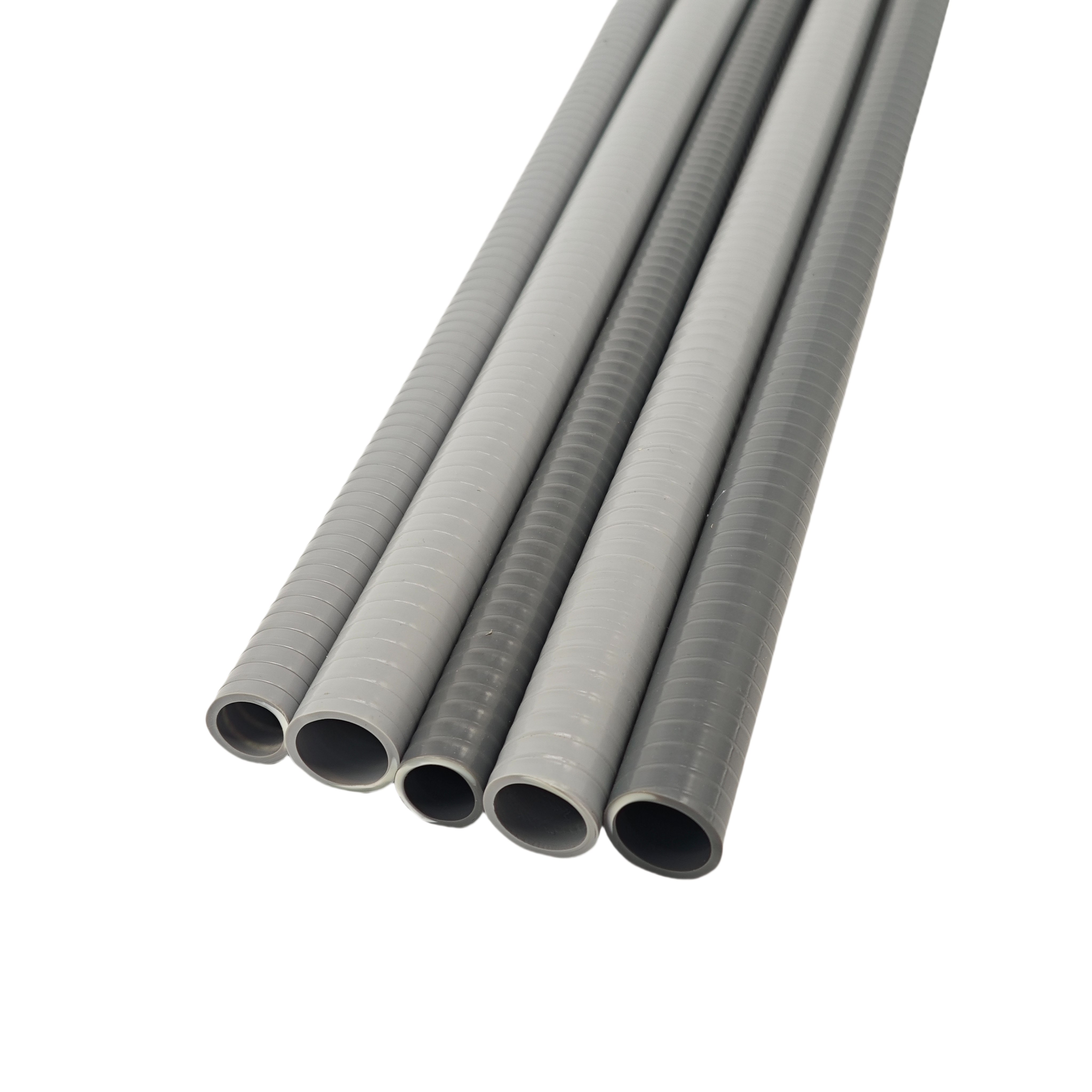
When selecting Anita ent flex conduit, several factors must be evaluated to ensure optimal performance in your specific application. Firstly, consider the material of the conduit. Common options include metallic and non-metallic types, each offering unique advantages. Metallic conduits, such as those made from aluminum or steel, provide superior durability and grounding capabilities, making them ideal for industrial applications. Meanwhile, non-metallic options, often made from PVC or flexible plastic, are lightweight, resistant to corrosion, and suitable for residential installations.
Next, assess the conduit’s dimensions and flexibility. The size of the conduit should accommodate the number and gauge of wires being routed, while flexibility is crucial for installations in tight spaces or complex angles. Additionally, it's important to verify the conduit’s temperature and chemical resistance, especially if it will be exposed to harsh environments or corrosive substances.
Lastly, review any specific regulatory requirements for your project. Compliance with UL, cUL, and ETL standards is essential for safety and reliability. Ensuring that your selected conduit meets these certifications can prevent costly compliance issues down the line.
Quality assurance is a critical aspect of purchasing ent flex conduit. As a manufacturer, Jiaxing ANT Electrical Co., Ltd. emphasizes the importance of sourcing products that meet stringent quality control processes. Before making a purchase, request detailed information regarding the manufacturing process and the quality certifications that the liquid tight flex conduit possesses.
For electrical components, compliance with industry standards is non-negotiable. Products that have been certified by recognized bodies, such as UL and ETL, have undergone rigorous testing for safety and performance. Buyers should always verify that any conduit they consider purchasing displays these certifications, ensuring that it adheres to the highest safety standards.
Furthermore, consider conducting your own quality inspections. Request samples and evaluate their physical properties, such as thickness and flexibility, to ensure they meet your project specifications. This proactive approach can help mitigate risks associated with subpar materials and designs.
Sourcing high-quality Anita ent flex conduit requires identifying reliable suppliers who can meet your specific needs, especially for wholesale orders. Jiaxing ANT Electrical Co., Ltd. stands out as a credible manufacturer with over 14 years of experience in producing a diverse range of electrical products, including flex conduits. Engaging with manufacturers who have a proven track record can facilitate easier communication and more reliable supply chains.
When sourcing, inquire about minimum order quantities (MOQs), as these can vary significantly among suppliers. A supplier's production capacity should also be assessed to ensure they can meet your demands without delays. Additionally, evaluate their customization capabilities, as being able to tailor products to specific requirements can enhance the functionality of your installations.
Building relationships with your suppliers is crucial. Establish clear lines of communication regarding pricing structures, lead times, and shipping arrangements. Understanding these factors will allow you to negotiate better terms and ensure timely deliveries.
To maximize the performance of ent flex conduit, consider the installation environment and application requirements. The conduit should be compatible with the electrical systems it will protect, including any specific insulation or temperature ratings needed for your project's conditions. For example, if the conduit will be used in an outdoor setting, ensure that it has appropriate UV resistance and is rated for outdoor use.
Proper installation techniques are also critical. Ensure that the conduit is installed according to the manufacturer’s guidelines, paying close attention to any bending radii or securing methods specified. Failure to adhere to installation standards can lead to premature failure or safety hazards.
Lastly, conduct periodic inspections and maintenance of installed conduits. Look for signs of wear, damage, or improper installation, as these issues can significantly affect performance over time.
While Anita ent flex conduit is designed to be robust, common issues can arise during installation and use. One prevalent problem is improper bending or installation, which can lead to kinks or breaks in the conduit. To avoid this, always follow the manufacturer's recommendations for bend radii and use appropriate tools to assist with installation.
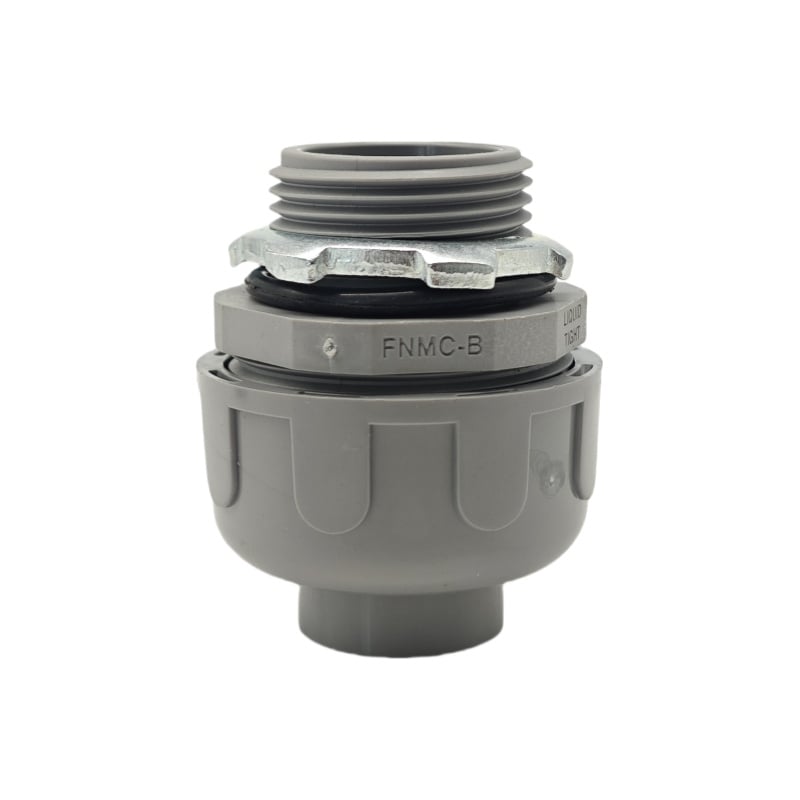
Another challenge is compatibility with other electrical components. Ensure that the conduit fittings and connectors are designed to work seamlessly with the conduit type you are using. Mismatched components can lead to loose connections or water ingress, which poses safety risks.
Lastly, address any environmental concerns that could impact the conduit’s longevity. For instance, if the electrical flex conduit will be exposed to high temperatures or corrosive chemicals, ensure that the chosen material is suited for these conditions. Regularly monitoring the installation for signs of degradation can help catch problems early and maintain system integrity.
By understanding these common challenges and implementing proactive solutions, buyers can ensure the long-term success of their electrical installations.