EN
Quick Links
Choosing the right electrical pipes and fittings is crucial for ensuring safety, efficiency, and durability in various applications. As a manufacturer with 14 years of experience, Jiaxing ANT Electrical Co., Ltd. provides high-quality electrical components that meet stringent industry standards. This article will guide you through selecting the right products, evaluating specifications, understanding cost factors, addressing installation challenges, and comparing quality standards, helping you make informed purchasing decisions in your projects.
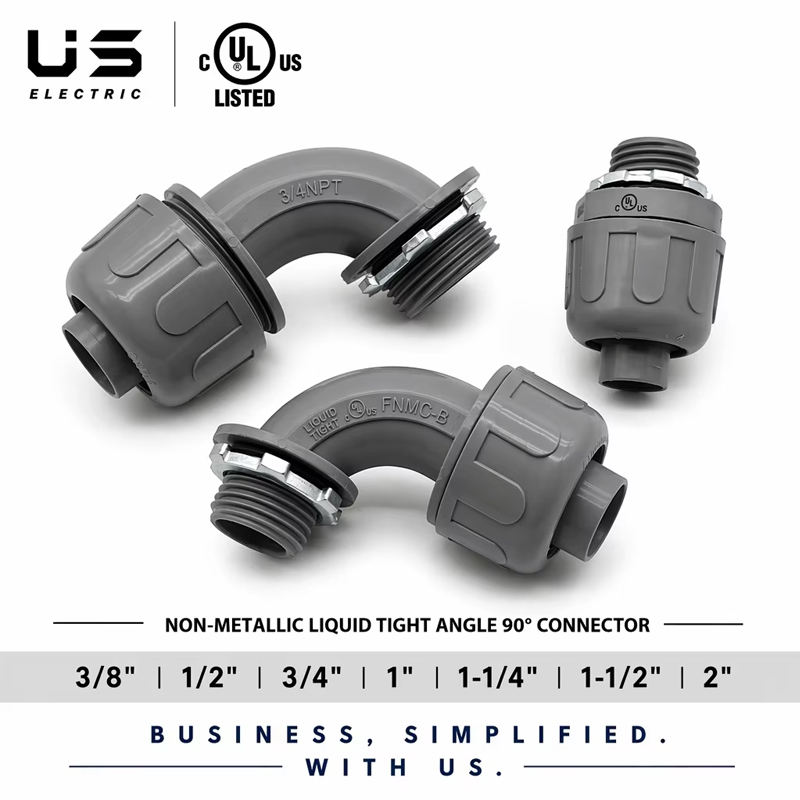
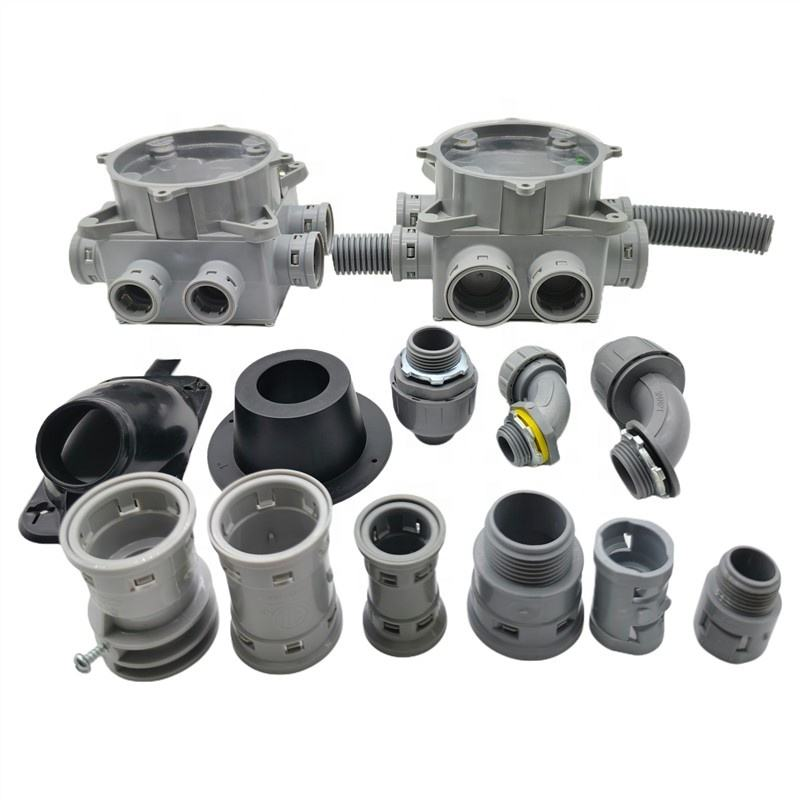
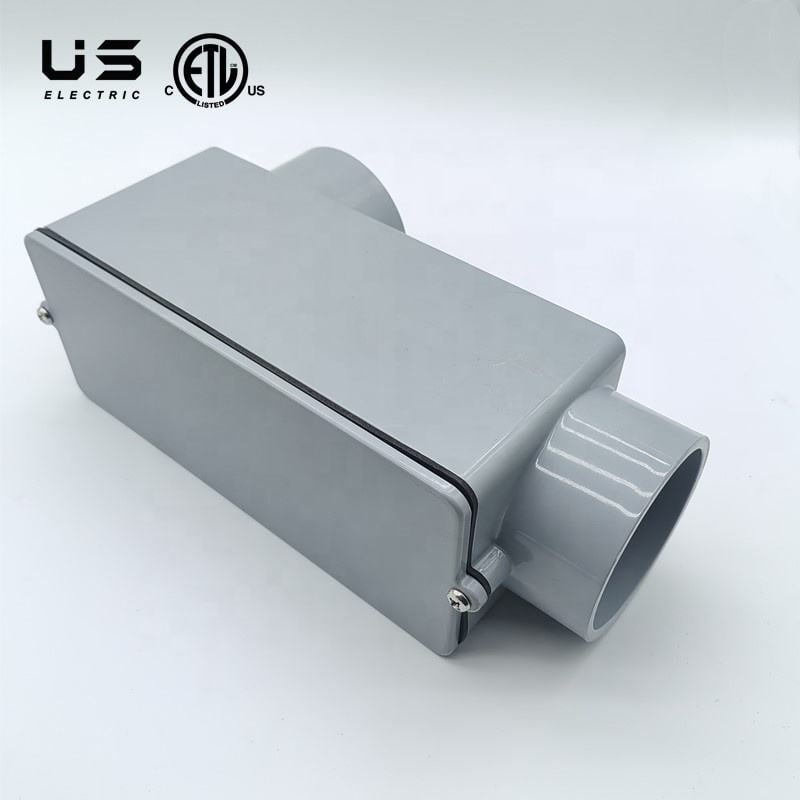
Selecting the appropriate electrical fittings involves assessing several key factors. First, consider the specific application of the fittings. For example, are you using them in a residential or commercial setting? The environment in which the fittings will be installed—such as exposure to moisture or chemicals—can also dictate the material selection.
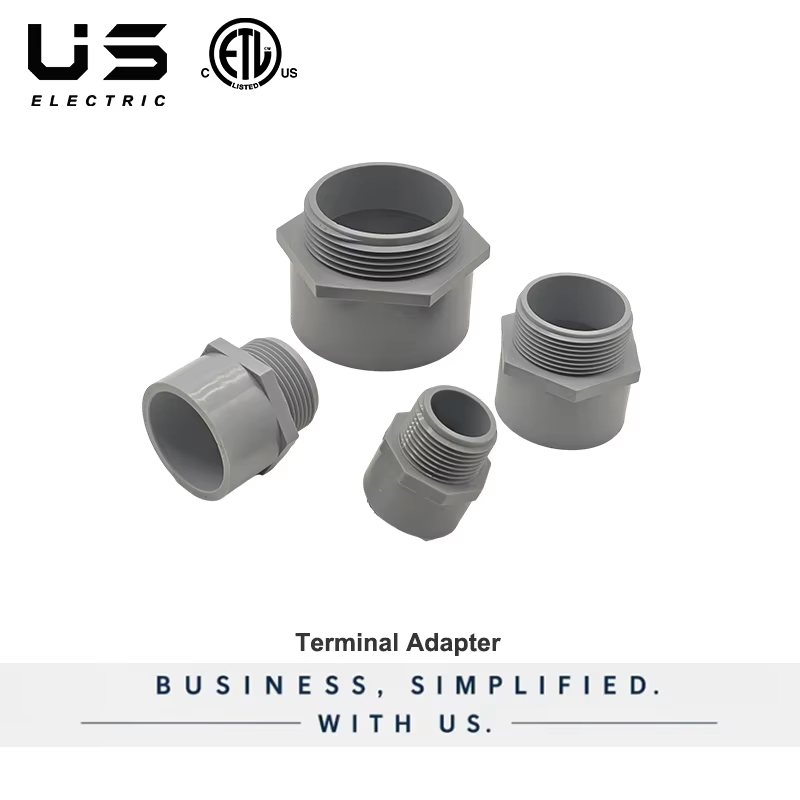
Next, evaluate compatibility with existing systems. It's essential to ensure that the electrical fittings and pipes you choose can seamlessly integrate with current electrical infrastructure. For instance, if you are retrofitting older buildings, the dimensions and threading of fittings may vary from modern standards.
Finally, take into account any customization needs. At Jiaxing ANT Electrical Co., Ltd., we offer OEM/ODM solutions that allow you to tailor products to your specifications, ensuring optimal performance and compliance with local regulations.
When assessing electrical pipes and fittings, several specifications should be prioritized:
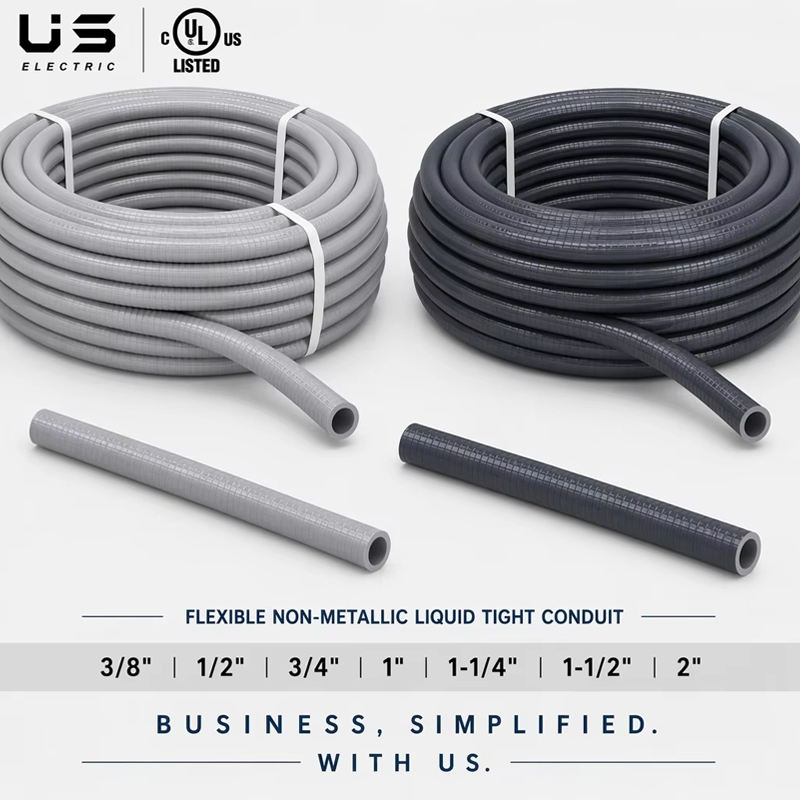
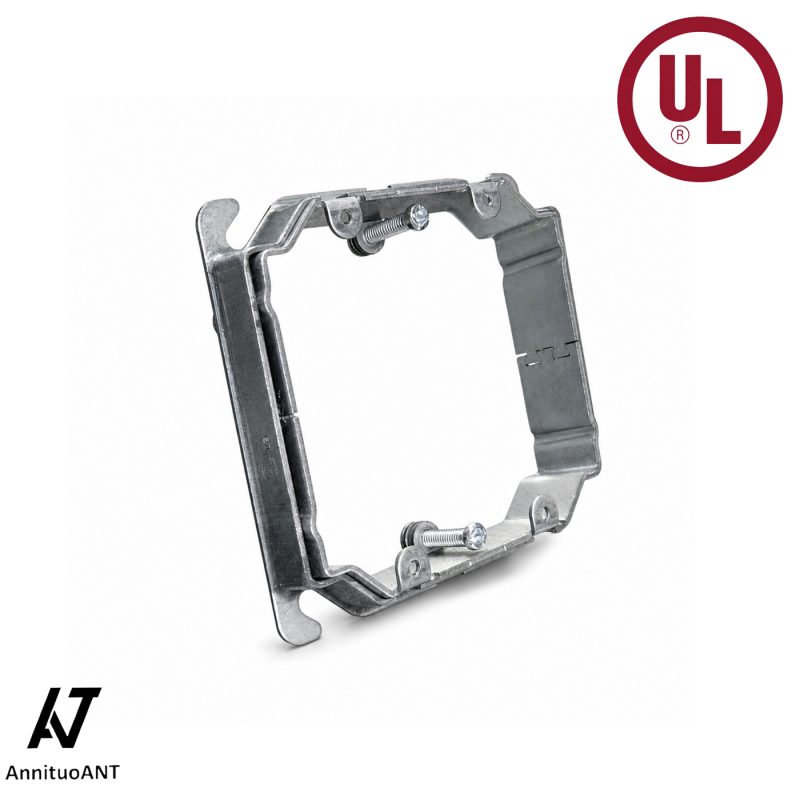
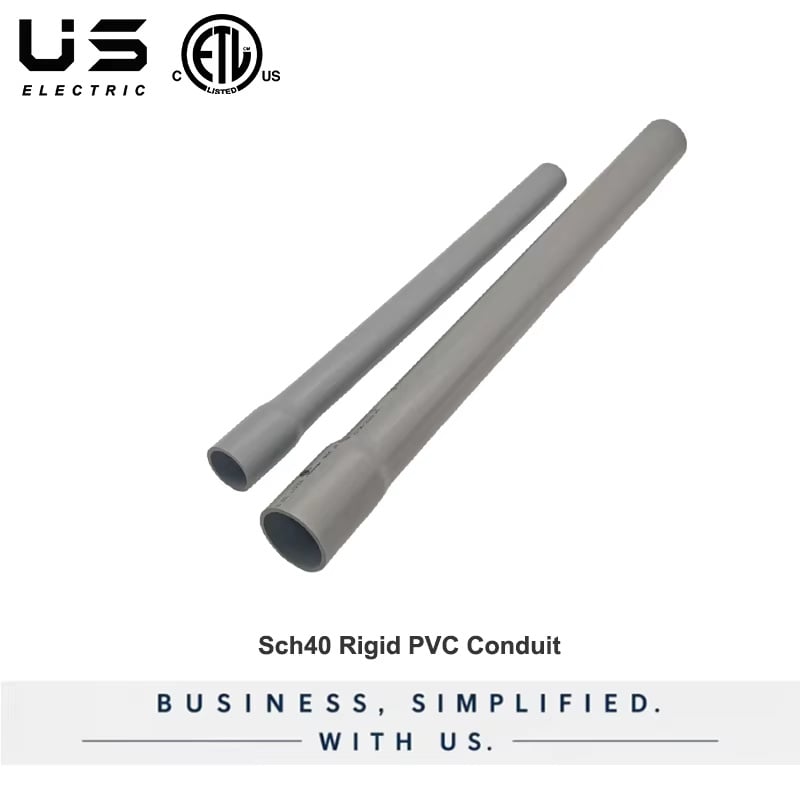
Material: Common materials include PVC, metal (steel or aluminum), and fiberglass. Each material has its advantages; for example, PVC is lightweight and resistant to corrosion, while metal offers higher durability and load-bearing capacity. For high-quality options, consider our 1 Gang Adjustable Mud Rings which provide excellent durability.
Dimensions: Accurate dimensions are critical to ensure a proper fit. Misalignment can lead to installation issues or even system failures. Always cross-reference dimensions with industry standards to avoid complications.
Certification: Look for products that meet UL/cUL or ETL/cETL standards, as these certifications indicate compliance with safety and performance requirements. This is crucial for ensuring the reliability of your electrical systems.
Sealing and Protection: Evaluate the sealing methods used in fittings to ensure they provide adequate protection against moisture and dust. Effective sealing prevents potential failures and enhances longevity.
By paying attention to these specifications, you can ensure that the electrical fittings you choose will perform well in their intended applications.
Understanding the cost factors involved in purchasing electrical pipes and fittings is essential for effective budgeting.
Material Costs: The choice of material directly impacts pricing. For instance, metal fittings may be more expensive than plastic options but could offer superior durability and performance in demanding environments.
Volume and MOQ: Most manufacturers, including Jiaxing ANT Electrical Co., Ltd., have minimum order quantities (MOQ). Bulk purchases typically reduce the unit price, providing cost savings for larger projects. For instance, our US Canadian Standards Metal Junction Box is a great bulk option.
Customization: Custom fittings often incur additional costs due to tooling and design changes. However, these expenses can be justified if they lead to improved compatibility and functionality in your projects.
Shipping and Handling: Consider logistics costs, especially if sourcing from overseas. Shipping times and methods can also affect your overall project timeline and budget.
By analyzing these factors, you can better anticipate the total costs associated with your electrical components.
Installation of electrical pipes and fittings can present various challenges. Recognizing potential issues beforehand can help mitigate risks:
Alignment Issues: Improper alignment during installation can lead to leaks or system failures. To avoid this, ensure all measurements are precise and double-check connections before securing them.
Material Compatibility: Using incompatible materials can result in corrosion or failure at junctions. Always verify compatibility between different types of fittings and pipes, especially when transitioning between materials.
Environmental Conditions: Extreme temperatures or moisture can affect installation. For instance, PVC may become brittle in cold conditions, while metal fittings may expand or contract with temperature fluctuations. Select materials suited for the specific environmental conditions of your project.
Insufficient Tools: Not having the correct tools can hinder installation efficiency. Ensure that your team is equipped with the necessary tools for cutting, fitting, and sealing pipes and fittings properly.
By preparing for these challenges, you can enhance the installation process and reduce the likelihood of costly errors.
Quality standards are a critical consideration when selecting electrical pipes and fittings, as they directly affect performance and safety.
Certification Bodies: Familiarize yourself with certification standards such as UL/cUL and ETL/cETL. These certifications ensure that products have been rigorously tested for safety and reliability.
Manufacturing Processes: Investigate the manufacturing processes employed by suppliers. Companies like Jiaxing ANT Electrical Co., Ltd. utilize advanced manufacturing techniques and quality control processes to maintain high standards.
Material Specifications: Review the material specifications outlined by the manufacturer. High-quality materials should meet or exceed industry standards for strength, durability, and resistance to environmental factors.
Testing Procedures: Inquire about the testing procedures used to ensure product quality. A reputable manufacturer will have a comprehensive quality assurance program that includes regular testing and inspection.
By diligently comparing these quality standards, you can choose products that align with your project requirements and ensure long-lasting performance.
By considering these aspects, you can make informed decisions when purchasing electrical pipes and fittings, ensuring that the products you select meet your project needs and industry standards.