EN
Quick Links
Electrical gang boxes are essential components in electrical installations, designed to house and protect electrical connections and outlets. For B2B buyers, including purchasing managers and project managers, understanding the specifications and application of electrical gang boxes is crucial for ensuring safety, compliance, and functionality. This article will delve into the specifications of electrical gang boxes, how to select the right type for your project, sourcing considerations, supplier tips, and the advantages of various materials used in these products.
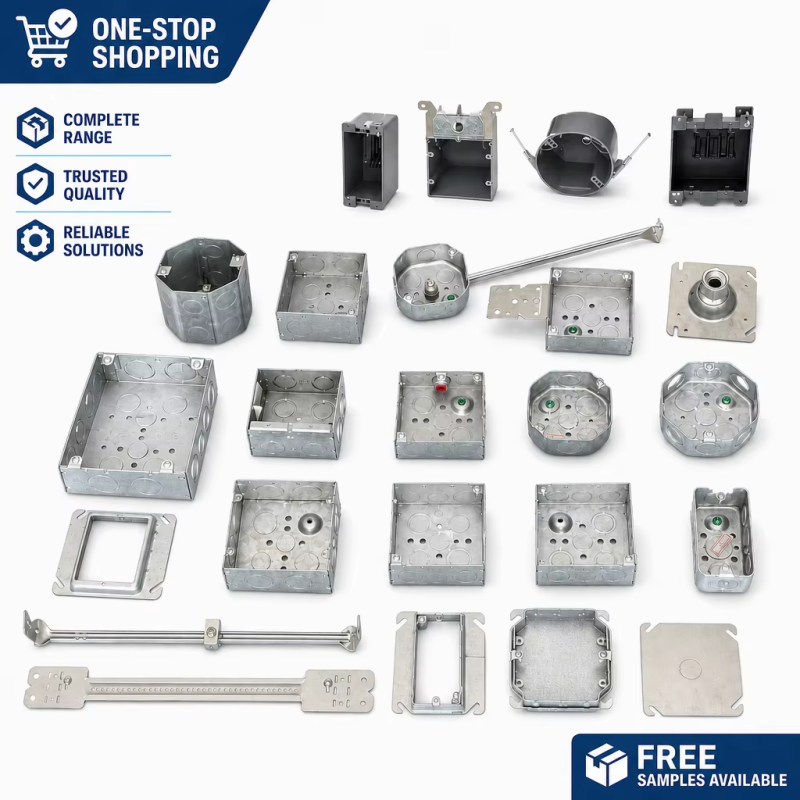
Electrical gang boxes come in various specifications that dictate their suitability for specific applications. Key specifications include dimensions, material, and type of installation.
Dimensions: The size of the gang box impacts its capacity to hold multiple wires and devices. Common sizes include single, double, and triple gang boxes. It’s essential to select a size that accommodates the number of switches or outlets required while ensuring compliance with local electrical codes.
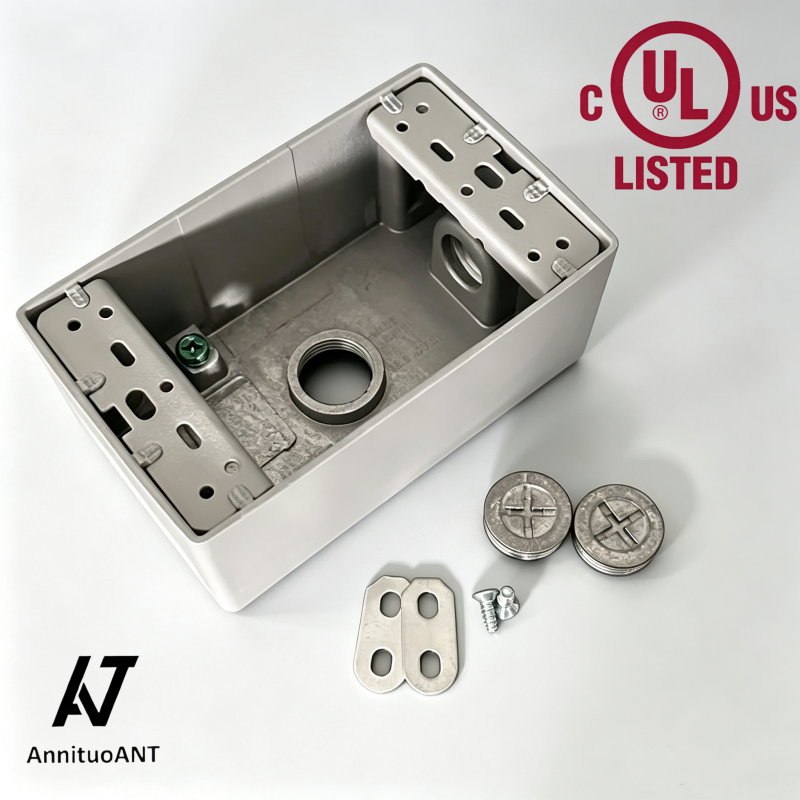
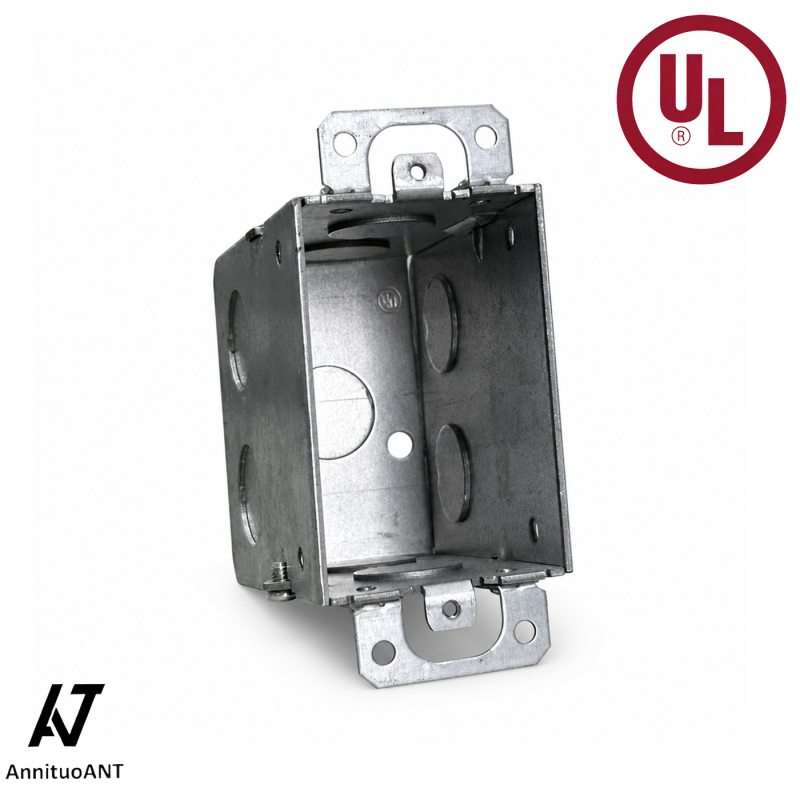
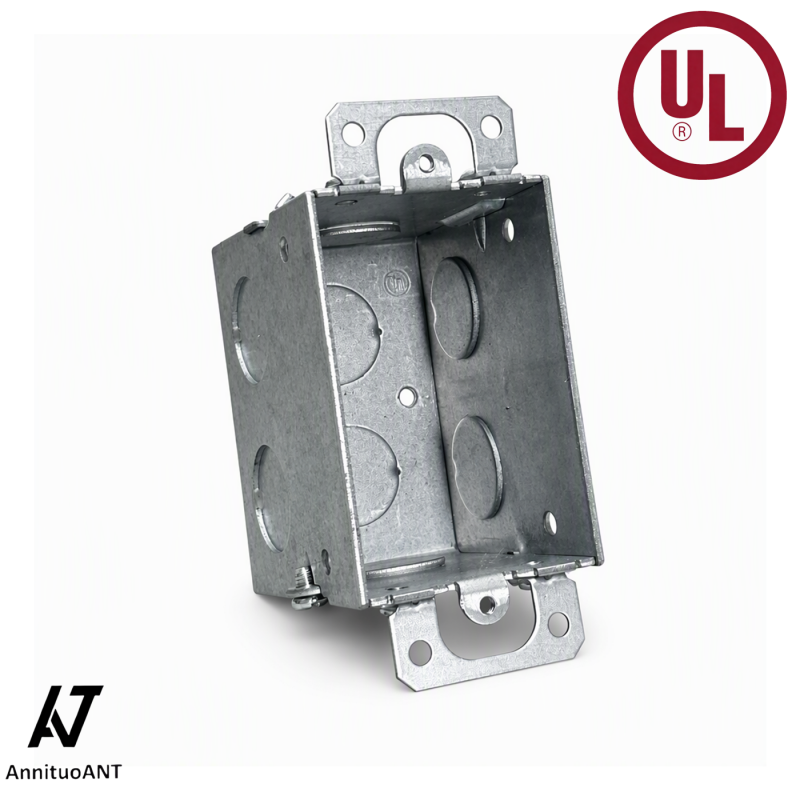
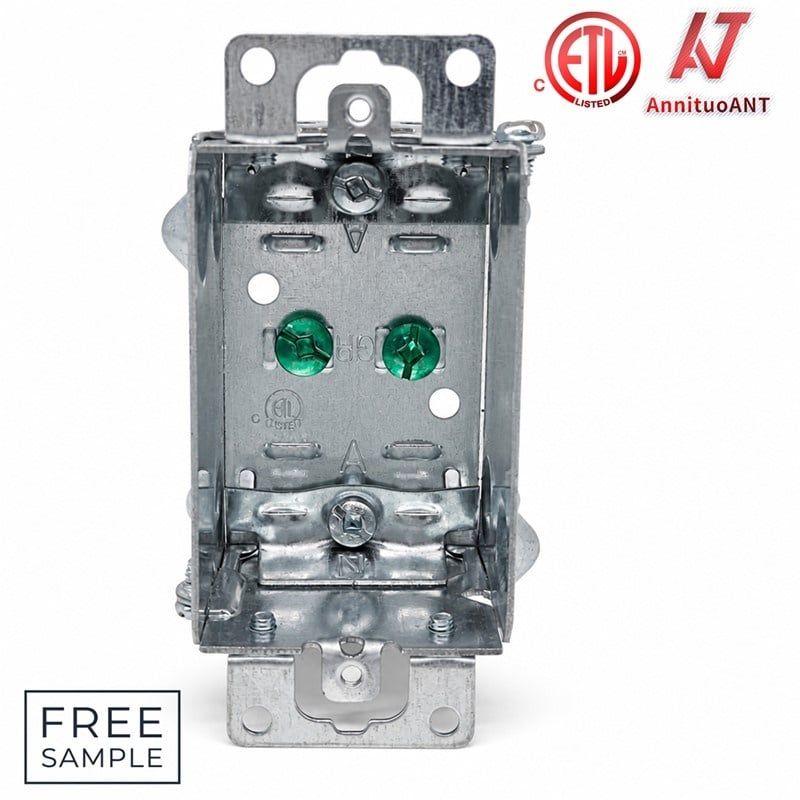
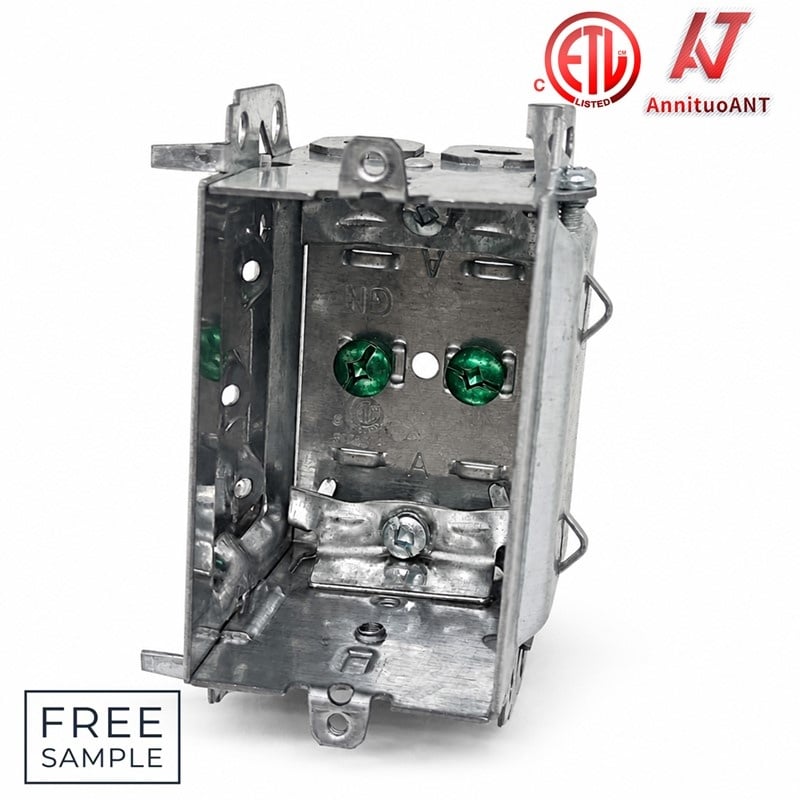
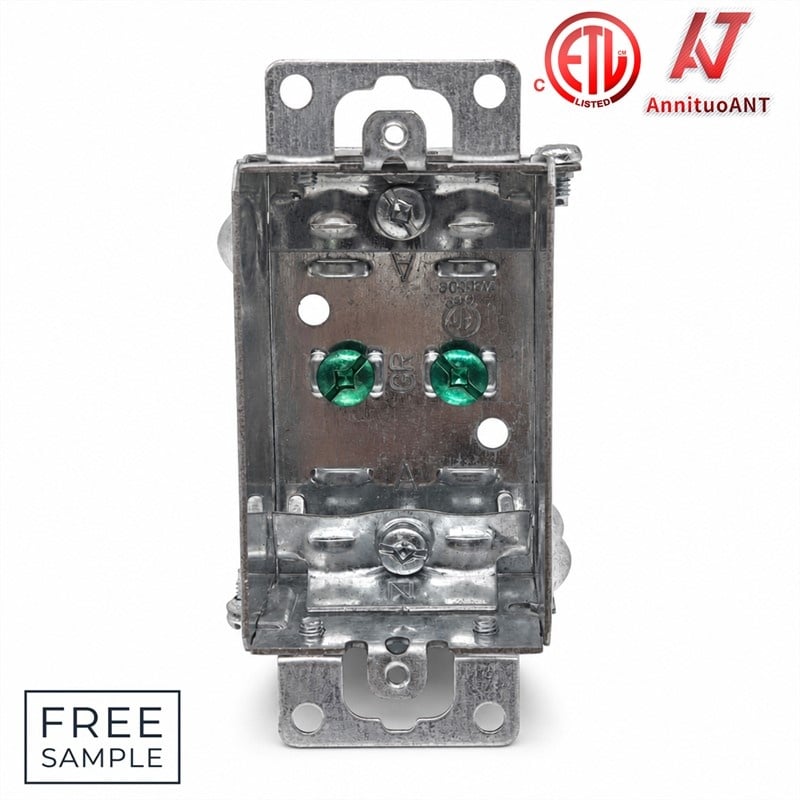
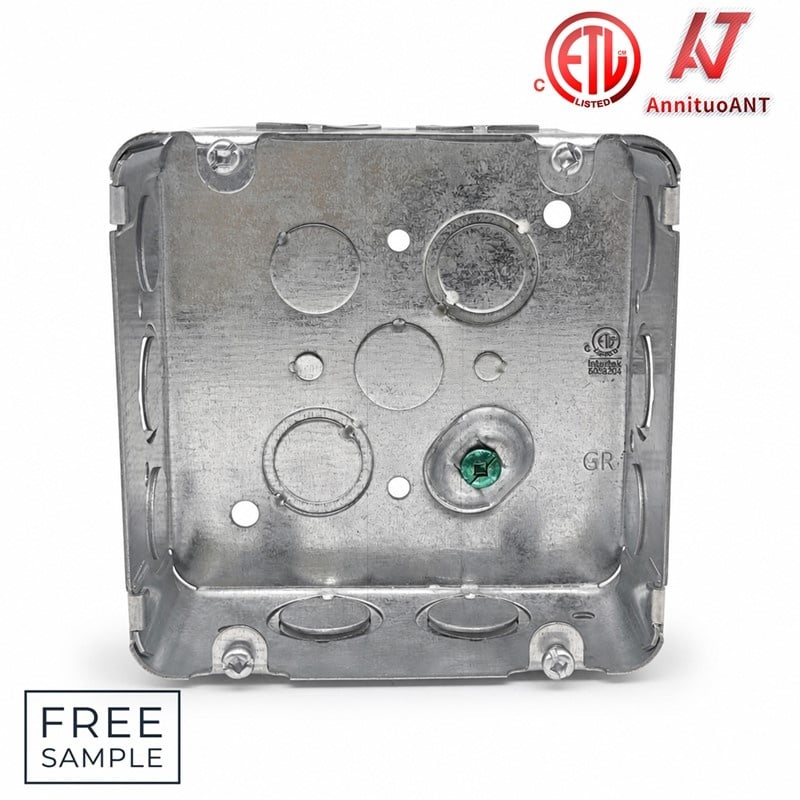
Material: Gang boxes are typically made from plastic (non-metallic) or metal (usually steel or aluminum). Non-metallic boxes are lighter and easier to install, making them suitable for residential applications, whereas metal boxes offer enhanced durability and grounding capabilities, making them ideal for commercial settings. When considering materials, it may also be beneficial to explore options like Nonmetallic Liquid-tight Conduit & fittings for specific applications.
Installation Type: Gang boxes can be either flush-mounted or surface-mounted. Flush-mounted boxes are installed within the wall, providing a clean finish, while surface-mounted boxes are visible and easier to access, often used in industrial environments or temporary setups.
Understanding these specifications helps buyers evaluate the right gang box for their application and ensures that they meet safety standards and functionality requirements.
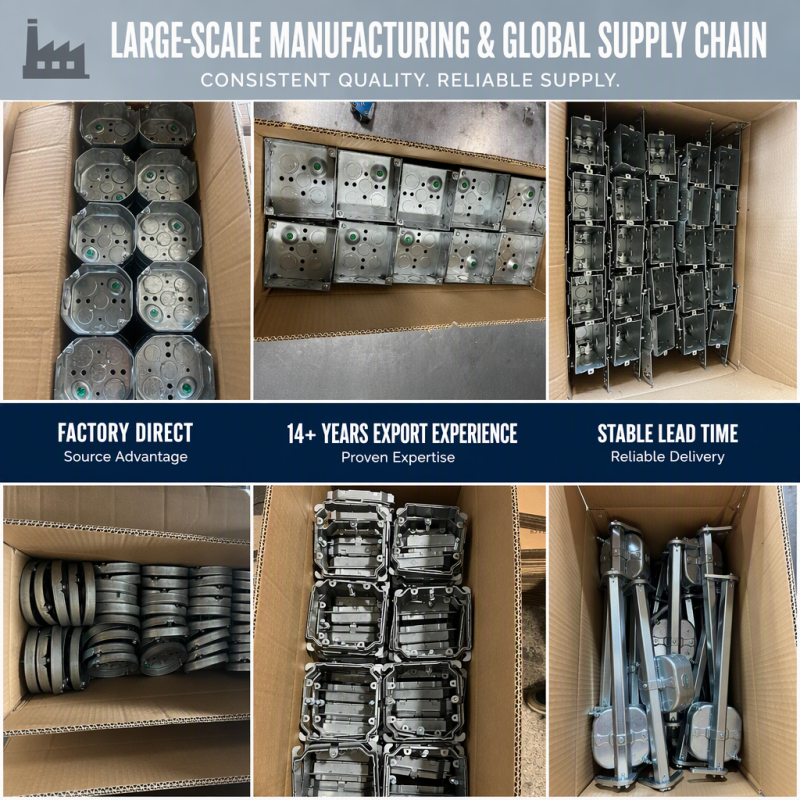
Choosing the right electrical gang box involves several considerations that align with project requirements.
Application Environment: Assess whether the installation is for residential, commercial, or industrial use. For outdoor or wet environments, ensure the gang box is rated for moisture resistance.
Electrical Load: Evaluate the anticipated electrical load. For high-load applications, metal gang boxes may be more suitable due to their durability and grounding properties. Additionally, consider using Metallic options for enhanced performance in demanding environments.
Local Codes and Standards: Compliance with local electrical codes is non-negotiable. Check regulations regarding materials, installation methods, and safety standards to avoid penalties or safety hazards.
Future Expansion: Consider selecting a gang box that allows for future expansion. Choosing a larger box can accommodate additional wiring or devices without the need for future replacements.
By carefully considering these factors, buyers can make informed decisions that ensure safety, compliance, and operational efficiency in their electrical installations.
Efficient sourcing of electrical gang boxes is crucial for project timelines and budget management. Here are a few strategies:
Identify Your Needs: Before reaching out to suppliers, clearly define your requirements, including the type, material, quantity, and delivery timelines. This will streamline the RFQ process.
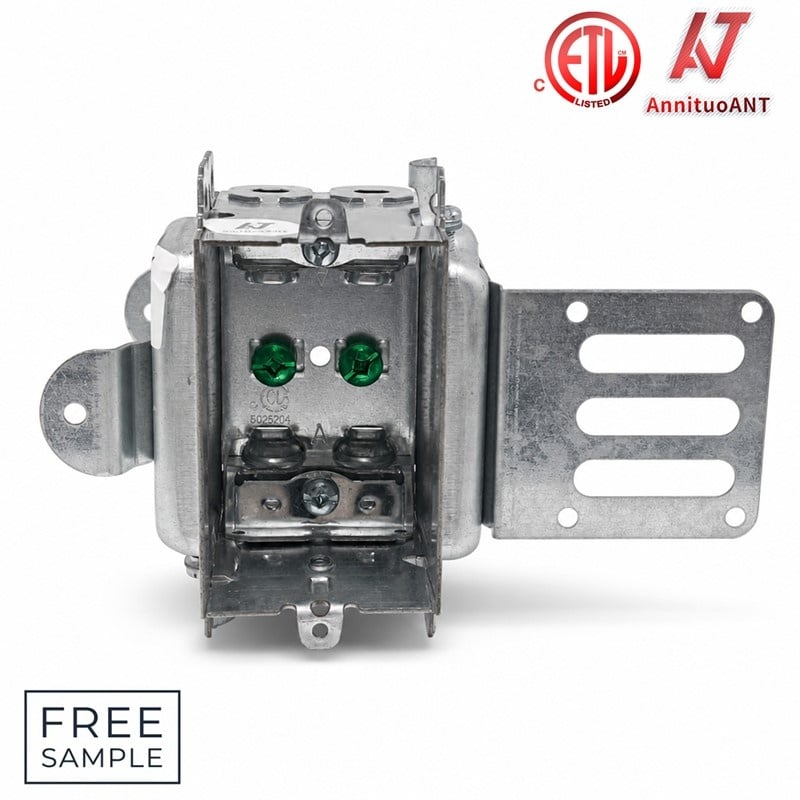
Supplier Research: Look for manufacturers with a proven track record in electrical products. Check for certifications such as UL/cUL and ETL/cETL, which indicate compliance with stringent safety standards.
Request Samples: Before committing to a large order, request samples to assess the quality and suitability of the gang boxes for your specific application. This step is critical in avoiding potential issues during installation.
Negotiate Terms: Discuss pricing, minimum order quantities (MOQ), and lead times upfront. Understanding these terms can help you avoid unexpected costs or delays.
By taking these steps, buyers can ensure they are sourcing high-quality electrical gang boxes that meet their project's specific needs.
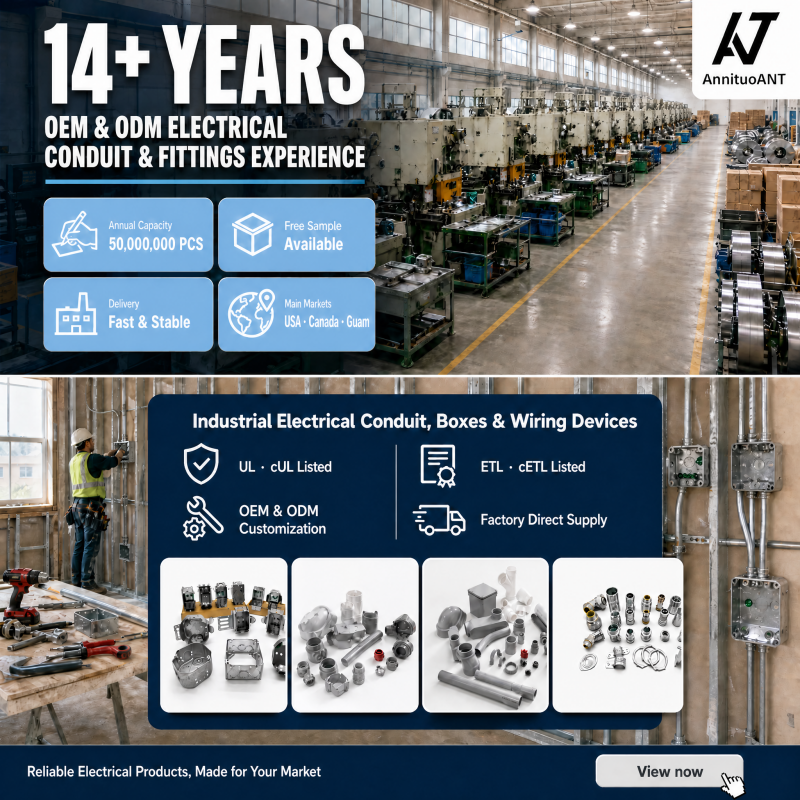
When evaluating suppliers for electrical gang boxes, consider the following:
Reputation and Reliability: Choose suppliers with a strong reputation in the industry. Look for reviews or testimonials from previous clients to gauge their reliability and quality.
Customization Capabilities: If your project requires specific sizes or features, select a supplier capable of customization. This can include unique dimensions, materials, or finishes to meet your project needs.
Post-Sale Support: Evaluate the level of customer service and support offered by the supplier. A supplier that provides technical assistance and guidance post-sale can be invaluable in resolving any issues that arise.
Quality Control Processes: Inquire about the supplier's quality control measures. A rigorous testing process ensures that the products meet safety standards and perform as expected.
By carefully selecting a supplier based on these factors, buyers can mitigate risks and ensure a smoother procurement process.
The material used in electrical gang boxes significantly influences their performance and application.
Plastic (Non-Metallic) Gang Boxes: These boxes are lightweight, resistant to corrosion, and generally easier to install. They are ideal for residential applications where moisture exposure is minimal. Additionally, non-metallic boxes are non-conductive, reducing electrical hazard risks.
Metal Gang Boxes: Typically made from galvanized steel or aluminum, metal boxes are more durable and provide better grounding. They are suitable for commercial and industrial environments, especially where electrical loads are higher. Metal boxes can also offer better protection against physical impact and environmental factors.
Hybrid Options: Some manufacturers offer hybrid gang boxes that combine the benefits of both materials. For instance, a metal box with a non-metallic cover can provide the strength of metal while minimizing weight and corrosion risks.
Understanding the material advantages helps buyers select the right gang box based on the specific requirements of their projects, ensuring both safety and functionality.
In summary, electrical gang boxes are critical components in electrical systems, and understanding their specifications, selection criteria, sourcing strategies, supplier options, and material advantages is essential for B2B buyers. By applying these insights, purchasing managers and project leaders can make informed decisions that enhance the efficiency and safety of their electrical installations.