EN
Quick Links
Gang boxes are essential components in electrical installations, acting as junctions where electrical wires connect and facilitating safe connections in both residential and commercial applications. For B2B buyers, particularly purchasing managers, engineers, and product managers, understanding the specifications, costs, materials, and installation processes associated with gang boxes is crucial for making informed purchasing decisions. This article delves into these key aspects, ensuring readers gain the insights necessary for effective sourcing and application of plastic electrical boxes.
When evaluating Anita gang boxes for purchase, several key specifications should be prioritized. These include:
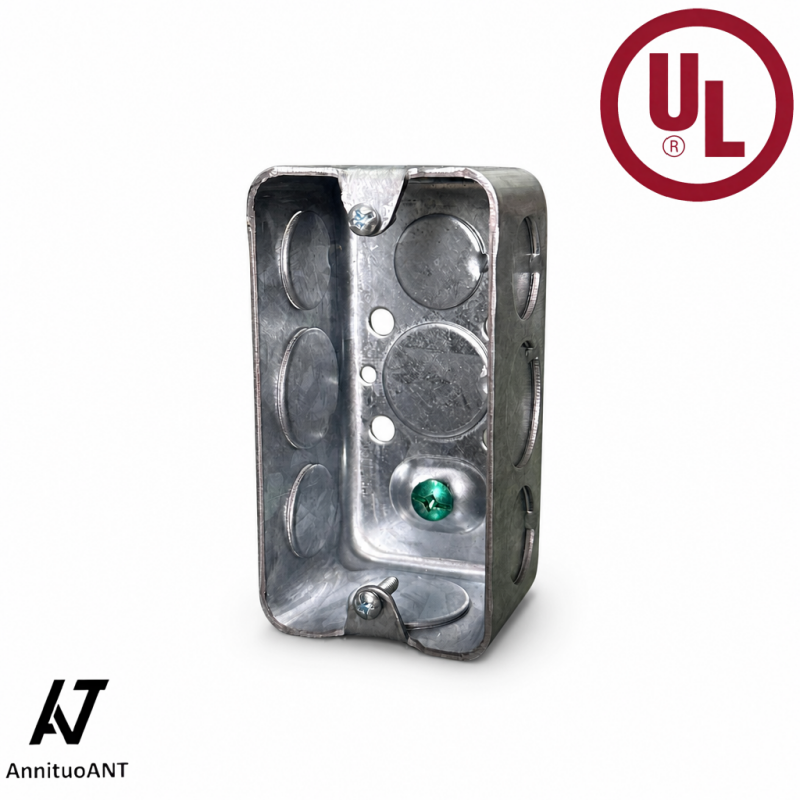
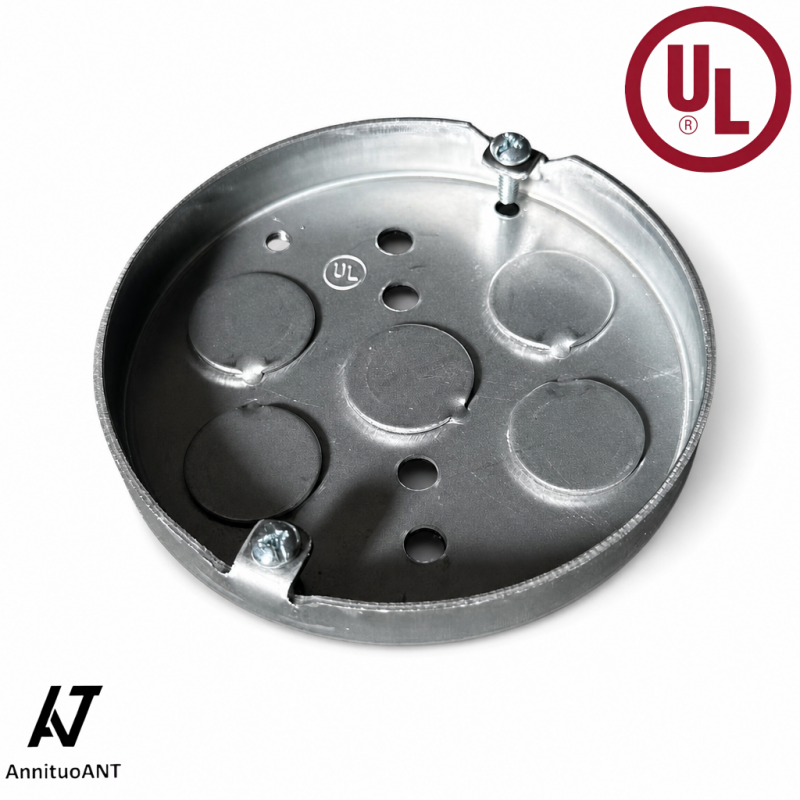
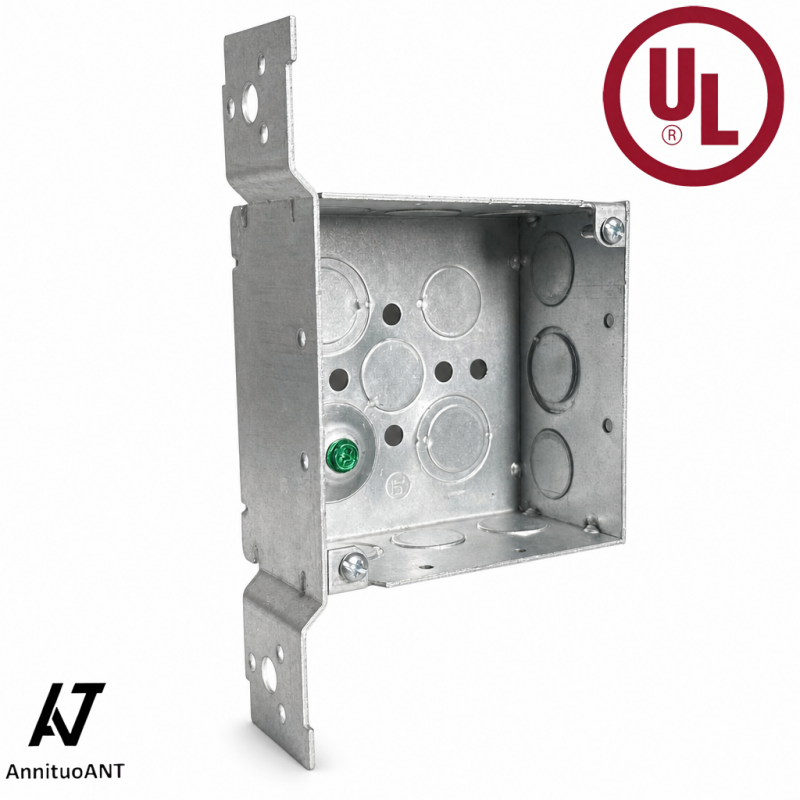
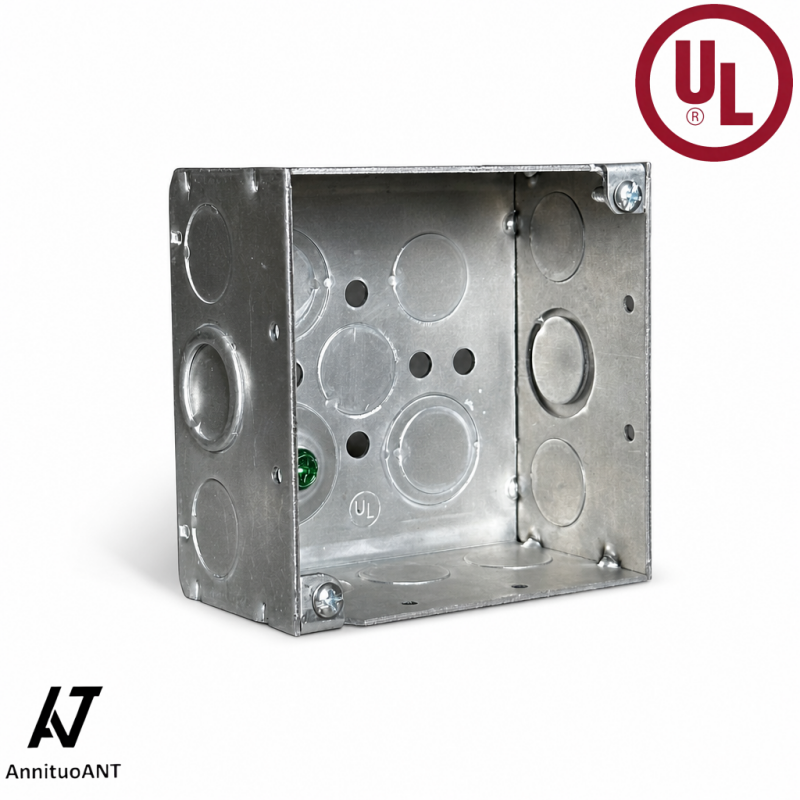
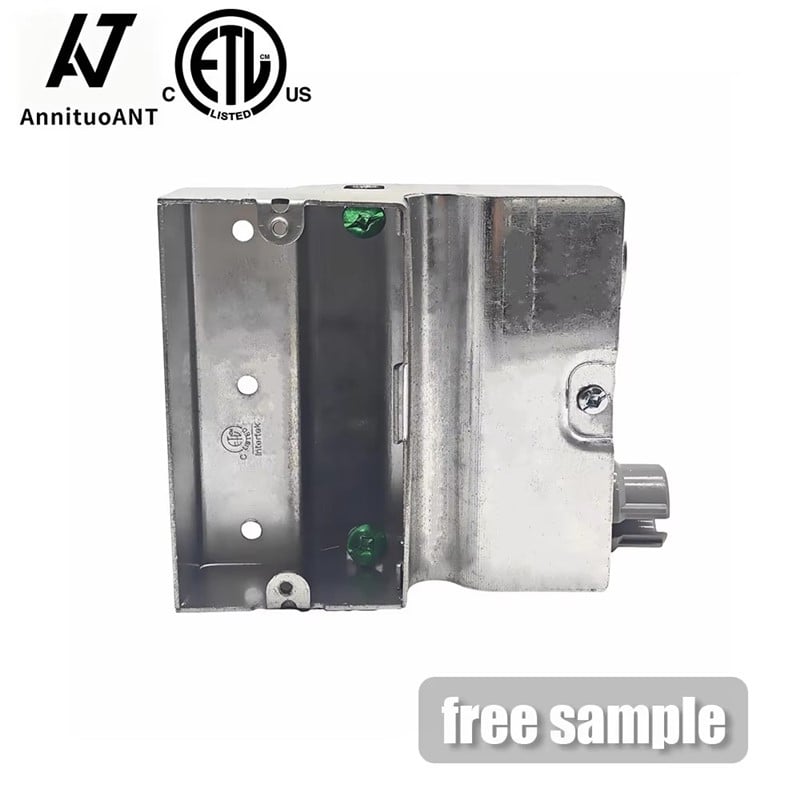
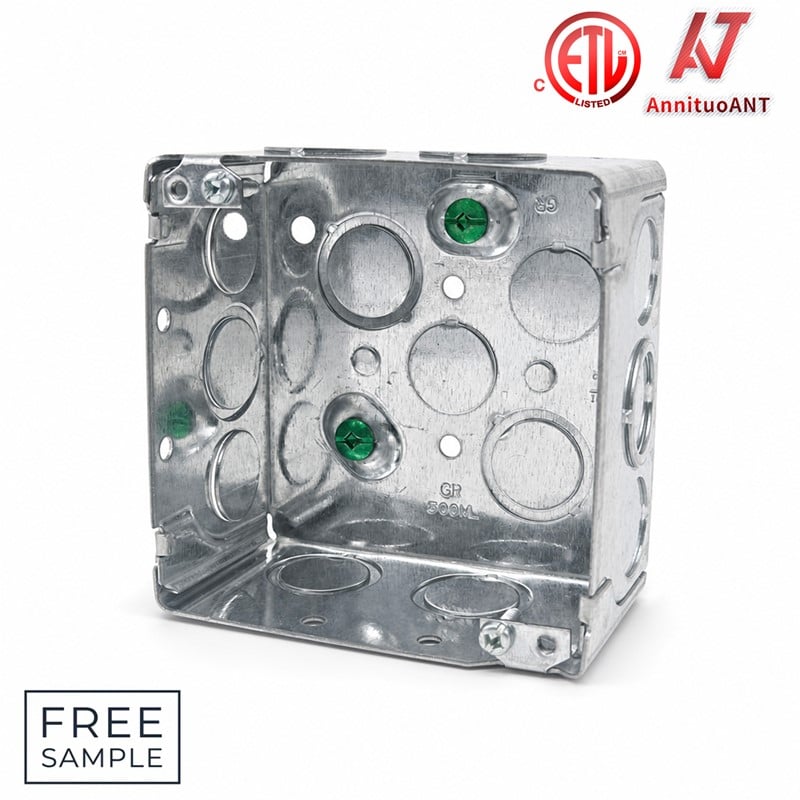
Material Composition: Gang boxes are typically made from either metallic or non-metallic materials. Metallic boxes, often constructed from steel or aluminum, provide durability and grounding capabilities, making them suitable for heavy-duty applications. Non-metallic options, usually made from PVC or fiberglass, are lighter, resistant to corrosion, and often favored for residential use.
Size and Configuration: Gang boxes come in various sizes and configurations (single, double, or multi-gang). The choice of size depends on the number of circuits and the space available in the installation area. It's essential to ensure that the selected size accommodates the wiring and devices to be installed.
Depth and Volume: The depth of the gang box affects its capacity to house wires and devices. A deeper box can provide more space for wiring, which is critical in complex installations. Make sure to measure the installation area and consider the volume required for safe and efficient wiring.
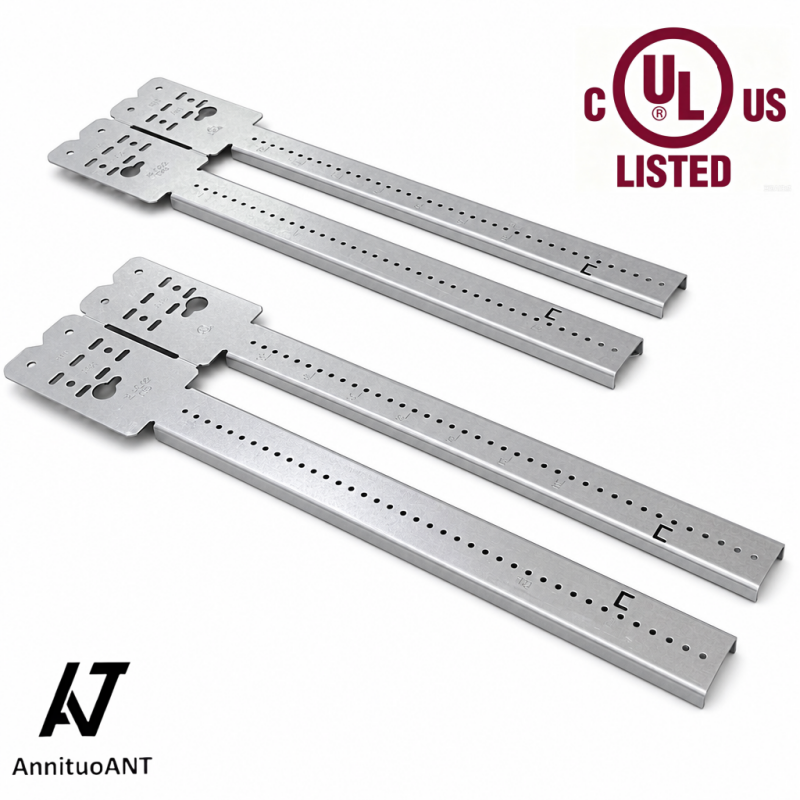
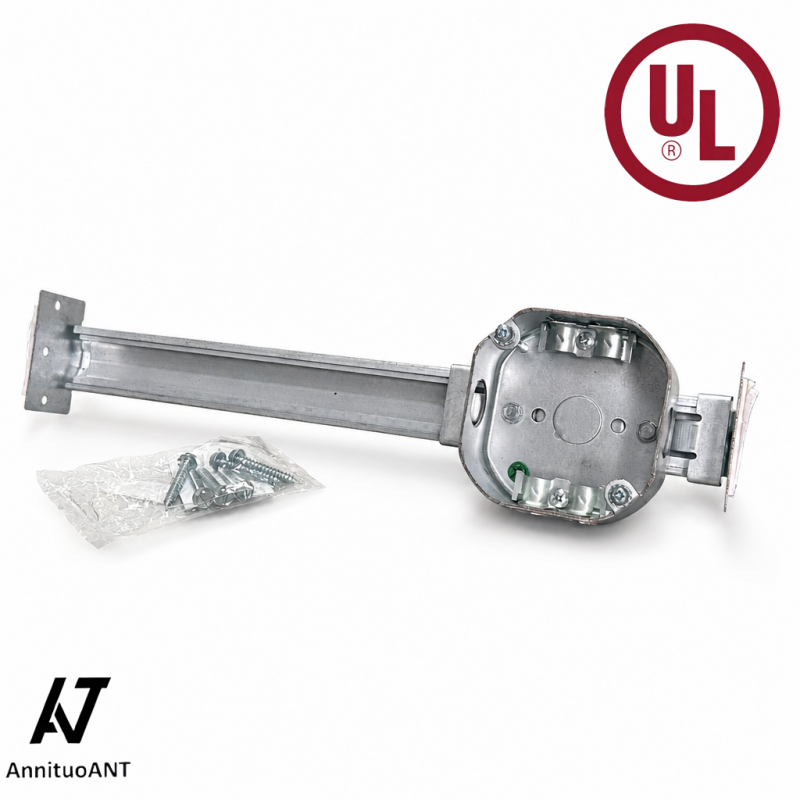
Mounting Options: Check for compatible mounting features, such as adjustable brackets or built-in clamps, to ensure ease of installation in various settings.
Certifications and Standards: Look for gang boxes that meet industry standards such as UL/cUL and ETL/cETL certification. This ensures that the products have been tested for safety and performance in electrical installations.
By thoroughly assessing these specifications, buyers can ensure they choose gang boxes that meet their application needs while adhering to safety standards.
Sourcing gang boxes in bulk can yield significant cost savings, but several factors influence the overall pricing structure:
Material Type: The choice between metallic and non-metallic gang boxes can greatly impact cost. Metallic boxes are generally more expensive due to the raw material costs and additional manufacturing processes involved.
Order Quantity: Bulk orders typically benefit from economies of scale. Suppliers may offer tiered pricing based on order size, so understanding the minimum order quantity (MOQ) required for bulk pricing is essential.
Customization: If specific customization is needed—such as unique dimensions or additional features—this can lead to increased costs. Discussing customization options early in the procurement process will help in budgeting accurately.
Shipping and Handling: Consider logistics costs, which can vary based on the weight and dimensions of the plastic electrical enclosure boxes. Bulk orders may require specialized shipping methods, which can add to overall expenses.
Lead Times: Longer lead times for custom products or larger orders can affect project timelines, so factor in potential delays when planning purchases.
By carefully evaluating these cost considerations, buyers can better manage their budgets and optimize their purchasing strategies.
The choice of material for Anita gang boxes significantly influences their performance, durability, and application suitability. Here’s a closer look at the advantages of the two primary materials used:
Metallic Gang Boxes:
Durability: Metal boxes are robust and designed to withstand harsh environments, making them ideal for industrial applications.
Grounding: Many metallic boxes provide inherent grounding capabilities, which can enhance safety in electrical systems.
Heat Resistance: Metal can handle higher temperatures, reducing the risk of deformation and failure in high-heat environments.
Non-Metallic Gang Boxes:
Corrosion Resistance: PVC and fiberglass gang boxes are resistant to corrosion and moisture, making them suitable for outdoor or humid installations.
Lightweight: Non-metallic boxes are easier to handle and install, which can reduce labor costs during installation.
Insulation Properties: Non-metallic materials offer better insulation, minimizing the risk of electrical shorts and increasing overall safety.
Choosing the right material depends on the specific application and environmental conditions. Evaluating the advantages of each material type will help buyers select the most suitable option for their needs.
Proper installation of Anita gang boxes ensures safety, functionality, and compliance with electrical codes. Here are key considerations for efficient installation:
Site Preparation: Before installation, assess the site for any structural or environmental factors that could affect the placement of the gang box. Ensure that all necessary tools and materials are on hand to avoid delays.
Wiring Connections: Follow electrical codes and manufacturer guidelines when connecting wires. Use appropriate connectors and ensure connections are secure to prevent electrical faults.
Mounting Procedures: Ensure that the gang box is mounted securely to a wall stud or other structural element. Use the mounting features provided, such as brackets or clamps, to stabilize the box.
Check for Clearance: Ensure that there is adequate clearance around the gang box for wiring and device installation. Overcrowding can lead to overheating and potential hazards.
Final Inspection: After installation, perform a thorough inspection to ensure that all connections are tight, the box is secure, and there is no damage to the wiring or components.
By adhering to these installation guidelines, buyers can enhance the safety and longevity of their electrical installations.
Despite their reliability, gang boxes can encounter certain issues that may affect performance. Here are common problems along with their solutions:
Overcrowding: A frequent issue occurs when too many wires are forced into a single gang box. This can lead to overheating and potential fire hazards. Solution: Ensure that the box is appropriately sized for the number of wires being used. Consider using multiple electrical boxes for larger installations.
Corrosion in Metallic Boxes: In humid or corrosive environments, metallic gang boxes can rust or corrode, compromising their integrity. Solution: Use non-metallic gang boxes in environments prone to moisture or apply protective coatings to metallic boxes.
Loose Connections: Loose wiring connections can lead to power failures or electrical shorts. Solution: Regularly inspect connections for tightness and secure them properly during installation.
Improper Mounting: Gang boxes that are not securely mounted can shift over time, leading to damage or failure of connections. Solution: Follow proper mounting guidelines to ensure stability and check for secure fastening during final inspections.
By being aware of these common issues and their solutions, buyers can maintain the integrity of their gang box installations and ensure long-term reliability.